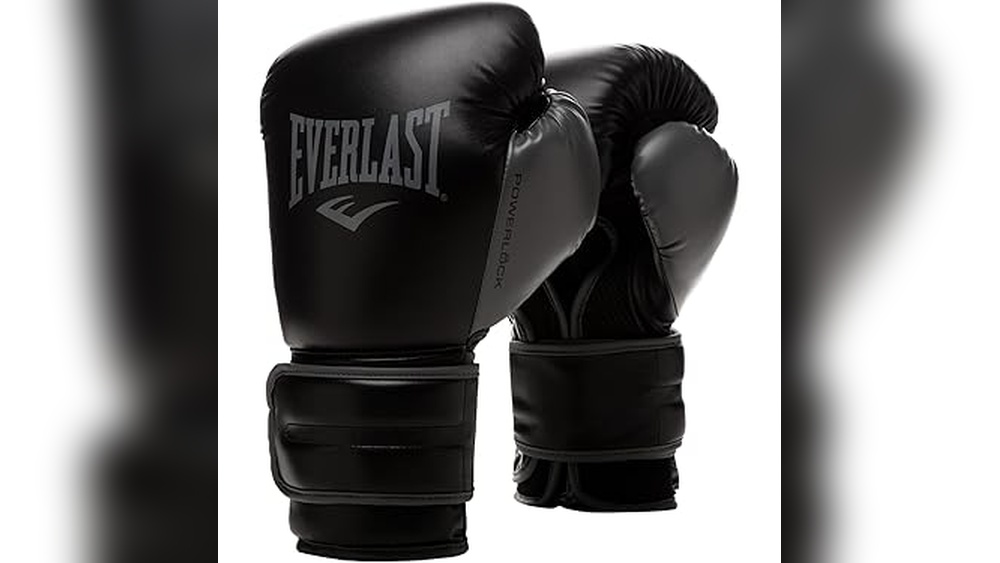
When you’re choosing boxing gloves, one question probably comes to mind: how thick are boxing gloves really? You might think all gloves offer the same protection, but thickness plays a huge role in your safety, comfort, and performance.
Whether you’re training in Austin, Texas, or anywhere else, knowing the right glove thickness can protect your hands and your opponent, while also improving your punching power. You’ll discover exactly what glove thickness means, why it matters, and how to pick the perfect pair for your needs.
Keep reading to make sure your gloves work as hard as you do in the ring.
Boxing Glove Sizes
Boxing gloves come in different sizes that affect their thickness and protection level. Choosing the right size helps protect your hands and your opponent. Sizes are usually measured in ounces, which tells you about the glove’s weight and padding. Understanding glove sizes is key to getting the right fit for training or fighting.
Common Ounce Measurements
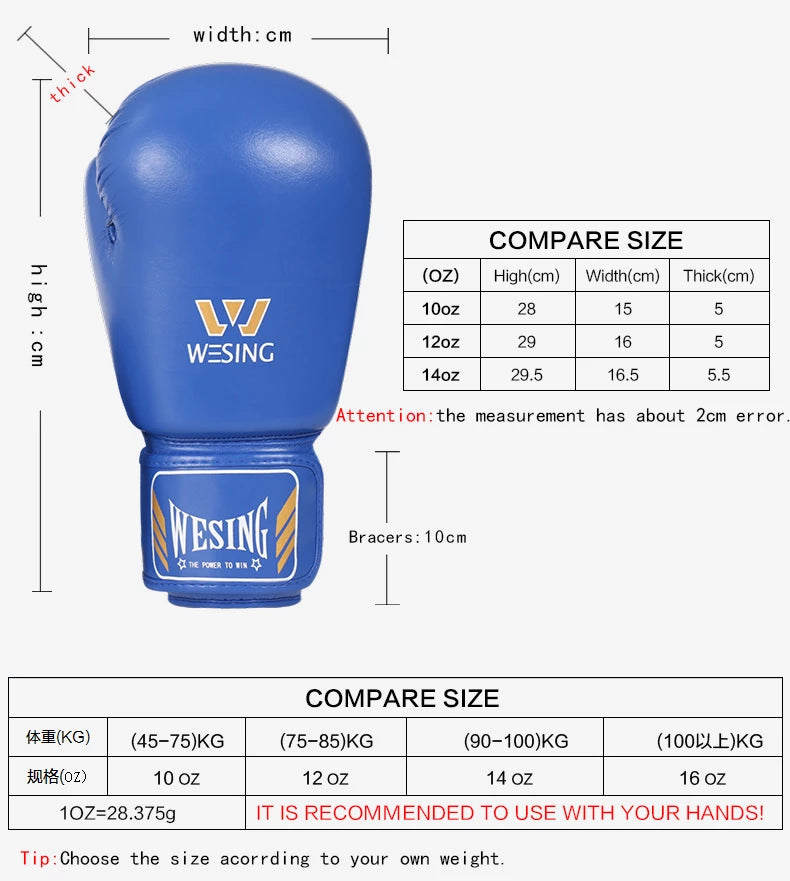
Boxing gloves often range from 8 oz to 20 oz. The lower the ounce, the lighter and thinner the glove. For example, 8 oz gloves have less padding and are used in competitions. Larger gloves, like 16 oz, have more padding and are common in training. The ounce size affects how thick the gloves feel on your hands.
Size Vs Weight Differences
Size means how big the glove fits your hand. Weight shows how heavy the glove is. Gloves with more padding weigh more and feel thicker. Two gloves might fit the same hand size but differ in weight. Heavier gloves provide more protection but can slow you down. Lighter gloves allow faster punches but less cushioning.
Choosing Size By Purpose
Training gloves usually weigh 14 oz or more to protect your hands during long sessions. Sparring gloves need extra padding to keep both fighters safe. Competition gloves are lighter and thinner to increase speed and impact. Pick gloves based on your activity for the best balance of safety and performance.
Padding Thickness
Padding thickness plays a key role in boxing gloves. It affects safety, comfort, and performance. The thickness varies by glove type and intended use. Understanding padding layers helps to choose the right gloves.
Proper padding absorbs impact and protects hands and opponents. The right thickness balances protection with mobility. Too thin may cause injury. Too thick can reduce speed.
Typical Padding Layers
Boxing gloves usually have multiple padding layers. These layers range from 1 to 3 or more. Each layer adds cushion to absorb punches. The outer layer is often firmer for durability.
Inner layers are softer to reduce impact on knuckles. Some gloves use foam, gel, or a mix. The number of layers depends on glove weight and purpose.
Material Types In Padding
Foam is the most common padding material. It is lightweight and absorbs shock well. High-density foam offers more protection but is heavier.
Gel padding molds to the hand shape. It spreads impact force evenly. Some gloves combine foam and gel for better cushioning.
Other materials like horsehair are less common today. Synthetic padding is popular for consistent performance and cost.
Impact Of Thickness On Protection
Thicker padding cushions blows and lowers injury risk. It helps protect bones and joints in the hand. It also reduces damage to the opponent.
However, very thick gloves can slow hand speed. This affects punching power and technique. Thinner gloves allow faster punches but less protection.
Choosing the right thickness depends on training style and goals. Beginners often prefer thicker padding for safety. Experienced boxers may use thinner gloves for better control.
Protection Levels
Boxing gloves come in various thicknesses that impact their protection levels. The thickness plays a major role in how safe a glove feels and how well it protects your hands and your opponent. Different gloves suit different purposes, such as training or competition. Understanding these protection levels helps you pick the right glove for your needs.
How Thickness Affects Safety
Thicker gloves provide more padding. This extra padding absorbs shock better. It reduces the force on your knuckles and wrist. Thinner gloves offer less cushion and can cause more impact. Thicker gloves also protect the person receiving the punch. They soften the blow and lower injury risk. Safety improves as thickness increases, but gloves also get heavier.
Differences For Training And Competition
Training gloves tend to be thicker. They offer more protection for long sessions and sparring. Thicker gloves protect your hands and your partner’s face. Competition gloves are usually thinner to allow faster punches. Thinner gloves give better speed and feel but less padding. Each type balances protection and performance for its purpose.
Role In Injury Prevention
Proper glove thickness helps prevent injuries. It shields bones and joints from damage. Thicker padding reduces cuts, bruises, and fractures. It also lowers the chance of hand sprains. Gloves with enough thickness protect both you and your opponent. Choosing the right thickness keeps your hands safer during boxing.
Credit: sinfoniagulfcoast.org
Glove Weight And Performance
Boxing glove weight plays a major role in a boxer’s performance. Gloves come in various weights, usually measured in ounces (oz). The weight affects speed, power, and protection. Understanding this helps fighters pick the right gloves for training or matches.
Effect Of Weight On Speed And Power
Lighter gloves allow faster punches. They reduce arm fatigue and improve hand speed. This can help land more hits in a fight. Heavier gloves slow down punch speed but increase punching power. The added weight forces muscles to work harder, building strength over time.
Heavier Vs Lighter Gloves
Heavier gloves, like 16 oz, are common in training. They offer more padding to protect hands and sparring partners. Lighter gloves, such as 8 or 10 oz, are often used in competition for faster strikes. Each type has benefits based on the boxer’s goal.
Balancing Protection And Agility
Choosing glove weight is a balance between protection and agility. Heavier gloves protect better but can reduce speed and endurance. Lighter gloves enhance movement but provide less padding. Fighters must consider their style, training needs, and safety.
Professional Boxing Gloves
Professional boxing gloves differ from amateur or training gloves. They focus on balance between protection and performance. These gloves are designed to protect both the fighter’s hands and their opponent. Thickness plays a key role in this protection.
Thicker gloves offer more padding but can slow punches. Thinner gloves allow faster punches but less cushion. Professionals choose gloves based on their fighting style and rules.
Standard Thickness In Pro Gloves
Most professional boxing gloves have padding thickness between 0.8 and 1.2 inches. This range offers enough protection without adding too much weight. Padding usually consists of foam layers to absorb impact. The outer shell is made from leather or synthetic material for durability.
The padding thickness varies by glove weight. Common glove weights for pros are 8 oz, 10 oz, and 12 oz. Heavier gloves tend to have thicker padding. Thinner gloves are popular in lower weight classes for speed and accuracy.
Glove Choices Of Top Fighters
Top fighters pick gloves that match their style. Power punchers often choose gloves with thicker padding to protect their hands. Speed-focused fighters prefer lighter, thinner gloves to increase punch speed. Some champions switch gloves depending on the opponent or match type.
Many pros use 10 oz gloves for title fights. This size balances protection and speed well. Some fighters also prefer custom gloves tailored to their hand size and shape. This customization helps improve comfort and control.
Regulations On Glove Size
Boxing organizations set strict rules on glove size and weight. These rules ensure fair fights and safety. For example, the World Boxing Association requires 8 oz gloves for fighters under 147 pounds. Fighters above this weight usually wear 10 oz gloves or more.
Glove thickness must meet minimum padding standards. Officials inspect gloves before fights to confirm compliance. Using gloves outside regulations can lead to penalties or disqualification. These rules help maintain the sport’s integrity and safety.

Credit: www.paffen-sport.com
Choosing The Right Thickness
Choosing the right thickness for boxing gloves is key to safe and effective training. Gloves vary in thickness to protect your hands and your opponent. The thickness affects comfort, impact absorption, and performance. Understanding how to pick the correct glove thickness helps you train well and avoid injuries.
Factors To Consider
Consider your weight and hand size first. Heavier people need thicker gloves for better protection. Think about your training type too. Sparring requires more padding than bag work. The glove’s weight, measured in ounces, often relates to thickness. Also, check the glove material; some offer better padding with less bulk.
Glove Thickness For Beginners
Beginners should choose gloves with extra padding. Thicker gloves cushion the knuckles and wrists. They reduce the risk of injury during practice. Gloves around 14 to 16 ounces provide good protection. This thickness helps new boxers get used to punching and blocking safely.
Adjusting Thickness For Different Training
Use thicker gloves for sparring to protect both you and your partner. Thicker gloves absorb more impact and reduce injury risk. For heavy bag training, thinner gloves work better. They allow better feel and speed. Switching glove thickness based on training type improves your skill and safety.
Maintenance And Longevity
Proper maintenance plays a key role in keeping boxing gloves thick and effective. Gloves must stay in good shape to protect hands and opponents. Regular care helps preserve the padding and prevents early wear. Understanding how to care for your gloves increases their lifespan. This section covers essential tips on glove maintenance and when to replace them.
Caring For Padding
Padding is the core of boxing gloves’ thickness and protection. Avoid soaking gloves in water or leaving them damp after use. Always air dry gloves in a well-ventilated area. Use a glove deodorizer or clean cloth to remove sweat inside. Do not store gloves in tight bags or small spaces. This causes the padding to compress and lose shape. Proper care keeps the padding firm and thick over time.
When To Replace Gloves
Look for signs of padding breakdown or glove damage. If gloves feel softer or less cushioned, it is time to replace them. Tears in the outer material or loose stitching reduce glove protection. Old gloves increase injury risk for you and your sparring partner. Replace gloves every 12 to 18 months, depending on use frequency. Frequent boxers might need new gloves sooner.
Effect Of Wear On Thickness
Repeated impact compresses the foam padding inside gloves. This reduces their thickness and shock absorption ability. Worn gloves provide less hand protection and increase injury risk. Thinner gloves also transfer more force to your opponent. Proper drying and storage slow down this compression. Regularly check glove thickness to ensure they still offer enough padding.

Credit: www.amazon.sg
Frequently Asked Questions
How Thick Is A Boxing Glove?
Boxing gloves typically range from 1 to 2 inches thick, depending on weight and padding type. Thicker gloves offer more protection and shock absorption.
Do Pros Use 12 Oz Gloves?
Yes, many pros use 12 oz gloves, especially in lighter weight classes and during competitions. They balance protection and speed effectively.
What Is The Standard Thickness Of Gloves?
The standard thickness of gloves varies by type. For boxing gloves, padding ranges from 1 to 1. 5 inches. Latex or disposable gloves typically measure 0. 05 to 0. 1 millimeters thick. Thickness depends on glove purpose, such as protection, durability, and comfort.
How Heavy Are Mike Tyson’s Gloves?
Mike Tyson’s boxing gloves typically weighed 14 ounces. This weight balanced protection and striking power during his fights.
Conclusion
Boxing gloves vary in thickness depending on their use. Thicker gloves offer more padding and protection. Thinner gloves give better speed and control. Choosing the right thickness depends on your training or competition needs. Always pick gloves that fit well and feel comfortable.
Proper glove thickness helps reduce injuries and improves performance. Understanding glove thickness can make your boxing safer and more enjoyable. Keep these points in mind when selecting your gloves.