If you’ve ever dreamed of stepping into the ring and earning the prestigious title of Golden Glove boxer, you’re in the right place. Becoming a Golden Glove champion isn’t just about throwing punches—it’s about dedication, discipline, and mastering the art of boxing.
Whether you’re just starting out or looking to take your skills to the next level, this guide will walk you through exactly what you need to do. From registering with USA Boxing to training like a pro and preparing for intense competition, you’ll discover clear steps to turn your boxing ambitions into reality.
Ready to learn how you can become a Golden Glove boxer and make your mark in the sport? Let’s get started.
Golden Gloves Basics
The Golden Gloves is a famous amateur boxing tournament. It helps new boxers gain experience and recognition. Many champions started their careers here. Understanding the basics is important to join and compete well.
This section covers key points about age, registration, and weight classes.
Age And Eligibility
Boxers must be at least 8 years old to compete. Most divisions have an upper age limit of 34 years. Participants must be U.S. citizens or legal residents. A valid ID and proof of age are required. Some local tournaments may have specific rules.
Registration Requirements
First, register with USA Boxing to compete. A physical exam is mandatory before participation. It ensures you are fit to box safely. Next, join a Golden Gloves franchise or boxing club. Complete the tournament entry form on time. Pay the registration fees as required. Keep all documents ready for verification.
Weight Divisions
Golden Gloves has several weight classes to ensure fair fights. Boxers must weigh in before matches. Common divisions include flyweight, lightweight, welterweight, and heavyweight. Each division has a specific weight range. Fighters must meet their division limit to compete. Weight classes protect boxers from mismatched opponents.

Credit: www.desmoinesregister.com
Joining Usa Boxing
Joining USA Boxing is the first key step to become a Golden Glove boxer. This organization governs amateur boxing in the United States. It offers a clear path to compete in official Golden Gloves tournaments. Membership ensures safety rules and fair play. It also connects you to local boxing clubs and events.
Obtaining A Passbook
A passbook is your official USA Boxing ID. It proves your membership and eligibility to compete. You must apply for it online through the USA Boxing website. Fill out personal details and pay a small fee. The passbook tracks your fight history and medical clearance.
Medical Exams And Paperwork
Passing a medical exam is mandatory for all boxers. It ensures you are fit and healthy to fight. The exam includes vision, heart, and neurological checks. You also need to submit a signed consent form. Keep all paperwork updated and carry it to matches.
Finding A Local Franchise
USA Boxing has many franchises nationwide. A local franchise hosts training and competitions. Search for one near your home or school. Visit the club to meet coaches and observe training. Joining a franchise helps build skills and gain experience.
Training Essentials
Training is the foundation of every Golden Glove boxer’s journey. It shapes the body and mind to face tough opponents. Consistent and focused practice builds strength, skill, and confidence. The right training plan covers fitness, technique, and real fight experience. Each part plays a key role in preparing a boxer to compete at a high level.
Understanding what to train and how to train helps boxers improve quickly. It also reduces injury risk and builds endurance. Training must balance hard work and smart recovery. Below are the essential training areas every Golden Glove hopeful must focus on.
Conditioning And Fitness
Strong conditioning boosts stamina for long fights. Boxers need cardio exercises like running and jump rope daily. These improve heart health and breathing control. Strength training with weights or bodyweight exercises builds power. Core workouts increase balance and punching force. Flexibility training keeps muscles loose and prevents injury. Good fitness lets boxers move fast and hit hard throughout every round.
Skill Development
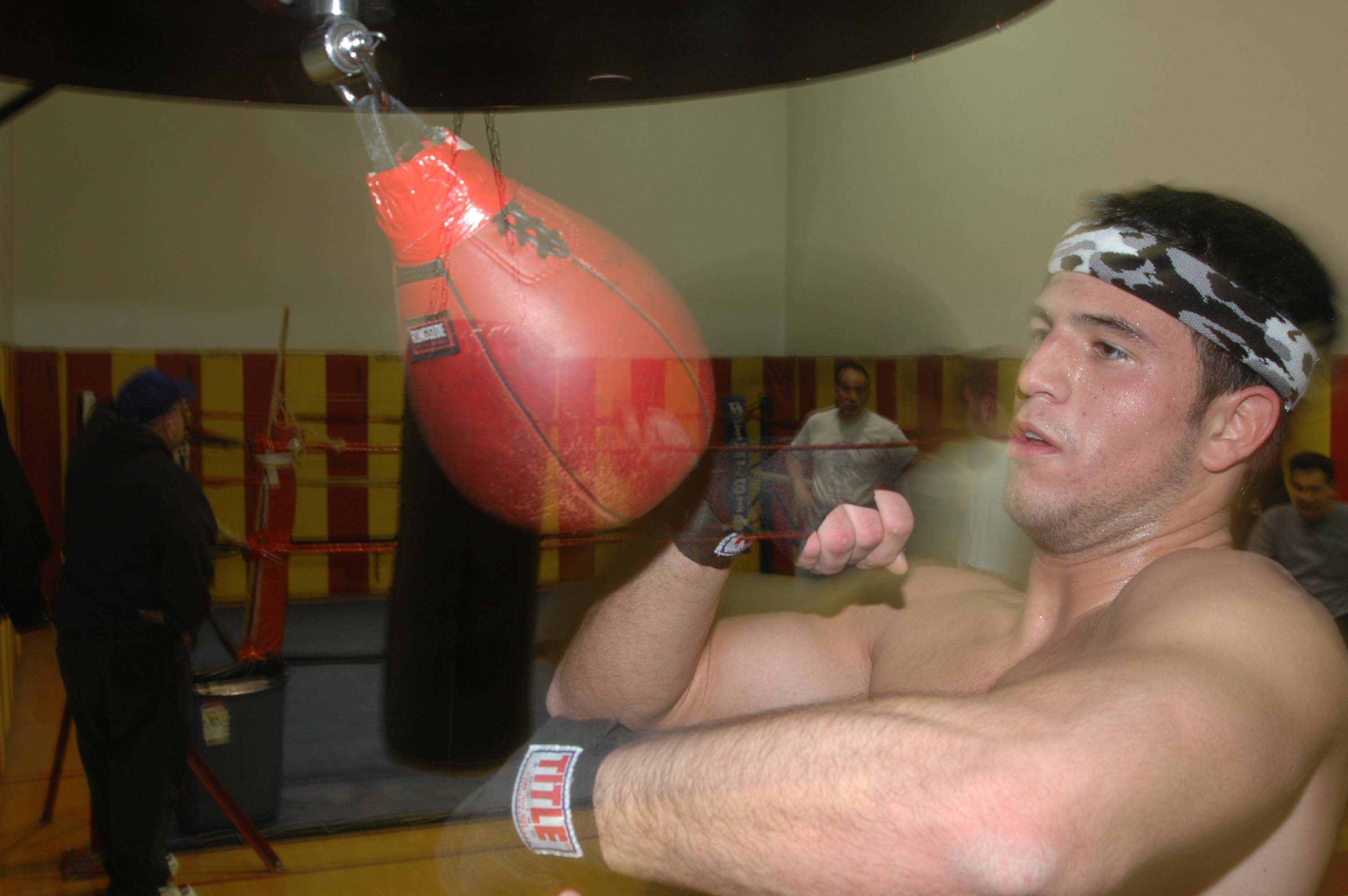
Boxing skills come from repetition and focus. Practicing basic punches like jabs, crosses, hooks, and uppercuts is key. Proper footwork improves movement and defense. Shadowboxing helps perfect form and timing. Working with a coach provides feedback and new techniques. Drills that combine offense and defense build smooth transitions. Skill development takes patience but leads to better fight control.
Sparring Techniques
Sparring simulates real fights to test skills under pressure. Controlled sparring sessions teach timing and distance judgment. It helps boxers read opponents and react quickly. Sparring also builds mental toughness and confidence. Using protective gear reduces injury risk during practice. Reviewing sparring footage reveals areas for improvement. Regular sparring is necessary to prepare for the intensity of Golden Gloves matches.

Credit: www.syracuse.com
Tournament Preparation
Preparing for a Golden Glove tournament requires careful attention to several key steps. These ensure you compete fairly and safely. Preparation starts well before stepping into the ring. Understanding the process helps build confidence and focus on your performance.
Registering For The Event
First, find an official Golden Gloves club or franchise near you. Contact the organizers to learn about registration deadlines and fees. Complete all forms accurately to avoid last-minute issues. Early registration helps secure your spot in the tournament. Keep copies of your registration documents for reference.
Weigh-ins And Medical Checks
Weigh-ins happen before the tournament begins. Make sure you meet the weight limit for your division. Arrive on time with valid identification. Medical checks are mandatory to ensure you are fit to fight. A licensed doctor will examine you for any injuries or health issues. Passing these checks is crucial for your safety and eligibility.
Understanding Rules And Conduct
Learn the tournament rules thoroughly. Know what moves are allowed and which are forbidden. Respect the referees, coaches, and fellow fighters at all times. Good sportsmanship is essential in Golden Gloves boxing. Violations can lead to penalties or disqualification. Preparing mentally for fair play will improve your overall experience.
Competition Strategies
Competing in Golden Gloves boxing requires more than just physical skill. Smart competition strategies give you an edge over opponents. These strategies include understanding division rules, using effective fight tactics, and preparing mentally. Each part plays a vital role in your success in the ring.
Knowing how to adjust your approach based on your division and opponent can make a big difference. Staying calm and focused helps you perform at your best. Below, learn key strategies to improve your chances in every match.
Novice Vs Open Divisions
Novice division is for new boxers with fewer fights. Open division is for experienced fighters. The level of skill and speed is higher in the Open division. In Novice, focus on learning and defense. In Open, use advanced techniques and quick counters. Understanding the difference helps you plan your training and fight style properly.
Fight Tactics
Use footwork to control distance and avoid punches. Stay light on your feet and move often. Use jabs to test your opponent’s defense. Watch for openings to throw combos. Keep your guard up at all times. Adjust tactics based on how your opponent fights. Attack when they show weakness. Defend smartly to avoid points lost.
Mental Preparation
Stay confident and focused before your fight. Visualize your success and your plan. Control your breathing to remain calm under pressure. Accept nerves as normal and channel them into energy. Avoid negative thoughts or distractions. Prepare for every round with a clear mind. Mental strength often decides close matches. Train your mind as much as your body.
Credit: www.grissom.afrc.af.mil
Building Experience
Building experience is a key step to become a Golden Glove boxer. It helps you gain confidence and improve your skills. Practice alone is not enough. Real fights and expert guidance prepare you for bigger challenges.
Experience teaches you how to handle pressure and think fast. It also shows your dedication to the sport. Focus on gaining as much experience as possible to stand out in the ring.
Local Shows And Matches
Start by joining local boxing shows and matches. These events offer real fight experience. Each match helps you learn your strengths and weaknesses. You face different opponents and styles. Local contests build your stamina and sharpen your reflexes. They also help you get noticed by coaches and scouts.
Coach And Mentor Support
Find a coach or mentor to guide your journey. Experienced trainers teach you proper techniques and strategies. They watch your fights and correct mistakes. Mentors share advice on training and mindset. Their support keeps you motivated and focused. Regular feedback from them speeds up your growth.
Feedback And Improvement
After every match, review your performance carefully. Listen to your coach’s feedback and accept criticism. Work on areas that need improvement. Practice drills to fix your weaknesses. Track your progress and set new goals. Constant improvement is the path to success in boxing.
Advancing Your Career
Advancing your career as a Golden Glove boxer requires more than just talent. It demands discipline, smart planning, and building valuable connections. This stage focuses on improving your skills and gaining recognition in the boxing world. Success comes from steady effort and clear direction.
Each step you take should bring you closer to becoming a top contender. Focus on maintaining strong performances, expanding your network, and setting achievable goals. These actions will help you grow and stand out among other boxers.
Consistent Performance
Consistency in training and matches builds your reputation. Regular wins and solid defense catch the eyes of coaches and judges. Avoid ups and downs in performance by following a strict training schedule. Stay focused during every fight. Consistency shows your reliability and skill to the boxing community.
Networking In Boxing Circles
Meeting the right people opens doors in boxing. Attend events, join clubs, and connect with trainers and fighters. Good relationships can lead to better training, sponsorships, and fight opportunities. Be respectful and professional in every interaction. A strong network supports your growth and success.
Setting Long-term Goals
Clear goals guide your boxing journey. Define what you want to achieve in one year, five years, and beyond. Break big goals into smaller steps to track progress. Adjust your plans as you learn and improve. Long-term goals keep you motivated and focused on becoming a Golden Glove champion.
Frequently Asked Questions
What Age Is Golden Gloves Boxing?
Golden Gloves boxing typically welcomes fighters aged 8 and older. Competitors usually range from youth to adult divisions. Age categories vary by region but often include youth (8-15), open (16+), and masters (35+). Participants must register with USA Boxing and meet specific age and health requirements.
How Do You Qualify For A Golden Glove?
To qualify for a Golden Glove, register with USA Boxing and join an official franchise. Meet age, citizenship, and physical exam requirements. Complete tournament registration, weigh-ins, and medical checks. Compete in your division, demonstrating skill and dedication throughout the competition.
Is Mike Tyson A Golden Glove Boxer?
Yes, Mike Tyson was a Golden Gloves boxer. He competed in the 1981 Golden Gloves tournament and gained early recognition.
Is 25 Too Old To Start Pro Boxing?
Starting pro boxing at 25 is not too old. Many boxers begin later and succeed with dedication and proper training.
Conclusion
Becoming a Golden Glove boxer takes dedication and hard work. Train regularly and focus on improving your skills. Join a local Golden Gloves club to gain experience. Stay disciplined with your fitness and practice routines. Compete in tournaments to test your progress and gain confidence.
Keep learning from coaches and fellow boxers. Remember, patience and persistence lead to success. Your journey starts with commitment and a strong mindset. Keep pushing forward, and you can achieve your boxing goals.