Choosing the right boxing glove size can make all the difference in your training and performance. If your gloves are too small, they might squeeze your hands uncomfortably and limit your movement.
Too big, and you risk losing control or not getting enough protection during sparring. You want gloves that fit just right—offering comfort, protection, and the perfect balance for your style. In this guide, you’ll discover simple tips to find the ideal glove size based on your weight, training goals, and personal preferences.
Keep reading to make sure you pick gloves that boost your confidence and keep your hands safe every time you step into the ring.
Boxing Glove Basics
Choosing the right boxing glove size starts with knowing the basics. Boxing gloves come in various weights and types. Each size serves a specific purpose. Picking the correct size protects your hands and improves training. Understanding glove weight and type helps you make the best choice.
Gloves also affect your speed, power, and comfort. The right glove feels natural and secure. This guide explains the key points about boxing gloves you must know.
Weight And Size Differences
Boxing gloves are measured in ounces (oz). Common sizes include 8 oz, 10 oz, 12 oz, 14 oz, and 16 oz. Heavier gloves have more padding. They protect your hands and your training partner better. Lighter gloves allow faster punches and more speed. They have less padding and offer less protection.
Smaller gloves fit better for competition or speed work. Larger gloves are used for sparring and heavy bag training. The size you choose depends on your weight, training goals, and comfort. Always try on gloves to ensure a snug fit without pain.
Types Of Boxing Gloves
There are several types of boxing gloves. Training gloves are versatile and used for many activities. Bag gloves are lighter and designed for hitting heavy bags. Sparring gloves have extra padding to protect both boxers. Competition gloves are lighter and meet specific rules.
Each type suits a different training need. Training gloves offer balance for bag work and sparring. Bag gloves focus on speed and bag protection. Sparring gloves prioritize safety and comfort. Knowing glove types helps you pick the best fit for your training.

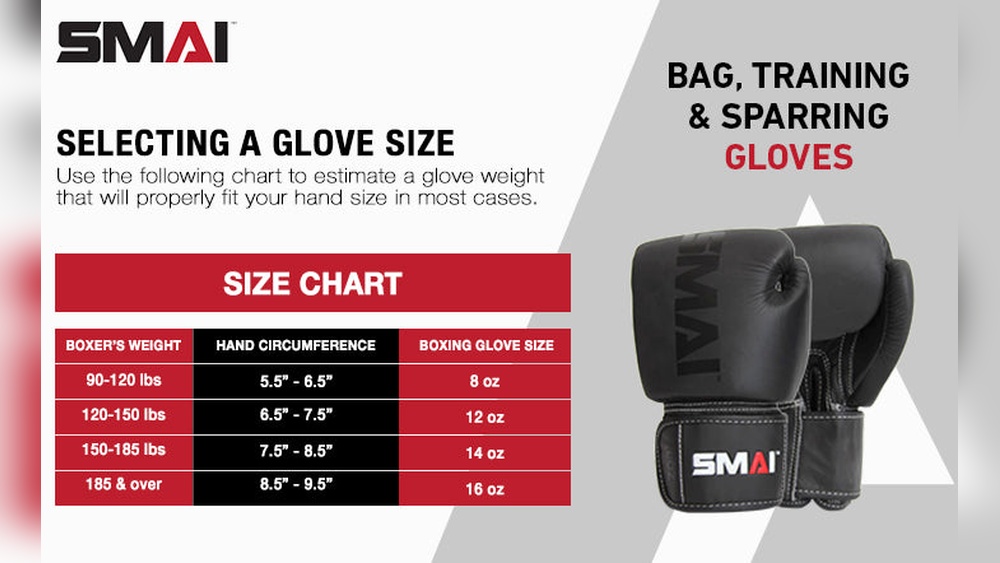
Credit: www.smai.com
Choosing Gloves By Body Weight
Choosing boxing gloves based on your body weight ensures proper fit and protection. Gloves that match your weight help balance comfort and safety. The right size supports your training and reduces injury risk. Focus on your weight category first, then adjust for hand size for best results.
Weight Categories And Glove Sizes
Boxing gloves come in different sizes measured in ounces (oz). Common sizes include 8 oz, 10 oz, 12 oz, 14 oz, and 16 oz. Smaller gloves are lighter and faster, larger gloves offer more padding. Your body weight guides your glove size choice.
- Under 120 lbs: 8 oz or 10 oz gloves work well.
- 120 to 150 lbs: Use 10 oz or 12 oz gloves for training.
- 150 to 180 lbs: 12 oz or 14 oz gloves offer good protection.
- Over 180 lbs: 14 oz or 16 oz gloves are best for safety.
Heavier gloves protect your hands and your sparring partner better. Lighter gloves improve speed but have less padding.
Adjusting For Hand Size
Hand size affects glove fit even within weight categories. Larger hands may need a bigger glove size for comfort. Smaller hands might prefer a snugger fit with a smaller glove size. Try gloves on before buying to check comfort and wrist support.
Use hand wraps with gloves to improve fit and protection. Proper glove fit helps avoid injuries and improves your boxing technique. Balance your body weight and hand size to find the best glove size.
Training Goals And Glove Selection
Choosing the right boxing glove size depends largely on your training goals. Different activities require different glove weights and padding levels. Picking gloves that match your purpose protects your hands and improves performance. Below are key types of training and the best glove choices for each.
Gloves For Bag Work And Pads
Bag work and pad drills need gloves that are light and flexible. Lighter gloves, usually 10-12 oz, allow faster punches and better speed. They provide enough padding to protect your knuckles without slowing you down. These gloves help build endurance and improve technique during fast training sessions.
Gloves For Sparring
Sparring requires gloves with more padding to protect both fighters. Gloves weighing 14-16 oz are common for sparring because they absorb impact well. The extra weight helps build strength and reduces injury risk. Using heavier gloves during sparring also increases your stamina and control in real fights.
Gloves For Competition
Competition gloves are lighter and have less padding than training gloves. These gloves usually weigh 8-10 oz, depending on the boxing organization rules. The reduced padding allows faster punches and better feel of the opponent. Fighters choose competition gloves to maximize speed and precision in the ring.

Credit: www.legendsboxing.com
Protection And Comfort Factors
Choosing the right boxing glove size depends heavily on protection and comfort. Gloves must shield your hands from injury during training or fights. Comfort ensures you can train longer without pain or distraction. Both factors work together to improve performance and safety.
Padding Levels
Padding absorbs the shock from punches. More padding offers better protection for your knuckles and wrists. Thicker padding is ideal for sparring and heavy bag workouts. Less padding allows faster punches and better feel, good for speed drills. Choose padding based on your training type and glove weight.
Wrist Support
Strong wrist support prevents sprains and injuries. Gloves with firm wrist straps keep your wrists stable. This support helps maintain proper hand position when punching. Look for gloves with adjustable straps or hook-and-loop closures. Proper wrist support adds comfort and reduces injury risk.
Hand Wrap Compatibility
Hand wraps add extra protection and support under gloves. Make sure your gloves fit well over hand wraps without feeling too tight. Gloves that are too small can cut off circulation. Gloves too large reduce control and increase injury risk. Test gloves with your hand wraps before buying.
Personal Preferences And Testing
Choosing the right boxing glove size depends a lot on personal preferences and testing. Each boxer feels different about glove weight and fit. Testing helps find the best balance for comfort and performance. Gloves that feel right improve training and reduce injury risk.
Trying various gloves lets you understand how weight and size affect your punches. Testing also shows which gloves suit your training style. Personal comfort is key for long sessions in the gym.
Trying Different Glove Weights
Start by trying gloves in different weights, such as 10 oz, 12 oz, and 14 oz. Lighter gloves feel faster but have less padding. Heavier gloves slow your punches but offer more protection. Try gloves on with hand wraps to get a true feel.
Test gloves during shadowboxing or bag work to notice differences. Pay attention to how your hands feel after use. Gloves that cause discomfort or pain are not the right choice. Your hands must feel secure and comfortable.
Balancing Speed And Power
Balance speed and power by choosing gloves that fit your training goals. Faster punches need lighter gloves with less padding. More powerful strikes require heavier gloves to protect your hands.
Consider what you train most: speed drills, sparring, or bag work. Select gloves that support your main focus. This balance improves your technique and reduces fatigue. Remember, the best gloves feel natural and help your progress.
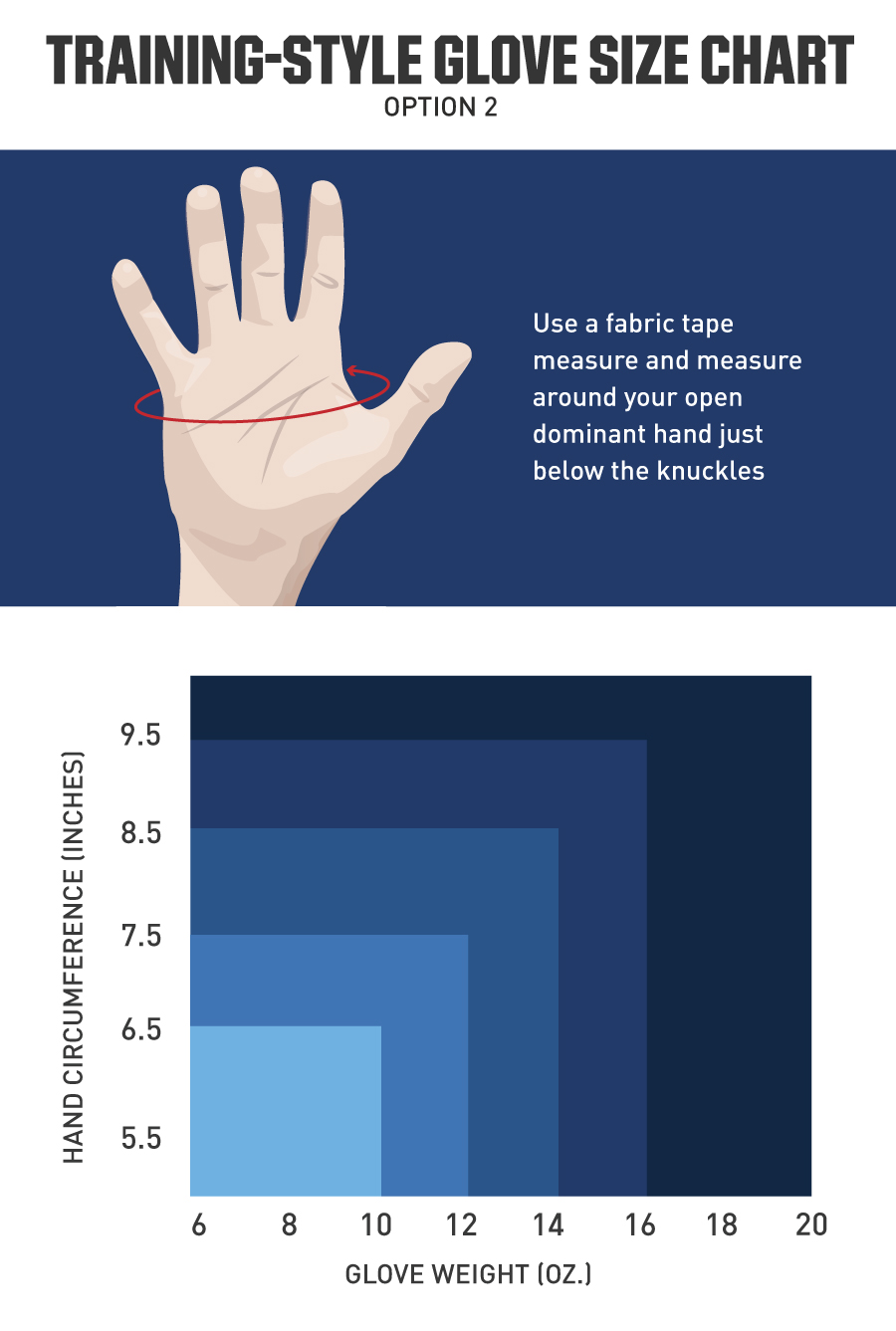
Credit: www.dickssportinggoods.com
Common Mistakes To Avoid
Choosing the right boxing glove size is important for comfort and safety. Many beginners make common mistakes that affect their training and performance. Avoiding these errors helps you protect your hands and get the most from your gloves.
Using Incorrect Size
Wearing gloves that are too big or too small causes problems. Too large gloves slip and reduce control. Too small gloves squeeze your hands and limit movement. Always measure your hand size before buying gloves. Proper fit protects your knuckles and wrists during punches.
Ignoring Glove Purpose
Different gloves serve different needs. Training gloves differ from sparring or bag gloves. Using the wrong type may lead to injuries. Training gloves have more padding for protection. Bag gloves are lighter for speed and power. Match your gloves to your specific training activity.
Skipping Hand Wraps
Hand wraps add extra support to your wrists and knuckles. Skipping wraps puts your hands at risk during impact. Wraps help keep your bones and tendons stable. Use wraps under gloves every time you train or spar. They increase safety and extend glove life.
Additional Tips For Perfect Fit
Choosing the right boxing glove size is just the first step. Ensuring a perfect fit improves comfort and safety. Small adjustments can make a big difference. Here are extra tips to check and adjust your gloves for the best experience.
Checking Glove Fit At Purchase
Try the gloves on with hand wraps if you use them. Your fingers should feel snug but not tight. The gloves should cover your entire hand without gaps. Make a fist to check movement freedom. Wrist straps must hold your wrist firmly. Walk around and mimic punching motions. Any pinching or slipping signals the wrong size. Choose gloves that feel secure and comfortable at first touch.
Adjusting Gloves Over Time
Gloves may loosen with use as padding compresses. Regularly check the fit to avoid injury. Tighten wrist straps before each session for support. Replace worn hand wraps to maintain glove shape. If gloves become too loose, consider investing in a new pair. Keep gloves clean and dry to prevent damage. Proper care extends glove life and fit.
Frequently Asked Questions
How Do I Know My Boxing Glove Size?
Measure your hand circumference around the knuckles. Match this with glove size charts. Choose weight (oz) based on training type and body weight.
Should I Get 12oz Or 14oz Boxing Gloves?
Choose 12oz gloves for speed, agility, and lighter training. Opt for 14oz gloves for better protection during sparring and general workouts. Consider your weight and training type to decide.
Why Is Tyson Using 14 Oz Gloves?
Tyson uses 14 oz gloves to balance protection and speed during training and sparring. They offer good padding and control.
Should I Get 8 Oz Or 10 Oz Boxing Gloves?
Choose 8 oz gloves for speed, agility, and light bag work. Opt for 10 oz gloves for better protection during sparring and general training. Consider your weight and training goals to select the right glove size.
Conclusion
Choosing the right boxing glove size improves your comfort and safety. Gloves that fit well protect your hands and your training partner. Think about your weight and the type of training you do. Smaller gloves work better for speed and light training.
Heavier gloves offer more padding for sparring and bag work. Take time to try different sizes before buying. Proper gloves help you train longer and avoid injuries. Remember, the best glove fits snugly without being too tight. Keep these points in mind for a better boxing experience.