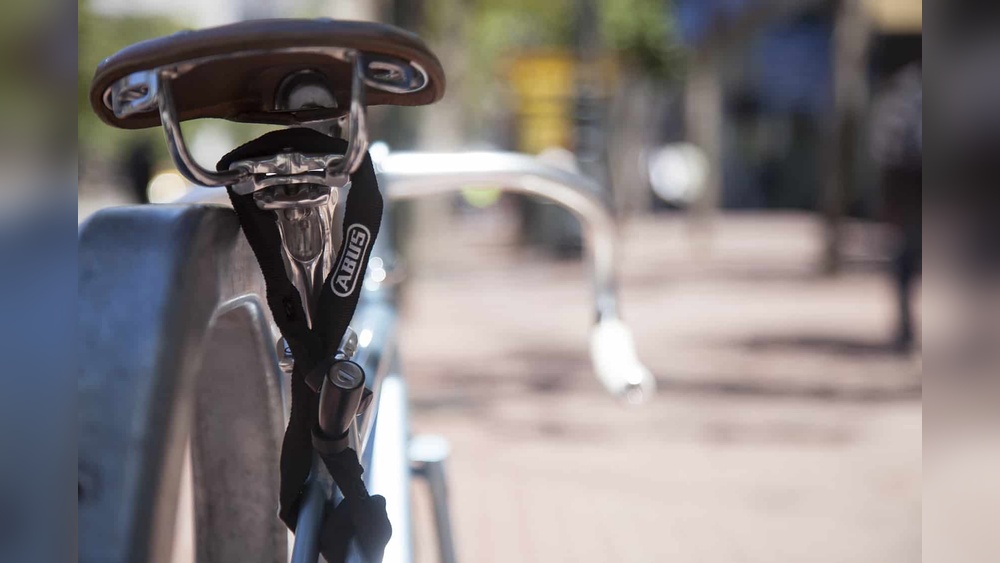
You’ve just parked your bike, but how do you make sure it stays safe? Knowing how to lock your bike properly can save you from the stress of theft and the cost of replacement.
It’s not just about having a lock—it’s about using it the right way. You’ll discover simple, effective steps to secure your bike like a pro. Keep reading to protect your ride and enjoy peace of mind every time you leave it behind.
Choosing The Right Bike Lock
Choosing the right bike lock is key to keeping your bike safe. The right lock stops thieves and protects your ride. Different locks suit different bikes and areas. Picking the best lock means balancing security, size, and ease of use. Learn about types, materials, and size to find a lock that works well.
Types Of Bike Locks
There are many types of bike locks. U-locks are strong and hard to cut. Cable locks are flexible but less secure. Chain locks offer good security but can be heavy. Folding locks fold into small shapes for easy carrying. Each type fits different needs and places.
Lock Materials And Security Levels
Lock material affects how safe your bike stays. Hardened steel is strong and resists cutting tools. Some locks have extra layers for more protection. Cheaper locks use soft metals that break easily. Choose locks with high security ratings for tough protection.
Lock Size And Weight Considerations
Lock size matters for convenience and security. Bigger locks cover more bike parts but weigh more. Small locks are easy to carry but may protect less. Find a lock size that fits your bike and feels comfortable to carry. Balance weight and security for the best fit.
Best Locking Techniques
Using the right locking techniques protects your bike from theft. A good lock and smart method make your bike safer. Focus on locking the most important parts and securing the bike to strong objects.
Securing The Frame And Wheels
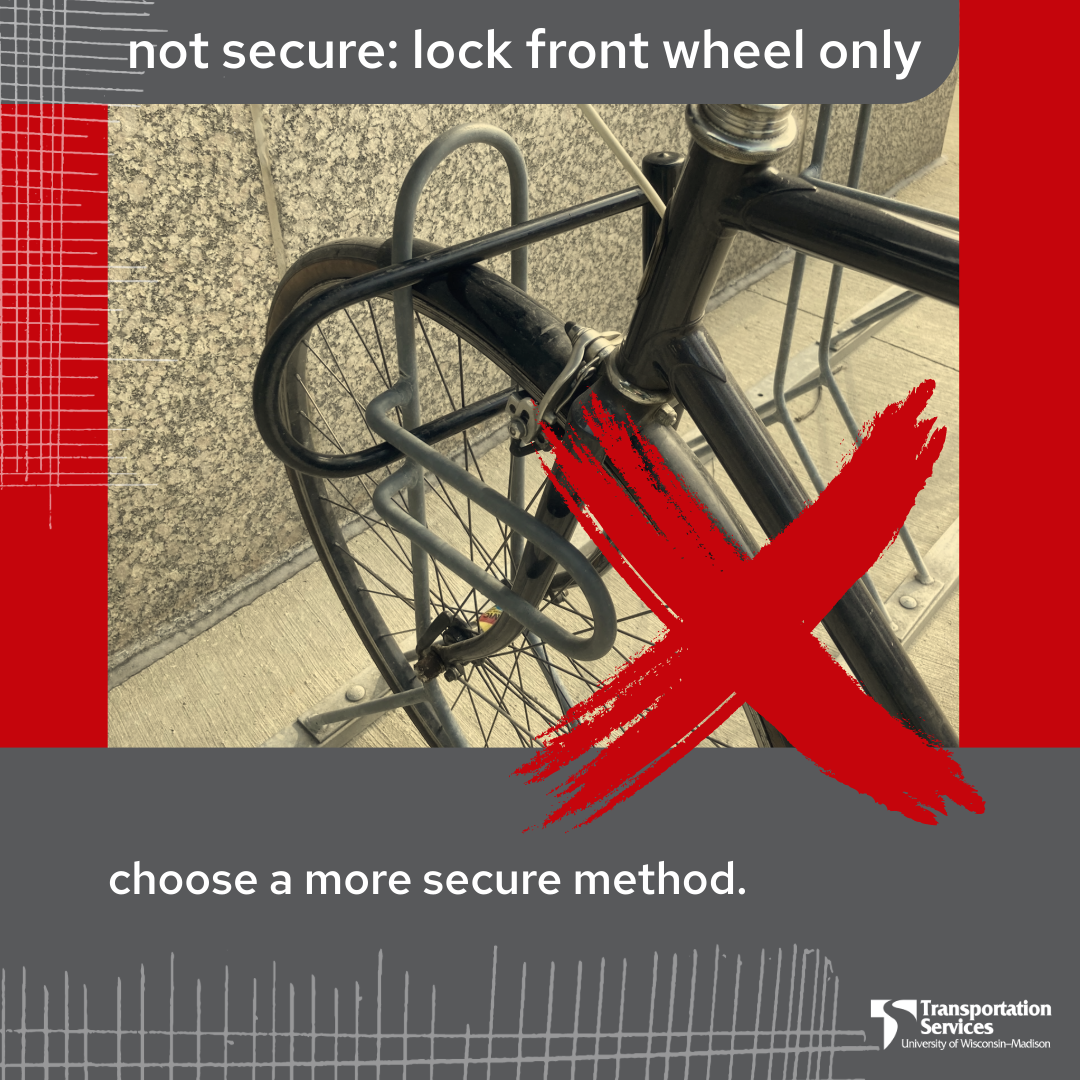
Always lock the frame of your bike. The frame is the main part and hardest to replace. Use a U-lock or heavy chain to lock through the frame. If possible, lock at least one wheel too. Thieves often steal wheels quickly. Locking both frame and wheels lowers risk a lot.
Using Multiple Locks
Use two locks for extra safety. One strong lock for the frame, one smaller lock for wheels. Different types of locks slow down thieves. Using two locks makes stealing your bike harder. It costs more time and effort for thieves.
Locking To Fixed Objects
Always lock your bike to a solid, fixed object. Choose bike racks, metal poles, or sturdy fences. Avoid weak or movable objects like trees or signposts. Make sure the object cannot be cut or moved. Locking to strong objects keeps your bike secure in public places.
Lock Placement Tips
Placing your bike lock correctly is key to keeping your bike safe. A well-placed lock stops thieves from easily breaking it. Small changes in where and how you lock can make a big difference.
These tips help make your lock hard to cut or remove. Follow these ideas to protect your bike better.
Avoiding Ground Contact
Keep the lock off the ground. Locks touching the ground can be hit with tools. Dirt and moisture may also damage the lock over time. Hold the lock tight against the bike frame or rack. This stops thieves from using leverage to break it.
Positioning The Lock To Prevent Tampering
Place the lock where it is hard to reach. Position it close to the bike frame and wheels. Avoid gaps where tools can fit easily. Turn the lock keyhole down or facing away. This makes it tough to tamper with. A tight, snug fit helps keep the lock secure.
Choosing High-traffic Areas
Lock your bike where many people pass by. Thieves avoid busy places. Bright and open spots reduce chances of theft. Look for well-lit areas during night time. Parking near cameras or shops adds extra safety. High traffic means more eyes watching your bike.
Credit: transportation.wisc.edu
Additional Security Measures
Locking your bike is the first step to keep it safe. Extra steps add more security and reduce theft risk. These simple actions protect your bike better. They also make thieves think twice before stealing.
Removing Accessories
Take off easy-to-remove parts like lights, GPS devices, or bags. Thieves often steal these small items quickly. Carry them with you or store them safely. This prevents losing valuable accessories and keeps your bike less tempting.
Using Gps Trackers
Attach a small GPS tracker to your bike. These devices help find your bike if stolen. Some trackers send alerts to your phone. They give peace of mind and improve recovery chances.
Registering Your Bike
Register your bike with local or online bike registries. This creates a record of ownership and details. Police use this information to identify and return stolen bikes. Registration also discourages thieves from targeting your bike.
Common Locking Mistakes
Locking a bike might seem easy, but many people make simple mistakes. These mistakes can leave your bike less safe. Knowing what to avoid helps keep your bike secure. Here are some common locking mistakes to watch out for.
Leaving Quick-release Parts Vulnerable
Quick-release parts like wheels and seats can be easy targets. Thieves can remove them fast if they are not secured. Always lock your bike through the frame and at least one wheel. Use extra locks or cables to protect quick-release wheels and seats. Don’t forget these parts when locking your bike.
Using Poor Quality Locks
Cheap locks often break or cut easily. They do not protect your bike well. Choose a lock made of strong materials like hardened steel. Look for locks with good reviews and high security ratings. A strong lock takes more time and effort to break. Investing in quality locks saves your bike from theft.
Ignoring Lock Maintenance
Locks need care to work properly. Dirt, rust, and moisture can make locks hard to open. Regularly clean your lock and apply lubricant to keep it smooth. Check the lock’s condition often. Replace it if it shows signs of damage. Maintaining your lock helps avoid problems and keeps it secure.

Credit: transportation.wisc.edu

Credit: www.stolenride.co.uk
Frequently Asked Questions
How Do I Choose The Best Bike Lock?
Choose a lock with strong materials like hardened steel. U-locks and chain locks offer high security. Consider lock size and portability. Always pick a lock rated highly by security experts.
Where Should I Lock My Bike For Safety?
Lock your bike to a solid, immovable object. Use well-lit, busy areas to deter thieves. Avoid isolated spots. Secure both frame and wheels to the object.
What Is The Correct Way To Lock A Bike?
Lock the frame and at least one wheel. Use a sturdy lock passing through these parts. Ensure the lock is tight to prevent leverage attacks. Position the lock off the ground.
Can I Use Multiple Locks For Better Security?
Yes, using two different types of locks improves security. It slows down thieves and protects wheels and frame. Combining U-locks with cable locks is effective.
Conclusion
Biking safely starts with locking your bike the right way. Use a strong lock and secure both frame and wheels. Choose a solid, fixed object to lock your bike. Always double-check your lock before leaving. Small steps keep your bike safe every day.
Protect your ride with good habits and simple tools. Stay smart and enjoy your bike worry-free.