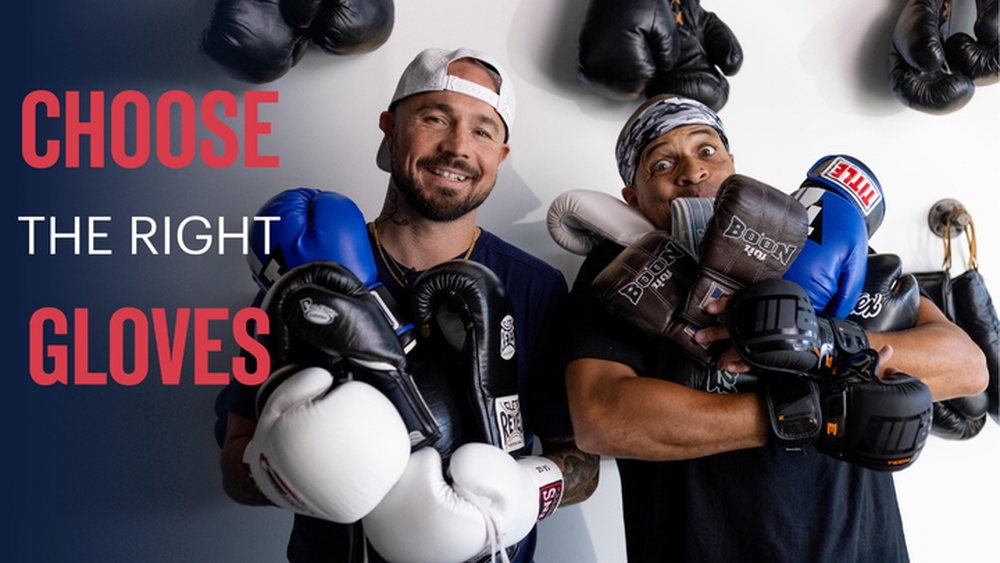
Choosing the right weight boxing gloves can make a huge difference in your training and performance. You might wonder, “What weight boxing gloves should I use?” The answer isn’t one-size-fits-all.
Your gloves affect your speed, power, and even how your hands feel after a workout. Picking the wrong gloves could slow your progress or even cause injury. Keep reading, and you’ll discover how to find the perfect gloves that fit your style, goals, and comfort—so you can train smarter and hit harder every time.
Factors Affecting Glove Weight
Choosing the right weight for boxing gloves depends on several key factors. These factors help you find gloves that fit your needs and protect your hands. The right glove weight improves comfort and performance during training or fights.
Understanding these factors can make your choice easier. It also helps prevent injuries and boosts your confidence in the ring.
Body Weight And Size
Your body weight is a major factor in selecting glove weight. Heavier and larger people usually need heavier gloves. Heavier gloves offer better protection and absorb more impact. Lighter people should choose lighter gloves for speed and comfort. Size and strength both influence glove weight choice.
Training Type
The type of training affects glove weight selection. For heavy bag workouts, heavier gloves provide better protection. Sparring needs gloves with enough padding to protect both fighters. Competition gloves are usually lighter for faster punches. Choose gloves that match your specific training needs.
Hand Size And Wraps
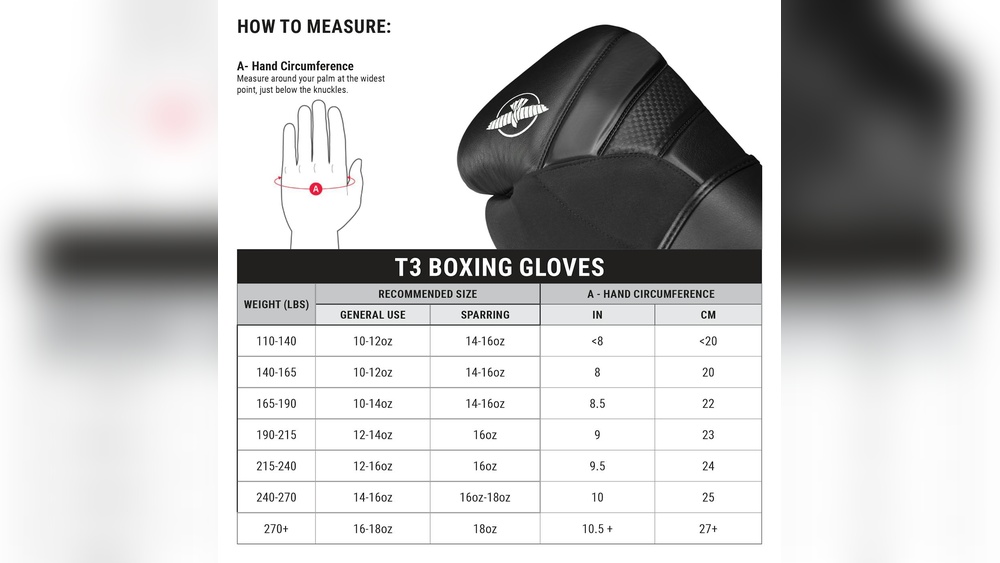
Your hand size affects glove fit and weight. Bigger hands need bigger gloves to fit comfortably. Hand wraps add extra bulk, so consider them when choosing glove size. Gloves that are too tight can cause discomfort and injury. Always try gloves with wraps to ensure a good fit.

Credit: darsalud.com.ve
Common Boxing Glove Weights
Choosing the right boxing gloves depends on your training goals and hand size. Gloves come in different weights. Each weight offers unique benefits for training and protection.
Common glove weights range from 8 oz to 16 oz. These weights affect padding, protection, and glove size. Understanding these options helps you pick the best gloves.
8 Oz Gloves
8 oz gloves are lighter and less padded. They are often used in competitions. These gloves allow faster punches but offer less hand protection. Suitable for fighters with smaller hands or professional boxers.
10 Oz Gloves
10 oz gloves provide a balance between speed and protection. They are common in amateur fights and training sessions. These gloves fit most hand sizes well. Good for sparring with moderate padding.
12 Oz Gloves
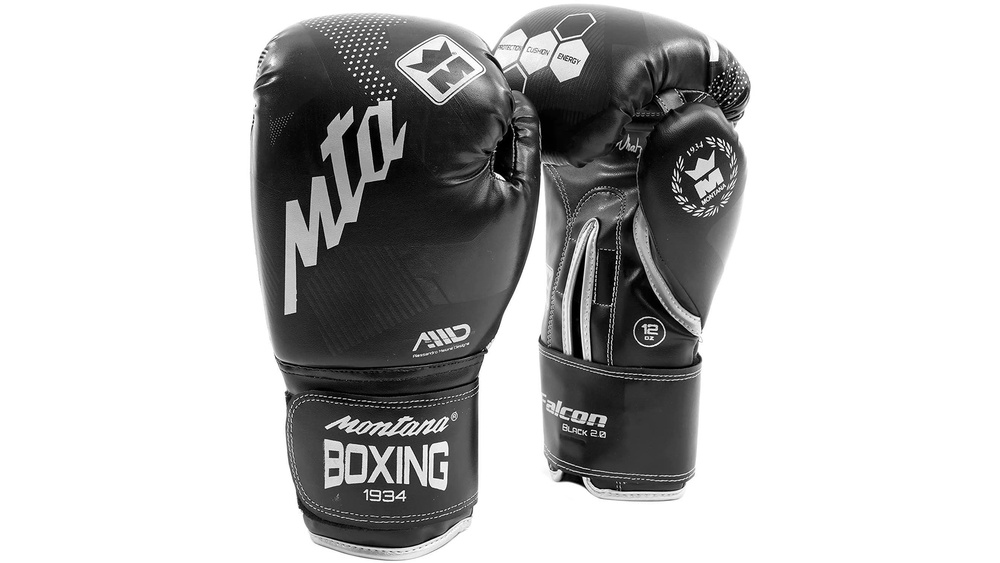
12 oz gloves offer more padding and protection. Ideal for bag work and general training. They help reduce hand and wrist injuries. Suitable for beginners and those with average hand size.
14 Oz Gloves
14 oz gloves provide extra padding for longer training sessions. They protect both the wearer and the opponent during sparring. Popular choice for serious boxers and regular gym users.
16 Oz Gloves
16 oz gloves are the heaviest commonly used gloves. They offer maximum protection and slow down punches. Perfect for intense sparring and conditioning. Recommended for larger hands and advanced training.
Choosing Gloves For Different Training
Choosing the right weight boxing gloves depends on the type of training you plan. Different gloves suit different activities. Using the correct gloves protects your hands and improves your performance. Gloves vary in weight, padding, and design. Each type offers specific benefits for training or fighting.
Bag Work
For bag work, gloves need extra padding to protect your knuckles. Gloves weighing 12 to 16 ounces work well. Heavier gloves offer more cushioning. They help reduce hand pain during heavy punching. Bag gloves should fit snug but allow wrist movement. This helps deliver powerful punches without injury.
Sparring
Sparring requires gloves with good padding for safety. Choose gloves between 14 and 18 ounces. These gloves protect you and your partner from hard hits. They also soften the impact of punches. Sparring gloves are usually larger and cushier. This reduces the chance of injury during practice rounds.
Competition
Competition gloves are lighter and less padded. Most fighters use gloves between 8 and 10 ounces. These gloves allow faster punches and better control. They also meet official competition rules. Competition gloves fit tightly to avoid slipping. This helps fighters maintain good form and speed.
How Glove Weight Affects Performance
Glove weight plays a key role in boxing performance. It changes how fast and powerful your punches feel. Choosing the right weight helps improve your training and fight results. Understanding the effects of glove weight is important for every boxer.
Speed And Agility
Lighter gloves let your hands move faster. They reduce fatigue during quick combinations. Using lighter gloves helps sharpen your reflexes and timing. Fighters often prefer them for speed drills and sparring.
Heavier gloves slow down hand movements. They can make punches feel less sharp. But training with heavier gloves builds muscle strength. This helps increase power in actual fights.
Protection And Safety
Heavier gloves offer more padding and wrist support. They protect your hands and your sparring partner better. This reduces the risk of injury during training sessions. Beginners often start with heavier gloves for safety.
Lighter gloves have less padding. They provide less protection but feel more natural. Experienced boxers may choose them for competition or skill work. Proper hand wraps are essential to prevent injuries.
Endurance
Training with heavier gloves builds arm and shoulder endurance. It forces muscles to work harder and last longer. This helps maintain power and speed in longer rounds. Using heavy gloves during workouts improves stamina.
Lighter gloves are less tiring during long sessions. They allow boxers to focus on technique without getting too tired. Balancing glove weight between training and fighting is important for endurance.
Tips For Proper Glove Fit
Choosing the right boxing gloves is important for comfort and safety. Proper glove fit protects your hands and improves your performance. Follow these tips to find gloves that fit well and feel good.
Good-fitting gloves help avoid injuries and let you train longer. Pay attention to how the gloves feel on your hands and wrists.
Measuring Your Hand
Use a tape measure to find your hand size. Measure around your knuckles with your fingers together. This gives the width of your hand. Compare this number to glove size charts. Knowing your hand size helps pick the right glove weight.
Trying Gloves On
Put on the gloves and close your fist. Gloves should feel snug but not tight. You should move your fingers easily inside. Check the wrist fit. It should be secure but not cut off blood flow. Wear gloves for a few minutes to test comfort.
Considering Hand Wraps
Hand wraps add extra padding and support. They increase the size of your hands. Try gloves on with wraps to see the true fit. Choose gloves that feel right with wraps on. This helps avoid gloves that are too tight or loose.
:format(jpeg)/f/115220/1244x700/b5324542a6/boxing-glove-ounces-explained-youtube-video.jpg)
Credit: blog.joinfightcamp.com
Material And Construction Impact
Choosing the right boxing gloves means understanding their material and construction. These factors affect comfort, durability, and protection during training or fights.
The material determines how gloves feel and last. Construction influences how well gloves protect your hands and wrists.
Leather Vs Synthetic
Leather gloves are strong and last longer. They mold to your hands over time, giving a better fit.
Synthetic gloves cost less and are easier to clean. They suit beginners or those on a budget.
Leather feels softer and breathes better. Synthetic gloves may feel stiff at first.
Padding Types
Foam padding absorbs impact and protects your knuckles. Different foams offer varied levels of softness and firmness.
Gel padding spreads out the force of punches well. It adds extra shock absorption and comfort.
Some gloves combine foam and gel for balanced protection and feel.
Closure Styles
Velcro straps are quick to put on and adjust. They suit training and bag work.
Lace-up gloves give a snug and secure fit. They are common in competitions.
Choosing the right closure style helps keep gloves tight and wrists safe.
Maintaining Your Boxing Gloves
Taking care of your boxing gloves is important to keep them in good shape. Proper maintenance helps your gloves last longer and stay fresh. It also protects your hands during training and fights. Simple steps can keep your gloves clean and strong.
Cleaning Techniques
After each use, wipe the gloves with a clean, dry cloth. This removes sweat and dirt from the surface. Use a damp cloth with mild soap for deeper cleaning. Avoid soaking the gloves in water. Let them air dry in a cool place, away from direct sunlight. Use glove deodorizers or baking soda to reduce bad smells.
Storage Tips
Store gloves in a dry, well-ventilated area. Avoid leaving them in your gym bag for long periods. Keep gloves apart to let air flow inside. Do not crush or fold them. Use a mesh bag to help air circulation. Proper storage prevents mold and bad odors.
When To Replace Gloves
Replace gloves if padding feels thin or hard. Check for tears or broken seams. Gloves that smell bad even after cleaning need replacement. Old gloves lose protection and can cause injury. New gloves keep your hands safe and improve performance.

Credit: www.sietesetenta.com.ar
Frequently Asked Questions
What Weight Gloves Are Best For Beginners?
Beginners should use 12-14 oz gloves for better protection and control. These gloves help develop proper technique and reduce injury risks during training.
How Does Glove Weight Affect Training?
Heavier gloves increase resistance and improve strength, while lighter gloves boost speed and agility. Choose weight based on your training goals.
What Glove Weight Is Ideal For Sparring?
14-16 oz gloves are ideal for sparring. They provide sufficient padding to protect both you and your partner during practice.
Do Heavier Gloves Improve Punching Power?
Heavier gloves build arm strength but don’t directly increase punching power. Training with them enhances endurance and technique over time.
Conclusion
Choosing the right weight for boxing gloves matters a lot. It affects your comfort and training quality. Lighter gloves help speed and technique, while heavier gloves build strength and protect your hands. Always match glove weight to your body size and training needs.
Trying different weights can show what feels best. Remember, the right gloves make your boxing safer and more effective. Keep these tips in mind and enjoy your boxing journey.