Have you ever struggled with a stubborn steel cable bike lock that just won’t budge? Whether you lost the key or need to move your bike urgently, knowing how to break a steel cable bike lock can save you time and frustration.
You’ll discover simple, effective methods to get through tough locks safely and quickly. Keep reading to learn the best tricks and tools that make unlocking your bike hassle-free. Your bike deserves to be free when you need it most.

Credit: www.amazon.com
Types Of Steel Cable Locks
Steel cable bike locks come in different types. Each type has unique designs and ways to secure your bike. Understanding these types helps you know how they work and how strong they are. This knowledge is useful for anyone interested in bike security or bike lock safety.
Some steel cable locks are simple and light. Others are thick and more complex. They use different locking systems, making them easy or hard to open. Let’s look at the common designs and how safe they really are.
Common Designs And Mechanisms
Steel cable locks usually have flexible cables made of twisted steel wires. The cables are coated with plastic to stop rust and scratches. Most locks use a key or combination system to open and close.
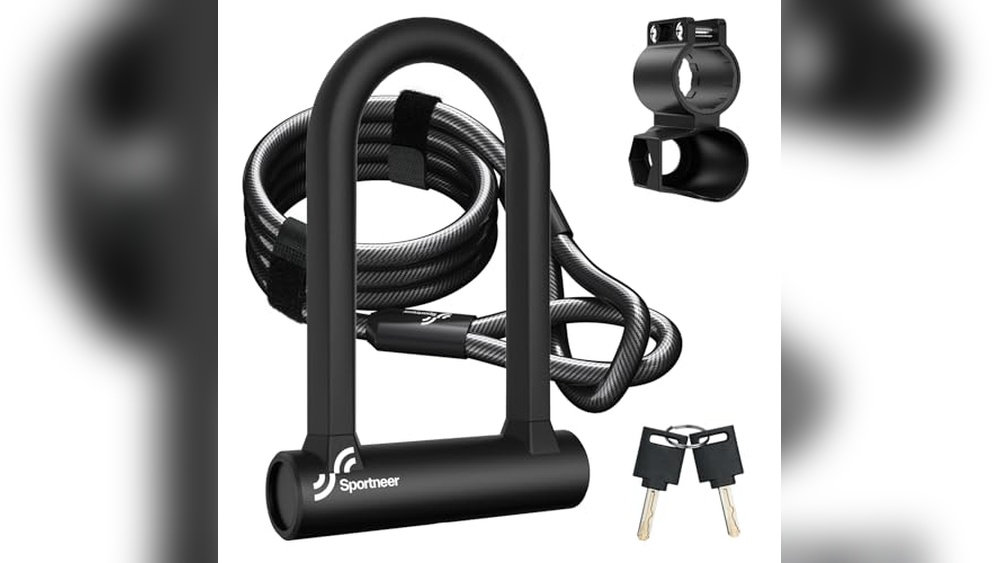
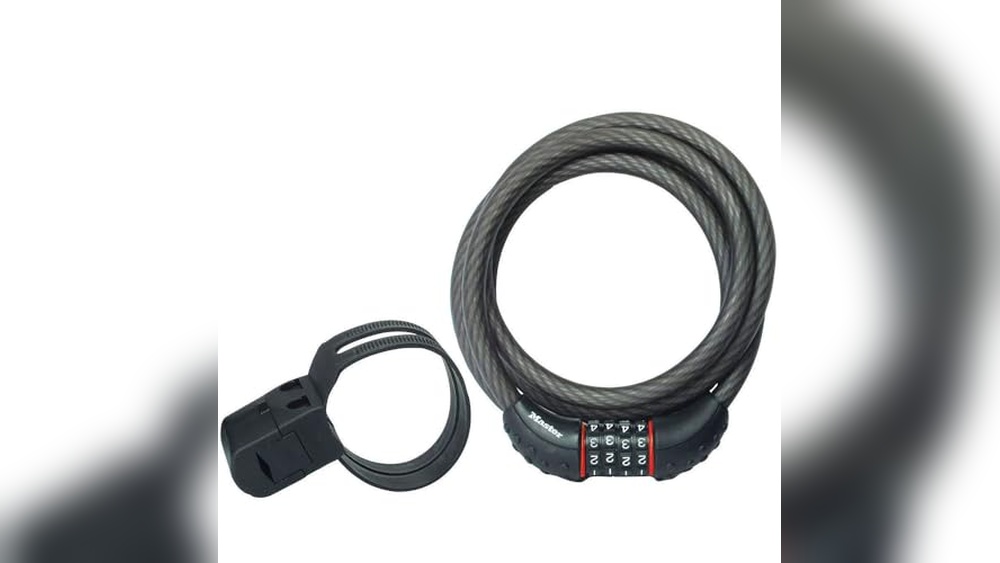
One popular design is the loop cable lock. It forms a circle to wrap around bike parts. Another type is the straight cable with a locking end. Some cables have extra layers of steel for more strength.
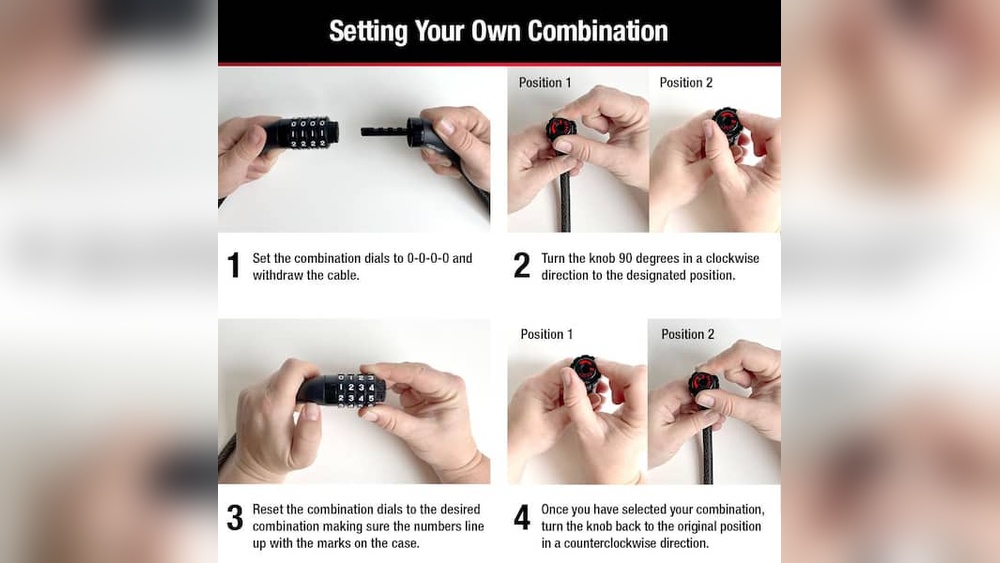
Lock mechanisms vary. Key locks need a physical key to open. Combination locks use numbers or letters. Some locks combine both for better security. Each design aims to balance ease of use with protection.
Security Levels And Vulnerabilities
Not all steel cable locks are equally safe. Thin cables can be cut easily with wire cutters. Thicker cables resist cutting but still can be broken with strong tools.
Lock types also affect security. Simple key locks might be picked by thieves. Combination locks can be guessed or forced open. Locks with poor-quality materials break faster.
Steel cable locks are best for low-risk areas or short stops. For high theft areas, stronger locks like U-locks are better. Knowing the weak points helps choose the right lock for your needs.

Credit: www.amazon.com
Tools For Breaking Steel Cable Locks
Breaking a steel cable bike lock requires specific tools. These tools vary in effort and effectiveness. Knowing which tool to use helps save time and energy.
Some tools cut through the cable. Others use force to break it open. Power tools make the job faster but need care and skill.
Cutting Tools
Cutting tools include wire cutters and bolt cutters. Wire cutters work on thin cables but struggle with thick steel. Bolt cutters are stronger and can cut through thicker cables. Both tools need physical strength and patience to work.
Leveraging Tools
Leveraging tools use force to break the lock. Crowbars and pry bars fit between the lock and bike. Applying pressure can bend or snap the cable. This method takes time and careful positioning.
Power Tools
Power tools like angle grinders and electric saws cut quickly. They can slice through steel cables in seconds. These tools need a power source and safety gear. Using power tools requires caution to avoid injury.
Techniques To Break Cable Locks
Breaking a steel cable bike lock requires specific techniques and tools. These locks are designed to resist simple attacks. Still, understanding their weaknesses can help in cutting through them efficiently. This section explains three common methods used to break cable locks.
Cutting Through The Cable
Steel cables have multiple thin wires twisted together. Using bolt cutters with sharp blades can slice through these wires. The process is slow and needs steady pressure. Target the cable, not the lock mechanism. Cutting near the middle is often easier than near the ends.
Exploiting Lock Weaknesses
Not all parts of a cable lock are equally strong. The locking mechanism often has soft spots. A strong screwdriver or a similar tool can pry or twist the lock open. Hitting the lock with a hammer may loosen internal parts. This method requires patience and careful effort.
Using Leverage To Snap The Lock
Applying force can break weaker parts of the lock. Use a long metal rod or pipe to create leverage. Place it around the lock and push hard. The goal is to bend or snap the cable or lock. This technique works better on older or low-quality locks.
Safety Precautions
Breaking a steel cable bike lock requires care and attention. Safety is the top priority before attempting any action. Ignoring safety can cause serious injury or legal trouble. Follow key safety steps to protect yourself and others.
Protective Gear
Wear gloves to protect your hands from sharp edges. Safety glasses shield your eyes from flying metal pieces. Long sleeves and pants reduce skin exposure to cuts and scrapes. Use sturdy shoes to avoid foot injuries. Always prepare with the right gear.
Legal Considerations
Check local laws before breaking any lock. Destroying property without permission is illegal and punishable. Only attempt on locks you own or have permission to break. Respect others’ property to avoid legal problems. Stay informed to stay safe.
Alternatives To Breaking Locks
Breaking a steel cable bike lock can be tough and may damage your bike or lock. There are safer ways to deal with a locked bike. These alternatives can save your bike without causing harm. They also help you avoid costly repairs or replacements. Below are practical methods to try before breaking the lock.
Picking The Lock
Picking the lock is a skill that can open many locks without damage. It uses small tools like picks or tension wrenches. This method needs patience and practice to succeed. Many bike locks have simple mechanisms that respond well to picking. It is a quiet and less destructive way to access your bike.
Using A Spare Key Or Combination
Sometimes you may have a spare key or remember the combination. Check if you can find the extra key at home or work. For combination locks, try common numbers or previous combinations you used. This method is the easiest and fastest way to open your lock. It avoids any damage and saves time.

Credit: www.youtube.com
Preventing Lock Damage
Preventing damage to your steel cable bike lock helps keep it strong and secure. Proper care stops rust and wear. It also makes the lock last longer. Taking simple steps protects your lock from breaking or failing.
Proper Lock Maintenance
Clean the lock often with a damp cloth. Remove dirt and grime that can cause damage. Use a lubricant on the keyhole and moving parts. This keeps the lock working smoothly. Check the lock for rust and wear regularly. Fix small problems early to avoid bigger damage.
Choosing Stronger Locks
Pick locks made from tough materials like hardened steel. These resist cutting and breaking better. Look for locks with thick cables or chains. Heavy-duty locks provide better protection. Avoid thin or cheap locks that break easily. A stronger lock means better safety for your bike.
Frequently Asked Questions
How Can I Break A Steel Cable Bike Lock Safely?
Use bolt cutters or an angle grinder to cut the steel cable. Always wear safety goggles and gloves to protect yourself from sparks and debris.
What Tools Are Best For Cutting Steel Cable Locks?
Bolt cutters, angle grinders, and hacksaws work well. Bolt cutters offer quick cutting, while grinders handle thicker cables more efficiently.
Is It Legal To Break A Steel Cable Bike Lock?
Only break a lock if you own the bike or have permission. Unauthorized lock breaking is illegal and can lead to criminal charges.
How Long Does It Take To Cut A Steel Cable Lock?
Cutting time varies by tool and cable thickness. Bolt cutters may take a few minutes; grinders are faster but noisier.
Conclusion
Breaking a steel cable bike lock takes patience and the right tools. Always choose safe and legal ways to protect your bike. Knowing how these locks work helps you understand their strengths and weaknesses. Stay aware of your surroundings and lock your bike carefully.
Remember, the best lock is one that keeps your bike safe without damage. Keep practicing safe habits to avoid trouble. Simple steps can make a big difference in bike security. Stay smart and protect your ride every day.