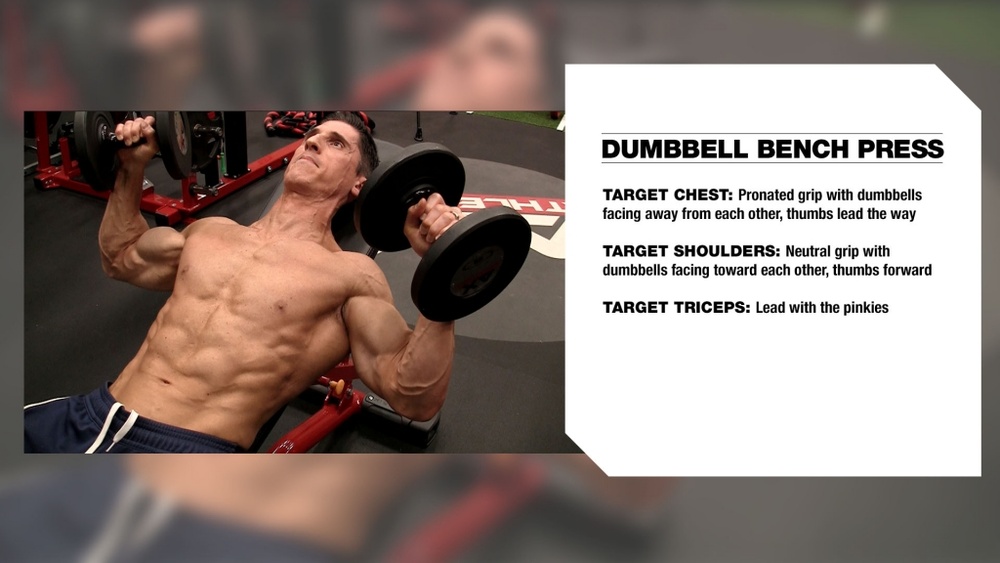
Are you ready to transform your back muscles using just a pair of dumbbells? Building a strong, defined back doesn’t require expensive gym machines or complicated equipment.
With the right moves and simple tools, you can shape your back from the comfort of your home. You’ll discover easy-to-follow exercises that target every part of your back, helping you improve posture, boost strength, and prevent injury. Keep reading, and you’ll learn exactly how to build the back you’ve always wanted—step by step, with dumbbells.
Credit: achostudio.com
Benefits Of Dumbbell Back Training
Dumbbell back training offers many benefits for building a strong and balanced back. Using dumbbells helps target muscles more effectively than some machines or bars. This training style supports natural body movement and reduces injury risk.
With dumbbells, each side of the back works independently. This ensures better muscle development and improves posture. Dumbbell exercises also allow for a greater range of motion, which helps stretch and strengthen muscles deeply.
Besides muscle gains, dumbbell workouts are easy to adjust. They fit into any home or gym routine, making back training simple and flexible for everyone.
Improved Muscle Balance
Dumbbells force each side of your back to work alone. This prevents one side from taking over. Balanced muscles reduce pain and improve how you move every day.
Uneven muscles can cause poor posture and injuries. Dumbbell training fixes these problems by building equal strength on both sides. Your back feels stronger and looks better.
Increased Range Of Motion
Dumbbells let your arms move freely in many directions. This wide movement range stretches your back muscles more than fixed machines. It helps muscles grow stronger and more flexible.
Greater motion means better muscle activation. You reach muscles that do not get worked by machines or bars. This leads to faster progress and better results.
Versatility And Convenience
Dumbbells are easy to use anywhere. You can train at home, gym, or outside. No need for large equipment or special setups.
They come in many sizes for beginners to advanced lifters. You can change weights quickly to match your strength level. Dumbbells fit all workout styles and goals.
Essential Back Muscles To Target
Building a strong back with dumbbells means focusing on key muscles. These muscles support posture, help lift weights, and prevent injuries. Targeting them correctly ensures balanced strength and better performance in daily activities.
Latissimus Dorsi
The latissimus dorsi, or lats, is the largest back muscle. It helps pull your arms down and back. Dumbbell rows and pullovers work this muscle well. Strong lats improve your posture and upper body strength.
Rhomboids
Rhomboids sit between your shoulder blades. They pull the shoulder blades together. This action stabilizes your shoulders during lifting. Dumbbell reverse flies target the rhomboids effectively. Strengthening them reduces shoulder pain and improves posture.
Trapezius
The trapezius covers the upper back and neck. It moves your shoulder blades and supports your neck. Shrugs and upright rows with dumbbells build trapezius strength. A strong trap helps in lifting and carrying heavy objects.
Erector Spinae
The erector spinae runs along your spine. It keeps your back straight and supports bending motions. Dumbbell deadlifts and back extensions strengthen this muscle group. A strong erector spinae prevents back pain and improves stability.
Must-try Dumbbell Exercises
Dumbbells are perfect for building a strong back. They help work many muscles at once. You can do these exercises at home or in the gym. These moves improve strength and posture. They also reduce the risk of injury. Try these simple exercises to shape your back.
Each one targets different muscles. This keeps your workout balanced and effective. Use weights that feel challenging but safe. Focus on form to get the best results.
Single-arm Dumbbell Row
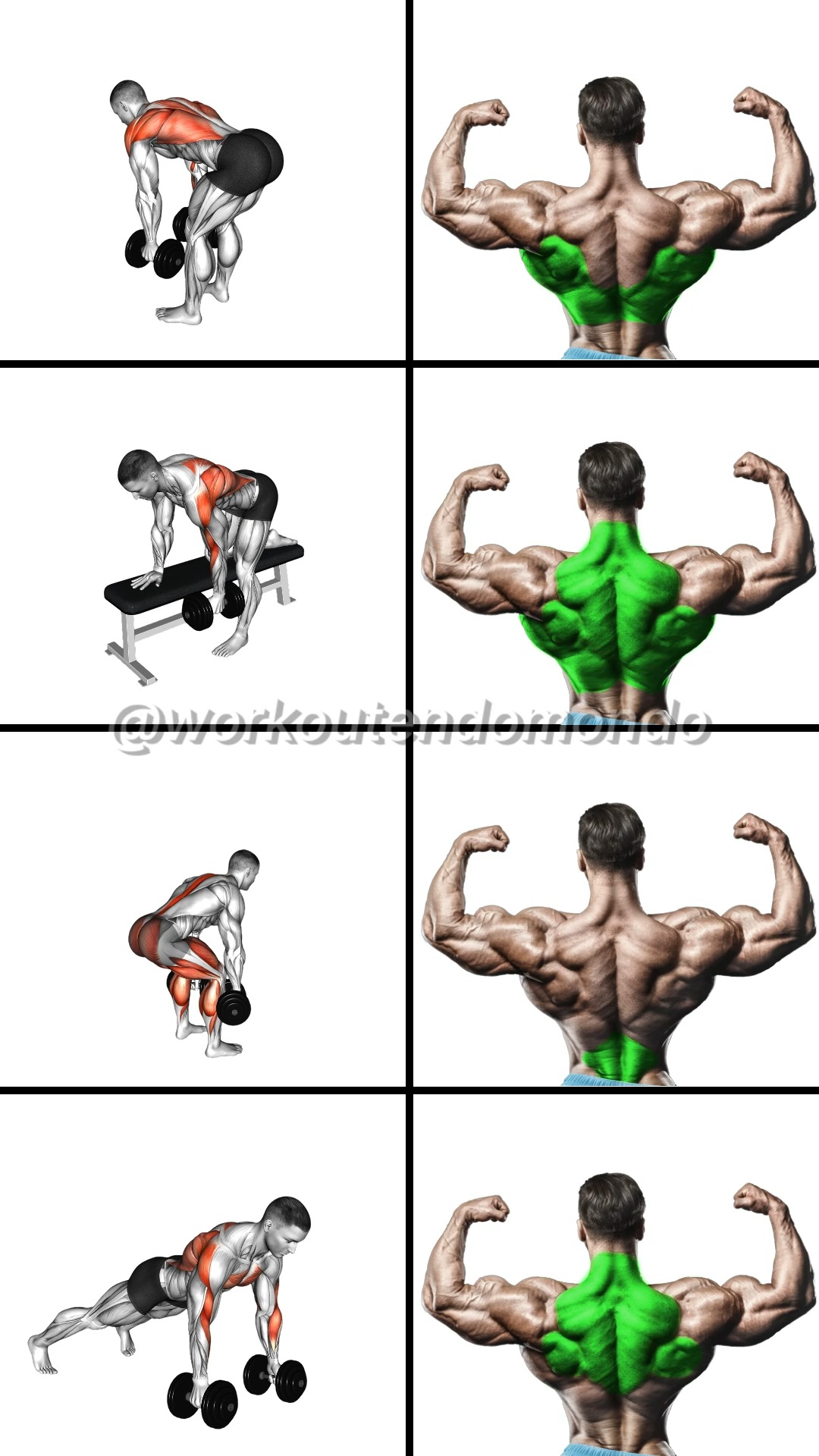
Place one knee and hand on a bench. Hold a dumbbell in the other hand. Pull the dumbbell up toward your chest. Keep your back flat and core tight. Lower the dumbbell slowly. Repeat on the other side. This exercise targets the upper back and lats.
Dumbbell Deadlift
Stand with feet hip-width apart. Hold dumbbells in front of your thighs. Bend at the hips and knees. Keep your back straight as you lower the weights. Stop when dumbbells reach mid-shin. Return to standing by driving hips forward. This move works the lower back and hamstrings.
Renegade Row
Start in a plank position with dumbbells in hands. Row one dumbbell up to your waist. Keep your body steady and hips level. Lower the dumbbell back down. Repeat with the other arm. This exercise strengthens the back and core together.
Reverse Fly
Hold dumbbells with palms facing each other. Bend slightly at the hips. Lift dumbbells out to the sides with elbows bent. Squeeze shoulder blades together at the top. Lower the weights back down. This targets the rear shoulders and upper back muscles.
Proper Form And Technique
Using dumbbells to build your back muscles can be very effective. Proper form and technique help you avoid injuries. It also makes your workout more efficient. Focus on your body position and movement to get the best results.
Maintaining Neutral Spine
Keep your spine in a neutral position during exercises. Avoid rounding or arching your back. This protects your lower back from strain. Imagine a straight line from your head to your hips. Engage your core to support your spine. This keeps your body stable and strong.
Controlled Movement
Move the dumbbells slowly and with control. Avoid using momentum to lift the weights. Focus on the muscles you want to work. Lower the dumbbells gently and steadily. This increases muscle activation and reduces injury risk. Controlled movements build strength better than fast, jerky motions.
Breathing Tips
Breathe properly while lifting dumbbells. Inhale before you start the movement. Exhale as you lift or pull the dumbbells. This helps stabilize your body and improves performance. Do not hold your breath. Steady breathing supports your muscles and keeps your energy up.
Creating An Effective Workout Plan
Creating an effective workout plan is key to building your back with dumbbells. A good plan helps you stay consistent and see real results. It focuses on the right weight, the right number of reps and sets, and enough rest. This guide breaks down these important parts.
Follow these steps to make your workouts safe and efficient. Your back muscles will grow stronger over time with steady effort and smart training.
Choosing The Right Weight
Pick dumbbells that challenge your muscles but do not cause pain. Start with lighter weights to learn proper form. Gradually increase the weight as you get stronger. Using too heavy weights can lead to injury. The right weight lets you complete all reps with good control.
Reps And Sets For Strength
For building back strength, aim for 8 to 12 reps per set. Perform 3 to 4 sets for each exercise. Keep your movements slow and steady for better muscle engagement. Rest briefly between sets to keep your energy up. Consistent reps and sets help muscles grow bigger and stronger.
Rest And Recovery
Muscles grow during rest, not just during workouts. Allow 48 hours of rest between back workouts. Get enough sleep to support muscle repair. Avoid overtraining, which can cause fatigue and injury. Proper rest keeps your progress steady and your body healthy.
Common Mistakes To Avoid
Building your back with dumbbells is effective if done correctly. Avoiding common mistakes helps you gain strength and prevent injuries. Many people make simple errors that slow progress or cause pain. Focus on proper form and preparation for the best results.
Using Too Much Weight
Choosing heavy dumbbells can lead to poor form. Struggling to lift weights puts strain on muscles and joints. Start with light weights and increase gradually. Controlled movements build muscle better than heavy, shaky lifts.
Poor Posture
Bad posture reduces exercise benefits and risks injury. Keep your back straight and shoulders down. Avoid rounding your spine during lifts. Proper posture targets the right muscles and protects your body.
Neglecting Warm-up
Skipping warm-up increases injury chances. Warm muscles move better and handle stress well. Spend 5-10 minutes on light cardio or dynamic stretches. Prepare your body before lifting dumbbells for safer workouts.
Progress Tracking And Adjustments
Tracking your progress and making adjustments is key to building a stronger back with dumbbells. It helps you see improvements and avoid plateaus. Without tracking, you may miss signs that you need to change your routine. Simple tracking methods keep you motivated and on the right path.
Recording Workouts
Write down the exercises you do and the weights used. Note the number of sets and reps for each move. Track how you feel during and after your workout. This record shows your gains and highlights areas to improve. Use a notebook or a phone app for easy access.
Increasing Intensity
Gradually lift heavier dumbbells to challenge your muscles. Add more sets or reps over time to boost strength. Small increases prevent injuries and help steady progress. Change exercises to target different back muscles. Keep your workouts fresh and effective.
Listening To Your Body
Pay attention to pain or discomfort during exercises. Rest if you feel sharp pain or unusual fatigue. Adjust the weight or reps if you struggle to maintain form. Recovery days are important for muscle growth. Your body signals when to push harder or slow down.

Credit: www.youtube.com
Supplementary Tips For Back Strength
Building back strength with dumbbells needs more than just lifting weights. Supporting your workout with good habits improves results. Focus on nutrition, cardio, and stretching. These help muscles grow and stay healthy.
Nutrition For Muscle Growth
Muscles need fuel to grow. Eat protein-rich foods like chicken, fish, eggs, and beans. Protein repairs and builds muscle fibers. Include vegetables and fruits for vitamins. Drink plenty of water to stay hydrated. Avoid junk food and sugary drinks. Balanced meals support stronger muscles and faster recovery.
Incorporating Cardio
Cardio helps improve blood flow to muscles. This delivers oxygen and nutrients for repair. Choose moderate activities like walking, cycling, or swimming. Do cardio 2-3 times a week. It also helps reduce body fat. Leaner muscles show better definition and strength.
Stretching And Mobility
Stretching keeps muscles flexible and reduces injury risk. Spend a few minutes stretching after each workout. Focus on your back, shoulders, and arms. Mobility exercises improve joint movement. Use slow, controlled stretches to increase range of motion. This helps you lift dumbbells with better form and less pain.

Credit: www.flumidieselbosch.com.br
Frequently Asked Questions
What Are The Best Dumbbell Exercises For Back Muscles?
Effective dumbbell exercises include rows, deadlifts, reverse flyes, and shrugs. These target upper, middle, and lower back muscles to build strength and definition.
How Often Should I Train My Back With Dumbbells?
Train your back 2-3 times per week with at least one rest day in between. This allows muscles to recover and grow efficiently.
Can Dumbbells Replace Barbells For Back Workouts?
Yes, dumbbells offer greater range of motion and balance training. They effectively build back muscles when used with proper form and progressive overload.
How Many Sets And Reps Are Ideal For Back Growth?
Aim for 3-4 sets of 8-12 reps per exercise. This range maximizes muscle hypertrophy and endurance for back strength.
Conclusion
Building a strong back with dumbbells takes time and effort. Start with the right exercises and focus on form. Use weights that challenge you but do not cause pain. Consistency matters more than lifting heavy every day. Rest your muscles to help them grow and recover.
Track your progress to stay motivated and see results. Keep your routine simple and steady for the best outcome. Strong back muscles improve posture and reduce pain. Stay patient and enjoy the process of getting stronger.