You’ve invested time and effort into your bike, so keeping it safe should be your top priority. But how do you carry a lock without making your ride bulky or uncomfortable?
You want something easy to grab, yet sturdy enough to protect your bike from theft. You’ll discover simple, practical ways to carry a lock on your bike that fit your style and keep your peace of mind. Keep reading to learn how to make your bike security hassle-free and smart.
Choosing The Right Lock
Choosing the right lock for your bike is very important. A good lock protects your bike from theft. It must be strong, easy to carry, and fit your needs. Understanding different types of locks helps you pick the best one. Consider lock strength and how easy it is to carry on your rides. This guide explains key points to help you choose a lock that works well.
Types Of Bike Locks
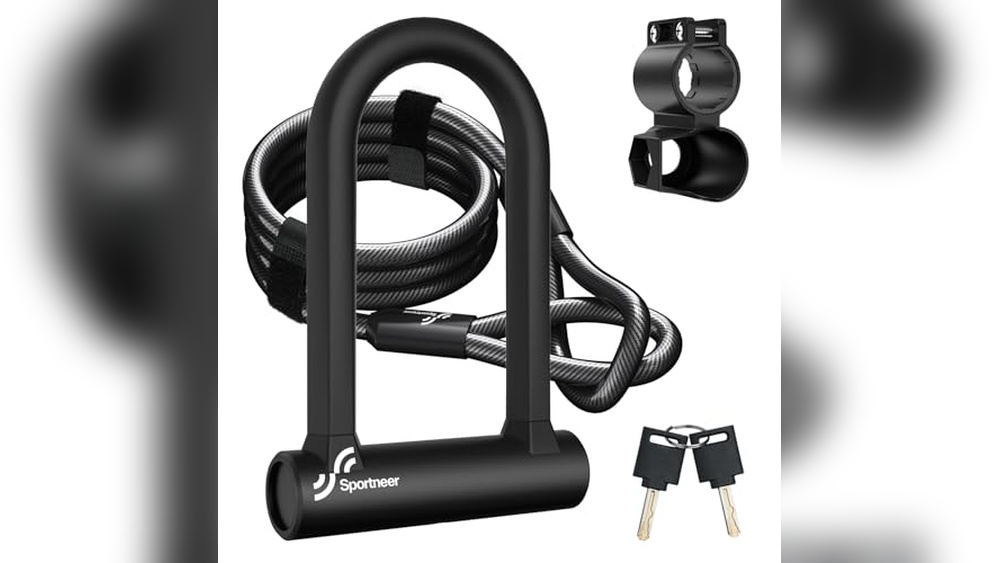
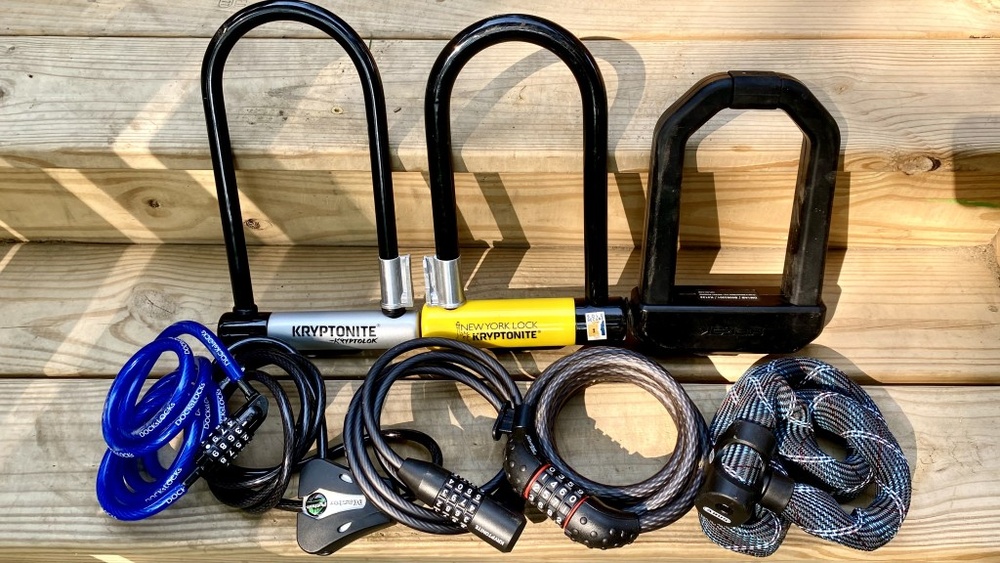
There are several types of bike locks. U-locks are shaped like a “U” and are very tough. Cable locks use flexible steel cables wrapped in plastic. Chain locks have heavy metal links. Folding locks fold into a small shape for easy carrying. Each type has different strength and weight. Choose the type that matches your security needs and bike style.
Lock Strength And Security
Strong locks stop most thieves. U-locks and heavy chains offer high security. Thin cables are easier to cut. Look for locks made with hardened steel. Check the lock’s rating or reviews for strength. A good lock keeps your bike safe in public places. Strong locks weigh more but provide better protection.
Portability Considerations
Carrying your lock should be simple. Large locks can be hard to carry on long rides. Folding locks are light and fit in a bag or on the bike frame. Some locks come with mounts that attach to the bike. Think about how you will carry the lock every day. Balance between security and ease of carrying.

Credit: www.youtube.com
Safe Lock Placement
Safe lock placement is key to carrying your bike lock without trouble. Proper placement keeps the lock secure and your bike frame safe. It also makes the lock easy to reach when needed.
Choosing the right spot on your bike helps avoid damage and makes carrying lighter. Let’s explore simple ways to carry your lock safely and smartly.
Attaching Locks To Your Bike
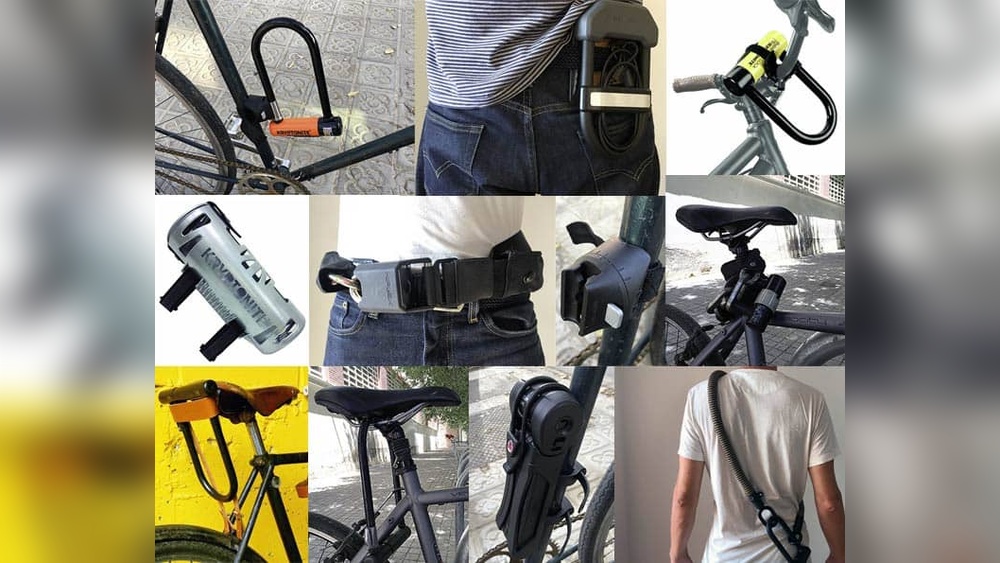
Use the frame’s built-in mounts if available. Many bikes have mounts for locks or water bottles. Secure the lock tightly to avoid rattling or falling off. If no mounts exist, use a sturdy strap or lock holder. Attach the lock to the frame’s triangle or under the seat. These spots keep the lock stable and out of the way.
Avoiding Damage To Your Frame
Lock contact can scratch or wear paint. Wrap the lock with a soft cloth or use a padded holder. Avoid tight straps that press hard on the frame. Check the lock position regularly for rubbing or marks. Keep metal parts from hitting delicate frame areas. Proper padding prevents long-term damage.
Quick Access Tips
Place the lock where you can grab it fast. The top tube or under the seat are good spots. Avoid placing the lock where it blocks pedals or wheels. Make sure the lock does not shift while riding. Practice taking the lock off quickly before you ride out.
Locking Techniques
Locking techniques protect your bike from theft. Using the right method keeps your bike safe. Learn to lock your bike smartly for better security.
Securing The Frame And Wheels
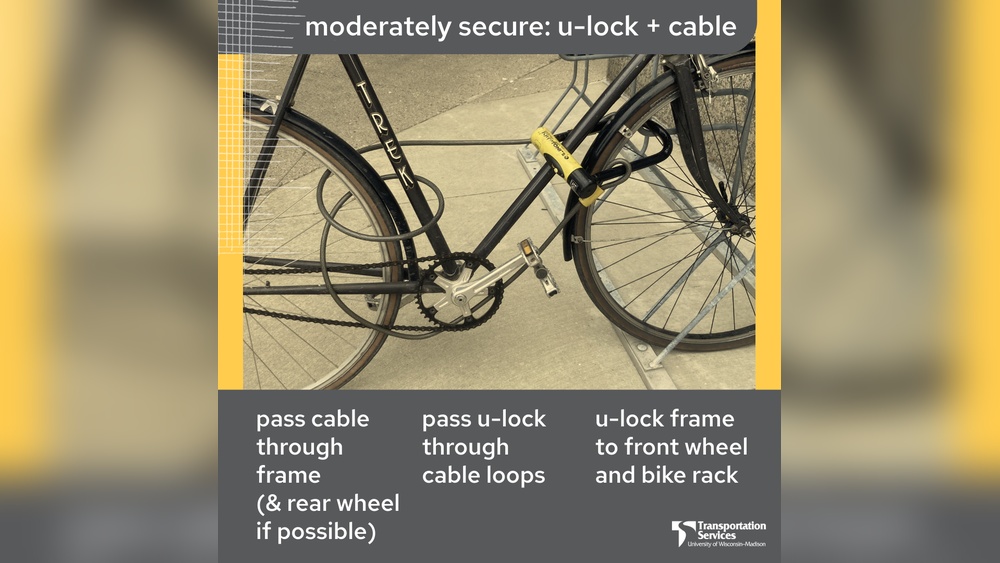
Always lock the frame first. The frame is the strongest part of your bike. Attach the lock through the frame and a wheel. This stops thieves from taking parts separately. Lock both wheels if possible. Use a cable or chain lock for the second wheel.
Using Fixed Objects
Choose a solid, immovable object to lock your bike. A bike rack or metal pole works well. The object should be fixed firmly to the ground. Avoid thin or weak objects that can break. Lock the frame and wheels to this object. This prevents the bike from being carried away.
Double Locking Strategies
Use two locks for extra protection. A U-lock and a cable lock work best together. Lock the frame with the U-lock. Use the cable lock for the wheels or seat. Double locking takes more time for thieves. It lowers the chances of theft significantly.

Credit: kdfoundation.org
Carrying Methods On Your Body
Carrying a bike lock on your body is a smart way to keep it safe and ready. It frees your hands and makes sure the lock stays with you. Different methods suit different riders and locks. Finding the right fit helps you ride without trouble.
Here are some easy ways to carry your lock on your body. Each option balances safety, comfort, and ease.
Using Backpacks And Bags
Backpacks and bags offer a simple way to carry a bike lock. Place the lock inside a secure pocket or main compartment. This keeps the lock hidden and safe from rain. Choose bags with padded straps for more comfort. Bags also hold other items, making them useful for longer rides. Avoid loose locks that can damage the bag or cause noise.
Belt And Strap Options
Belts and straps provide a hands-free way to carry your lock. Wrap the lock around your waist or thigh using a strong strap. Some locks come with special straps for easy attachment. This method keeps the lock close and easy to reach. It works well for smaller or lighter locks. Make sure the strap fits well to avoid slipping or discomfort.
Comfort And Convenience
Comfort matters when carrying a lock on your body. Choose soft materials that do not dig into your skin. Adjust straps to fit snugly but not too tight. Keep the lock balanced to avoid strain during rides. Test each method with short trips to find what feels best. Convenience means the lock should be quick to grab and use. This helps you lock your bike fast and get going again.
Additional Security Tips
Carrying a lock is important, but extra steps improve your bike’s safety. These simple tips add layers of protection. They help keep your bike safe in many situations.
These methods work well with a strong lock. Use them to lower the risk of theft and increase the chance of recovery.
Using Gps Trackers
GPS trackers help you find your bike if stolen. Small devices fit under the seat or frame. They send real-time location to your phone. This makes it easier to track your bike fast. Some trackers also alert you if your bike moves unexpectedly.
Registering Your Bike
Registering your bike creates a record of ownership. Use online databases or local police services. This helps prove your bike belongs to you. It also helps police return your bike if found. Registration often includes a unique ID number to link to your bike.
Insurance Options
Bike insurance protects your investment against theft or damage. Policies vary; some cover accidents or loss. Choose a plan that fits your needs and budget. Keep a copy of your receipt and photos of your bike. This speeds up claims and helps prove ownership.

Credit: www.reddit.com
Frequently Asked Questions
What Are The Best Ways To Carry A Bike Lock?
The best ways include using a lock holder, backpack, or attaching it to the frame. These methods keep your lock secure and accessible during rides. Choose based on lock size and convenience to ensure safe transport without affecting bike balance.
Can I Carry A Heavy Lock On My Bike Frame?
Yes, but it depends on your frame design. Use sturdy lock mounts or carriers to prevent damage. Avoid placing heavy locks on delicate parts, as it may cause wear or imbalance while riding.
How To Carry A Lock Without A Dedicated Holder?
Use a backpack, pannier, or strap the lock to your bike frame with velcro or bungee cords. Ensure it’s tightly secured to avoid movement and noise during rides. This method is flexible but may be less convenient than holders.
Is It Safe To Carry A Lock On Handlebars?
Carrying a lock on handlebars is possible but not recommended. It can affect steering control and cause discomfort. Use frame mounts or backpacks for safer, more balanced lock transport.
Conclusion
Carrying a lock on your bike keeps it safe and secure. Choose a lock that fits your bike and your needs. Attach it where it won’t get in your way. Practice locking and unlocking before you ride. This helps save time and effort later.
Always lock your bike, even for short stops. Small habits protect your bike every day. Stay safe and enjoy your rides worry-free.