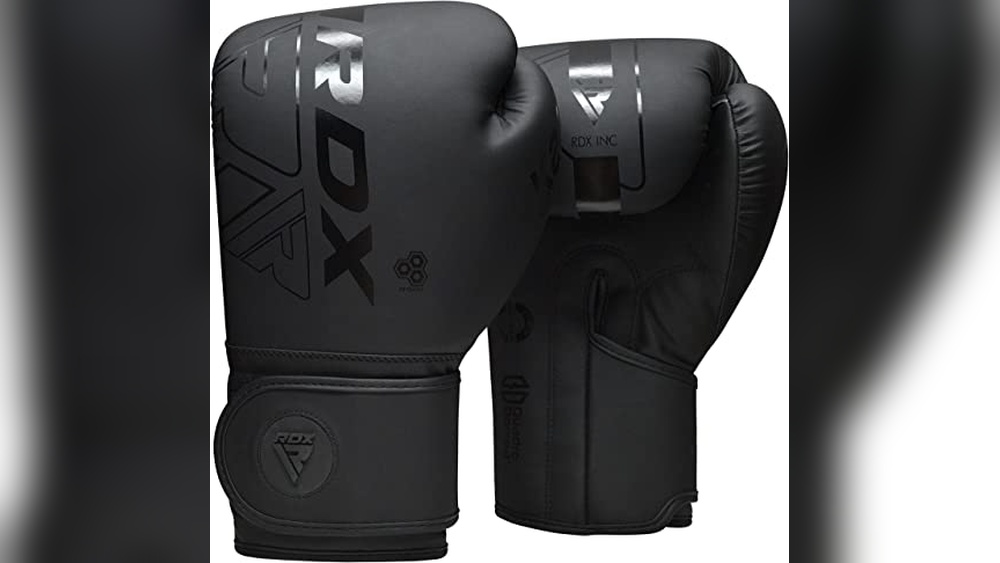
Choosing the right boxing gloves can feel overwhelming when you’re just starting out. But getting this one piece of gear right is crucial—not just for your comfort, but to protect your hands and improve your training.
You want gloves that fit well, offer good protection, and suit your specific needs. In this guide, you’ll discover simple tips to pick the perfect boxing gloves for beginners. By the end, you’ll know exactly what to look for, so you can train safely and confidently from day one.
Keep reading, because your ideal gloves are just a few steps away!
Boxing Glove Weights
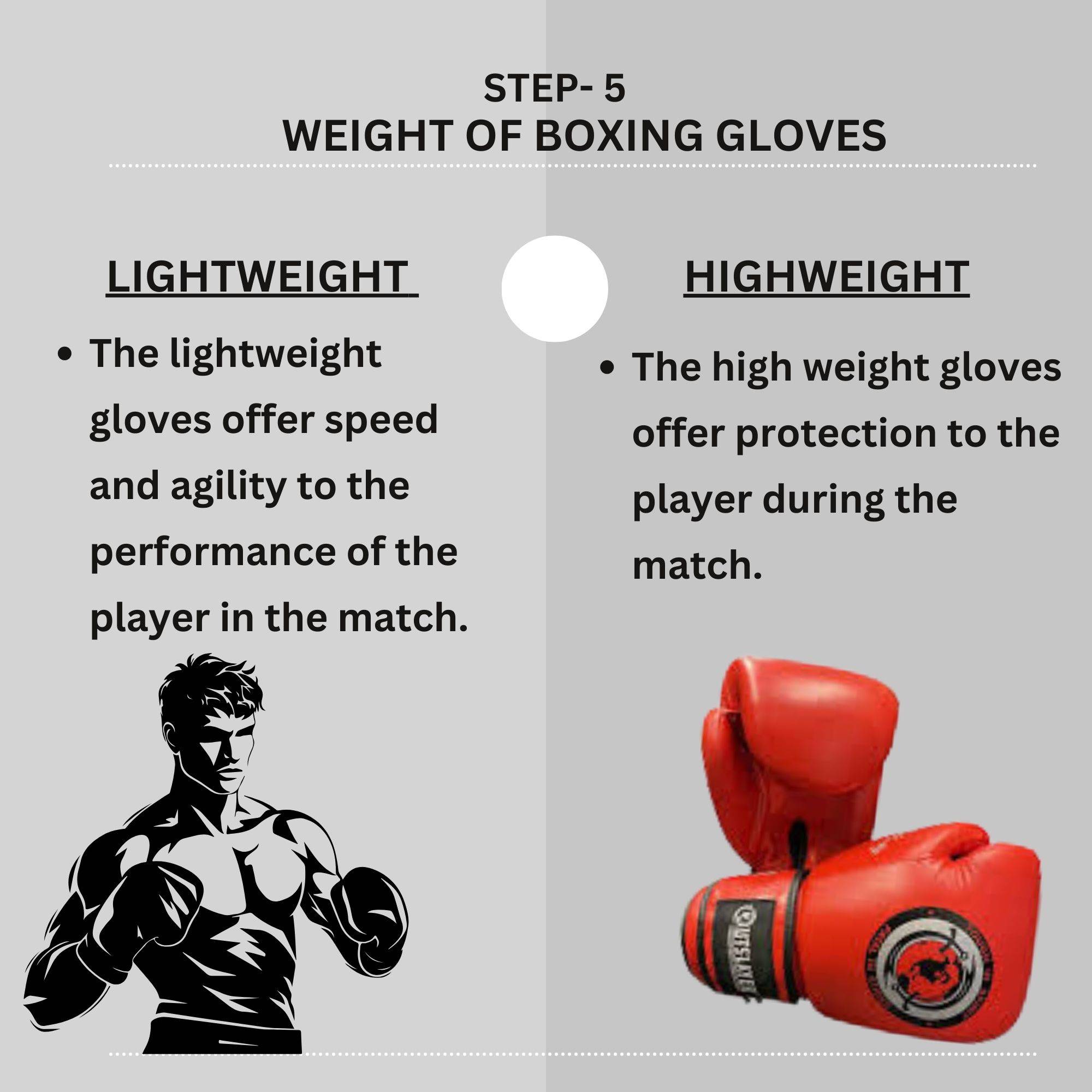
Boxing glove weights play a key role in training and safety. Gloves come in different weights, measured in ounces (oz). The weight affects protection, comfort, and speed during workouts. For beginners, choosing the right glove weight helps improve technique and avoid injuries. Lighter gloves offer more speed, while heavier gloves provide better padding.
Choosing Glove Weight By Training
Training type guides glove weight choice. For bag work, gloves usually weigh 12 to 16 oz. These gloves protect hands from impact. For sparring, heavier gloves around 16 to 18 oz help protect both you and your partner. Heavier gloves reduce the force of punches. For fitness or cardio boxing, lighter gloves of 10 to 12 oz help keep your hands agile.
Matching Weight To Body Size
Your body weight affects glove weight selection. People under 120 pounds should use gloves weighing 10 to 12 oz. For those between 120 and 150 pounds, 12 to 14 oz gloves work well. Boxers over 150 pounds benefit from 14 to 16 oz gloves. Using the right size helps balance protection and comfort. Gloves too heavy slow down punches. Gloves too light may not protect enough.
Protection And Safety
Choosing the right boxing gloves is key to keeping your hands safe. Protection and safety are the top priorities for beginners. Gloves must shield your knuckles and support your wrists well. Proper protection reduces the risk of injuries during training and sparring. Always pick gloves that offer solid padding and a secure fit. This helps you train longer and with more confidence.
Knuckle And Wrist Support
Knuckle protection is vital because your fists take the most impact. Look for gloves with thick padding over the knuckles. This padding absorbs shock and prevents bruises or fractures. Wrist support keeps your wrist stable to avoid sprains. Gloves with a wide, strong wrist strap help lock your wrist in place. This support also stops the glove from slipping during punches. Both knuckle and wrist protection work together to keep your hands safe.
Importance Of Hand Wraps
Hand wraps add another layer of protection under your gloves. They hold your bones and tendons firmly in place. Wraps also cushion your knuckles and support your wrists. Using wraps lowers the chance of cuts, bruises, and sprains. Always wrap your hands properly before putting on gloves. Even the best gloves need hand wraps to give full protection. Make wrapping your hands a regular part of your training routine.
Glove Materials
Choosing the right material for boxing gloves is important for beginners. The material affects comfort, durability, and price. Understanding the differences helps pick gloves that suit your needs.
Leather Vs Synthetic Options
Leather gloves usually cost more but offer better quality. They feel soft and last longer. Leather adapts to the shape of your hands over time.
Synthetic gloves are affordable and lighter. They come in many styles and colors. Some synthetics imitate leather well but may wear out faster.
Durability And Comfort
Leather gloves resist wear and tear better than synthetics. They keep their shape even after many training sessions. This makes them a good choice for regular use.
Synthetic gloves may feel stiff at first. They can cause sweating and discomfort if not well-ventilated. Beginners who train occasionally might prefer synthetics for budget reasons.
Closure Types
Choosing the right closure type is important for beginner boxing gloves. It affects comfort, support, and ease of use. There are two main closure types: Velcro and lace-up. Each offers different benefits. Understanding these can help you make a better choice for training and sparring.
Velcro For Convenience
Velcro closures are very popular among beginners. They allow quick and easy putting on and taking off of gloves. This saves time, especially during training sessions. Velcro straps also provide good wrist support. They adjust easily to fit different wrist sizes. This type suits those who train alone or want fast glove changes.
Lace-up For Secure Fit
Lace-up gloves offer a very secure and snug fit. The laces allow you to tighten the glove evenly around the wrist and hand. This gives excellent wrist stability during punches. Lace-up gloves require help to put on and take off. They are often preferred in professional settings or serious training. Beginners can use lace-ups if they want maximum support and don’t mind extra effort.
Sizing Tips
Choosing the right size boxing gloves is key for comfort and safety. Gloves that fit well protect your hands and wrists during training. Poorly sized gloves can cause discomfort or injury. Focus on fit details to find the best gloves for your needs.
Ensuring Snug Fit
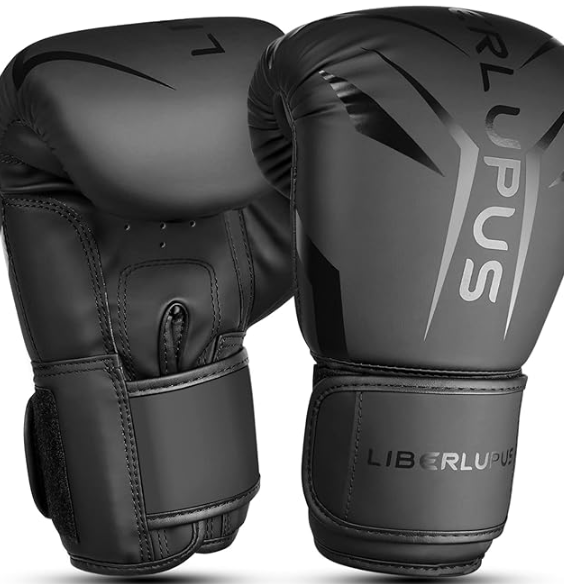
Boxing gloves should fit snugly without being too tight. Your fingers should move slightly inside the glove. Avoid gloves that feel loose or baggy. A tight fit keeps your hand stable and prevents shifting during punches. Try gloves on with hand wraps for a more accurate fit.
Aligning Wrist And Knuckles
Proper alignment of your wrist and knuckles reduces injury risk. Your knuckles should sit correctly inside the glove padding. The wrist strap must support your wrist firmly. This alignment helps absorb impact and keeps your wrist steady. Check for comfort and support before buying gloves.
Credit: absolutemma.com
Recommended Gloves For Beginners
Choosing the right boxing gloves is crucial for beginners. The right gloves protect your hands and wrists. They also improve your comfort and performance during training. Beginners should focus on gloves that offer good protection, fit well, and suit their budget. Below are some recommended gloves categorized by price and quality to help start your boxing journey.
Affordable Entry-level Gloves
Entry-level gloves are perfect for beginners who want to try boxing without spending much. These gloves often use synthetic leather, which is durable and cost-effective. They provide basic wrist support and padding for knuckle protection. Brands like Sanabul and Venum offer affordable gloves that meet beginner needs. These gloves work well for bag work and light sparring.
Mid-range Quality Options
Mid-range gloves offer better materials and enhanced protection. They typically use genuine leather or high-quality synthetic leather. These gloves have improved padding and wrist support for more comfort. Everlast and Ringside produce reliable mid-range gloves. These options suit beginners who train regularly and want gloves that last longer. They provide great value without a high price tag.
Top Brands To Consider
Trusted brands ensure consistent quality and safety. Everlast is popular among beginners for its range of sizes and styles. Sanabul offers lightweight gloves with gel padding for extra shock absorption. Venum focuses on durability and ergonomic design. Choosing gloves from these brands helps beginners avoid injury and boost confidence. These brands also offer gloves for different training types.
Gym Requirements
Choosing the right boxing gloves involves understanding your gym’s rules and preferences. Every gym has specific requirements to keep training safe and effective. Knowing these rules helps you select gloves that meet standards and fit your training style.
Gym requirements often include glove weight, material, and closure type. Following these rules ensures you can train without issues and join group sessions easily. It also protects your hands and your training partners.
Following Gym Guidelines
Gyms usually provide clear guidelines for glove selection. These include recommended glove weights for different training types. For example, sparring may require heavier gloves than bag work.
Some gyms only allow gloves with Velcro closures for easy removal. Others might require genuine leather gloves for durability. Always check with your gym before buying gloves.
Ignoring gym rules can lead to denied access or injury. Following guidelines shows respect for the gym and fellow boxers. It helps create a safe and fair training environment.
Trying Gloves Before Buying
Trying gloves on is vital. It helps you find a pair that fits snugly but is not too tight. Poor fit can cause discomfort and injuries.
Visit a store to test different glove sizes and brands. Check the glove’s padding and wrist support. Make sure you can move your fingers freely inside.
Try gloves with hand wraps on to simulate real training conditions. Feel how the gloves protect your knuckles and wrists. Buying gloves without trying them can lead to wasted money and poor performance.
:format(png)/f/115220/1244x700/39bf380821/choose_the_right_gloves_youtube_video.png)
Credit: blog.joinfightcamp.com
Additional Gear For Beginners
Choosing the right boxing gloves is just the first step for beginners. Other gear plays a key role in training safely and effectively. Additional equipment protects your hands and body. It also adds comfort and support. Beginners should invest in the right accessories to avoid injuries and improve performance.
Hand Wraps
Hand wraps provide extra support for your wrists and knuckles. They help keep your bones and joints aligned during punches. Wraps absorb sweat and reduce glove wear. Using hand wraps prevents common injuries like sprains and fractures. Beginners should learn the correct wrapping technique. Many gyms offer guidance or tutorials to help you wrap properly.
Protective Accessories
Protective gear shields sensitive areas from impact and strain. Mouthguards protect teeth and jaws from accidental hits. Headgear reduces the risk of cuts and bruises during sparring sessions. Groin protectors guard against low blows. Shin guards may be necessary for some training styles. These accessories improve safety and confidence in the ring. Always choose gear that fits well and feels comfortable.
Credit: www.khelmart.com
Frequently Asked Questions
What Kind Of Boxing Gloves Should I Get As A Beginner?
Choose gloves with 12-16 oz weight for good protection and comfort. Opt for Velcro closure for easy use. Genuine or synthetic leather works well. Ensure a snug fit and use hand wraps for extra support. Brands like Sanabul, Everlast, and Ringside offer great beginner options.
Should Beginners Use 14 Or 16 Oz Gloves?
Beginners should choose 14 oz gloves for general training and 16 oz gloves for added protection during sparring. Both offer good wrist support.
How Do I Know What Boxing Gloves I Need?
Choose boxing gloves based on your weight, training type, and comfort. Prioritize good wrist support and proper fit. Select 12-16 oz gloves for general training. Opt for Velcro closures for easy use. Use hand wraps for added protection. Check gym recommendations before buying.
How Heavy Should Beginner Boxing Gloves Be?
Beginner boxing gloves should weigh between 12 to 16 ounces for proper hand protection and comfort during training. Choose 12 oz for lighter training and 16 oz for sparring to ensure safety and effective practice.
Conclusion
Choosing the right boxing gloves sets a strong foundation for your training. Focus on fit, weight, and protection to keep your hands safe. Velcro closures offer ease for beginners. Don’t forget to use hand wraps for extra support. Listen to your gym’s advice on glove types and sizes.
Start with gloves that feel comfortable and secure. Good gloves help you train longer and avoid injuries. Take your time to pick gloves that suit your needs. Enjoy your boxing journey with confidence and safety.