Choosing the right size boxing gloves is more than just picking what looks good on the shelf. The gloves you wear affect your comfort, protection, and performance every time you step into the ring or hit the bag.
If your gloves are too small, your hands might feel cramped and sore. Too big, and you could lose control and speed. You want gloves that fit perfectly, supporting your training and keeping you safe. You’ll discover simple, practical steps to find the ideal glove size for your hand and workout style.
Keep reading to make sure your gloves help you train smarter and fight harder.
Boxing Glove Sizes
Boxing gloves come in different sizes and weights. Choosing the right size is key for comfort and safety. Gloves that fit well protect your hands and help your performance. Understanding glove sizes helps you pick gloves that suit your needs.
Boxing gloves are measured by weight in ounces (oz). This weight relates to the glove’s size and padding. Different weights serve different purposes like training, sparring, or competition.
Weight Vs Size
Glove weight often matches glove size, but they mean different things. Size refers to how the glove fits your hand. Weight shows how heavy the glove is, which affects padding and protection. Heavier gloves have more padding, making them larger and safer for training.
Common Glove Weights
Boxing gloves usually range from 8 oz to 20 oz. 8 oz or 10 oz gloves are smaller and lighter, great for competition. 12 oz to 16 oz gloves are common for training and sparring. Larger gloves, like 18 oz or 20 oz, offer more padding for safety during heavy bag work or long sessions.
How Weight Affects Use
Lighter gloves let you punch faster and improve hand speed. They have less padding, so they are better for fights, not heavy training. Heavier gloves slow punches but give better wrist and hand protection. They help build strength and endurance during workouts. Choosing the right weight balances speed, protection, and training goals.

Credit: www.smai.com
Measuring Your Hand
Measuring your hand is the first step to choosing the right boxing gloves. Accurate measurement ensures the gloves fit well and protect your hands. It also improves your comfort and performance during training or fights.
Use a flexible tape measure for best results. Measure your dominant hand, the one you use most often. This simple step guides you to the perfect glove size.
Hand Circumference Guide
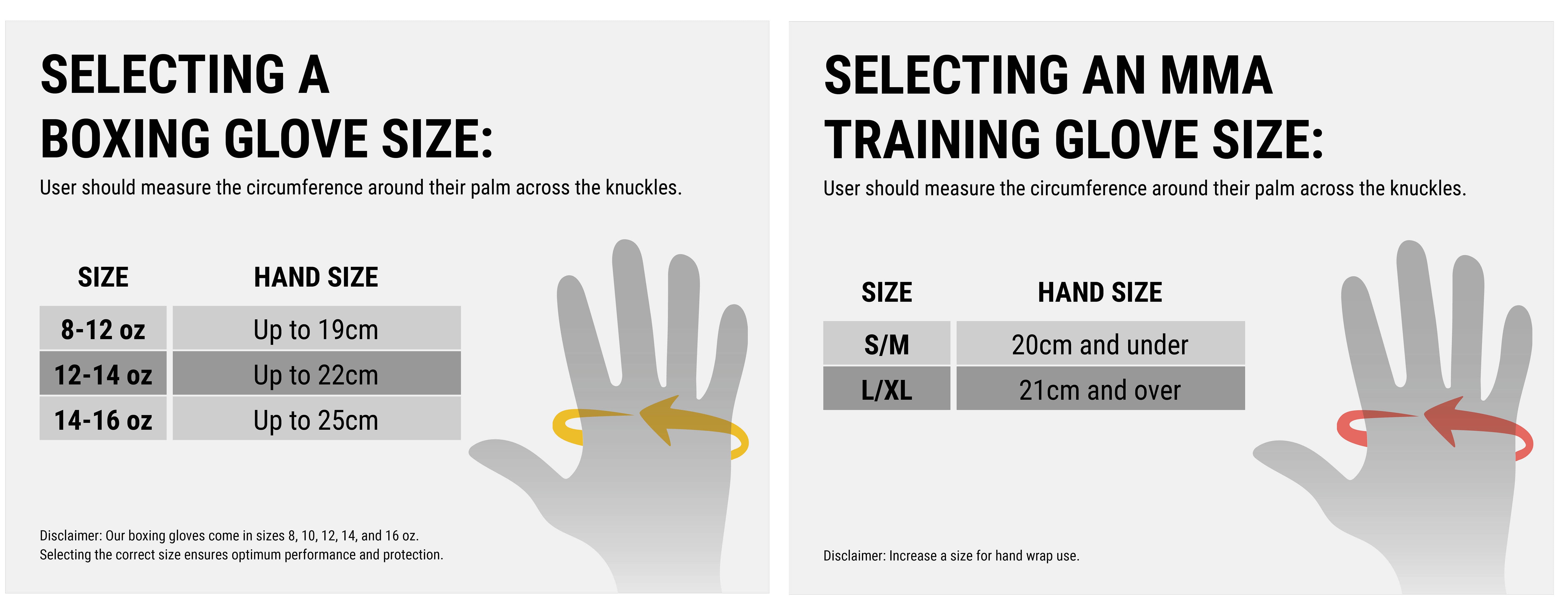
Wrap the tape measure around your hand’s widest part. This is usually across the knuckles, excluding the thumb. Keep your fingers together and measure snugly, not too tight or loose. Note the number in inches or centimeters. This is your hand circumference.
Different glove sizes match different hand circumferences. Knowing this helps you avoid gloves that are too small or too big.
Using Manufacturer Charts
Most boxing glove brands provide size charts. These charts link hand circumference to glove weight and size. Find your measurement on the chart. The chart will recommend the glove size that fits best.
Charts vary by brand, so always check the specific chart for the gloves you want. This step reduces guesswork and improves your glove choice.
Importance Of Accurate Measurement
Correct measurement protects your hands from injuries. Gloves that are too tight can cut off circulation. Gloves that are too loose reduce control and increase risk of injury.
Accurate sizing also boosts your confidence and performance. Comfortable gloves help you focus on technique and power. Take time to measure carefully for the best results.
Choosing Gloves By Body Weight
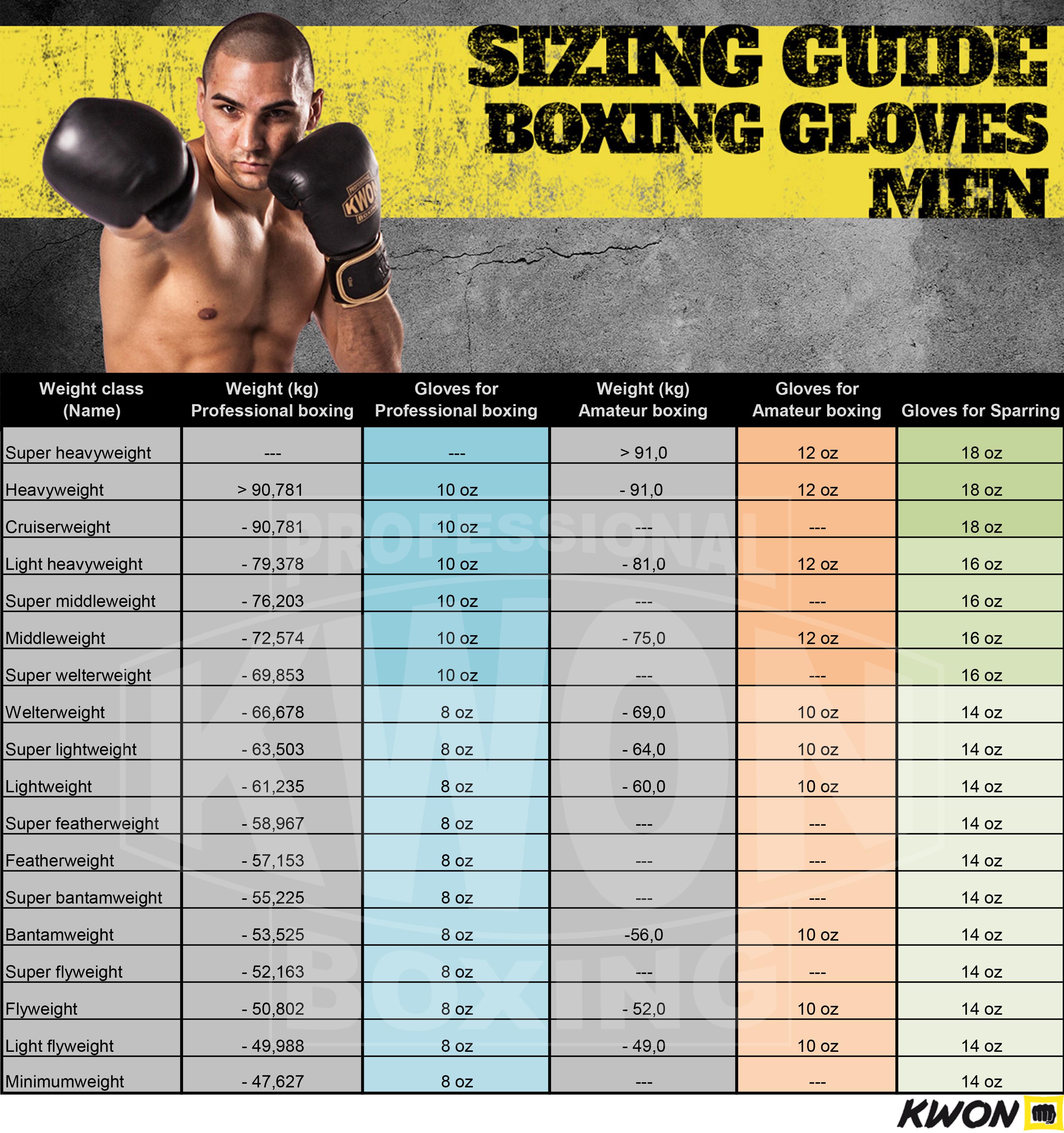
Choosing the right size boxing gloves by body weight helps ensure proper fit and protection. Gloves that match your weight provide better comfort and support. This choice also helps prevent injuries during training or sparring. Using your body weight as a guide makes it easier to pick the correct glove size quickly.
Weight-based Sizing Recommendations
Boxing gloves come in different sizes measured in ounces (oz). The size depends mostly on your body weight. For example, if you weigh under 120 lbs, 10 oz gloves usually fit well. Those between 120 and 150 lbs often use 12 oz gloves. People weighing 150 to 180 lbs tend to choose 14 oz gloves. Over 180 lbs, 16 oz gloves provide more padding and protection.
These are general guidelines and may vary by brand. Always check the manufacturer’s chart for the best match. Using gloves too small can cause hand injuries. Gloves too large reduce control and speed. Body weight is a simple way to find a balanced glove size.
Adjusting For Training Intensity
Training type affects the glove size you should pick. For heavy bag work, smaller gloves around 10 to 12 oz help improve speed. For sparring, bigger gloves like 14 to 16 oz give better protection. Intense training sessions may need extra padding to reduce hand strain.
If you train often, consider upgrading to heavier gloves. They slow down punches slightly but build strength and endurance. Lighter gloves work better for fast, skill-based workouts. Adjust glove size based on your training goals and intensity to stay safe and effective.
Training Goals And Glove Choice
Training goals play a key role in selecting boxing gloves. Different activities require different glove features. Choosing the right gloves helps improve performance and safety. It also prevents injuries and discomfort during training. Understanding the purpose of your training guides your glove choice.
Gloves For Bag Work
Bag work demands gloves that offer speed and protection. Lighter gloves, usually 12 to 14 ounces, are ideal. They allow faster punches and help build endurance. The padding protects your hands from impact with the heavy bag. Choose gloves that fit snugly but offer enough wrist support.
Gloves For Sparring
Sparring requires more padding to protect both fighters. Gloves typically range from 14 to 16 ounces for sparring. The extra padding reduces the risk of injury during practice fights. Heavier gloves also help build strength and improve conditioning. Make sure the gloves feel comfortable and secure for long sessions.
Gloves For Competition
Competition gloves are lighter and more compact. They usually weigh between 8 to 10 ounces. These gloves focus on speed and power, allowing quick punches. The padding is thinner but still protects the hands during bouts. Choose gloves approved by your competition’s rules and that fit well.
Fit And Comfort Tips
Choosing boxing gloves with the right fit and comfort is essential for performance and safety. Gloves that fit well protect your hands and wrists during training. Comfort helps you focus on your technique without distraction. Below are key tips to ensure your gloves feel just right.
Trying Gloves With Hand Wraps
Always try gloves on with hand wraps. Hand wraps add thickness and support to your hands. Gloves that feel good without wraps may become tight once wraps are added. Wrap your hands as you normally would for training. Then, put on the gloves to check the fit. This practice ensures you select the right size for actual use.
Snugness Vs Circulation
Your gloves should feel snug but not tight. A tight glove cuts off blood flow and causes discomfort. A loose glove reduces protection and control. Aim for a fit that holds your hand firmly without squeezing. Move your fingers slightly inside to test circulation. Gloves with good balance keep your hands safe and comfortable during sessions.
Finger Positioning Inside Gloves
Check how your fingers sit inside the gloves. Fingers should rest naturally and not feel cramped. Avoid gloves that force your fingers to curl too much or stretch out. Proper finger positioning helps absorb impact and improves punch accuracy. Make small fist movements to confirm comfort and control inside the gloves.
Glove Padding And Protection
Choosing the right boxing gloves involves more than just size. Padding and protection play a key role in your safety and performance. Good padding cushions your hands and reduces the risk of injury. It also protects your sparring partner or opponent from hard impacts. Understanding glove padding helps you pick gloves that offer the right balance of comfort and defense.
Different Padding Levels
Boxing gloves come with various padding thicknesses. Thicker padding offers more shock absorption but may feel bulky. Thinner padding allows faster punches and better hand movement. Training gloves often have extra padding to protect hands during heavy bag work. Sparring gloves focus more on protecting both fighters with softer, thicker padding. Choose padding based on your training type and safety needs.
Protection For You And Your Partner
Glove padding shields your knuckles and wrists from impact. It lowers the chance of fractures and bruises. For sparring, gloves must protect your partner too. Softer padding reduces the force of your punches. This keeps training safe and enjoyable. Proper protection extends your boxing career by preventing injuries on both sides.
Brand Differences In Sizing
Choosing the right size boxing gloves can be tricky because sizes vary by brand. Each brand uses different measurements and fits. This means a medium in one brand might feel like a small or large in another. Understanding these brand differences helps you pick gloves that fit well and protect your hands.
Variations Across Brands
Brands design gloves differently to suit various hand shapes and purposes. Some brands run small, while others offer a looser fit. Padding thickness and glove length can also change the feel. These variations affect comfort and performance during training or fights. Trying on gloves or reading reviews can highlight these differences.
Consulting Brand Size Charts
Every brand provides a size chart that shows glove sizes based on hand measurements. Measure your hand around the knuckles with a tape measure for accuracy. Compare your measurement to each brand’s chart before buying. Size charts help you avoid mistakes and find the best fit. Check these charts on official websites or product pages.
Additional Glove Features
Choosing the right size boxing gloves involves more than just fitting your hands. Additional features can affect comfort, performance, and safety. Understanding these features helps you select gloves that suit your style and training needs.
Focus on material types, closure systems, and durability. These factors influence glove feel, protection, and how long they last.
Material Types
Boxing gloves come in various materials. Leather gloves offer excellent durability and breathability. They mold well to your hand over time. Synthetic gloves are lighter and more affordable. They resist sweat but may wear out faster. Choose a material that fits your budget and training frequency.
Closure Systems
Glove closures keep your gloves secure during use. Velcro straps are common and easy to adjust. They provide quick on-and-off convenience. Lace-up gloves offer a tighter, more customized fit. They often need assistance to put on. Think about how you want to wear and remove your gloves.
Durability Considerations
Durability depends on materials and construction quality. Look for reinforced stitching and strong padding. Gloves with good ventilation last longer and reduce odor. Consider gloves built to handle your training intensity. Durable gloves save money and maintain protection over time.
Common Sizing Mistakes
Choosing the right size boxing gloves is crucial for comfort and safety. Many beginners make common sizing mistakes that affect their training and performance. Understanding these errors helps avoid discomfort and injury.
Boxing gloves that do not fit properly can cause hand pain, bruises, or poor technique. Knowing what to avoid ensures a better boxing experience.
Choosing Too Small Or Large
Wearing gloves that are too small restricts hand movement and causes tightness. This can lead to hand injuries and reduce punching power.
Gloves that are too large feel loose and offer less control. They may also shift during training and reduce protection.
Proper fit means gloves should feel snug without squeezing. Fingers must have room to move slightly.
Ignoring Training Purpose
Different training types need different glove sizes. Heavy bag work requires smaller, lighter gloves for speed.
Sparring needs larger gloves with more padding to protect both you and your partner. Using the wrong gloves can cause injury.
Choosing gloves without considering training purpose leads to discomfort and less effective workouts.
Credit: acikenya.co.ke
Where To Buy Boxing Gloves
Choosing the right place to buy boxing gloves affects your satisfaction and comfort. Gloves must fit well to protect your hands and improve performance. Knowing where to shop helps you compare options and find the best fit for your needs.
Online Vs In-store
Online stores offer wide selections and easy price comparisons. You can read reviews from other buyers. Shopping online saves time and offers convenience. Still, sizes can vary by brand, making it harder to choose without trying.
In-store shopping lets you see gloves in person. You can feel the material and check the padding. Staff can provide advice based on your hand size and training style. Trying gloves on helps ensure a better fit right away.
Trying Before Buying
Trying gloves before purchase reduces mistakes. Put gloves on and check the fit around your knuckles and wrist. Move your fingers to test flexibility and comfort. Gloves that feel tight or loose can cause injury or discomfort.
Wear your hand wraps during trials to mimic real training conditions. Punch a bag or shadowbox to see how gloves perform. Testing gloves helps you avoid returns and improves your training experience.
Credit: backseatmafia.com
Frequently Asked Questions
How Do I Know My Boxing Glove Size?
Measure your dominant hand’s circumference around the knuckles. Match this to the manufacturer’s sizing chart. Choose gloves that fit snugly with hand wraps on. Ensure fingers reach the glove top when making a fist. Select padding based on your weight and training type.
Should I Get 12oz Or 14oz Boxing Gloves?
Choose 12oz gloves for speed, bag work, and agility. Opt for 14oz gloves for sparring, protection, and strength building. Consider your training goals and hand size.
Do I Want 8oz Or 10oz Boxing Gloves?
Choose 8oz gloves for speed, agility, and bag work. Opt for 10oz gloves for sparring, protection, and strength building. Consider your training goals and hand size.
Why Is Tyson Using 14 Oz Gloves?
Tyson uses 14 oz gloves to balance speed and protection during training. They offer optimal padding and improve endurance.
Conclusion
Choosing the right size boxing gloves helps protect your hands and wrists. It also improves comfort and performance during training or fights. Measure your hand carefully and check sizing charts from different brands. Consider your body weight and training type for the best fit.
Trying gloves on with hand wraps ensures accuracy. Properly sized gloves reduce injury risk and make workouts more effective. Take your time to select gloves that feel secure and comfortable. This simple step supports your progress and enjoyment in boxing.