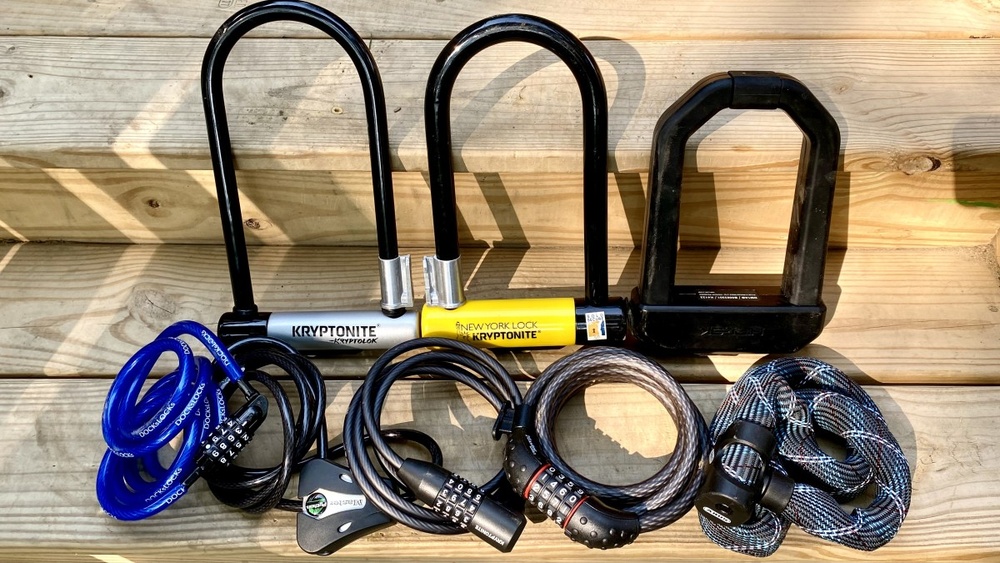
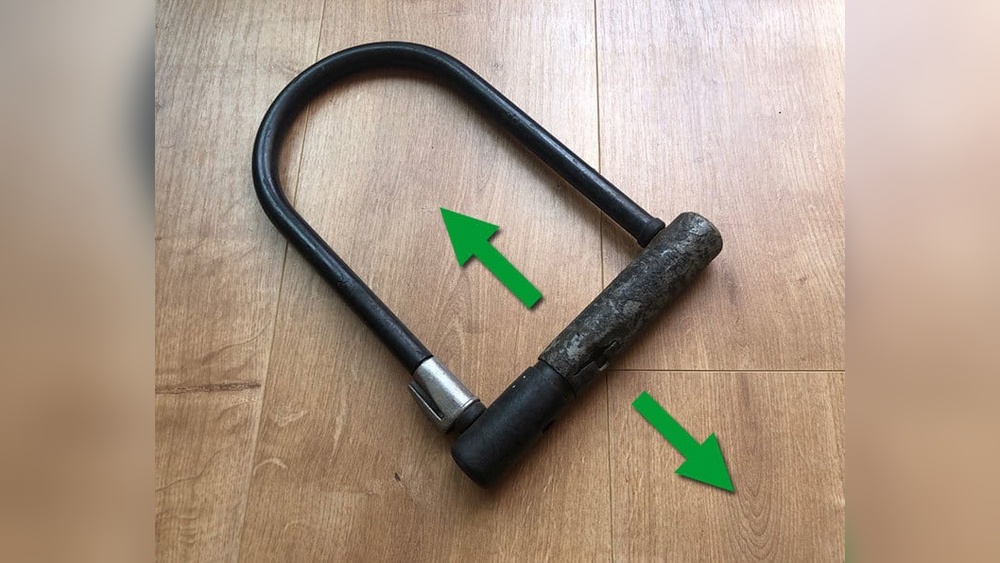
Is your bike lock getting stuck or feeling sticky every time you try to open it? You’re not alone, and it can be incredibly frustrating.
A sticky bike lock doesn’t just slow you down; it can also leave your bike vulnerable. But don’t worry—cleaning your bike lock is easier than you think. You’ll discover simple, effective steps to get your lock working smoothly again. Keep reading, and you’ll never have to struggle with a sticky bike lock again.
Credit: www.bikelockwiki.com
Causes Of Sticky Bike Locks
Sticky bike locks cause frustration for many cyclists. Understanding the main causes helps keep locks working smoothly. Dirt, rust, and lack of oil are common problems. Each can stop the lock from turning easily. Knowing these causes lets you fix the lock before it gets worse.
Dirt And Debris Build-up
Dirt and small particles get inside the lock over time. Dust, sand, and tiny stones block the key’s path. This makes the lock hard to turn or even jam. Rain or mud can carry more dirt inside the lock. Cleaning out dirt helps the lock move freely again.
Rust And Corrosion
Rust forms when metal parts get wet and stay damp. This happens often in wet weather or humid places. Rust makes the lock stiff and rough inside. It can even cause parts to stick together. Removing rust stops the lock from seizing up.
Lack Of Lubrication
Locks need oil to keep parts sliding smoothly. Without lubrication, metal parts rub and wear out quickly. The lock can feel sticky or frozen. Applying a small amount of oil or graphite powder helps the lock work better. Regular oiling keeps the lock in good shape.
Tools And Materials Needed
Cleaning a sticky bike lock needs the right tools and materials. Having these ready makes the task easier and faster. You can fix the lock smoothly with simple items found at home or a local store.
Cleaning Supplies
Start with basic cleaning supplies. Use a soft cloth to wipe dirt and dust from the lock’s surface. A small brush helps reach tight spaces. Mild soap mixed with water removes grime without harm. Avoid strong chemicals that can damage the lock.
Lubricants
Lubricants reduce friction inside the lock. Choose a lubricant made for locks or bike parts. Spray lubricants work well for hard-to-reach areas. Use oil-based lubricants sparingly to avoid attracting dirt. Proper lubrication keeps the lock smooth and sticky-free.
Basic Tools
Basic tools help open and clean the lock carefully. A small screwdriver can open casing if needed. Tweezers remove debris stuck inside the mechanism. A thin wire or pin clears dirt from keyholes. These simple tools make cleaning precise and effective.
Step-by-step Cleaning Process
Cleaning a sticky bike lock is easier than it seems. Follow these simple steps to restore smooth use. Each step focuses on a key part of the lock. This process helps prevent damage and keeps your lock working well for a long time.
Removing The Lock
First, take the lock off your bike. Find a clean, flat surface to work on. This keeps dirt from falling back inside. Make sure the lock is fully closed before starting the cleaning.
Cleaning The Exterior
Use a damp cloth to wipe dirt and grime from the lock’s outside. Avoid soaking the lock with water. Dry it well with a soft towel. This stops rust and keeps the lock looking good.
Clearing The Keyhole
Sprinkle a small amount of graphite powder or compressed air into the keyhole. This removes dust and small particles. Do not use oil inside the keyhole. Oil can attract more dirt and cause stickiness.
Lubricating The Mechanism
Apply a small drop of bike lock lubricant or silicone spray to the keyhole. Insert and turn the key several times. This spreads the lubricant evenly. Wipe off any extra liquid from the lock’s surface.

Credit: thebestbikelock.com
Diy Fixes For Stubborn Locks
Sticky bike locks can be a real hassle. They slow you down and cause frustration. Many locks get sticky due to dirt, rust, or lack of lubrication. Fixing them at home saves time and money. Simple tools and products can make your lock work smoothly again.
Try these easy DIY fixes to get your bike lock moving freely. Each method targets common causes of stickiness. Use the one that fits your situation best.
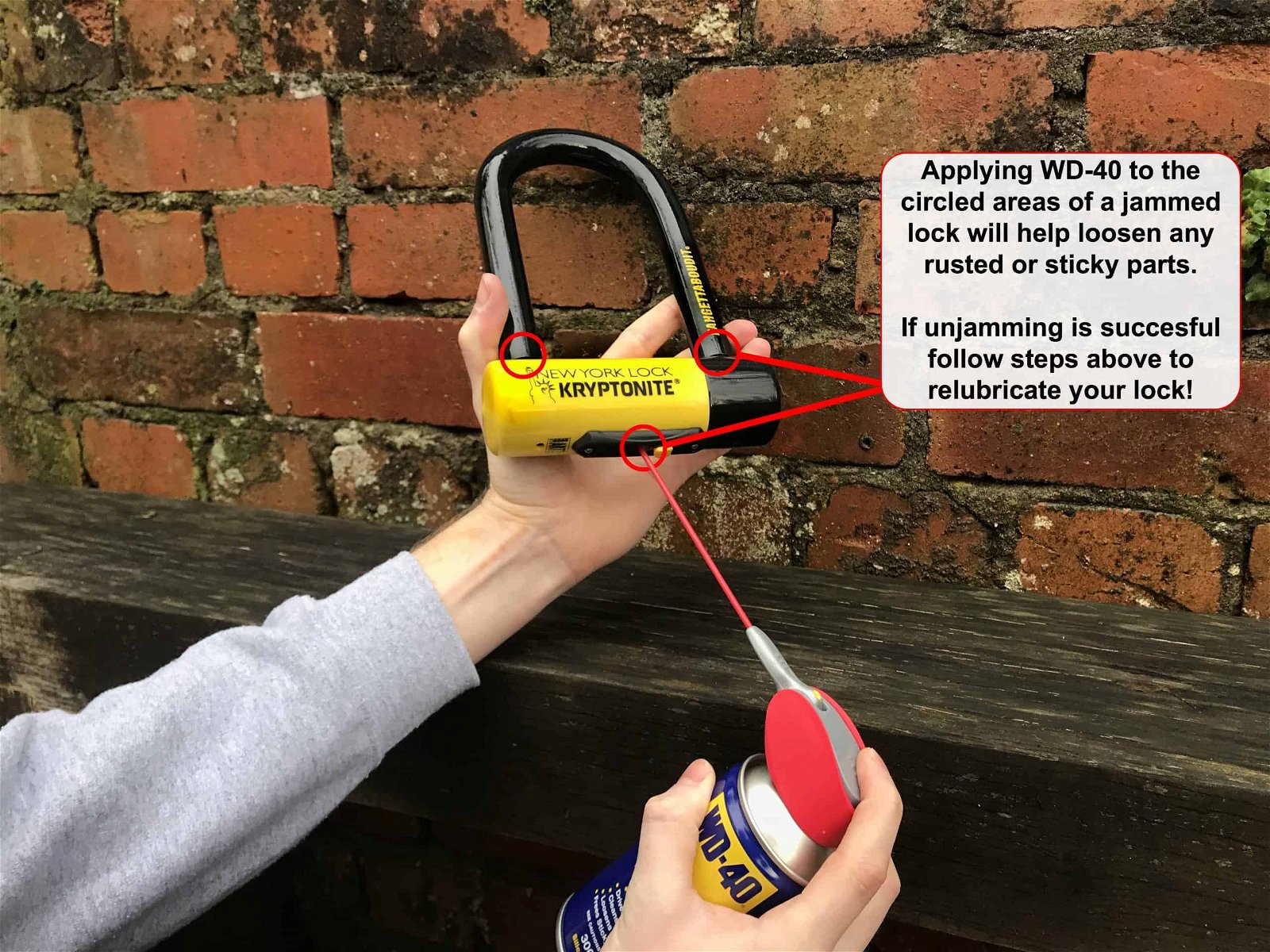
Using Wd-40 Or Similar Products
Spray WD-40 or a similar lubricant into the lock keyhole. Wait a few minutes for the product to loosen dirt and rust. Insert the key and gently move it back and forth. Repeat the process if the lock still feels sticky. Avoid using too much spray, which can attract dirt later.
Applying Graphite Powder
Graphite powder is a dry lubricant that works well for locks. Puff a small amount into the keyhole using a squeeze bottle or tube. Insert the key and turn it several times to spread the powder inside. This method reduces friction without leaving wet residue. It is ideal for locks exposed to dirt and dust.
Freezing And Thawing Techniques
This method is useful if your lock sticks due to moisture or rust. Place the lock in a plastic bag and put it in the freezer for a few hours. Take it out and let it warm up slowly at room temperature. The freezing can cause rust to crack and loosen. After thawing, apply lubricant to improve smoothness.
Preventing Future Stickiness
Sticky bike locks cause frustration and delay. Preventing future stickiness keeps your lock working smoothly. Simple habits stop dirt and rust buildup. Protect your lock to avoid jams and repairs.
Regular Maintenance Tips
Clean your bike lock regularly with a soft cloth. Use a lubricant made for locks to keep parts moving. Avoid oil that attracts dust. Check for dirt or debris inside the lock. Remove any buildup quickly to prevent stickiness.
Proper Storage Habits
Store your lock in a dry place when not in use. Avoid leaving it outside in rain or snow. Use a lock cover if you park outside often. Keep the lock away from mud and dust. Dry the lock if it gets wet to stop rust.
Choosing Weather-resistant Locks
Select locks designed for outdoor use to resist weather damage. Look for rust-proof materials like stainless steel or coated metals. Weather-resistant locks last longer and work better. They reduce the chance of sticky keys and jammed mechanisms.
Credit: www.reddit.com
When To Replace Your Bike Lock
Knowing when to replace your bike lock is important for keeping your bike safe. A lock that no longer works well can cause trouble. It may also put your bike at risk of theft. Regular checks help you decide if your lock still protects your bike. Understanding the signs of damage and the benefits of upgrading helps you make the right choice.
Signs Of Irreparable Damage
Rust can weaken the metal parts of your lock. If the lock sticks even after cleaning, damage may be inside. Bent or broken parts stop the lock from working properly. Keys that no longer fit or turn smoothly show wear. Cracks or deep scratches can mean the lock is unsafe. These signs mean it is time to replace the lock.
Upgrading For Better Security
Older locks may not protect well against modern tools. New locks have stronger materials and better designs. Some offer extra features like alarms or tougher chains. Upgrading your lock can give peace of mind. It helps keep your bike safer in busy or risky areas. Choose a lock that matches your bike’s value and where you park it.
Frequently Asked Questions
How Do I Fix A Sticky Bike Lock Quickly?
To fix a sticky bike lock, apply a lubricant like WD-40 or graphite powder. Insert and turn the key several times to distribute it evenly. Avoid using oil-based lubricants as they attract dirt and cause more stickiness over time.
What Household Items Clean A Sticky Bike Lock?
Use household items like graphite powder or silicone spray to clean a sticky bike lock. Avoid using water or oil, which can cause rust or attract dirt. Regular cleaning with these items prevents the lock from sticking and extends its life.
Can I Prevent My Bike Lock From Sticking?
Yes, regularly lubricate the lock with graphite powder or silicone spray. Keep the lock dry and clean, especially after rain or dirt exposure. Store your bike and lock in a dry place to avoid rust and sticky mechanisms.
Why Does My Bike Lock Become Sticky?
Bike locks become sticky due to dirt, rust, or lack of lubrication. Moisture and debris enter the lock mechanism, causing it to jam. Regular maintenance and proper lubrication prevent stickiness and ensure smooth operation.
Conclusion
Cleaning a sticky bike lock takes only a few simple steps. Regular care keeps your lock working smoothly. Use gentle cleaning tools and safe lubricants. Avoid harsh chemicals that can cause damage. A clean lock protects your bike and saves time.
Keep your lock dry after cleaning to stop rust. Small efforts now prevent big problems later. Your bike stays secure with a well-maintained lock. Try these tips regularly for the best results.