You’ve invested time and money into your bike, so protecting it should be a top priority. But do you really know how to lock up your bike the right way?
A quick mistake can leave your bike vulnerable to theft, ruining your day and costing you a lot more. You’ll discover simple, effective steps to lock your bike securely every time. By the end, you’ll feel confident that your bike is safe, no matter where you leave it.
Keep reading to learn how to protect your ride like a pro.
Credit: registry.ru.ac.ke
Choosing The Right Lock
Choosing the right lock is the first step to protect your bike. A good lock can stop thieves and keep your bike safe. Not all locks offer the same security. Knowing different types helps you pick the best one.
Types Of Bike Locks
U-locks are strong and hard to break. They are shaped like a “U” and lock around the bike frame and a fixed object. Chain locks use heavy metal chains covered in fabric. They can wrap around larger objects. Cable locks are light and flexible. They are easy to carry but less secure. Folding locks fold into a small shape. They offer moderate security and are easy to store.
Lock Strength And Security Ratings
Lock strength shows how hard it is to break. Look for locks with high security ratings. These ratings come from tests by security experts. A higher rating means better protection. Choose locks tested against cutting, picking, and twisting. A strong lock can stop most thieves.
Budget Considerations
Locks come in many prices. Expensive locks usually have better materials and designs. Cheaper locks may not protect well. Think about how often you use your bike and where you park it. Spend more if your bike is valuable or parked outside. Balance cost with the level of security you need.
Best Locking Techniques
Knowing the best ways to lock your bike improves its safety. Proper locking stops thieves and protects your investment. Follow these simple but effective techniques to secure your bike well.
Securing The Frame And Wheels
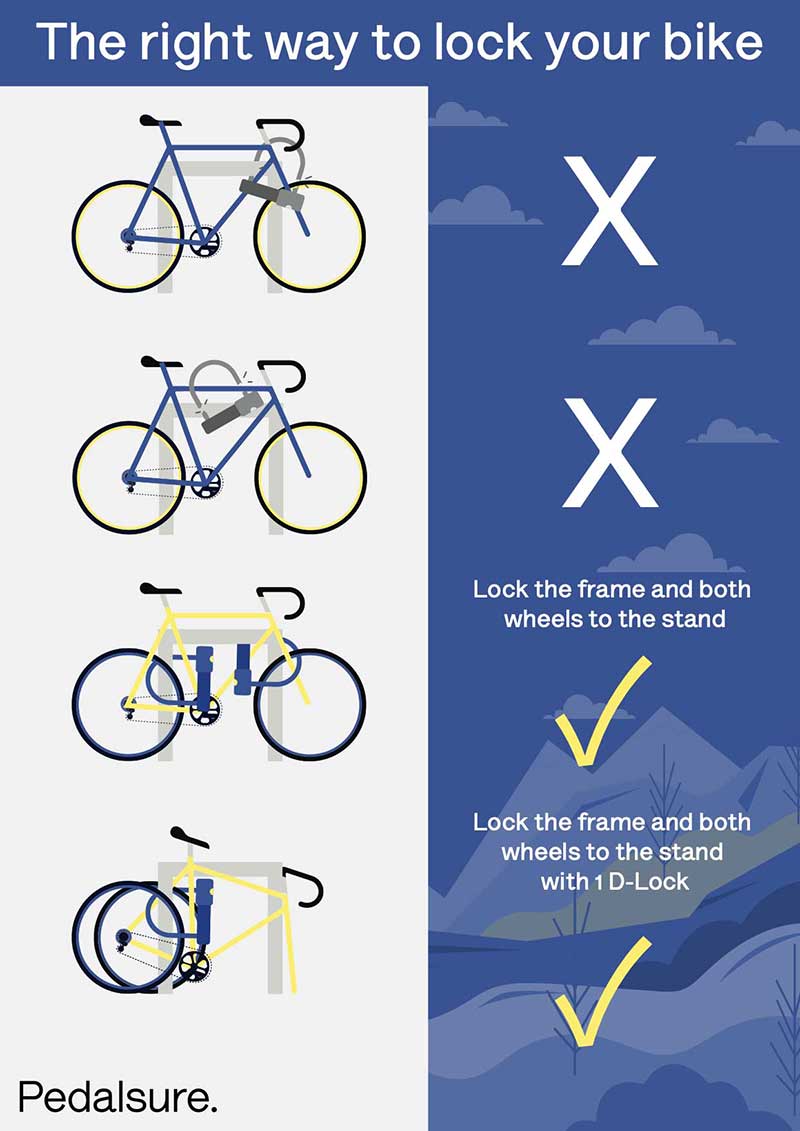
Always lock the bike frame to a solid object. The frame is the strongest part and hard to remove. Include at least one wheel in the lock. Thieves often steal wheels if they are left unlocked.
Use a U-lock or heavy chain to hold the frame and wheel tight. This prevents the bike from being lifted or rolled away. Avoid locking only the front wheel. The rest of the bike can be taken easily.
Using Multiple Locks
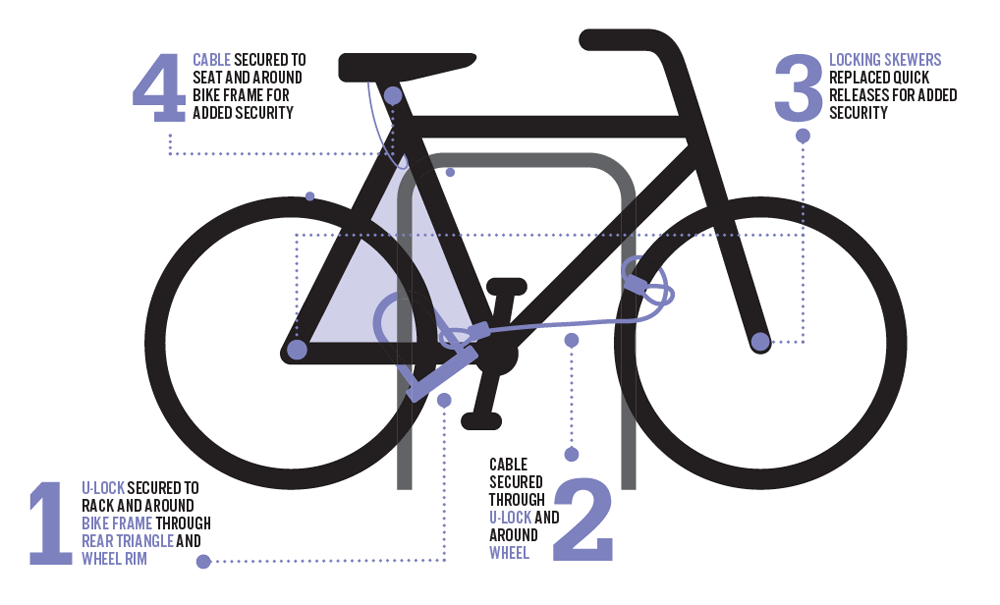
Use two locks for better protection. One lock can secure the frame, the other the wheels. Different types of locks confuse thieves. They need more tools and time to break them.
Try combining a U-lock with a cable lock. The U-lock secures the frame, cable locks the wheels or seat. Multiple locks increase security at busy or risky places.
Avoiding Common Locking Mistakes
Do not lock your bike to weak or movable objects. They can be cut or lifted away. Avoid locking only the front wheel or seat. These parts are easy targets.
Do not leave a lot of space inside the lock. Thieves can fit tools to pry it open. Always lock your bike in a well-lit and busy area. This lowers chances of theft.
Selecting A Safe Location
Choosing the right spot to lock your bike is very important. It can stop theft and keep your bike safe. A good location makes it hard for thieves to steal your bike quickly. It also helps others see your bike clearly. This section explains how to pick a safe place to lock your bike.
High Visibility Areas
Pick spots where many people can see your bike. Busy streets or near shops are good choices. Bright lights help too, especially at night. Thieves avoid places where others watch closely. Your bike stays safer in open, well-lit areas.
Avoiding Isolated Spots
Do not lock your bike in quiet, hidden places. Dark corners or empty parking lots are risky. Thieves like these spots because no one is around. Choose places with regular foot traffic instead. This lowers the chance of your bike being stolen.
Using Designated Bike Racks
Use special bike racks when possible. They are made to hold bikes safely. Many public areas have these racks near entrances. Locking your bike here is both safe and legal. It also keeps walkways clear and organized.
Credit: www.kaz-metiz.com
Additional Security Measures
Adding extra steps can make your bike safer. Basic locks help, but extra security stops thieves better.
These measures give you peace of mind. They also help recover your bike if stolen.
Bike Registration And Identification
Register your bike with local or online services. This links your bike to your name. It helps police find your bike if stolen. Mark your bike with a unique ID. Use a permanent marker or sticker. This makes your bike hard to sell for thieves.
Using Gps Trackers
GPS trackers fit under your seat or frame. They send your bike’s location to your phone. This helps find your bike fast if stolen. Choose small, hidden trackers. Check battery life often to keep it working.
Removing Accessories
Take off easily removable parts like lights or your seat. Thieves often steal these first. Store accessories inside or take them with you. This simple step lowers the chance of theft.
Maintenance Tips For Locks
Proper care for your bike lock keeps it working well and protects your bike. Locks face dirt, rain, and rust. These can stop the lock from working smoothly. Simple maintenance helps avoid problems and saves money. Follow these tips to keep your lock strong and reliable.
Regular Cleaning And Lubrication
Clean your lock often. Use a soft brush to remove dust and dirt. Avoid harsh chemicals that can damage the lock. After cleaning, apply a small amount of lubricant inside the keyhole. This stops rust and keeps the lock turning easily. Use lubricant designed for locks, not oil or grease.
Inspecting For Damage
Look at your lock closely each time before use. Check for cracks, rust, or bent parts. Test the key or combination to see if it works smoothly. Early signs of damage can mean the lock will fail soon. Replace parts if possible or get a new lock if needed.
Replacing Old Locks
Old locks lose their strength and become easy to break. If your lock shows wear or no longer works well, buy a new one. A fresh lock gives better security for your bike. Choose a lock made from strong materials and with good reviews. Changing locks regularly keeps your bike safe.

Credit: transportation.stanford.edu
Frequently Asked Questions
What Is The Best Lock Type For Securing A Bike?
U-locks are the most secure for locking bikes. They resist cutting and leverage attacks better than cable locks. Choose a sturdy, high-quality U-lock to protect your bike effectively.
Where Should I Lock My Bike To Prevent Theft?
Always lock your bike to a solid, immovable object. Use well-lit, busy areas with CCTV if possible. Avoid locking to weak or removable objects.
How Do I Lock Both Wheels And Frame Properly?
Use a U-lock for the frame and rear wheel. Add a cable lock for the front wheel. This method secures all parts and deters thieves.
Can Locking My Bike In Public Increase Theft Risk?
Locking in public is safer than leaving a bike unsecured. Use secure locks and choose visible locations. Proper locking significantly reduces theft risk.
Conclusion
Locking your bike properly keeps it safe and gives you peace. Use a strong lock and secure both frame and wheels. Always lock your bike to a sturdy object in a busy area. Avoid quick fixes or cheap locks—they don’t protect well.
Taking a few extra seconds can save your bike from theft. Stay careful and keep your bike secure every time you park. Safe habits make a big difference. Keep riding confidently, knowing your bike is locked right.