Are you wondering if kettlebells can replace dumbbells in your workouts? You’re not alone.
Many fitness enthusiasts ask this question when looking to switch things up or save space. The answer isn’t just yes or no—it depends on your goals and how you use them. Keep reading to discover how kettlebells and dumbbells differ, when one might be better for you, and how you can get the most from your training.
By the end, you’ll know exactly which tool suits your fitness journey best.
Kettlebells Vs Dumbbells
Kettlebells and dumbbells are popular tools in strength training. Both help build muscle and improve fitness. Choosing between them depends on your workout goals and style. Understanding their differences can guide your choice.
Differences In Design
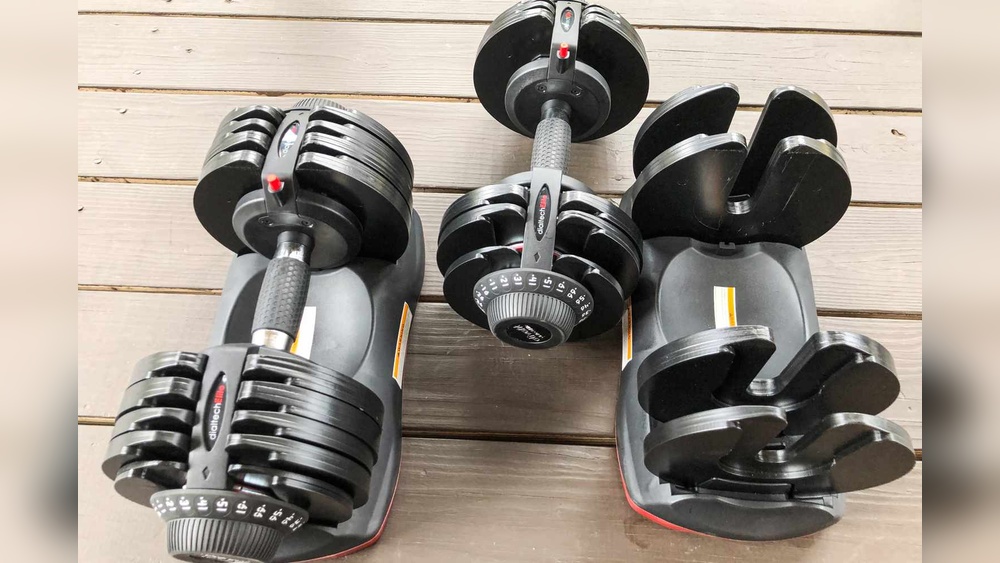
Dumbbells have a straight handle with equal weights on both ends. Kettlebells have a round ball with a handle on top. This shape changes how you hold and move them. The design affects comfort and exercise variety.
Weight Distribution
Dumbbells have balanced weight on each side. Kettlebells have weight mostly below the handle. This uneven weight creates a swinging motion during exercises. It challenges your grip and stabilizer muscles more than dumbbells.
Movement Patterns
Dumbbell exercises focus on controlled, steady motions. Kettlebells encourage dynamic, flowing movements. These include swings, snatches, and cleans. They improve power, coordination, and endurance in ways dumbbells may not.
Benefits Of Kettlebell Training
Kettlebell training offers many advantages for fitness and strength. It challenges your body in unique ways. This type of training improves strength, balance, and endurance. Many people prefer kettlebells for their versatility and effectiveness.
Unlike dumbbells, kettlebells have a handle and a round shape. This design changes how you lift and move the weight. It makes your muscles work harder and helps improve coordination.
Improved Grip Strength
Kettlebell exercises require a strong grip. Holding the handle during swings and lifts builds hand and forearm strength. Better grip strength helps in daily tasks and other workouts. It also reduces the risk of injury by improving control.
Enhanced Core Activation
Kettlebell moves engage your core muscles constantly. Swings and Turkish get-ups force your abs and back to stabilize your body. A strong core improves posture and balance. It also supports your lower back and reduces pain.
Dynamic Full-body Workouts
Kettlebell training works multiple muscle groups at once. It combines strength, cardio, and flexibility in one session. This makes workouts efficient and effective. Your whole body gets stronger and more flexible with each session.
Advantages Of Dumbbells
Dumbbells offer several clear advantages for strength training. They allow more control over movements and fit easily into many workouts. Many people find dumbbells helpful for building muscle and improving fitness.
Greater Exercise Variety
Dumbbells let you do many different exercises. You can work your arms, chest, back, and legs. Exercises like curls, presses, rows, and lunges work well with dumbbells. They help target many muscle groups in one session.
Better For Isolation Movements
Dumbbells are great for isolating specific muscles. You can focus on one arm or leg at a time. This helps fix muscle imbalances and improves strength evenly. Isolation moves with dumbbells are simple and effective.
Easier To Progress In Weight
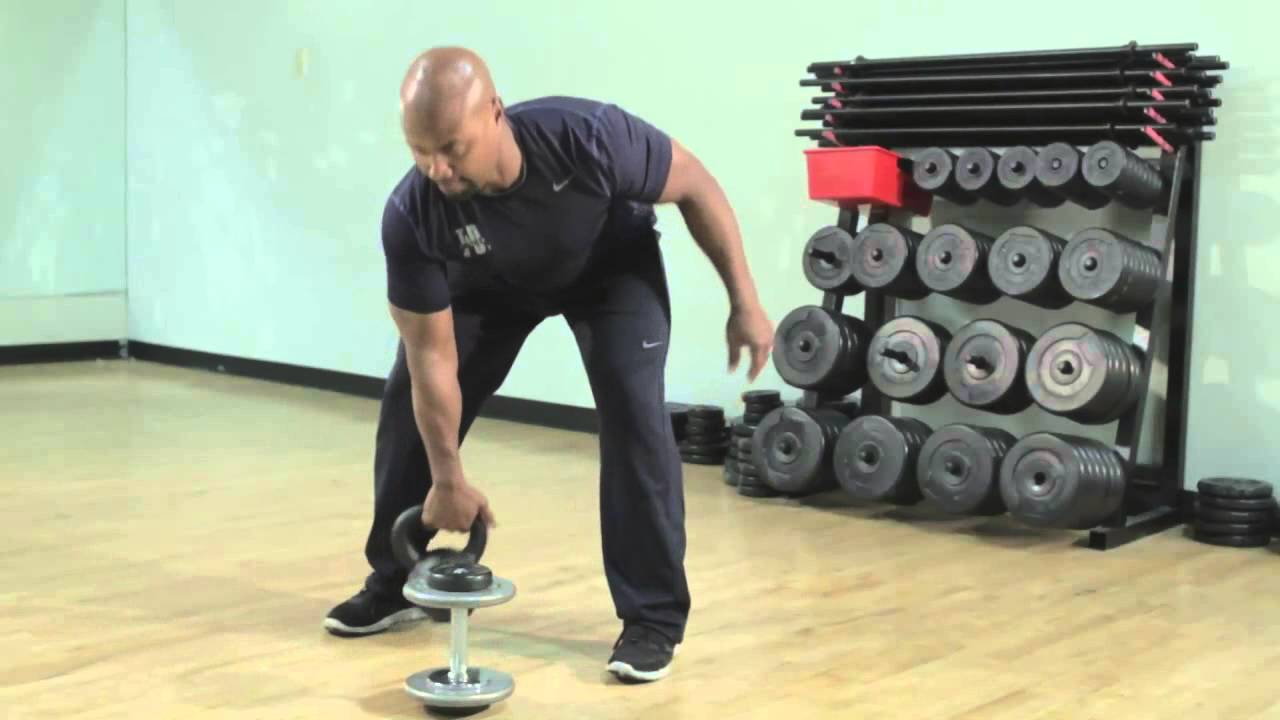
Dumbbells come in many small weight steps. This makes it easy to increase your strength slowly. You can add just a little weight each week. This steady progress helps avoid injuries and builds muscle safely.
Credit: www.youtube.com
Exercise Substitutions
Exercise substitutions allow you to change one tool for another. This helps keep workouts fresh and flexible. Kettlebells and dumbbells can often replace each other. Each tool has unique features that affect how you perform exercises. Understanding these differences helps you choose the best option for your workout goals.
Below, we explore some common exercises using kettlebells and dumbbells. You will see how these tools compare and how to adjust your form.
Swings Vs Dumbbell Swings
Kettlebell swings use a rounded handle and a heavy ball shape. This shape helps with momentum and control during swings. Dumbbell swings are possible but feel different. The dumbbell’s shape can make swinging less smooth. Kettlebell swings target hips, glutes, and core more effectively. Dumbbell swings work too but may be harder to keep safe form.
Goblet Squats With Kettlebells
Goblet squats are easy with kettlebells. Hold the kettlebell close to your chest. This helps with balance and posture. Dumbbells can replace kettlebells for goblet squats. Hold one dumbbell vertically or two dumbbells at the sides. Kettlebells offer a single, stable weight. Dumbbells provide more grip options but may feel bulkier.
Pressing Movements Comparison
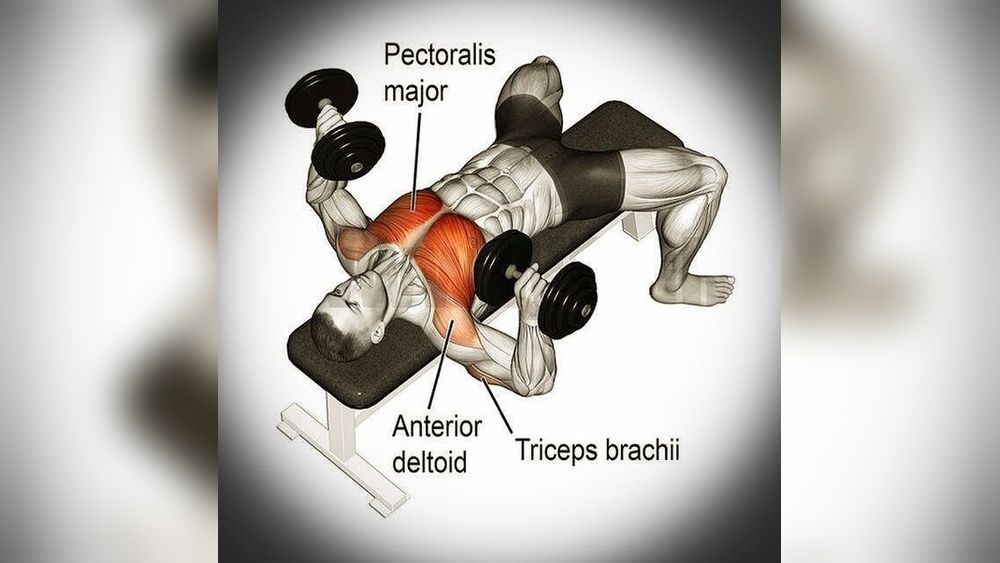
Pressing movements include overhead press and bench press. Kettlebells force more muscle control because of their shape. The weight is off-center, so you stabilize more. Dumbbells have a balanced weight, making presses feel stable. Both tools build strength well. Choosing depends on your comfort and workout needs.
Safety Considerations
Using kettlebells instead of dumbbells has unique safety concerns. Both tools challenge your body differently. Understanding these differences helps prevent injury. Safety starts with knowing how to move right. Proper technique keeps your workouts safe and effective.
Proper Form Tips
Hold the kettlebell handle firmly. Keep your wrist straight to avoid strain. Use your hips and legs for power. Keep your back flat and core tight. Move smoothly without jerking the weight. Practice with light weights before adding more. Watch your body and stop if pain occurs.
Common Mistakes To Avoid
Do not swing the kettlebell too fast. Avoid rounding your back during lifts. Do not let the kettlebell hit your body. Avoid locking your elbows fully. Do not use poor grip that causes slipping. Avoid lifting weights that are too heavy. Do not rush through the exercises.
Injury Prevention
Warm up before starting kettlebell exercises. Stretch muscles to increase flexibility. Take breaks between sets to recover. Wear proper shoes for good support. Train on a flat, stable surface. Listen to your body’s signals closely. Seek help from a trainer if unsure.
Choosing The Right Equipment
Choosing the right equipment is key for effective workouts. It affects your progress and safety. Kettlebells and dumbbells each have unique benefits. Understanding your needs helps make the best choice.
Space And Storage
Kettlebells take less space because of their shape. They stack easily in a small corner. Dumbbells usually need a rack or shelf. They can take more room in your workout area. Think about where you will store your gear.
Budget Factors
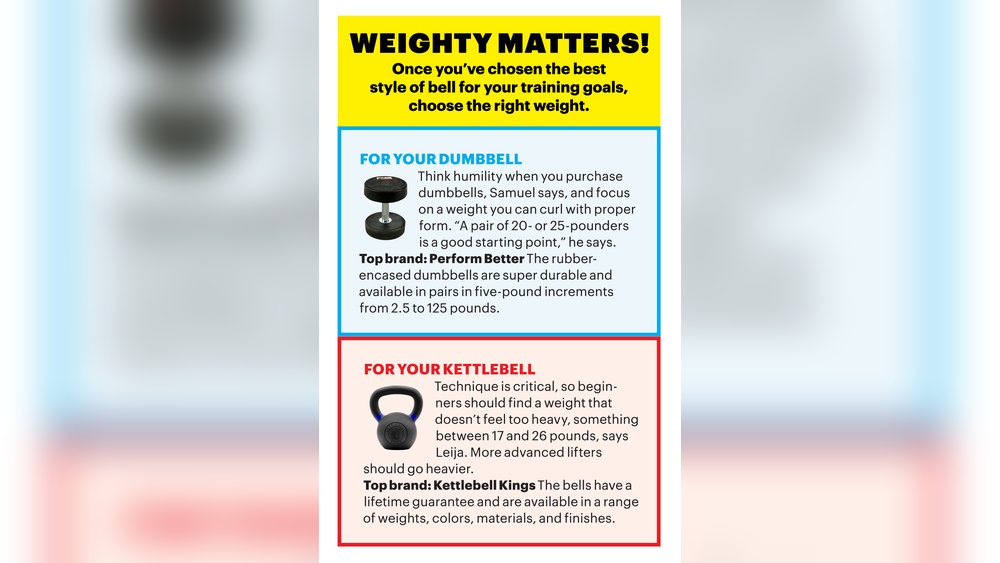
Kettlebells can be cheaper if you buy fewer weights. One kettlebell can serve many exercises. Dumbbells often require multiple pairs in different weights. This can increase the overall cost. Consider what fits your budget best.
Personal Fitness Goals
Kettlebells suit dynamic, full-body workouts well. They improve strength and cardio together. Dumbbells work great for isolated muscle training. They offer more control over weight increments. Choose equipment that matches your fitness plan and goals.
Training Programs With Kettlebells
Kettlebells offer versatile training options for many fitness goals. They combine strength, balance, and cardio in one tool. Training programs with kettlebells suit beginners and advanced athletes alike. These programs help build muscle, improve endurance, and boost overall fitness.
Beginner Workouts
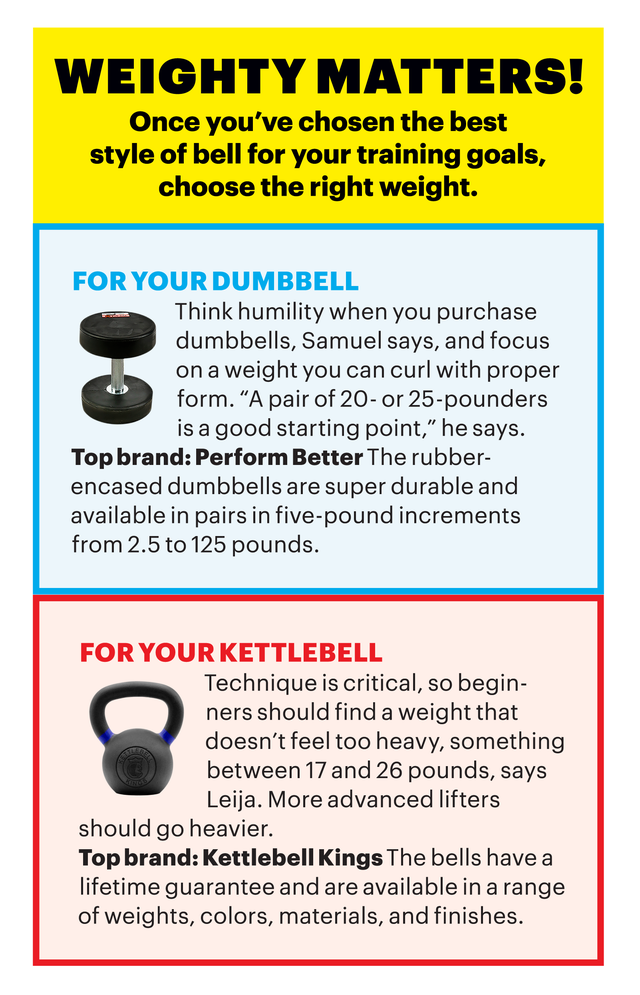
Start with light kettlebells to learn proper form. Basic moves include swings, goblet squats, and deadlifts. These exercises build a strong foundation and prevent injury. Keep workouts short, around 15 to 20 minutes. Focus on controlled, smooth movements and rest between sets.
Strength Building Routines
Use heavier kettlebells for strength training. Try exercises like kettlebell cleans, presses, and Turkish get-ups. These moves target multiple muscle groups at once. Perform 3 to 5 sets of 6 to 10 reps. Rest longer between sets for better muscle recovery.
Cardio And Conditioning
Kettlebell training can raise your heart rate fast. Combine swings, snatches, and high-rep circuits for cardio sessions. Work for 20 to 30 minutes with short rest periods. This style improves endurance and burns calories efficiently. Perfect for those who want a full-body workout.
Credit: www.menshealth.com
Combining Both For Best Results
Using kettlebells and dumbbells together can improve your workout. Each tool works muscles differently. Combining them helps you get stronger and fitter faster.
Mixing kettlebells with dumbbells creates a well-rounded routine. You can target muscles from many angles. This way, your body grows balanced and healthy.
Complementary Exercises
Kettlebells suit swinging and dynamic moves. Dumbbells work well for steady lifts and presses. Using both lets you train strength and endurance. This mix keeps your workouts fresh and effective.
Balanced Muscle Development
Kettlebells engage core and stabilizer muscles more. Dumbbells isolate muscles for focused growth. Together, they build power and control. Your body looks balanced and moves better.
Variety To Prevent Plateaus
Doing the same exercises can slow progress. Changing between kettlebells and dumbbells challenges muscles differently. This stops your body from adapting too soon. You keep gaining strength and avoid boredom.

Credit: www.youtube.com
Frequently Asked Questions
Can Kettlebells Replace Dumbbells In All Exercises?
Kettlebells can replace dumbbells in many exercises but not all. They offer dynamic, swinging movements. Dumbbells excel in controlled, isolated lifts. Use kettlebells for cardio and power training, and dumbbells for stability and muscle isolation.
Are Kettlebells Better Than Dumbbells For Strength Training?
Kettlebells enhance strength and endurance with ballistic moves. Dumbbells are better for precise muscle targeting and progressive overload. Both tools complement each other, so choosing depends on your workout goals and exercise preference.
Can Beginners Safely Use Kettlebells Instead Of Dumbbells?
Beginners can use kettlebells safely with proper technique and guidance. Kettlebells require good form to avoid injury due to dynamic motions. Starting with light weights and learning basic moves is essential before increasing intensity.
Do Kettlebells Offer More Cardio Benefits Than Dumbbells?
Yes, kettlebells typically provide more cardio benefits. Their swinging and full-body movements elevate heart rate quickly. Dumbbells focus more on muscle strength and isolation, offering less cardiovascular intensity compared to kettlebell training.
Conclusion
Kettlebells and dumbbells both build strength well. Each tool offers unique benefits for your workouts. Kettlebells improve grip and core stability. Dumbbells help with controlled, steady movements. You can choose based on your fitness goals. Mixing both can keep exercise routines fresh.
Try different weights to find what fits you. Consistency matters most for good results. Keep moving and enjoy your fitness journey.