Locked out or stuck with a stubborn bike lock that just won’t budge? You’re not alone.
Whether you lost your key or inherited a lock you can’t open, knowing how to cut a bike lock off can save you time, frustration, and even money. But before you grab any tool lying around, you need the right techniques and safety tips to get the job done quickly and without damage to your bike.
Keep reading, because in this guide, you’ll discover the easiest and safest ways to cut through your bike lock so you can get back on the road without stress.
Tools For Cutting Bike Locks
Cutting a bike lock requires the right tools. Different locks need different cutting methods. Using proper tools makes the job easier and safer. Below are some common tools used for cutting bike locks.
Angle Grinders
Angle grinders are powerful tools with rotating discs. They can cut through metal locks quickly. A good angle grinder handles tough locks like U-locks. Use safety gear like goggles and gloves when operating. It may take some time, depending on the lock’s thickness.
Bolt Cutters
Bolt cutters are manual tools with long handles. They apply strong force to cut metal chains or cables. They work well on thinner locks and cables. Larger bolt cutters can handle thicker metal. They are easy to use and don’t need power.
Dremel And Rotary Tools
Dremel tools are small rotary cutters with various attachments. They are good for detailed or precise cutting. They work best on thinner locks or cables. Dremels are portable and easy to control. Cutting thicker locks may take a long time.
Wire Cutters And Tin Snips
Wire cutters and tin snips cut thinner wires and cables. They are not suited for heavy-duty locks. Tin snips shear metal by pressing blades closely. Wire cutters work best on thin cables or lock wires. These tools are lightweight and easy to carry.

Credit: www.youtube.com
Types Of Bike Locks
Bike locks come in different types. Each type offers a unique way to protect your bike. Understanding the types helps in knowing how to cut them if needed. Some locks are easier to cut than others. Let’s explore the main types of bike locks.
Cable Locks
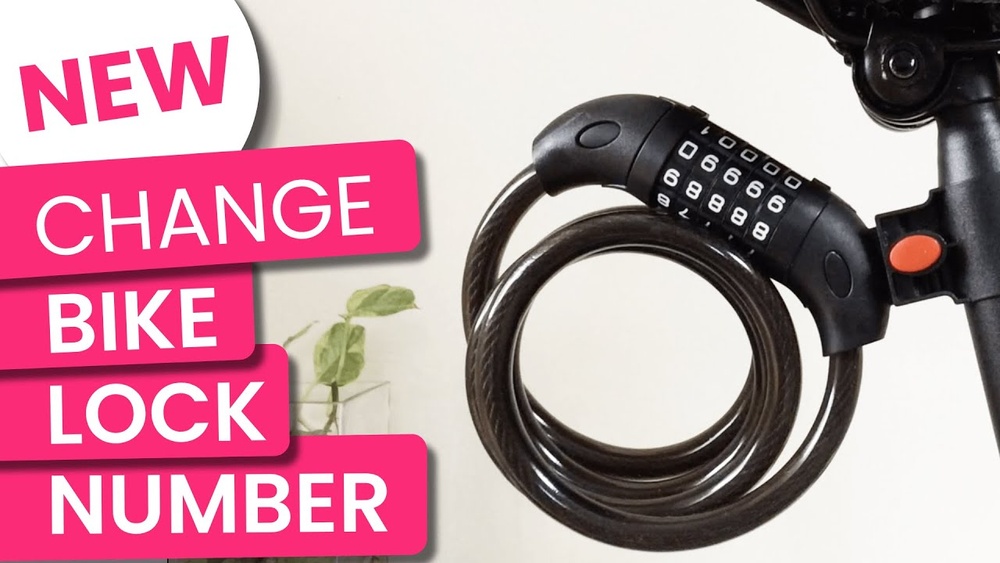
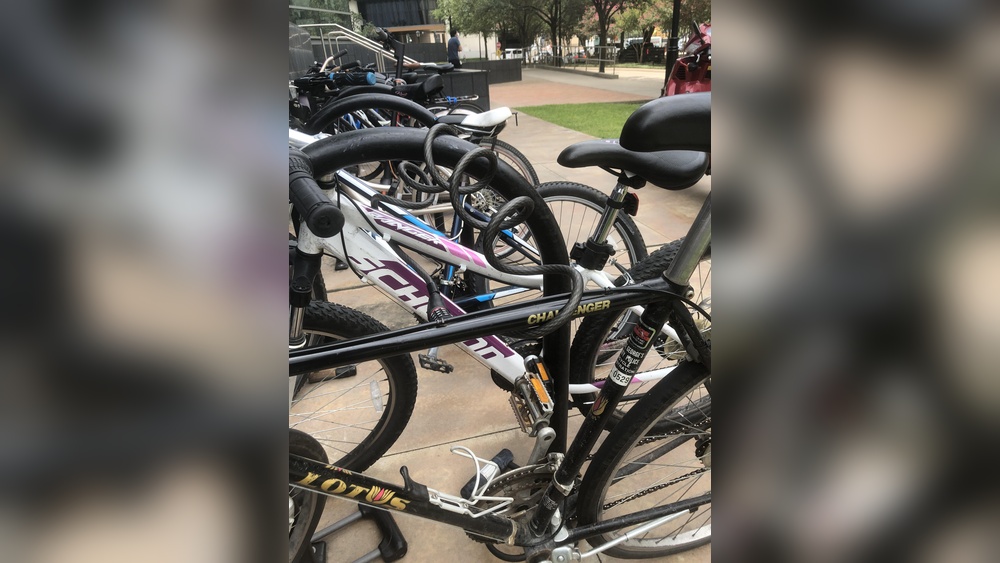
Cable locks are made of braided steel wires covered with plastic. They are flexible and lightweight. These locks are easy to carry. Cutting cable locks requires wire cutters or bolt cutters. They are less secure but good for low-risk areas.
U-locks
U-locks have a solid metal bar shaped like a “U”. They are very strong and hard to cut. Cutting a U-lock needs power tools like an angle grinder. These locks protect your bike well in busy places. They are heavier than cable locks.
Chain Locks
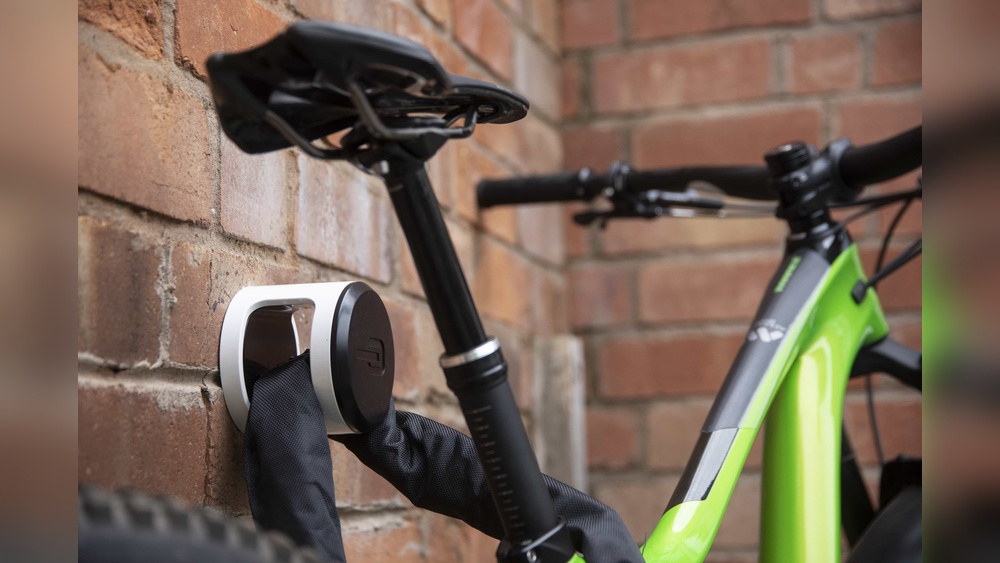
Chain locks use heavy metal links joined together. The links are covered with fabric or plastic. These locks are strong and flexible. Cutting chain locks needs strong bolt cutters or power tools. They offer good security for your bike.
Folding Locks
Folding locks have metal plates connected by rivets. They fold into a compact shape. These locks are easy to carry and secure. Cutting folding locks takes special tools or power tools. They balance security with portability.
Step-by-step Cutting Process
Cutting a bike lock requires clear steps and the right tools. Follow this guide carefully to remove a lock safely and effectively. Each step ensures you stay safe and avoid damage to your bike.
Safety Precautions
Wear protective gear like gloves and safety glasses. Sparks and metal shards can fly during cutting. Work in a well-ventilated area to avoid inhaling dust. Keep bystanders at a safe distance. Check your tools for damage before use. Never rush the process to avoid accidents.
Preparing The Lock And Bike
Position the bike so the lock is stable and accessible. Clear the area around the lock from dirt and debris. Use a cloth to wipe the lock clean if needed. Secure the bike so it does not move while cutting. Identify the weakest point on the lock for cutting. Mark the spot to guide your cutting tool.
Using Bolt Cutters Effectively
Select bolt cutters with long handles for better leverage. Place the jaws of the cutter around the lock’s shackle. Apply steady pressure, squeezing handles slowly and firmly. Repeat cutting attempts near the same spot for a clean break. Avoid twisting or bending the lock to prevent tool damage. If the lock resists, switch to a more powerful tool.
Operating An Angle Grinder
Choose a metal-cutting disc for your angle grinder. Hold the grinder firmly with both hands. Start the grinder and let it reach full speed. Gently apply the disc to the marked lock area. Move the grinder in a steady, controlled motion. Take breaks to prevent overheating the tool. Expect sparks; keep flammable items away. Once the lock starts to give, continue cutting until it breaks.
Finishing Up
Remove any metal fragments from the bike and lock area. Inspect the bike frame for scratches or damage. Use a cloth to clean off dust and debris. Dispose of the cut lock pieces safely. Store your cutting tools properly for future use. Check the bike’s security and replace the lock with a new one immediately.

Credit: bmxaustralia.com.au
Legal And Ethical Considerations
Cutting a bike lock raises important legal and ethical questions. Understanding these rules protects you from trouble. Always respect property rights and local laws. Cutting a lock without permission can be theft or vandalism. It is essential to know when cutting is legal and how to avoid problems.
When Cutting Is Allowed
Cutting a bike lock is legal if you own the bike. It is also allowed if the lock is on your property. Another case is when the bike is abandoned and you have permission. Always confirm ownership before cutting any lock. Avoid cutting locks on public property without permission.
Avoiding Theft Issues
Cutting a lock without proof of ownership looks like theft. Keep documents showing you own the bike or have permission. Never cut a lock on someone else’s bike. This may lead to legal trouble and criminal charges. If unsure, do not cut the lock. Instead, explore other options to prove ownership.
Contacting Authorities If Needed
Contact police or local authorities if you cannot access your bike. They can verify ownership and help remove the lock legally. Authorities may require proof of ownership before acting. Calling them avoids misunderstandings and legal risks. In some cities, bike impound lots manage abandoned bikes and locks.
Alternatives To Cutting
Cutting a bike lock is not always the best or only solution. There are several alternatives that can save your lock and bike. These methods can be quicker and less damaging. Explore other ways to open a lock without cutting it off.
Picking The Lock
Picking a bike lock requires some skill and patience. It involves manipulating the lock’s pins to open it. Basic lock-picking tools are inexpensive and easy to find. Learning this method helps avoid damage and saves money on replacements. Practice on old locks first to gain confidence.
Using Spare Keys Or Combinations
Always check for spare keys before trying other methods. Many locks come with backup keys. If it is a combination lock, try common codes or your usual combinations. Sometimes the combination is written down or remembered incorrectly. Double-check before taking further steps.
Calling A Locksmith
A professional locksmith can open most bike locks without damage. They have the right tools and experience for the job. Calling a locksmith saves time and effort. It also prevents potential injury from improper attempts. This option is worth considering if other methods fail.
Credit: www.reddit.com
Tips For Preventing Lock Issues
Preventing issues with your bike lock saves time and stress. Proper care keeps your lock working well and protects your bike. Follow simple tips to avoid common problems. These tips help you keep your bike safe and your lock reliable.
Choosing The Right Lock
Select a lock that fits your needs and budget. U-locks are strong and hard to cut. Chain locks offer flexibility but must be thick. Cable locks are light but easier to break. Buy locks made from hardened steel for better security. Check reviews to find trusted brands. A good lock is the first step to prevent problems.
Regular Maintenance
Keep your lock clean and dry. Dirt and rust can cause it to jam. Use lubricant on the keyhole and moving parts. Check for any damage or wear often. Replace the lock if it shows signs of weakening. Regular care makes your lock last longer and work smoothly.
Safe Locking Practices
Lock your bike to a solid, immovable object. Avoid weak or loose posts. Lock both the frame and wheels if possible. Position the lock off the ground to prevent leverage attacks. Always double-check that the lock is fully closed. These habits reduce the chance of theft and lock damage.
Frequently Asked Questions
How To Cut Bike Lock Lost Key?
Use an angle grinder or a high-quality sawzall with a razor wheel to cut a bike lock. These tools cut through locks quickly and effectively. Ensure safety by wearing protective gear and securing the bike before cutting.
What Is The Best Tool To Cut A Lock?
The best tool to cut a lock is a right-angle grinder with a razor wheel. It cuts quickly and efficiently through metal. For thinner shackles, an abrasive Sawzall blade or strong diagonal cutters also work well. Avoid using tin snips on thick locks.
Can Tin Snips Cut A Bike Lock?
Tin snips can cut some flat-profile bike locks but struggle with thick, hardened steel locks. Use stronger tools for heavy-duty locks.
Can Aaa Cut A Bike Lock?
AAA does not cut bike locks. Their roadside service excludes bike lock removal or cutting. Use professional locksmiths for this task.
Conclusion
Cutting a bike lock takes the right tools and care. Always choose a safe, legal method to avoid trouble. Using strong cutters or a grinder works best for tough locks. Take your time and keep safety first while cutting. Remember, cutting a lock should only be done on your own property or with permission.
This way, you protect your bike without problems. Stay prepared and know your options before you start cutting.