
If you want to build strong, defined traps and improve your shoulder stability, learning how to do dumbbell shrugs is a smart move. This simple exercise targets your upper trapezius muscles, helping you stand taller and lift heavier in other workouts.
But doing shrugs the right way matters—using poor form can limit your gains and even cause discomfort. In this guide, you’ll discover easy-to-follow steps to perform dumbbell shrugs effectively, avoid common mistakes, and choose the right weight for your level.
Ready to take your upper body strength to the next level? Keep reading and master the perfect shrug!
Benefits Of Dumbbell Shrugs
Dumbbell shrugs offer many benefits for your upper body strength and appearance. They focus on the trapezius muscles, which support your neck, shoulders, and upper back. Regularly doing dumbbell shrugs can improve muscle size, strength, and overall posture. This exercise is simple but effective for people at any fitness level. Here are some key benefits of dumbbell shrugs.
Muscle Growth And Strength
Dumbbell shrugs target the upper trapezius muscles directly. This helps increase muscle size and strength. Strong traps improve your shoulder and neck power. Over time, you will notice more muscle definition in your upper back.
Improved Pulling Power
Stronger trapezius muscles boost your pulling strength. This helps in exercises like deadlifts and rows. Better pulling power improves your overall workout performance. Dumbbell shrugs develop the muscles used to lift and pull heavy weights.
Posture And Stability
Dumbbell shrugs help improve your posture. Strong traps support your neck and shoulders well. This reduces slouching and neck pain. Better posture also means more stability during daily activities and workouts.
Balancing Muscle Imbalances
Using dumbbells allows each side to work independently. This helps fix muscle imbalances between your left and right traps. Balanced muscles reduce the risk of injury. It also improves your overall strength symmetry.
Adaptability For All Levels
Dumbbell shrugs can be done by beginners and experts alike. Start with light weights to learn proper form. Increase weight gradually to keep challenging your muscles. This exercise fits well into any workout routine or fitness goal.
Credit: www.menshealth.com
Step-by-step Dumbbell Shrugs
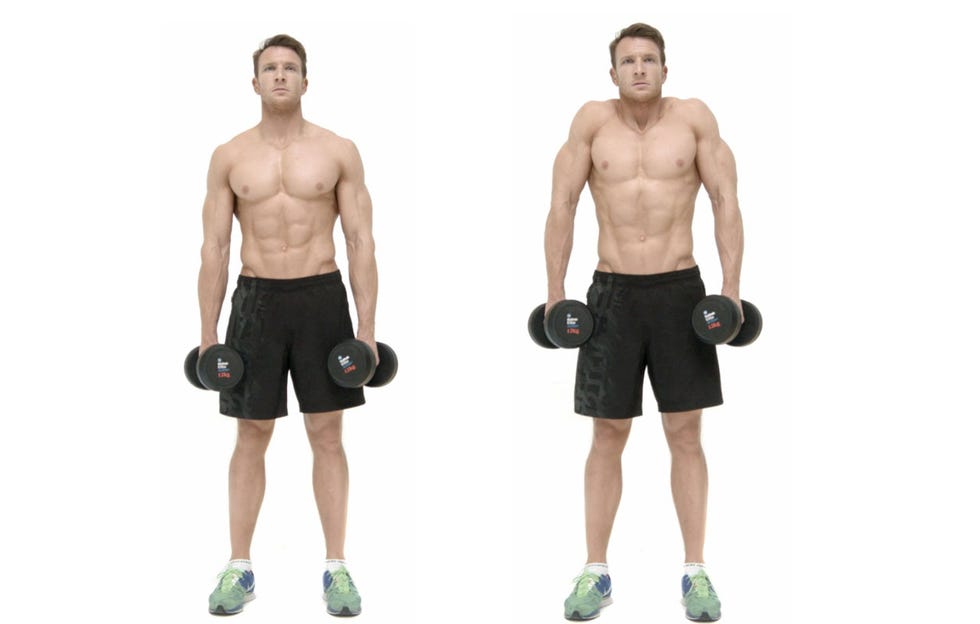
Performing dumbbell shrugs correctly is key to building strong traps. Follow these simple steps for effective results. Use light weights first to learn the form. Gradually increase weight as you gain confidence. Focus on controlled movements to avoid injury.
Starting Position
Stand with feet shoulder-width apart. Hold a dumbbell in each hand by your sides. Keep your arms straight but relaxed. Maintain a neutral spine and look forward. Keep your wrists straight and shoulders relaxed.
Lifting The Shoulders
Slowly raise your shoulders straight up. Use your trapezius muscles to lift, not your arms. Avoid rolling your shoulders to prevent strain. Breathe out as you lift for better control. Focus on squeezing your traps at the top.
Holding The Contraction
Pause briefly at the top of the lift. Hold the contraction for one to two seconds. Feel the tension in your upper traps. This hold increases muscle activation. Keep your neck relaxed during the hold.
Lowering The Dumbbells
Slowly lower your shoulders back down. Control the movement to avoid dropping the weights. Breathe in as you lower for steady rhythm. Return to the starting position fully. Prepare for the next repetition with proper form.
Common Form Mistakes
Performing dumbbell shrugs with proper form maximizes benefits and reduces injury risk. Common mistakes often limit muscle engagement and cause discomfort. Understanding these errors helps you improve technique and results. Focus on key points to keep your form clean and effective.
Avoid Neck Bending
Keep your neck neutral and avoid bending it forward or backward. Moving your neck strains muscles and reduces trap activation. Look straight ahead or slightly up. This position maintains alignment and protects your cervical spine during the shrug.
Keep Arms Straight
Do not bend your elbows during the movement. Keep arms straight to isolate the trapezius muscles properly. Bent arms shift the effort to your biceps and shoulders. This reduces the effectiveness of dumbbell shrugs for trap development.
Prevent Shoulder Rounding
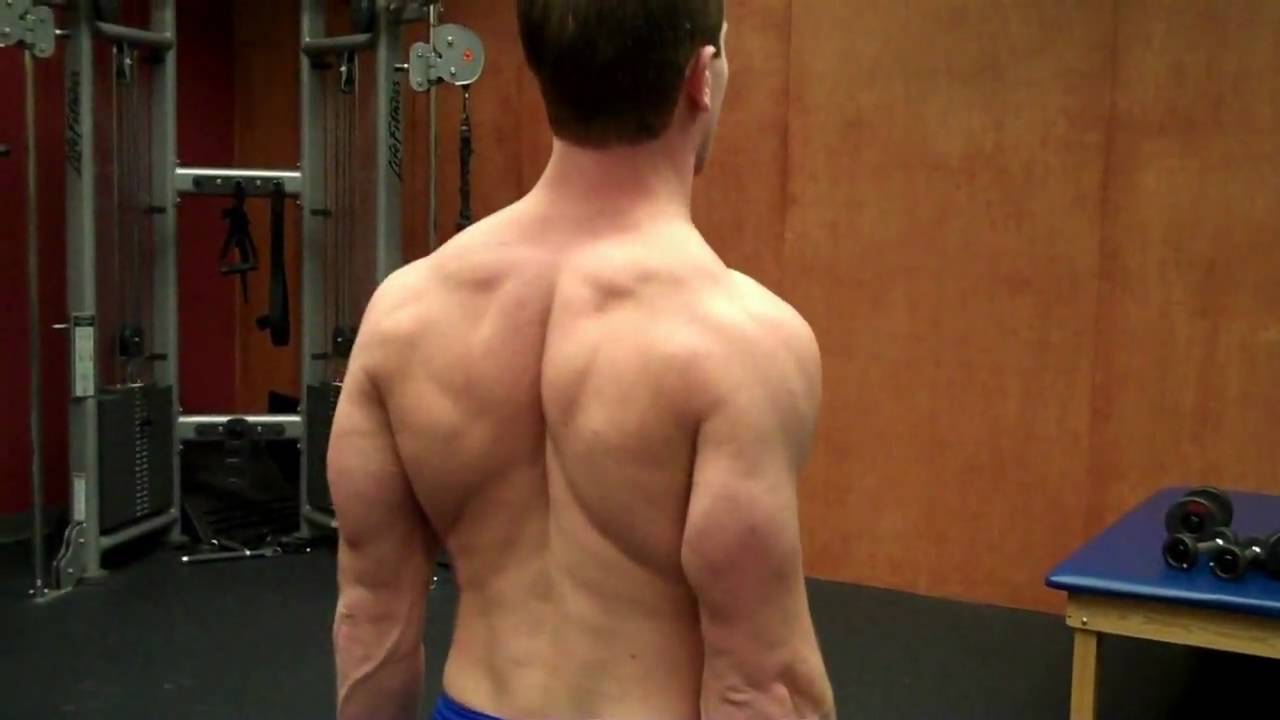
Do not roll or round your shoulders forward while shrugging. Shoulder rounding can cause poor posture and strain. Focus on lifting your shoulders straight up towards your ears. This ensures the traps do the work and keeps your upper back stable.
Control The Movement
Use slow, controlled motions rather than quick jerks. Controlling the lift and lower phases maximizes muscle tension. Avoid using momentum to raise the dumbbells. Controlled movement improves muscle growth and prevents injury.
Credit: www.boxrox.com
Tips For Maximizing Results
Maximizing your results with dumbbell shrugs requires attention to detail. Small changes in how you perform the exercise can make a big difference. Focus on key techniques to build stronger traps and avoid injury.
These tips help you get the most from each set and improve muscle growth over time. Consistency and good form are essential for success.
Focus On Controlled Movements
Move your shoulders slowly and steadily during shrugs. Avoid using momentum or jerking motions. Control the lift up and the lower down phases. This keeps tension on the muscles longer. Controlled movements reduce the risk of injury and improve muscle activation.
Use Proper Breathing Technique
Inhale deeply before you lift your shoulders. Exhale slowly as you raise the dumbbells. Proper breathing supports muscle effort and helps maintain stability. Holding your breath can cause unnecessary strain. Breathe naturally and rhythmically for better performance.
Choose Appropriate Weight
Select dumbbells that challenge your muscles but allow good form. Too heavy weights can cause poor posture or cheating. Too light weights limit muscle growth. Start with moderate weight and increase gradually. This approach prevents injury and encourages steady progress.
Consider Grip Assistance
Use lifting straps or chalk if your grip feels weak. Grip fatigue can limit how much you lift. Grip assistance lets you focus fully on your traps. It helps you hold heavier dumbbells for more reps. This leads to better strength and size gains.
Incorporating Shrugs Into Workouts
Incorporating shrugs into your workouts boosts upper back strength and posture. Shrugs target the trapezius muscles, which support the neck and shoulders. Adding dumbbell shrugs can improve your overall workout balance and muscle development.
Knowing how to combine shrugs with other exercises helps you train smarter. Proper frequency and volume keep your traps growing without overtraining. Use these tips to fit shrugs effectively into your routine.
Combining With Pressing Exercises
Pair shrugs with pressing moves like shoulder presses and bench presses. Pressing exercises focus on the front and middle shoulder muscles. Shrugs complement this by strengthening the traps at the back and top. This balance helps prevent shoulder injuries and improves overall upper body strength.
Pairing With Pulling Movements
Shrugs work well with pulling exercises such as rows and pull-ups. Pulling movements engage the mid and lower traps, while shrugs target the upper traps. Combining both types creates a complete back workout. This pairing enhances muscle symmetry and supports better posture.
Frequency And Volume Recommendations
Train shrugs two to three times a week for best results. Use 3 to 4 sets of 10 to 15 repetitions each session. Choose a weight that challenges your traps but allows proper form. Rest at least 48 hours between sessions to let muscles recover.

Credit: braingain.fit
Shrug Variations To Try
Exploring different shrug variations can enhance your trap workouts. Each version targets your trapezius muscles slightly differently. Trying these variations adds variety and challenges your muscles in new ways. This keeps your training fresh and effective.
Barbell Shrugs
Barbell shrugs allow you to lift heavier weights than dumbbells. Hold the barbell with both hands in front of your body. Keep your arms straight and lift your shoulders toward your ears. Lower slowly to feel the stretch in your traps. This variation builds strength and size quickly.
Cable Shrugs
Cable shrugs provide constant tension on your traps. Use a low pulley with a straight bar attachment. Stand upright and pull your shoulders up while holding the bar. Slowly release to full stretch for better muscle activation. This method helps improve trap endurance and definition.
Behind-the-back Shrugs
Hold dumbbells or a barbell behind your back. Keep your arms straight and shrug your shoulders upward. This position targets the traps from a different angle. It also engages your rhomboids and rear deltoids more than front shrugs. A great variation for balanced upper back development.
Isometric Holds
Isometric holds increase muscle tension without movement. Lift your shoulders as high as possible and hold for 10 to 30 seconds. This forces your traps to maintain contraction under stress. It builds strength and endurance in your traps. Use this as a finisher after regular shrug sets.
Frequently Asked Questions
How To Do Dumbbell Shrugs Correctly?
Hold dumbbells with straight arms and a neutral spine. Exhale as you lift shoulders straight up toward ears. Pause briefly, then lower slowly. Avoid neck bending or shoulder rolling. Maintain controlled, vertical movement for effective dumbbell shrugs.
Is It Worth Doing Dumbbell Shrugs?
Dumbbell shrugs effectively build trapezius muscles, enhance neck and shoulder stability, and improve pulling strength. They suit all fitness levels and help correct muscle imbalances. Proper form maximizes benefits and reduces injury risk. Adding shrugs boosts upper back strength and posture.
How To Properly Shrug For Traps?
Stand straight, hold dumbbells with arms fully extended. Keep wrists neutral and shoulders relaxed. Exhale as you lift shoulders straight up toward ears. Pause briefly at the top, then lower slowly. Avoid neck bending or rolling shoulders. Maintain controlled, vertical movement for effective trap engagement.
How Heavy Should I Shrug?
Choose a weight that challenges your traps without compromising form. Start light, increase gradually to maintain control and full range of motion.
Conclusion
Dumbbell shrugs build strong traps and support your posture well. Keep your arms straight and lift your shoulders smoothly. Control the movement to avoid injury and get better results. Start with light weights, then increase as you grow stronger. Consistency and proper form matter most for progress.
Add shrugs to your routine to enhance upper back strength easily. Enjoy the benefits of better pulling power and neck stability. Keep practicing, and you will see clear improvements soon.


