Choosing the right weight dumbbells can feel confusing, especially if you’re a woman just starting your fitness journey. You might wonder, “What weight dumbbells should I use as a female, measured in kilograms?” The answer isn’t one-size-fits-all because your ideal weight depends on your fitness level, the exercises you plan to do, and your personal goals.
Picking the right dumbbells is key to preventing injury, building strength, and staying motivated. Keep reading, and you’ll discover simple, practical tips to help you find the perfect weight that fits your body and your workout style—so you can lift confidently and see real progress.

Credit: www.womenshealthmag.com
Choosing Dumbbell Weight
Choosing the right dumbbell weight is important for safe and effective workouts. Picking a weight that suits your strength level helps you build muscle and avoid injury. The right weight allows you to complete exercises with good form while feeling challenged. Here are some simple tips to guide you in selecting dumbbell weights as a female beginner.
Start Light
Begin with light dumbbells to learn proper form and technique. Light weights help you focus on movement without strain. This reduces the risk of injury and builds confidence. For many women, starting with 1 to 3 kg dumbbells works well. Use lighter weights for small muscles like shoulders and heavier ones for large muscles like legs.
Increase Gradually
Gradually add weight as your strength improves. Increasing weight too fast can cause injury. Add small increments, such as 0.5 or 1 kg, every few weeks. This steady progress helps your muscles grow stronger and prevents plateaus. Track your improvements to know when to increase the weight safely.
Match Exercise Type
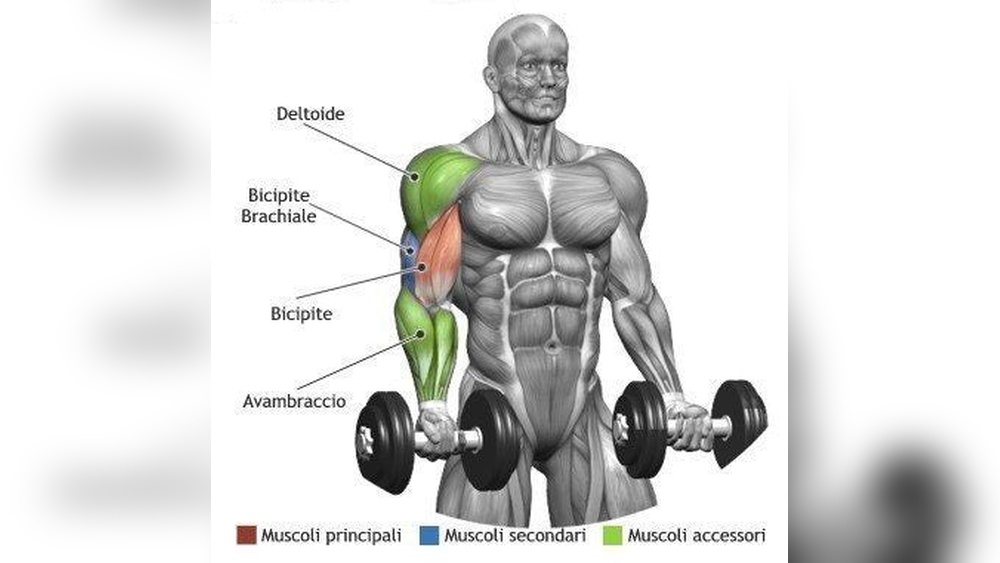
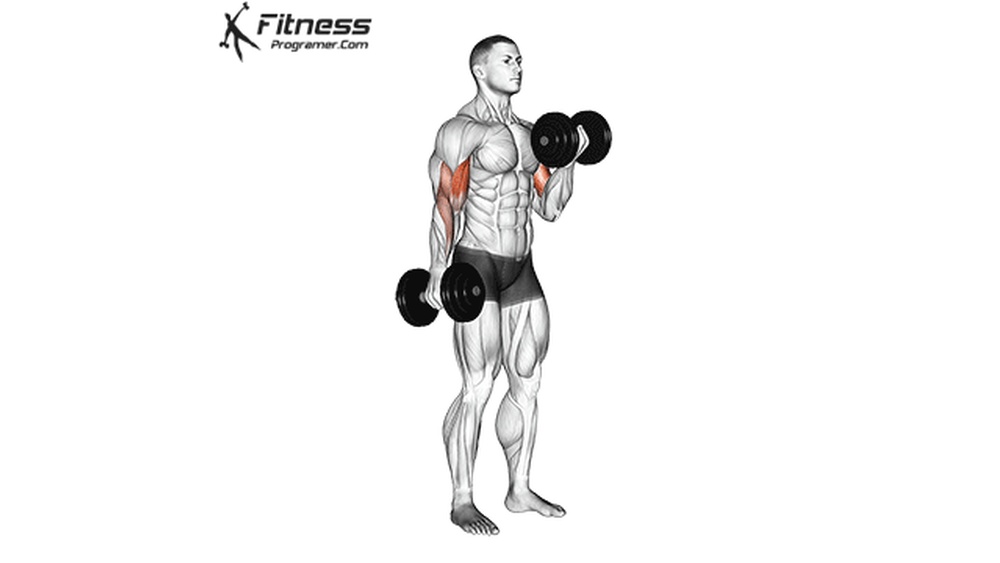
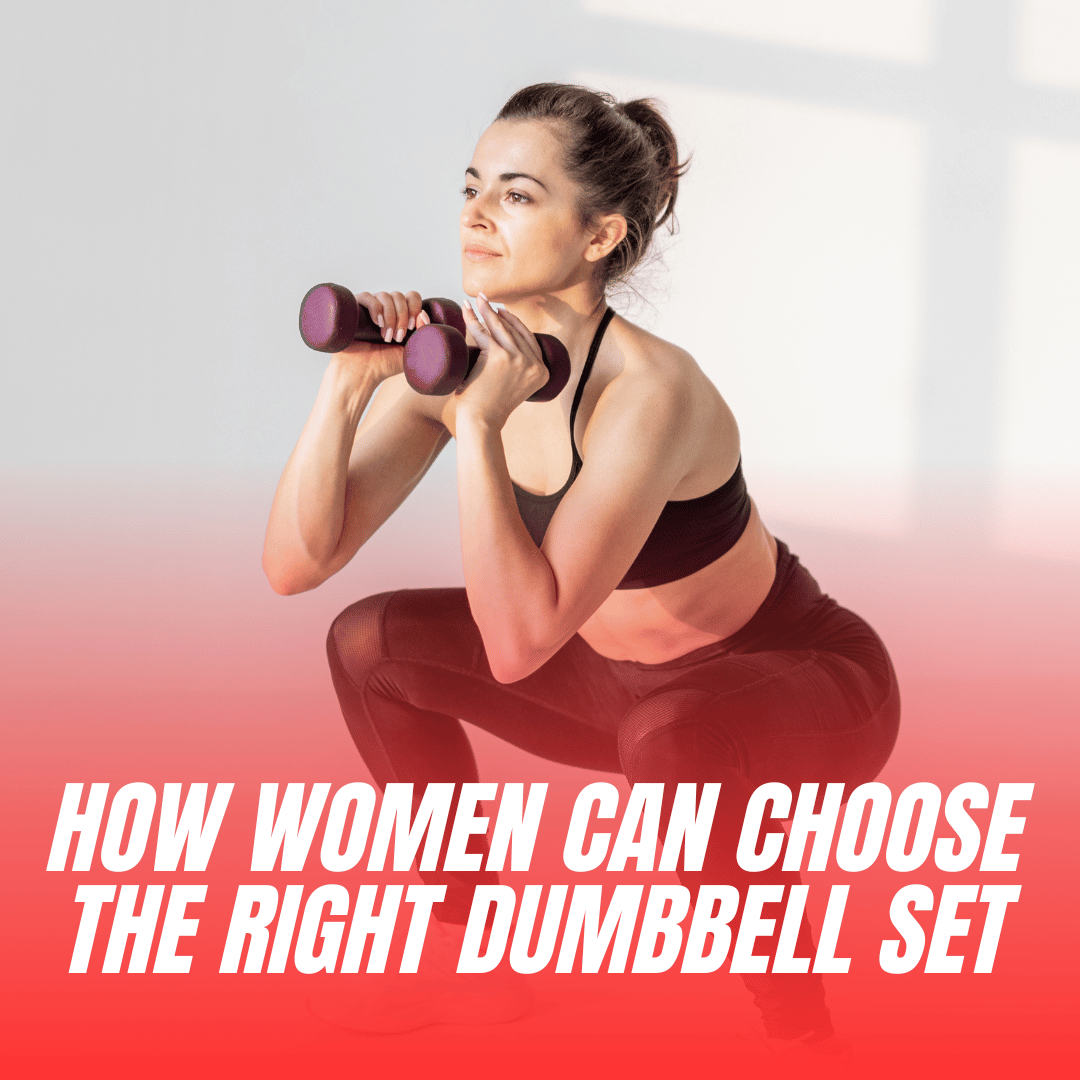
Choose dumbbell weight based on the exercise you do. Some exercises need lighter weights for control. Others need heavier weights to build strength. For example, use lighter dumbbells for arm curls and heavier weights for squats or lunges. Adjust the weight depending on muscle size and exercise difficulty.
Listen To Your Body
Pay attention to how your body feels during workouts. The right weight should challenge muscles but not cause pain. Stop if you feel sharp pain or discomfort. Muscle fatigue and slight soreness are normal after exercise. Rest and recovery are important for progress. Trust your body’s signals and adjust weights accordingly.
Credit: wersports.com
Benefits Of Starting Light
Starting with light dumbbells is smart for females new to strength training. It helps build strength safely and effectively. Light weights allow better control and focus on form. This approach leads to steady progress without overwhelming the muscles.
Choosing lighter weights reduces risks and prepares your body for heavier loads later. It also suits various exercises and muscle groups. Understanding these benefits can guide you in picking the right dumbbells for your fitness journey.
Prevent Injuries
Using light dumbbells helps protect joints and muscles. It lowers the chance of strains or sprains. You learn proper form before adding more weight. This reduces stress on your body during workouts. Injury prevention keeps you consistent and motivated.
Build Foundation
Light weights build muscular endurance and strength gradually. They improve your mind-muscle connection. This foundation supports future muscle growth and heavier training. Starting light helps muscles adapt without fatigue. It sets the stage for safe, long-term progress.
Adaptability For Muscle Groups
Different muscles need different weights for best results. Smaller muscles like arms work well with lighter dumbbells. Larger muscles such as legs handle heavier weights. Light dumbbells offer flexibility for many exercises. This variety improves overall strength and balance.
Weight Recommendations For Beginners
Choosing the right dumbbell weight is key for beginners. The right weight helps you build strength safely and effectively. Starting too heavy can cause injury. Starting too light might not challenge your muscles enough. Focus on weights that feel comfortable but still require effort.
Weights For Smaller Muscles
Smaller muscles like biceps and shoulders need lighter weights. Start with dumbbells around 1 to 3 kg. These weights allow controlled movements and reduce strain. Using lighter weights helps improve form and avoids overworking these muscles. You can increase weight once you feel stronger.
Weights For Larger Muscles
Larger muscles such as legs and back can handle heavier weights. Begin with dumbbells between 3 to 5 kg. These weights provide enough resistance to build strength without causing injury. Larger muscles usually recover faster and adapt quicker. Choose weights that let you complete 10 to 12 reps with good form.
Adjusting As You Progress
Your strength will improve with regular training. Gradually increase dumbbell weight to keep challenging your muscles. Add 0.5 to 1 kg increments as you get comfortable. Listen to your body and avoid sudden big jumps. Progress slowly to build muscle and prevent injuries. Track your progress to stay motivated and safe.

Credit: www.youtube.com
Factors Affecting Dumbbell Weight
Choosing the right dumbbell weight depends on several key factors. These factors help you pick a weight that suits your body and workout goals. Selecting the correct dumbbell weight ensures safety and effective training.
Understanding these elements allows you to progress steadily and avoid injury. Below are the main factors that influence the dumbbell weight choice for females in kilograms.
Fitness Level
Your current fitness level affects the dumbbell weight you should use. Beginners need lighter weights to learn proper form. Advanced lifters can handle heavier weights to build strength. Start light and increase weight as you get stronger. This approach helps prevent injuries and improves muscle control.
Exercise Type
Different exercises require different weights. Smaller muscle exercises like bicep curls need lighter dumbbells. Larger muscle exercises like squats or deadlifts require heavier weights. Adjust the weight based on the muscle group and exercise intensity. This method ensures effective and balanced muscle development.
Body Weight
Your body weight can guide your dumbbell weight selection. People with higher body weight often start with heavier dumbbells. Those with lower body weight may begin with lighter weights. Use your body weight as a rough reference to find a comfortable starting point. This helps tailor workouts to your body’s needs.
Personal Preference
Personal comfort and confidence influence dumbbell weight choice. Some prefer lighter weights for more reps and endurance. Others choose heavier weights for fewer reps and strength. Listen to your body’s feedback during workouts. Choose weights that feel challenging but manageable to maintain motivation.
Common Starting Weight Ranges
Choosing the right dumbbell weight is important for every woman starting strength training. The weights you use should match your fitness level and goals. Starting with the correct weight helps avoid injury and builds confidence. Below are common starting weight ranges for females in kilograms.
Lightweights (1-3 Kg)
Lightweights are ideal for beginners or those new to strength training. These dumbbells help focus on learning proper form. They are perfect for exercises targeting smaller muscles like shoulders and arms. Lightweights allow controlled movements and reduce injury risk. They also build endurance before moving to heavier weights.
Moderate Weights (4-6 Kg)
Moderate weights suit women with some experience or moderate strength. These weights work well for compound exercises like squats and lunges. They challenge muscles more but still allow safe control. Moderate dumbbells help improve muscle tone and build strength steadily. Switching to this range shows progress in your fitness journey.
Heavier Options (7+ Kg)
Heavier dumbbells are for women with good strength and training background. These weights increase muscle power and size. Exercises with heavier dumbbells require good form and control. Using heavier weights helps break fitness plateaus and boosts muscle growth. Choose this range only after mastering lighter weights safely.
Tips For Safe Weight Training
Safe weight training is key for steady progress and injury prevention. Using the right techniques helps build strength without harm. Follow these tips to protect your body while lifting dumbbells.
These tips are especially important for women starting with weights in kilograms. Proper care leads to better results and confidence in your workouts.
Focus On Form
Always keep your body aligned during exercises. Good form targets muscles correctly and avoids strain. Use a mirror or ask for guidance to check your posture. Move slowly and control each lift. Proper form beats heavier weights every time.
Avoid Pain
Listen to your body’s signals. Sharp or lasting pain means stop immediately. Mild muscle burn is normal but pain is not. Rest and adjust your routine if discomfort occurs. Protect joints and muscles by warming up before lifting.
Gradual Weight Increase
Start with light dumbbells that feel manageable. Increase weight slowly as strength improves. Small jumps in weight reduce injury risk. Focus on steady gains rather than quick progress. This approach helps build lasting muscle safely.
Equipment Options
Choosing the right dumbbells depends on your needs and workout style. Different equipment options suit various goals and spaces. Knowing the types helps you pick what fits best for your fitness journey. This section explains common dumbbell options for females starting with weights in kilograms.
Fixed Weight Dumbbells
Fixed weight dumbbells come in one solid weight. You select the dumbbell with the weight you want. These are simple and easy to use. They do not require adjustment between exercises. Ideal for beginners who want a consistent weight. Common weights for females range from 2 kg to 8 kg. They offer durability and stability during workouts. Fixed dumbbells are often found in gyms and home gyms.
Adjustable Dumbbells
Adjustable dumbbells allow changing the weight on one set. You add or remove plates to reach your desired weight. This saves space and money. Great for women who want to increase weights gradually. Typical adjustable sets start at 1 kg and go up to 10 kg or more. They suit varied workouts needing different weights. Easy to store and perfect for small home gyms.
Home Vs Gym Choices
Gyms usually provide a wide range of dumbbell weights. You can try different weights without buying them. Home dumbbells must fit your space and budget. Fixed dumbbells are better for larger home gyms. Adjustable dumbbells suit smaller spaces and budget limits. Choose based on your workout frequency and room size. Both options help build strength effectively.
Frequently Asked Questions
What Weight Dumbbells Should I Start With As A Female?
Start with 2-4 kg dumbbells to master form and avoid injury. Use lighter weights for small muscles, heavier for legs. Increase weight gradually as strength improves. Choose weights based on your fitness level and exercise type. Always listen to your body’s feedback during workouts.
What Size Weight Should A Woman Use For Toning Arms?
Women should start with 2-5 kg dumbbells for arm toning. Choose lighter weights for smaller muscles and increase gradually. Focus on form and avoid strain. Adjust weight based on exercise type and personal strength to ensure effective, safe toning.
Are 2kg Weights Enough To Tone Arms?
Yes, 2kg weights can tone arms for beginners by improving muscle endurance. Gradually increase weight for better results.
Is A 2 Kg Dumbbell Enough For A Woman?
A 2 kg dumbbell suits beginners or light toning exercises for women. Increase weight as strength improves. Choose based on your fitness goals and exercise type.
Conclusion
Choosing the right dumbbell weight helps you train safely and effectively. Start with lighter weights to learn good form and avoid injury. Use different weights for various exercises to target all muscle groups well. Increase weight slowly as your strength grows.
Listen to your body and focus on steady progress. This approach builds strength without strain or frustration. Keep your routine simple and consistent for the best results. Remember, the right weight is personal and changes as you improve. Stay patient and enjoy your fitness journey.