If you want to build a strong, well-defined chest, mastering the dumbbell fly is a game-changer. This exercise targets your chest muscles in a unique way, giving you a deep stretch and helping to shape and tone your pecs like few other moves can.
But doing it wrong can lead to strain or injury, and you don’t want that. That’s why it’s important to learn the right form and techniques before you start lifting heavy. Keep reading, and you’ll discover exactly how to do the dumbbell fly safely and effectively—so you can get the results you want without risking your shoulders or elbows.
Your chest workout is about to get a serious upgrade!
Credit: kinxlearning.com
Dumbbell Fly Basics
The dumbbell fly is a classic chest exercise that shapes and tones the chest muscles. It focuses on stretching and contracting the chest for better muscle growth. This exercise uses a wide arm movement, which differs from pressing movements that push weights up. Understanding the basics is key to performing the dumbbell fly safely and effectively. Below are essential points to help you get started.
Muscles Worked
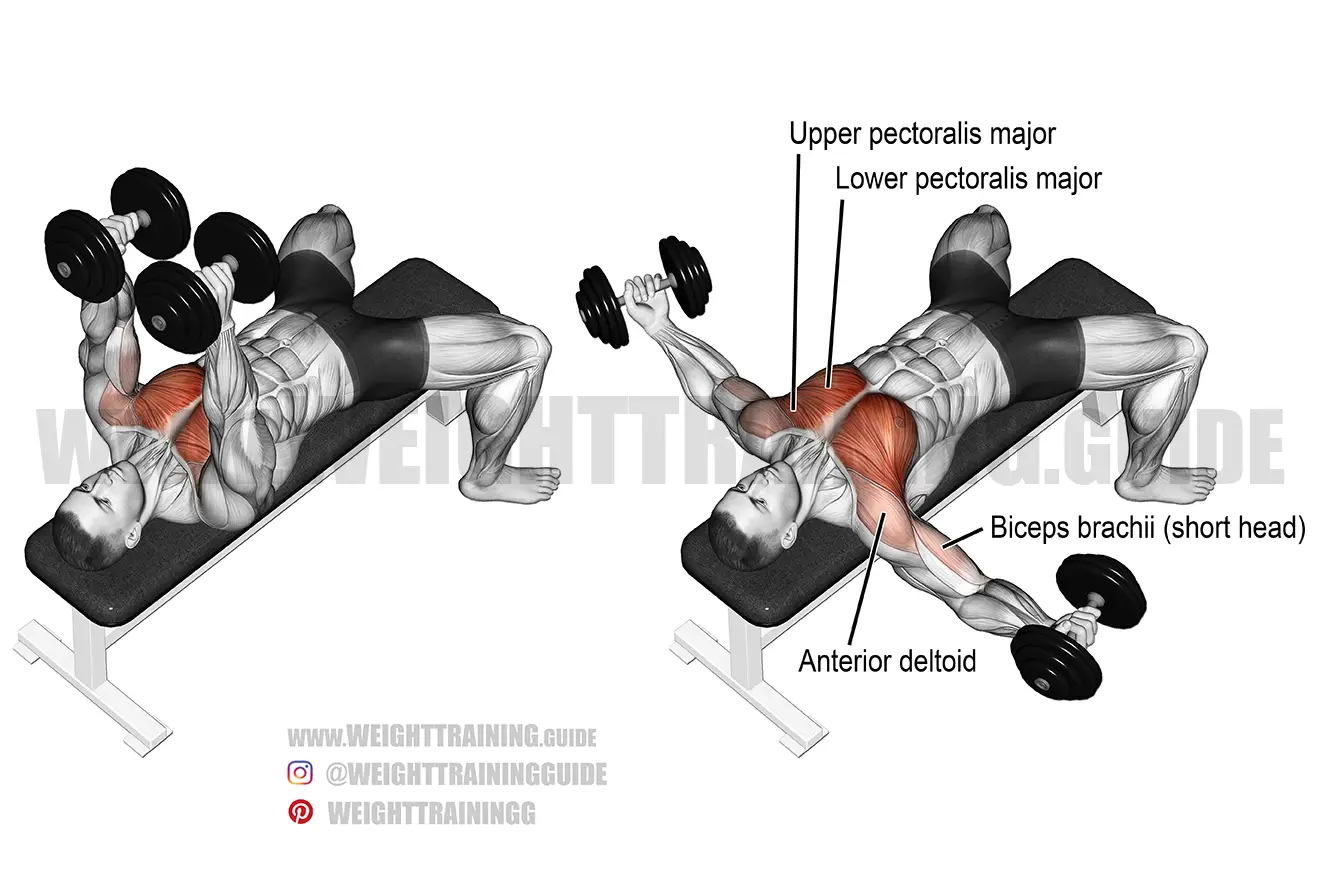
The dumbbell fly mainly targets the pectoralis major, the large chest muscle. It also works the smaller pectoralis minor beneath it. Your shoulders, especially the anterior deltoids, assist during the movement. The exercise involves your biceps and stabilizing muscles in the arms and upper back. This combination helps improve chest shape and arm strength.
Equipment Needed
To perform dumbbell flies, you need a pair of dumbbells. Choose weights that match your strength and control ability. A flat, incline, or decline bench provides support and helps target different chest areas. If no bench is available, you can do flies lying on the floor. Proper equipment ensures safe and effective workouts.
Flat, Incline, And Decline Variations
Flat bench dumbbell flies work the middle chest area. Your body lies flat, and arms open wide to stretch the chest. Incline bench flies target the upper chest. The bench angle is raised, placing more focus on the upper pectoral muscles. Decline bench flies emphasize the lower chest. The bench tilts downward, shifting the load to the lower pecs. Each variation changes the muscle focus and adds variety to your routine.
Step-by-step Form
Performing the dumbbell fly with proper form is key for safety and results. This step-by-step guide breaks down the movement to help you perform it correctly. Each part of the motion focuses on control and muscle engagement. Follow these steps to work your chest effectively and avoid injury.
Starting Position
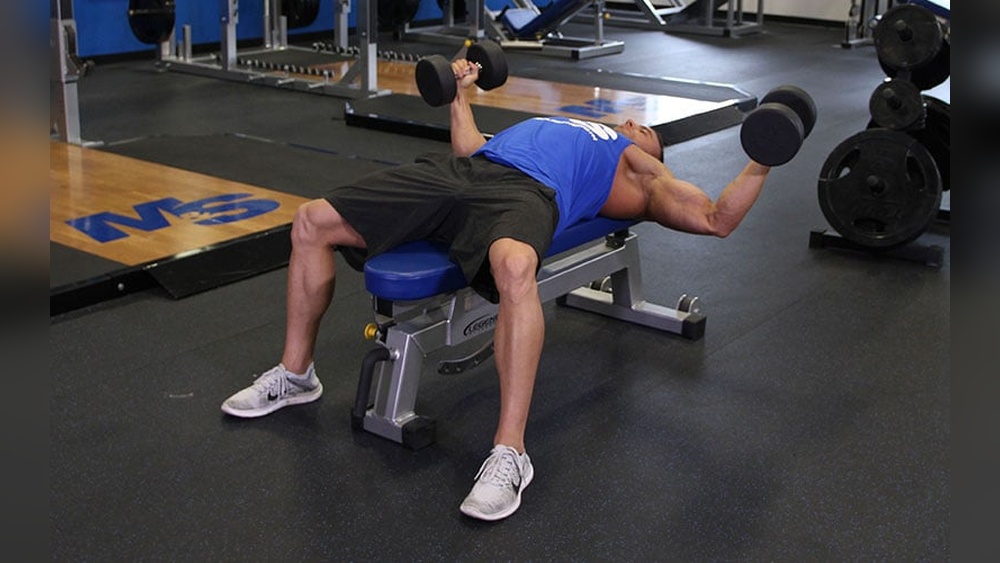
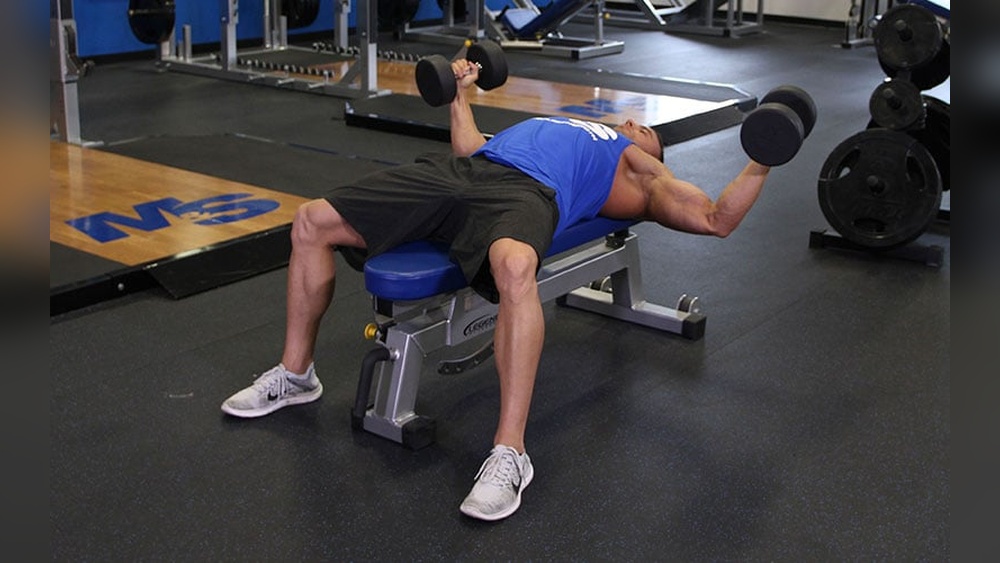
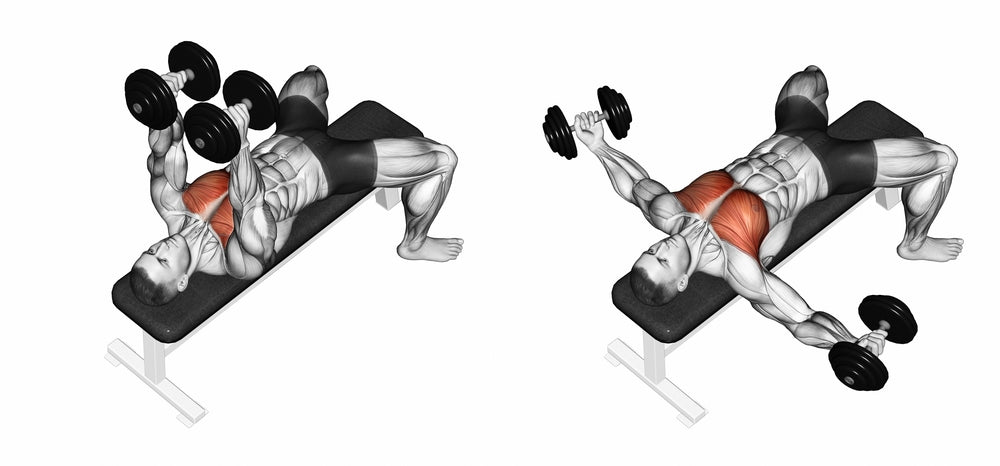
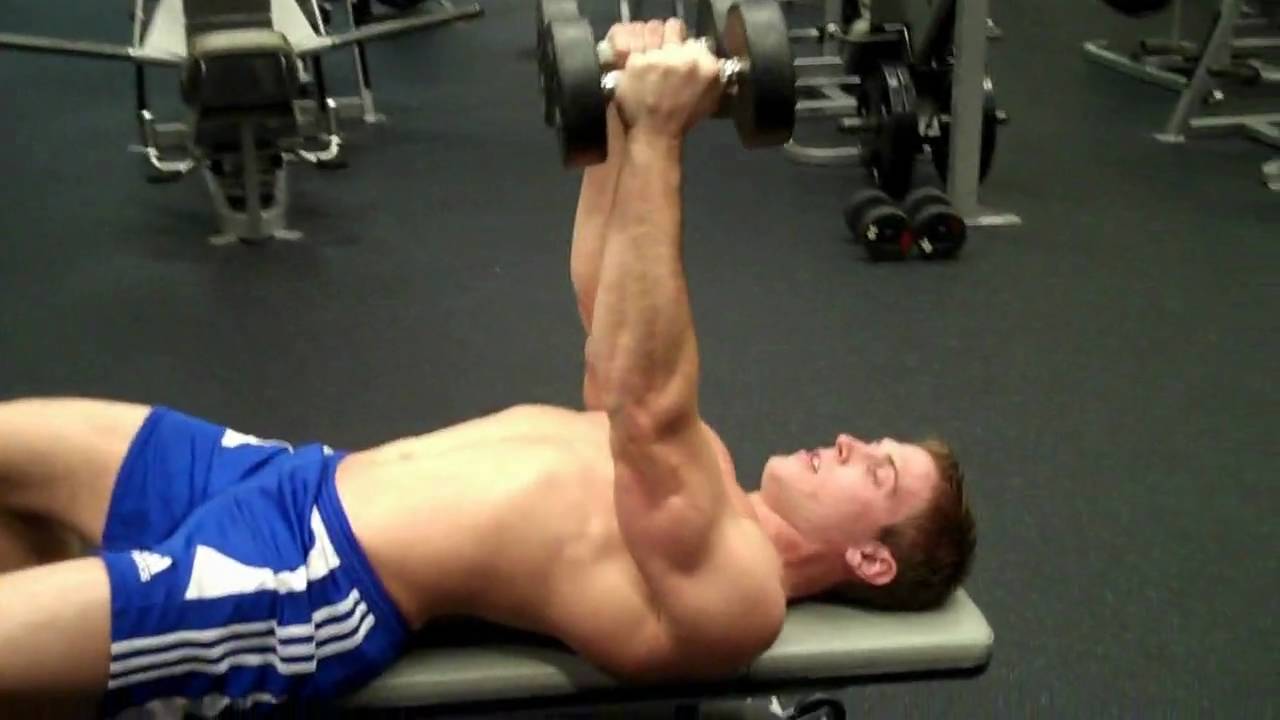
Begin by lying flat on a bench with a dumbbell in each hand. Hold the dumbbells above your chest with your arms fully extended. Keep your feet flat on the floor for balance. Maintain a slight bend in your elbows to protect your joints. Your palms should face each other throughout the exercise.
Arm And Elbow Placement
Lower your arms slowly to the sides in a wide arc. Keep the elbows slightly bent and fixed in that position. Avoid locking or fully straightening your arms. The elbows guide the movement and reduce strain on your shoulder joints. Focus on feeling a stretch in your chest muscles as you lower the weights.
Range Of Motion
Lower the dumbbells until your upper arms are parallel to the floor or slightly below. Do not go too deep to prevent shoulder injury. Pause briefly at the bottom of the movement. Bring the dumbbells back up by squeezing your chest muscles. Keep the motion controlled and steady for maximum muscle activation.
Breathing Technique
Inhale slowly as you lower the dumbbells to your sides. Exhale steadily while bringing the weights back up. Proper breathing supports muscle control and endurance. Avoid holding your breath during the exercise. This breathing pattern helps maintain rhythm and focus throughout the set.
Common Mistakes
Many beginners make common mistakes when performing the dumbbell fly. These errors can reduce the exercise’s effectiveness and increase injury risk. Avoiding these mistakes helps you gain better muscle control and chest development. Pay attention to your form and weight choices to get the best results safely.
Overextending Shoulders
Stretching your arms too far back strains the shoulder joints. This overextension can cause pain or injury. Keep a slight bend in your elbows and stop when you feel tension in your chest. Control the movement and avoid forcing your arms beyond a comfortable range.
Using Too Heavy Weights
Lifting weights that are too heavy leads to poor form. It forces other muscles to help, reducing chest activation. Choose a weight that challenges you but allows smooth, controlled motions. This practice improves muscle growth and lowers injury risk.
Locking Elbows
Fully straightening or locking your elbows shifts focus from the chest to the joints. It increases stress on your elbow and reduces chest muscle engagement. Keep a slight bend in your elbows throughout the exercise to protect your joints and target the chest better.
Poor Wrist Alignment
Bending or twisting your wrists causes discomfort and can lead to injury. Keep your wrists in a neutral position, aligned with your forearms. This alignment improves grip stability and keeps the focus on your chest muscles during the fly.
Benefits Of Dumbbell Flys
Dumbbell flys offer several benefits for chest training. They focus on stretching and contracting the chest muscles deeply. This action helps build muscle size and shape effectively. The exercise also improves the flexibility of the chest area. It targets the chest muscles from different angles than pressing movements. This variety aids in better overall chest development and muscle definition.
Chest Muscle Growth
Dumbbell flys stretch the chest muscles fully. This stretch triggers muscle fibers to grow larger. The exercise isolates the chest, helping to build muscle size. It complements pressing exercises for a balanced chest workout. Regular practice increases muscle mass and strength.
Improved Flexibility
The wide arm motion in dumbbell flys enhances chest flexibility. It stretches the pectoral muscles gently but deeply. Increased flexibility reduces injury risk during other workouts. It also improves posture by opening up the chest area.
Enhanced Muscle Definition
Dumbbell flys help sculpt the chest by separating muscle groups. They engage smaller chest muscles often missed by presses. This leads to clearer muscle lines and better chest shape. The exercise tones the chest, making muscles more visible.
Targeting Chest Angles
Changing bench angles alters the muscle focus during dumbbell flys. Flat, incline, or decline positions hit different chest parts. This approach ensures full development across the chest muscles. It prevents muscle imbalances and enhances overall chest strength.
Safety Tips
Performing dumbbell flys safely is essential to avoid injuries and get the best results. Proper technique and mindful movement protect your muscles and joints. Follow these safety tips to keep your workout effective and injury-free.
Control And Tempo
Move the dumbbells slowly and with control. Avoid fast or jerky motions. A steady tempo reduces the risk of muscle strain. Lower the weights gently to feel the stretch. Pause briefly at the bottom. Then lift back up smoothly. This controlled movement keeps tension on the chest muscles.
Warm-up Importance
Always warm up before starting dumbbell flys. Warm muscles are less likely to get hurt. Do light cardio or dynamic stretches for 5-10 minutes. Perform a few reps with light weights. This prepares your chest, shoulders, and arms. A good warm-up improves blood flow and flexibility.
Shoulder Blade Positioning
Keep your shoulder blades pulled back and down. This stabilizes your shoulders during the exercise. Avoid letting them roll forward or shrug. Proper shoulder blade positioning protects your joints. It also helps target the chest muscles better. Focus on maintaining this posture throughout the set.
Avoiding Joint Strain
Do not stretch your arms too far back. Overextending can strain shoulder joints. Keep a slight bend in your elbows at all times. This reduces pressure on the joints. Stop the movement if you feel pain or discomfort. Use weights that you can handle without forcing. Joint safety helps you train longer and stronger.
Credit: www.pressmatik.com.br
Advanced Variations
Advanced variations of the dumbbell fly add challenge and variety to your workout. They target your chest muscles differently, promoting balanced growth. These variations also engage stabilizer muscles more, improving overall strength and coordination.
Trying new forms keeps your routine fresh. It helps avoid plateaus and boosts muscle development. Below are four effective advanced dumbbell fly variations to try.
Standing Dumbbell Fly
Stand with feet shoulder-width apart, holding dumbbells at your sides. Keep a slight bend in your elbows. Raise your arms to the front, bringing dumbbells together at chest level. Lower slowly to start. This variation strengthens your chest and improves balance.
Floor Dumbbell Fly
Lie flat on the floor with dumbbells in hand. Extend your arms out to the sides, elbows bent slightly. Bring dumbbells up above your chest, squeezing your chest muscles. The floor limits your range of motion, reducing shoulder stress. It’s a safe option for joint care.
Using Resistance Bands
Attach resistance bands to a sturdy anchor behind you. Hold the band handles while standing. Perform the fly motion by pulling the bands forward and together. Resistance bands add constant tension through the movement, increasing muscle activation and endurance.
Super Setting With Presses
Combine dumbbell flys with dumbbell presses in a superset. Do a set of flys, then immediately perform a set of presses. This method intensifies your chest workout and improves muscle endurance. It saves time and increases workout efficiency.
Integrating Into Workouts
Integrating the dumbbell fly into your workout routine boosts chest muscle growth and definition. It works best when combined with other chest exercises. Proper planning of sets, reps, and rest improves results. Gradually increasing difficulty helps avoid plateaus and promotes steady progress.
Combining With Press Exercises
Pair dumbbell flys with press exercises like bench press or push-ups. Presses focus on overall chest strength and pressing power. Dumbbell flys target chest muscles through a wide range of motion. This combination fully engages the chest for balanced growth. Start with presses to activate muscles, then use flys for isolation.
Reps And Sets For Hypertrophy
Perform 8 to 12 reps per set for muscle growth. Aim for 3 to 4 sets of dumbbell flys each session. Keep the weight moderate to maintain proper form. Avoid heavy weights that reduce your range of motion. Consistent reps and sets help maximize hypertrophy benefits.
Rest Periods
Rest 60 to 90 seconds between sets to recover muscle energy. Short rest keeps muscles under tension for growth. Longer rest may reduce workout intensity. Adjust rest time based on your fitness level. Controlled rest helps maintain good form during flys.
Progression Strategies
Increase dumbbell weight gradually as strength improves. Add more sets or reps over time for challenge. Try different bench angles like incline or decline for variety. Focus on slow, controlled movement to increase muscle tension. Track progress to stay motivated and improve results.
Credit: www.youtube.com
Frequently Asked Questions
How To Correctly Do Dumbbell Flyes?
Lie on a flat bench holding dumbbells above your chest. Keep elbows slightly bent. Lower weights wide until you feel a chest stretch. Bring dumbbells back up by squeezing your chest. Maintain controlled, slow movements and avoid locking elbows. Focus on form to prevent injury and maximize muscle engagement.
Are Dumbbell Flys Effective?
Yes, dumbbell flys effectively target chest muscles by providing a deep stretch. They enhance muscle growth, definition, and flexibility. Use controlled movements with proper form to maximize benefits and reduce injury risk. Combining flys with pressing exercises improves overall chest development and strength.
What Angle Should Dumbbell Flys Be At?
Dumbbell flys should be performed at a 30-45 degree incline for upper chest focus or flat for overall chest activation. Keep elbows slightly bent throughout.
How Heavy Should Your Dumbbell Fly?
Choose dumbbell fly weights that allow controlled, smooth motion with a slight elbow bend. Start light to avoid injury and focus on muscle stretch. Adjust weight to maintain proper form and avoid shoulder strain. Prioritize form over heaviness for effective chest development.
Conclusion
Dumbbell fly exercises help build and shape your chest muscles well. Focus on slow, controlled movements to avoid injury. Start with light weights to learn the right form. Remember to keep your elbows slightly bent during each rep. Consistency is key for seeing results over time.
Combine dumbbell flies with other chest workouts for best gains. Always listen to your body and rest when needed. With patience and effort, your chest strength and definition will improve steadily.