Are you ready to step into the ring but unsure about your boxing glove size? Choosing the right glove size isn’t just about comfort—it’s about safety, performance, and protecting both you and your training partner.
If your gloves are too small, your hands won’t have enough support. Too big, and you’ll lose control and speed. Don’t worry, though. This guide will help you find the perfect boxing glove size quickly and easily, so you can focus on training and winning.
Keep reading to discover the simple steps that will transform your boxing experience.

Credit: www.smai.com
Boxing Glove Sizes
Choosing the right boxing glove size is important for comfort and protection. Gloves that fit well help avoid injuries. They also improve your performance during training or matches.
Several factors determine the best glove size for you. These include the glove’s weight, your hand size, and the glove type. Understanding these factors makes selecting gloves easier.
Weight In Ounces
Boxing gloves come in different weights measured in ounces (oz). Common weights range from 8 oz to 20 oz. Lighter gloves offer more speed and are used in competitions. Heavier gloves give more padding and protect hands during training. The weight you need depends on your boxing activity and body weight.
Hand Circumference
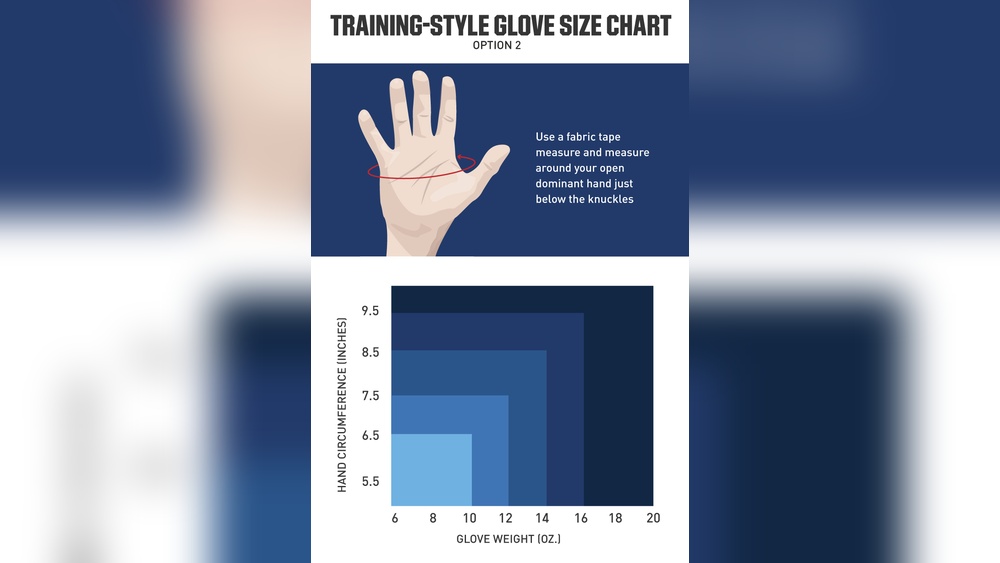
Measuring your hand circumference helps find the right glove size. Use a tape measure around the widest part of your hand, excluding the thumb. This number guides you to a glove size that fits snugly. Proper fit keeps your hand stable and safe inside the glove.
Common Size Categories
Boxing gloves are grouped into size categories by weight and hand size. For example, 8 oz and 10 oz gloves suit fighters under 120 pounds. Gloves from 12 oz to 16 oz fit most adults for training and sparring. Larger gloves, like 18 oz or 20 oz, offer extra protection for heavy training. Choose a category that matches your hand size and boxing goals.

Credit: www.proboxingequipment.com
Measuring Your Hand
Measuring your hand is the first step in finding the right boxing glove size. Proper measurement ensures comfort and protection during training or fights. A well-fitted glove improves your performance and prevents injury.
Tools Needed
To measure your hand, you only need a few simple tools. A flexible measuring tape works best. If you do not have one, use a piece of string and a ruler. Make sure the tools are easy to handle and precise.
Step-by-step Measurement
Wrap the measuring tape around the widest part of your hand. This is usually just below the knuckles, excluding the thumb. Note the measurement in inches or centimeters. Next, measure the length of your hand from the tip of your middle finger to the base of your palm. Write down both numbers. Compare these measurements with a boxing glove size chart to find your perfect fit.
Tips For Accuracy
Measure your hand while it is relaxed and open. Avoid squeezing or stretching your fingers. Take measurements more than once to ensure consistency. Use the larger measurement if sizes fall between two options. Measuring at the end of the day can help, as hands may swell slightly.
Choosing Glove Weight
Choosing the right glove weight is crucial for comfort and performance in boxing. Gloves come in different weights measured in ounces (oz). The weight affects padding, protection, and speed. Knowing the best weight for your activity helps avoid injury and improves training results. Below are guidelines for selecting glove weight based on your boxing needs.
For Sparring
Sparring gloves usually weigh between 14 and 16 ounces. These gloves have extra padding to protect both fighters. Heavier gloves reduce the risk of injury during practice. They also slow down punches, allowing safer contact. Using the right weight helps build endurance and conditions your hands and arms.
For Bag Work
Bag gloves are lighter, often 12 to 14 ounces. They have less padding to give better feedback on punches. Lighter gloves help improve speed and power on the heavy bag. Choosing lighter gloves for bag work trains your technique and timing. This weight balances protection with the ability to hit hard.
For Competition
Competition gloves depend on the boxing rules and weight class. Usually, they range from 8 to 10 ounces. These gloves are lighter to increase punch speed and impact. Fighters use competition gloves to meet official standards. Selecting the correct weight ensures fairness and safety in the ring.
Glove Padding And Protection
Choosing the right boxing glove size is not just about fit. The padding and protection inside the glove play a key role. This padding cushions your hands and reduces the risk of injury. It also protects your training partner during sparring. Understanding glove padding helps you pick gloves that match your needs and training style.
Impact Absorption
Good gloves absorb the shock from punches well. They have layers of foam or gel padding to soften blows. This lowers the stress on your knuckles and wrists. Impact absorption helps prevent fractures and bruises. It also makes your punches safer and more controlled.
Hand And Partner Safety
Thicker padding guards your hands during hard hits. It also protects your partner from cuts or bruises. Proper glove protection reduces the chance of injuries on both sides. Safe gloves allow you to train harder without fear. Wearing gloves with enough padding is a must for sparring.
Effect On Training
Gloves with more padding can feel heavier but offer more protection. They help build strength and endurance during workouts. Lighter gloves allow faster punches and better technique practice. Choosing gloves with the right padding improves your training quality. It balances safety with performance needs.
Glove Fit And Comfort
Choosing the right boxing glove size is not enough for a great experience. The glove fit and comfort play a crucial role in your performance and safety. Gloves that fit well protect your hands and wrists during intense training or matches. Comfort allows you to focus on your technique without distractions. Understanding how gloves should feel helps you pick the best pair for your needs.
Importance Of Proper Fit
Proper glove fit prevents injuries to your hands and wrists. Gloves that are too tight restrict blood flow and cause discomfort. Loose gloves reduce control and increase the risk of slipping during punches. A good fit keeps your hand snug while allowing slight movement. This balance ensures protection and ease of motion.
Adjusting With Hand Wraps
Hand wraps add extra support and cushioning inside gloves. They help secure your wrist and knuckles for better stability. Wraps can adjust the glove fit by filling empty space. Using wraps properly enhances comfort and reduces impact stress. Always wrap your hands before wearing gloves to improve fit and protection.
Signs Of Poor Fit
Pain or numbness in fingers signals a poor glove fit. Blisters and chafing show that gloves rub against your skin. Gloves that slide or feel loose cause control issues. Tight gloves make it hard to make a fist or breathe. Watch for discomfort and adjust size or wrap thickness to fix these problems.
Glove Materials And Durability
Choosing the right boxing glove is not only about size but also about the materials and durability. The gloves need to protect your hands and last through tough training sessions. Different materials affect comfort, wear, and how long the gloves will stay in good shape.
Durability matters because worn-out gloves can cause injuries. Knowing the difference in materials helps pick gloves that match your training style and budget.
Leather Vs Synthetic
Leather gloves are strong and last a long time. They offer good breathability and comfort. Leather molds to your hand over time, making them feel custom-made.
Synthetic gloves cost less and are easier to clean. They are lighter but usually wear out faster. They can be a good choice for beginners or casual use.
Leather gloves resist sweat and damage better. Synthetic gloves might crack or peel after heavy use.
Maintenance Tips
Keep gloves dry after every use to avoid bad smells and bacteria. Use a towel to wipe inside and outside.
Air them out by leaving the gloves open in a cool place. Avoid direct sunlight which can dry out materials.
Use glove deodorizers or stuff them with newspaper to absorb moisture. Clean the surface with a damp cloth and mild soap.
When To Replace Gloves
Replace gloves if padding feels flat or hard. This reduces protection and increases injury risk.
Look for cracks or tears in the material. Damaged gloves do not provide enough support.
Smell is also a sign. If gloves smell bad even after cleaning, it may be time for new ones.
Worn-out gloves affect your training and safety. Check them regularly to know when to change.
Size Charts And Conversion
Choosing the right boxing glove size is crucial for comfort and safety. Size charts help you find the perfect fit. Conversion between brands and understanding international size differences also play key roles. This section explains how to use size charts and make accurate conversions.
Using Manufacturer Charts
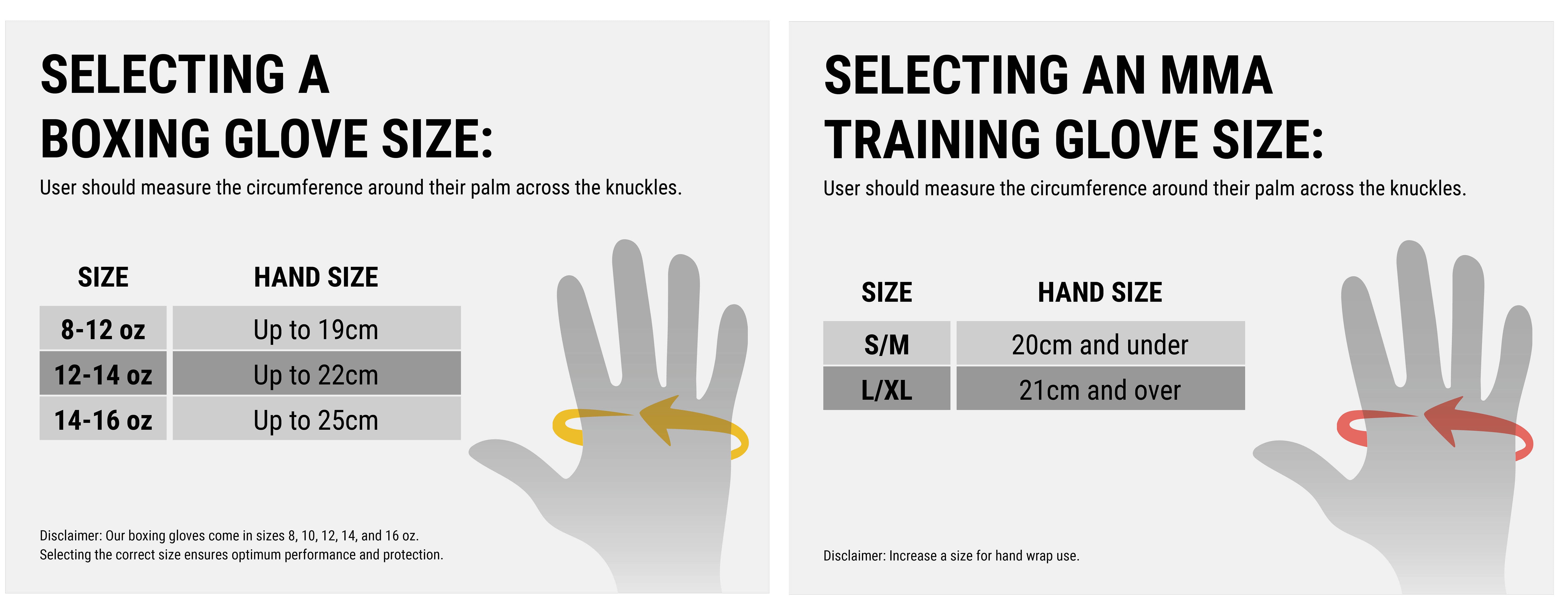
Most brands provide size charts on their websites. These charts list glove sizes by weight in ounces (oz). They also suggest sizes based on hand circumference or weight class. Check the chart before buying. Measure your hand carefully for the best match. Use the manufacturer’s chart as your first reference.
Converting Between Brands
Boxing glove sizes can vary between brands. One brand’s 12 oz glove may feel different from another’s. Always compare size charts from each brand. Some brands run larger or smaller. Reading customer reviews helps understand true fit. Convert sizes by matching hand measurements, not just ounce labels.
International Size Differences
Boxing glove sizes differ across countries. The US, Europe, and Asia may use different standards. US sizes usually use ounces. Europe sometimes uses centimeters for hand size. Check if the brand uses metric or imperial units. Convert sizes carefully when buying gloves internationally. This avoids fitting problems and discomfort.
Credit: backseatmafia.com
Common Mistakes To Avoid
Choosing the right boxing glove size is crucial for comfort and safety. Many make simple mistakes that affect their training or sparring sessions. Avoid these common errors to get the best fit and protection. Understanding what to consider helps prevent injuries and improves performance.
Choosing Based On Weight Alone
Weight is important but not the only factor. Gloves come in different weights like 8 oz, 10 oz, or 16 oz. Picking gloves just by weight can lead to poor fit. Your hand size and glove purpose also matter. A glove too heavy or light can cause discomfort or injury.
Ignoring Hand Wraps
Hand wraps add extra bulk to your hands. They protect your knuckles and wrist during boxing. Gloves should fit well over wrapped hands, not just bare hands. Buying gloves without considering wraps may make them too tight or too loose. Always measure your hand with wraps on before choosing gloves.
Overlooking Purpose Of Gloves
Gloves have different uses like sparring, bag work, or competition. Each type needs a different size and padding level. Sparring gloves often have more padding for safety. Bag gloves are lighter for speed and technique. Using the wrong gloves for your activity can reduce protection and effectiveness.
Frequently Asked Questions
How Do You Know Your Size Boxing Gloves?
Measure your hand circumference around the knuckles with a tape. Match the measurement to glove size charts. Choose weight based on training type.
What Do 14 Oz Gloves Mean In Boxing?
14 oz boxing gloves weigh 14 ounces and provide moderate padding. They suit sparring, heavy bag work, and protect both hands and opponents. These gloves balance protection and speed, making them ideal for training and conditioning.
Should I Get 12 Oz Or 16 Oz Boxing Gloves?
Choose 12 oz gloves for speed, bag work, and technique. Pick 16 oz gloves for sparring, protection, and muscle conditioning.
How Big Are 12 Oz Boxing Gloves?
12 oz boxing gloves typically measure about 10-11 inches in length and fit hand circumferences of 7-8 inches. They offer moderate padding, ideal for bag work and training rather than heavy sparring.
Conclusion
Choosing the right boxing glove size protects your hands and improves performance. Measure your hand carefully and consider your training type. Lighter gloves suit speed and technique, while heavier ones offer more padding. Remember, comfort and fit matter most during fights or workouts.
Take your time finding gloves that feel secure and natural. This simple step helps you train safely and confidently every time.

