You’ve invested in a quality bike helmet to keep your head safe, but how do you protect it when you’re not riding? Leaving your helmet unlocked can lead to theft or damage, costing you time and money.
You want a simple, effective way to secure your helmet quickly—without hassle. In this guide, you’ll discover easy steps and smart tips to lock your bike helmet the right way, so you can ride with peace of mind every time.
Keep reading to learn how to protect your gear like a pro.

Credit: www.reddit.com
Why Locking Your Helmet Matters
Locking your bike helmet is more important than many riders think. Helmets are easy targets for thieves. Leaving your helmet unsecured can lead to loss and extra costs. Protecting your helmet helps keep your gear safe and your wallet happy.
Common Helmet Theft Scenarios
Thieves often steal helmets left unlocked outside stores or cafes. Helmets hanging on bike handlebars attract quick grabs. Even in busy places, helmets can disappear fast. Theft happens in parking lots, parks, and bike racks. Simple steps like locking your helmet reduce these risks.
Cost Of Replacing Stolen Helmets
Helmets can be expensive to replace. A good-quality helmet costs between $50 and $200. Buying a new helmet means spending money you did not plan for. Losing a helmet also means losing safety protection. Locking your helmet saves money and keeps you safe.
Types Of Helmet Locks
Choosing the right lock for your bike helmet is important. Different locks offer different levels of security and ease of use. Knowing the types of helmet locks helps you pick one that fits your needs. Here are some common types of helmet locks.
Cable Locks
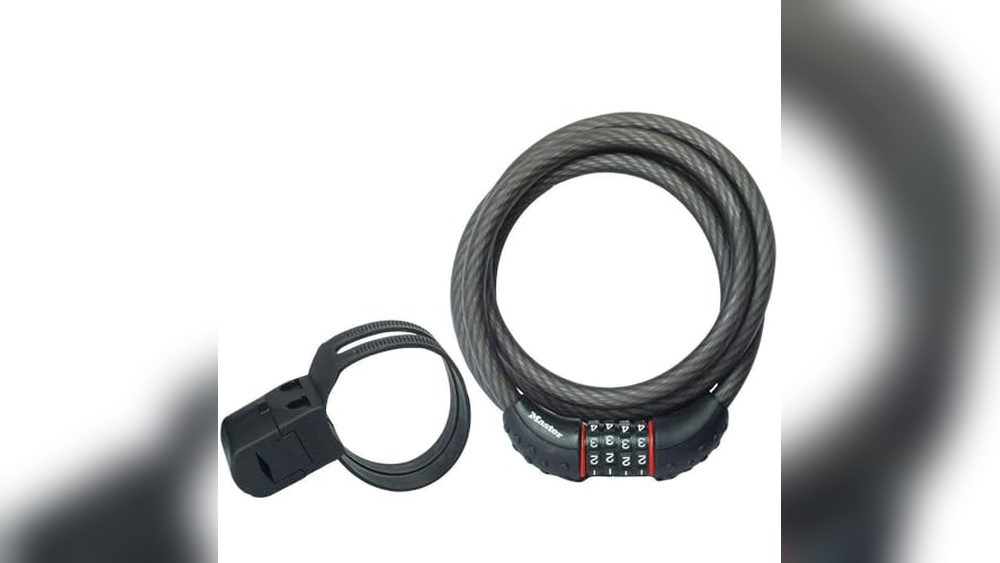
Cable locks are flexible and easy to carry. They use a steel cable that loops through your helmet straps. You can attach the cable to a bike frame or a fixed object. They are lightweight but less secure than other locks. Good for short stops.
U-locks
U-locks are strong and hard to cut. They have a rigid metal bar shaped like a “U.” You can lock your helmet to a bike or a solid post. These locks are heavier but provide better protection. Ideal for longer parking times.
Chain Locks
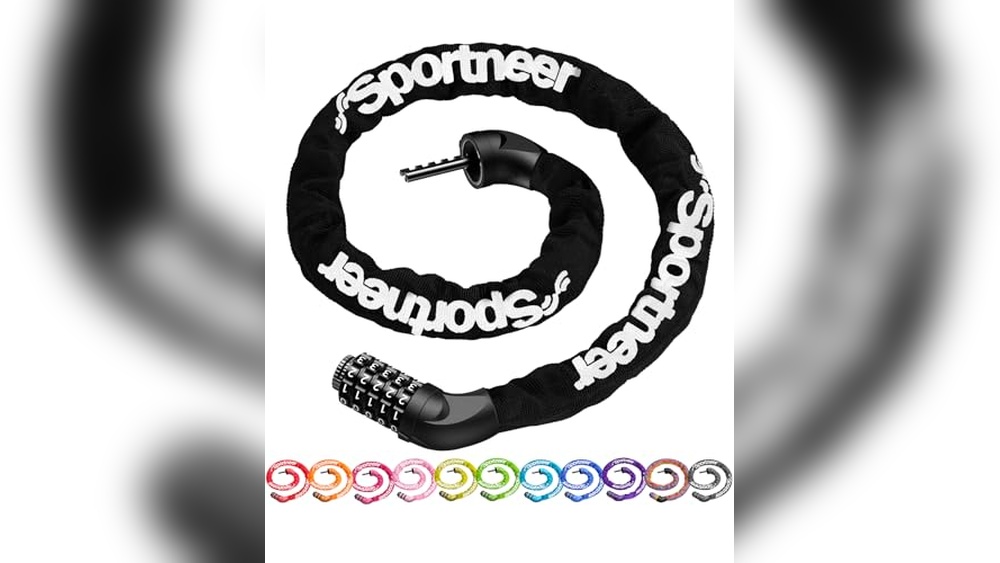
Chain locks use thick metal links. They wrap around your helmet and a fixed object. Chains are tough and hard to break. They are heavier and less flexible than cable locks. Good for high-risk areas.
Specialized Helmet Locks
These locks are made just for helmets. Some attach inside the helmet with a small cable. Others clip to the helmet vents. They are designed to be compact and easy to use. Perfect for quick locking and unlocking.
Choosing The Right Lock
Choosing the right lock for your bike helmet is important to keep it safe. Different locks offer various features. Pick one that fits your needs and budget. Consider where you will lock your helmet and how often.
Security Level
Choose a lock that provides strong protection. Some locks resist cutting or picking better. A lock with a thick cable or solid chain is safer. Check lock reviews to find secure options. Avoid cheap locks that break easily.
Portability
Pick a lock that you can carry easily. Lightweight and compact locks are best for travel. Some locks fold or roll up small. Heavy locks can be hard to bring on rides. Think about how you will carry it every day.
Ease Of Use
Choose a lock that is simple to use. Locks with keys or combination dials work well. Avoid locks that are hard to open or close. A quick lock saves time and hassle. Try the lock before buying if possible.
Price Considerations
Locks come in many price ranges. More expensive locks often offer better security. Set a budget and find the best lock in that range. Cheap locks can be risky but fit tight budgets. Balance cost with safety and convenience.
Step-by-step Helmet Locking Techniques
Keeping a bike helmet safe is important to avoid theft or damage. Using the right locking techniques helps protect your helmet. Follow these simple steps to lock your helmet properly and keep it secure.
Securing Through Helmet Vents
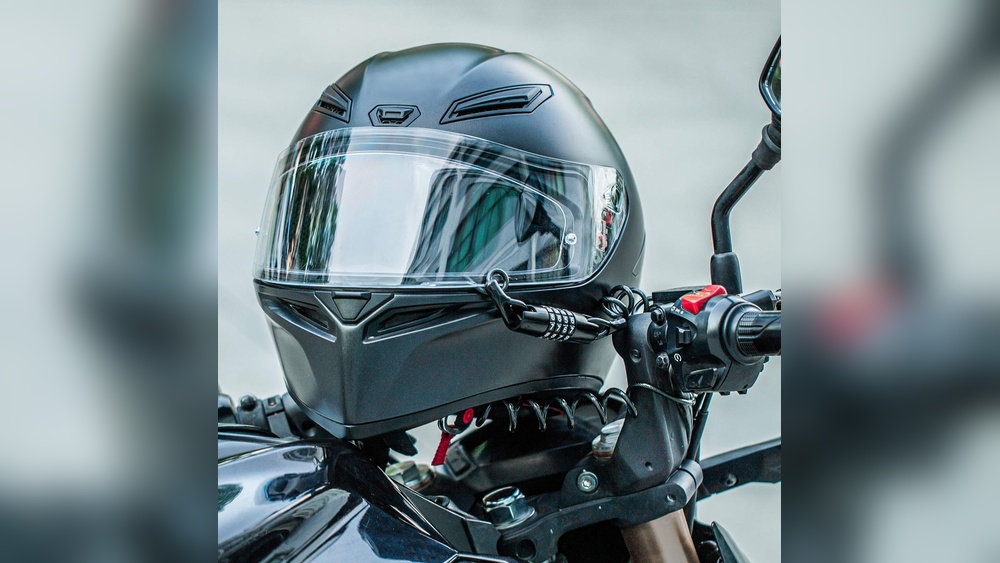
Most bike helmets have vents. These holes provide good places to thread a lock. Pass a small U-lock or cable lock through the vents. Make sure the lock goes through at least two vents. This stops the helmet from being easily taken. Avoid putting pressure on the helmet shell. Thread the lock gently to prevent damage.
Locking With Your Bike Frame
Attach the helmet to the bike frame for extra security. Use a lock to connect the helmet vents and the frame. Choose a strong part of the frame, like the top tube or seat post. Avoid locking to quick-release parts. This method keeps both bike and helmet together. It lowers the chance of someone stealing just the helmet.
Using A Locking Cable Properly
Use a locking cable designed for bike accessories. Loop the cable through the helmet vents and around a fixed object. Tighten the cable to remove slack. Secure the lock tightly to prevent easy removal. Check the cable for cuts or wear before use. A strong cable works better and keeps the helmet safe longer.
Additional Tips To Protect Your Helmet
Protecting your bike helmet goes beyond just locking it up. Taking extra steps helps keep your helmet safe and in good shape. These tips help you avoid damage and loss. They also make your helmet last longer.
Using Helmet Bags
Helmet bags shield your helmet from scratches and dust. They are lightweight and easy to carry. Use a bag whenever you store or carry your helmet. It keeps the helmet clean and safe from small hits.
Storing Helmets Indoors
Store helmets inside to avoid weather damage. Sun, rain, and cold can weaken the helmet’s materials. Pick a dry, cool spot inside your home. This simple step protects your helmet from breaking down.
Marking Your Helmet For Identification
Mark your helmet with your name or a unique sign. Use a permanent marker or stickers. This helps find your helmet if lost or stolen. It also deters thieves from taking it.

Credit: ryvid.com
Common Mistakes To Avoid
Securing your bike helmet properly is essential to keep it safe. Many people make simple errors that put their helmets at risk. Avoiding these mistakes helps protect your gear and saves money.
Leaving Helmets Unlocked
Some leave helmets unlocked, hoping no one will steal them. This mistake makes theft easy. Always lock your helmet to prevent quick snatching.
Using Weak Locks
Cheap or weak locks break fast. Thieves can cut them in seconds. Invest in a strong lock designed for helmets and bikes.
Locking To Unstable Objects
Locking a helmet to a weak or moving object is risky. Such objects can be removed or fall. Use a solid pole or bike rack for better security.

Credit: www.youtube.com
Frequently Asked Questions
How Can I Lock My Bike Helmet Securely?
Use a helmet lock or cable lock to secure your helmet to the bike frame. Thread the lock through helmet vents or straps to prevent theft.
What Is The Best Way To Prevent Helmet Theft?
Always lock your helmet to a fixed part of your bike when unattended. Remove detachable parts and keep the helmet in sight if possible.
Can I Use A Regular Bike Lock For My Helmet?
Yes, a regular bike lock can secure your helmet if it fits through the helmet vents or straps. Ensure the lock is tight and tamper-resistant.
Are Helmet Locks Easy To Carry While Riding?
Helmet locks are compact and lightweight, making them easy to carry. Choose foldable or cable locks for convenience and better portability.
Conclusion
Keeping your bike helmet safe is important for every rider. Use a strong lock and secure it to a fixed object. Always check the lock before leaving your bike. A little care helps prevent theft and saves money. Remember, a locked helmet stays with you.
Protect your gear, stay safe, and enjoy your ride!