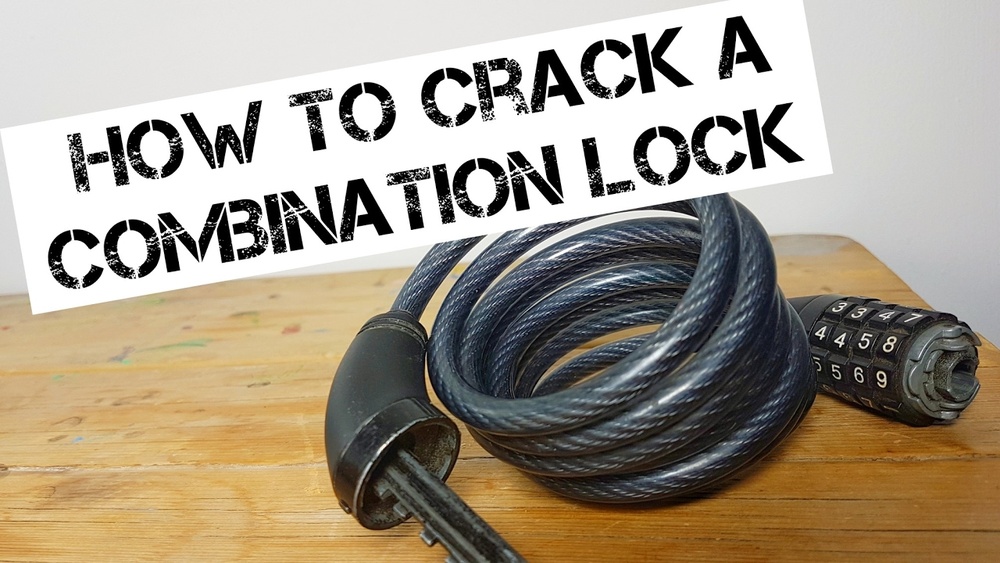
You’ve invested time and money into your bike, so protecting it should be a top priority. But are you locking it correctly?
A simple mistake can turn your trusted lock into an easy target for thieves. Imagine walking away with peace of mind, knowing your bike is secure every time you leave it. You’ll discover the most effective ways to lock your bike, avoid common errors, and keep your ride safe.
Keep reading—your bike’s safety depends on it.
Credit: hiplok.com
Choosing The Right Lock
Choosing the right lock is key to keeping your bike safe. Not all locks offer the same protection. Picking a strong lock reduces the risk of theft. Consider the type, strength, and price before buying. A good lock fits your needs and budget.
Types Of Bike Locks
There are several types of bike locks. U-locks are strong and hard to break. Cable locks are flexible but less secure. Chain locks offer good strength but can be heavy. Folding locks combine convenience and decent protection. Choose the type that matches your daily use and risk level.
Lock Strength And Security Ratings
Lock strength matters most for safety. Look for locks with high security ratings. Ratings show how well a lock resists cutting or picking. A strong lock often has a thick shackle and tough materials. Check product labels or reviews for security scores. This helps you avoid weak locks that thieves can break easily.
Budget Considerations
Price affects lock quality and security. Cheap locks may save money but risk theft. Invest a bit more in a lock with good ratings. Set a budget and compare locks within that range. Balance cost with the level of protection your bike needs. Spending wisely keeps your bike safer without overspending.
Ideal Locking Techniques
Locking your bike correctly is key to keeping it safe. Using the right techniques makes theft much harder. Knowing where and how to lock your bike helps protect your ride every time.
Focus on securing the most valuable parts and attaching your bike to something solid. Avoid common errors that thieves exploit. Follow these ideal locking techniques to secure your bike well.
Securing The Frame And Wheels
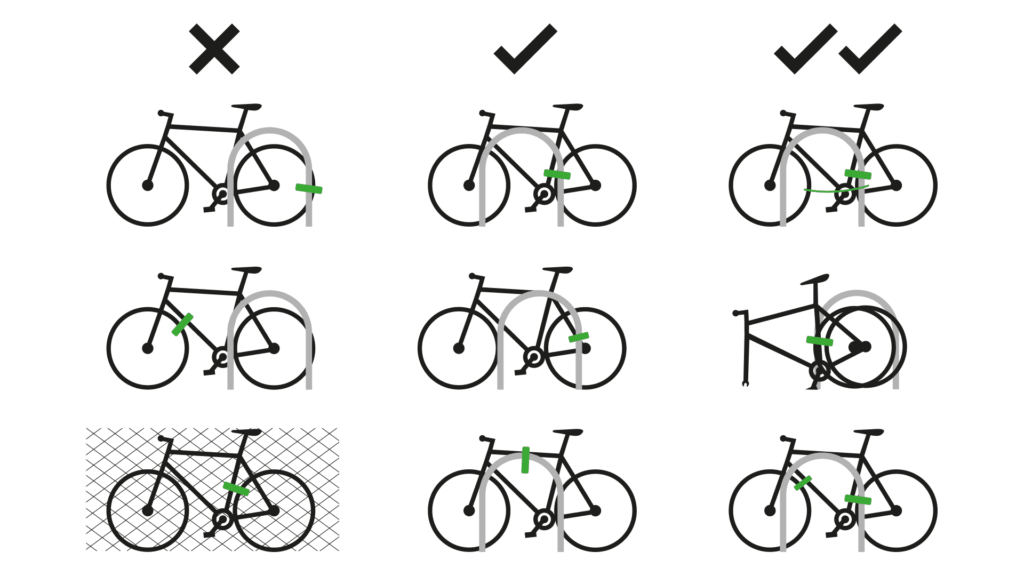
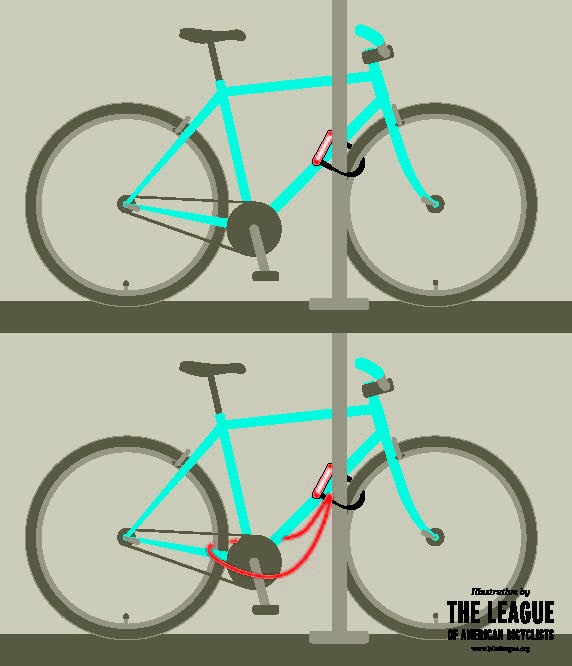
Always lock the bike frame, not just the wheels. The frame is the main part and harder to remove. Use a strong lock to secure the frame to a fixed object.
Lock at least one wheel, preferably the rear wheel. This stops thieves from taking parts easily. If possible, use a second lock for the front wheel.
Locking To Fixed Objects
Choose a solid, immovable object to lock your bike. Look for bike racks, poles, or sturdy fences. Make sure the object cannot be cut or lifted.
Check the object’s height and width. It should prevent the bike from being lifted over or slid out. Avoid locking to trees or thin posts.
Avoiding Common Locking Mistakes
Never lock your bike to a small or weak object. Thieves can easily break or move these. Avoid leaving space inside the lock loop.
Do not lock only the front wheel. Thieves can remove the wheel and take the rest. Also, avoid locking in dark or hidden areas.
Always double check your lock before leaving. A loose or damaged lock is not safe. Proper locking keeps your bike secure and peace of mind high.
Selecting Safe Parking Spots
Choosing the right place to park your bike is important. A safe parking spot lowers the chance of theft. It also keeps your bike in good condition. Consider where you leave your bike carefully. Some spots are better than others for security.
High Traffic And Well-lit Areas
Park your bike where many people pass by. Busy places help stop thieves. Thieves avoid crowded spots. A well-lit area makes your bike visible at night. Lighting also deters criminals. Choose spots near shops or busy streets.
Using Designated Bike Racks
Use bike racks made for locking bikes. These racks hold your bike steady. They let you lock the frame and wheels. Avoid locking to small or weak objects. Designated racks are safer and more secure. They also prevent damage to your bike.
Avoiding Isolated Or Risky Locations
Stay away from quiet or hidden areas. Isolated spots give thieves a chance. Avoid parking behind buildings or in alleys. Dark corners or empty parking lots are risky. Choose places where you can see your bike easily.
Additional Security Measures
Extra steps can boost your bike’s safety. Simple actions reduce theft risk. Use more than one method for better protection. These additional security measures help keep your bike safe in busy places.
Using Multiple Locks
Use more than one lock to secure your bike. A U-lock and a cable lock work well together. Lock the frame and both wheels to a fixed object. Thieves find it harder to break multiple locks. It takes more time and effort. This often stops them from stealing your bike.
Removing Accessories
Take off accessories when you leave your bike. Lights, bags, and quick-release seats are easy targets. Removing them makes your bike less attractive. Thieves won’t get extra parts to sell. Keep your accessories with you for safety.
Registering Your Bike
Register your bike with local or online databases. This helps police identify your bike if stolen. Registration shows you own the bike. It also discourages thieves from stealing registered bikes. Use a clear photo and note your bike’s details. Registration is a simple way to protect your bike.
Maintenance Tips For Locks
Maintaining your bike lock ensures it works well and keeps your bike safe. Dirt and rust can stop locks from working. Small problems can turn into big ones quickly. Regular care helps avoid lock failures. It also saves money by extending the lock’s life.
Regular Cleaning And Lubrication
Clean your lock often to remove dust and grime. Use a soft cloth and mild soap. Avoid harsh chemicals that can damage the lock. After cleaning, dry the lock fully to stop rust. Apply lubricant inside the keyhole and moving parts. Use a lubricant made for locks, like graphite or silicone spray. This keeps the lock smooth and easy to open.
Inspecting For Damage
Check your lock for signs of wear and tear. Look for rust, cracks, or bent parts. Test the key and locking mechanism regularly. If the lock feels stiff or the key sticks, it may need attention. Catching damage early helps avoid lock failure. Replace or repair damaged parts before they cause problems.
Replacing Worn Locks
Old locks lose strength and security over time. Replace locks that show heavy rust or broken parts. A worn lock is easier to break. Choose a new lock with good reviews and strong materials. A fresh lock provides better protection for your bike. Don’t wait for a lock to fail before replacing it.
Credit: kdfoundation.org

Credit: www.denmanbikeshop.com
Frequently Asked Questions
How Do I Lock My Bike To Prevent Theft?
Always lock your bike frame and wheels to a sturdy, immovable object. Use a high-quality U-lock and secure both the frame and rear wheel. Avoid locking only the front wheel, as it can be easily removed.
What Type Of Lock Is Best For Bike Security?
U-locks and heavy-duty chain locks offer the best security. They are resistant to cutting tools. Avoid cable locks alone, as they are easy to break. Combining two types of locks increases protection.
Where Is The Safest Place To Lock A Bike?
Lock your bike in a well-lit, busy area with high foot traffic. Secure it to a fixed object that cannot be easily cut or removed. Avoid isolated or hidden spots to deter thieves.
Can I Lock My Bike Indoors For Extra Safety?
Yes, locking your bike indoors adds extra protection. Use a lock even inside garages or apartments. Indoor locking reduces exposure to weather and theft risks, especially in shared spaces.
Conclusion
Locking your bike correctly keeps it safe and secure. Always use a strong lock and fix it to a solid object. Choose a busy and well-lit place to park your bike. Remember to lock both the frame and wheels. Taking these simple steps helps stop thieves.
Protect your bike with care every time you park. Stay safe and enjoy your rides with peace of mind.