Are you looking to take your push-up game to the next level? Maybe you’ve heard about doing push-ups on dumbbells but aren’t sure if it’s really better for you.
What if this simple change could boost your strength, improve your wrist comfort, and challenge your muscles in a whole new way? Keep reading to discover how push-ups on dumbbells might be the secret to making your workouts more effective—and how you can do them safely to get the best results.
Your next breakthrough could be just a few reps away.
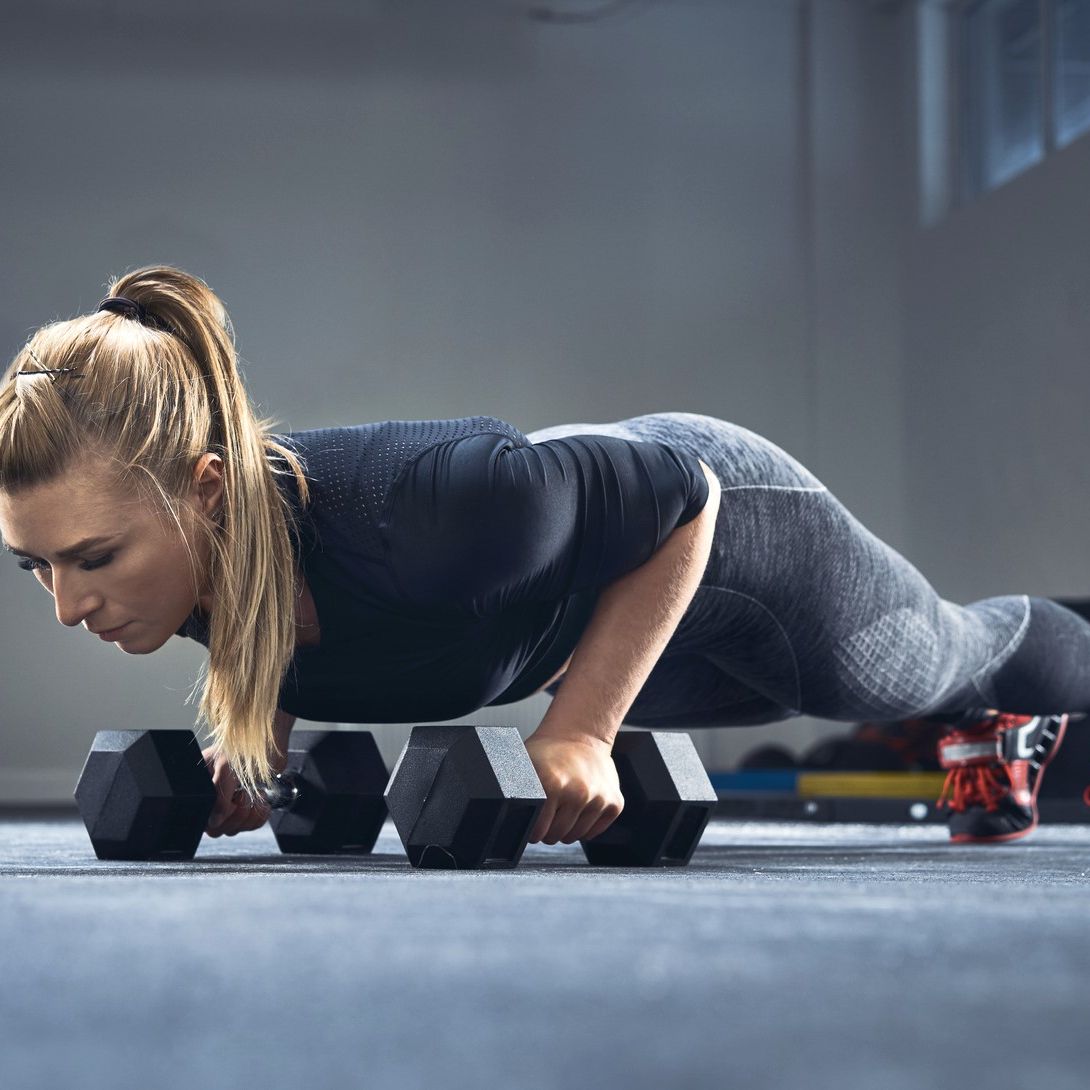
Credit: www.tomsguide.com
Benefits Of Dumbbell Push Ups
Dumbbell push ups offer distinct benefits over regular push ups. They target muscles differently and help improve strength and stability. Using dumbbells adds variety to your routine and can make workouts more effective.
These push ups focus on muscle control and joint health. They help build better muscle balance and reduce injury risks. Many people find them comfortable and practical for home workouts.
Increased Range Of Motion
Dumbbells raise your hands off the ground. This allows your chest to go lower than in normal push ups. A deeper push up stretches muscles more. This stretch helps build stronger chest and shoulder muscles.
Enhanced Muscle Activation
Holding dumbbells requires more muscle effort. Your arms, chest, and core work harder to keep balance. This extra effort activates more muscle fibers. As a result, strength and muscle tone improve faster.
Improved Wrist Comfort
Dumbbells allow a neutral wrist position. This reduces strain and pain in the wrists. People with wrist issues can do push ups more easily. It also helps prevent wrist injuries during workouts.
Strength Gains Comparison
Strength gains depend on the type of push up you choose. Both dumbbell push ups and standard push ups build muscle and increase strength. Understanding their differences helps you pick the best option for your fitness goals.
Let’s compare how each exercise affects your muscles and strength development.
Dumbbell Push Ups Vs. Standard Push Ups
Dumbbell push ups use handles that raise your hands off the ground. This increases the range of motion, making your muscles work harder. Standard push ups keep your hands flat on the floor, with a shorter movement range.
Because dumbbell push ups challenge your muscles more, they can lead to faster strength gains. Standard push ups still build strength but may reach a limit sooner for advanced lifters.
Targeted Muscle Groups
Both exercises work the chest, shoulders, and triceps. Dumbbell push ups also engage the forearms and wrists more. The extra grip strength needed helps these smaller muscles grow stronger.
Standard push ups focus on the chest and triceps but offer less wrist and forearm activation. Dumbbell push ups provide a more balanced muscle workout overall.
Progressive Overload Potential
Progressive overload means increasing the challenge to build strength over time. Dumbbell push ups allow easy adjustments by changing handle height or adding weight vests. This keeps muscles growing.
Standard push ups can also be modified but have fewer options for adding resistance. This limits strength gains after a certain point. Dumbbell push ups offer better long-term progression.
Stability And Balance
Push ups on dumbbells challenge your body in unique ways. They require more stability and balance than regular push ups. This makes your muscles work harder. The small adjustments your body makes help improve overall strength and control.
Core Engagement
Using dumbbells forces your core to work harder. Your stomach and lower back muscles tighten to keep you steady. This extra effort improves your posture. It also helps protect your spine during the exercise.
Shoulder Stability
Dumbbells allow your shoulders to move freely. This increases the demand on shoulder muscles to stay stable. It strengthens the small stabilizer muscles around your joints. Strong shoulders reduce the risk of injury in daily activities.
Impact On Coordination
Balancing on dumbbells improves your coordination. Your brain and muscles communicate better to maintain control. This helps with other sports and physical tasks. It also enhances your body awareness and movement precision.

Credit: www.youtube.com
Common Mistakes To Avoid
Push ups on dumbbells can boost strength and add variety. Yet, many make mistakes that reduce benefits and cause pain. Avoiding these common errors helps you train smarter and safer. This section covers three key mistakes to watch for.
Incorrect Hand Placement
Placing hands too wide or too narrow hurts your wrists and shoulders. Dumbbells should be shoulder-width apart for balance and control. Too wide means less chest activation and more joint stress. Too narrow puts strain on your elbows and limits movement.
Keep your wrists straight, gripping the dumbbells firmly. This improves stability and reduces wrist pain. Adjust hand position slowly to find what feels right.
Poor Form And Alignment
Dropping hips or raising your butt breaks proper form. Your body should form a straight line from head to heels. Look slightly ahead, not down, to keep neck neutral.
Elbows should bend at about 45 degrees from your body. Flared elbows increase shoulder risk. Lower yourself slowly and push back up with control. Good form works muscles better and prevents injuries.
Overtraining Risks
Doing too many push ups on dumbbells causes muscle strain and joint pain. Rest days are vital for muscle recovery and growth. Overtraining lowers strength and raises injury chances.
Listen to your body’s signals. Stop if you feel sharp pain or extreme soreness. Mix push ups with other exercises for balanced workouts. Quality beats quantity every time.
Tips For Effective Dumbbell Push Ups
Dumbbell push ups help build strength and improve stability. Doing them right prevents injury and makes workouts more effective. Follow these tips to get the most from each set.
Choosing The Right Dumbbells
Select dumbbells with a comfortable grip. They should not be too thick or slippery. Start with a light weight to focus on form. Increase weight slowly as strength grows. Hex-shaped dumbbells work well to keep them stable on the floor.
Maintaining Proper Technique
Keep your body straight from head to heels. Tighten your core to avoid sagging hips. Place dumbbells under your shoulders for balance. Lower your chest slowly toward the floor. Push back up smoothly without locking elbows.
Incorporating Variations
Try different hand positions to target muscles differently. Wide grip targets chest more. Close grip focuses on triceps. Add a row after each push up for back and arm strength. Change tempo by slowing down the movement for more control.
Who Should Try Dumbbell Push Ups
Dumbbell push ups offer a unique twist on the classic exercise. They add variety and challenge to your workout. Not everyone needs to do dumbbell push ups. Certain groups may find them especially useful. Understanding who benefits helps you decide if they fit your routine.
Beginners Vs. Advanced Lifters
Beginners should start with regular push ups. They build basic strength and form. Dumbbell push ups require more balance and control. Advanced lifters gain more from dumbbell push ups. They increase wrist mobility and depth in each rep. These push ups add intensity and variety for stronger muscles.
Rehabilitation And Injury Prevention
Dumbbell push ups can help during rehab. They allow a neutral wrist position. This reduces strain on weak joints. Physical therapists often suggest them for wrist or shoulder recovery. Controlled movement helps rebuild strength safely. This exercise supports injury prevention with proper form.
Athletic Performance Enhancement
Athletes benefit from dumbbell push ups. They improve core stability and upper body strength. The added grip challenge trains hand and wrist muscles. These push ups mimic real-life movements better. This enhances power and control in sports activities. They prepare athletes for dynamic and varied motions.

Credit: corestrengthblog.com
Frequently Asked Questions
Are Push Ups On Dumbbells More Effective Than Regular Push Ups?
Push ups on dumbbells increase range of motion and engage stabilizer muscles. This leads to better strength and muscle activation compared to regular push ups.
Do Dumbbell Push Ups Reduce Wrist Pain?
Yes, dumbbell push ups allow a neutral wrist position. This reduces strain and discomfort, making them ideal for people with wrist pain.
How Do Dumbbell Push Ups Improve Muscle Engagement?
Using dumbbells forces your muscles to stabilize more. This activates additional muscles in your chest, shoulders, and core for better overall workout results.
Can Beginners Do Push Ups On Dumbbells Safely?
Beginners can try dumbbell push ups with light weights. Proper form and gradual progression are key to avoid injury and build strength.
Conclusion
Push ups on dumbbells offer a unique challenge for your muscles. They improve wrist position and increase range of motion. You engage more muscles compared to regular push ups. This can lead to better strength and stability. Yet, they require good balance and control.
Beginners should start slowly to avoid injury. Choose the style that fits your fitness level and goals. Both types build upper body strength effectively. Try dumbbell push ups to add variety and intensity. Your body will respond well to consistent practice.
Keep pushing and stay strong!