You’ve just invested in a great bike rack for your hitch, but how do you keep it safe from theft? Knowing how to lock a bike rack to a hitch properly is key to protecting your gear and giving you peace of mind.
In this guide, you’ll discover simple, effective steps to secure your bike rack so you can focus on the ride ahead without worrying about losing your equipment. Keep reading to learn the best tips and tricks that anyone can use to lock their bike rack quickly and securely.

Credit: acquetech.com
Choosing The Right Lock
Choosing the right lock for your bike rack is important. It keeps your bike safe and gives peace of mind. Not all locks are the same. Some work better with hitch racks than others. Understanding the types, materials, and locking mechanisms helps you pick the best option.
Types Of Locks For Bike Racks
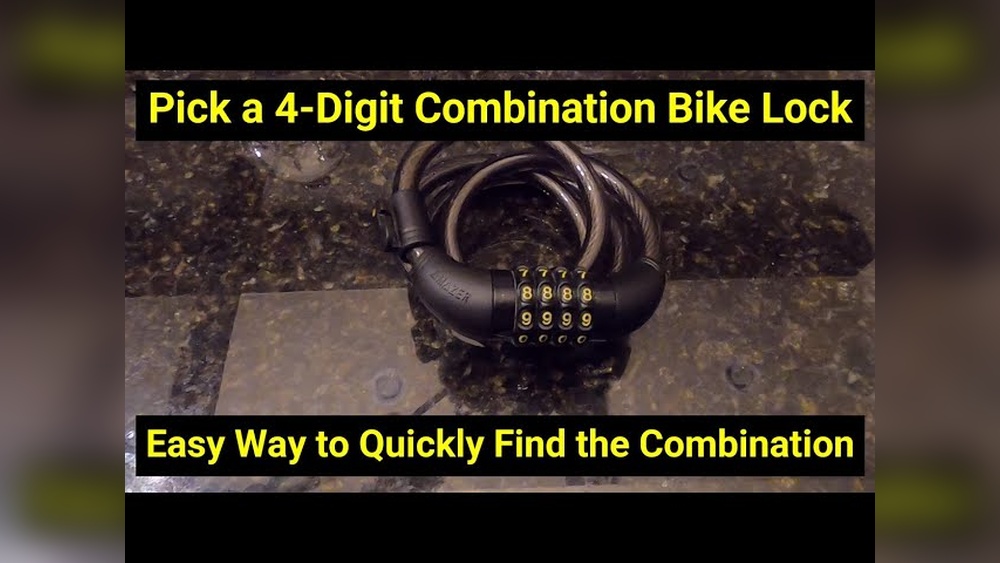
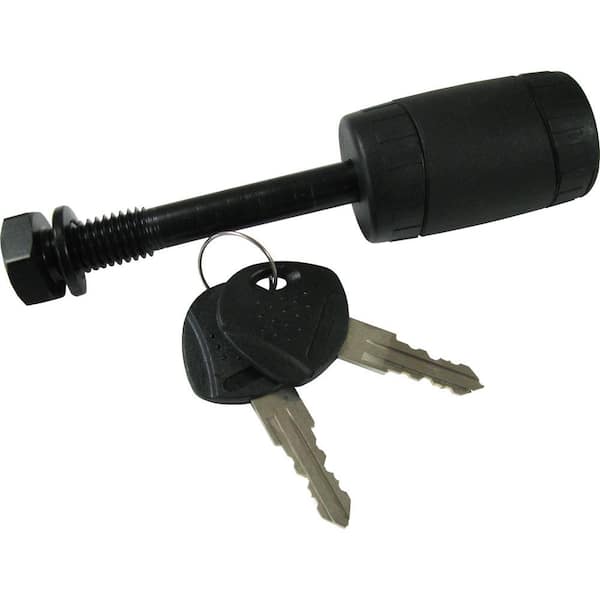
There are several types of locks for bike racks. Cable locks are flexible and easy to use. They wrap around the bike and rack but can be cut by thieves. U-locks are stronger and harder to break. They fit around the hitch and rack frame. Chain locks offer extra length and strength but can be heavy. Hitch pin locks secure the rack directly to the hitch. Each type has pros and cons depending on your needs.
Material And Durability
Lock materials affect strength and durability. Hardened steel is the best choice. It resists cutting and sawing. Some locks use alloy steel, which is lighter but less strong. Avoid locks with plastic parts on the shackle. They break easily. Look for locks with weather-resistant coatings. This stops rust and keeps the lock working well in rain or snow.
Locking Mechanisms Compared
Locks use different mechanisms to open and close. Key locks need a physical key for security. They are simple and reliable. Combination locks use a code instead of a key. They are easy to share but can be guessed. Some locks have disc mechanisms that resist picking. Pick a locking mechanism that matches your comfort and security needs.
Preparing Your Bike Rack
Preparing your bike rack before locking it to a hitch is key for safety and ease. Taking time to check and care for both the rack and hitch ensures a strong, secure fit. This preparation helps prevent damage and keeps your bike safe on the road.
Inspecting The Hitch And Rack
Start by looking closely at the hitch and bike rack. Check for cracks, rust, or worn parts. Make sure the hitch receiver is clean and free of dirt. Look at the rack’s locking mechanism and frame for any damage. Tighten loose bolts or screws. A thorough inspection helps avoid surprises on the road.
Cleaning And Maintenance Tips
Clean the hitch and rack with mild soap and water. Remove dirt, dust, and old grease. Dry them well to stop rust from forming. Apply a light coat of lubricant to moving parts. This keeps locks and hinges working smoothly. Regular cleaning extends the life of your bike rack and hitch.
Securing The Rack To The Hitch
Securing the bike rack to the hitch is important for safety and theft prevention. A properly locked rack stays in place during travel. It also keeps your bikes safe when unattended. Taking a few extra steps improves security and peace of mind. Below are simple tips to secure your bike rack firmly to the hitch.
Proper Lock Placement
Place the lock where it fits tightly around the hitch. The lock should go through the hitch receiver and the rack’s frame. Avoid gaps that allow movement or tampering. A snug fit stops the rack from sliding or wobbling. Choose a lock that matches the size of your hitch and rack parts. Correct placement makes stealing much harder.
Using Hitch Pins And Bolts
Use hitch pins or bolts to fasten the rack securely. These small parts hold the rack in place inside the hitch receiver. Choose locking hitch pins for extra security. Tighten bolts properly to avoid loosening during travel. Check these parts regularly for wear or damage. Proper use of pins and bolts prevents the rack from being easily removed.
Double Locking Techniques
Double locking adds another layer of protection. Use a lock on the hitch pin and another on the rack frame. This method forces thieves to break two locks. It slows down theft attempts and increases safety. Combining different types of locks can also confuse thieves. Double locking is a simple way to protect your bike rack better.
.jpg)
Credit: kdfoundation.org
Locking Your Bikes To The Rack
Locking your bikes to the rack is crucial for keeping them safe during travel. A strong lock stops thieves from stealing your bike. Use a good lock that fits the rack and your bike. Secure both the bike frame and the wheels to the rack. This way, your bike stays steady and protected.
Best Practices For Bike Locks
Choose a U-lock or heavy-duty cable lock for better security. Lock the frame and at least one wheel to the rack. Tighten the lock to reduce movement and noise. Position the lock where it is hard to reach with tools. Always check the lock before driving to confirm it’s secure.
Avoiding Common Mistakes
Do not lock only the wheel; thieves can remove the frame. Avoid thin or cheap locks that are easy to cut. Don’t leave the lock loose or hanging; it can damage the bike. Avoid locking your bike in places with poor visibility or low traffic. Check for any weak points in the bike rack and lock properly around them.
Additional Security Measures
Securing your bike rack to a hitch is essential for protecting your bikes. Basic locks help, but extra steps add stronger protection. These additional security measures reduce theft risk and give peace of mind.
Using Cable Locks And Chains
Cable locks and chains offer flexible locking options. Wrap them around the bike frame and rack. They help hold bikes tightly and stop quick snatching. Choose thick, cut-resistant cables or heavy-duty chains for better safety.
Installing Hitch Locks With Alarms
Hitch locks with alarms alert you if someone tries to tamper. The loud sound scares off thieves fast. These locks are simple to install and fit most hitch types. They add an active layer of defense to your rack.
Parking In Safe Locations
Choose well-lit and busy areas to park your vehicle. Thieves avoid places with many people or cameras. Parking near entrances or security posts also lowers theft chances. Safe locations work as a natural deterrent for bike rack theft.
Credit: www.homedepot.com
Maintenance And Regular Checks
Keeping your bike rack lock in good shape is key to protecting your bike. Regular maintenance helps avoid problems and keeps the lock working smoothly. Small checks save big troubles later.
Make it a habit to inspect and care for your lock. This keeps your bike rack secure and easy to use every time.
Inspecting Locks For Wear
Look closely at your lock for signs of damage. Check for rust, cracks, or bending. These can make the lock weak and easy to break.
Test the key or combination. It should turn smoothly without sticking. If it feels hard to open, the lock might need fixing or replacing.
Lubricating Lock Components
Use a silicone-based lubricant to keep the lock parts moving well. Avoid oil-based products as they attract dirt and dust.
Apply lubricant inside the keyhole and on moving parts. Wipe off any extra to prevent grime buildup. This helps the lock last longer and work better.
Frequently Asked Questions
How Do I Secure A Bike Rack To A Hitch?
Use a hitch lock designed for bike racks. Insert it through the hitch receiver and lock it tightly. This prevents theft and keeps your rack stable during travel.
What Tools Are Needed To Lock A Bike Rack?
You typically need a hitch lock and a key. Some locks come with a cable for extra security. No special tools are required for most hitch locks.
Can I Use A Cable Lock With A Hitch Lock?
Yes, combining a cable lock with a hitch lock adds extra protection. The cable secures the bikes, while the hitch lock secures the rack to your vehicle.
Are Hitch Locks Universal For All Bike Racks?
Most hitch locks fit standard 1. 25″ or 2″ hitch receivers. Always check your bike rack’s hitch size before buying a lock to ensure proper fit and security.
Conclusion
Securing your bike rack to a hitch keeps your bikes safe during travel. Use a strong lock and check it often. Tighten all parts to avoid movement and theft. Always park in well-lit, busy areas for extra safety. Taking simple steps protects your gear and gives peace of mind.
Locking the rack right makes every trip worry-free. Keep your bikes secure and enjoy your ride.