You’ve invested time and money in your bike, so keeping it safe is a must. But how do you lock your bike securely when using a short bike rack?
It’s not always easy to find the right spot or method, and a poorly locked bike can be an easy target for thieves. In this guide, you’ll discover simple, effective steps to lock your bike on a short bike rack and protect your ride wherever you go.
Keep reading to learn smart tips that will give you peace of mind every time you park.
Choosing The Right Lock
Choosing the right lock for a short bike rack is important to keep your bike safe. A good lock fits your bike and rack well. It should be strong but easy to carry. This helps protect your bike from theft without causing trouble.
Types Of Bike Locks
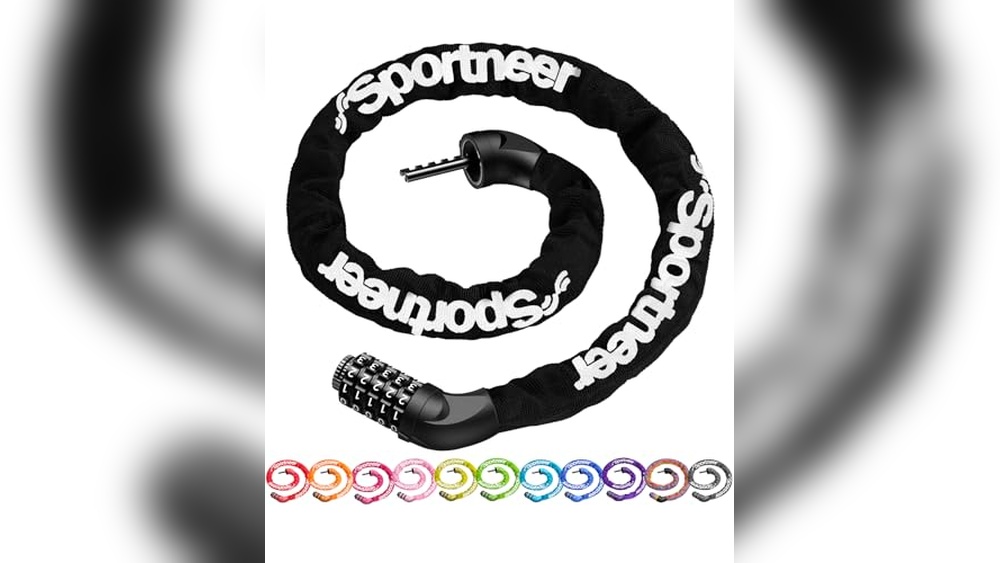
There are several types of bike locks. U-locks are very strong and hard to cut. Cable locks are flexible and light but less secure. Chain locks offer good strength but can be heavy. Folding locks balance strength and size well.
Lock Strength And Durability
Strong locks resist cutting and picking. Look for locks made with hardened steel. Avoid locks with plastic parts that break easily. A durable lock lasts longer and keeps your bike safer. Check for locks with good reviews on security.
Portability And Convenience
Portability matters if you carry your lock often. Lightweight locks are easier to carry on your bike or backpack. Some locks fold or coil for easy storage. Choose a lock that fits your daily travel needs without hassle.
Selecting A Secure Rack
Selecting a secure rack is key to protecting your bike. A good rack keeps your bike stable and safe from theft. Not all racks are equal. Choose one that offers strong support and security. This section explains what to check when picking a rack for your bike.
Materials And Construction
Choose racks made from strong metals like steel or iron. These materials resist cutting and breaking. Avoid racks made of thin or weak metal. Solid welds and sturdy joints add strength. Check for racks with powder-coated or rust-resistant finishes. They last longer and keep their shape under pressure.
Placement And Visibility
Place the rack in a busy, well-lit area. Thieves avoid places where they can be seen. Good visibility lowers the risk of theft. Avoid hidden corners or dark spots. Public spaces with cameras or frequent foot traffic work best. A visible rack acts as a deterrent to thieves.
Avoiding Weak Spots
Inspect the rack for weak points like loose bolts or thin bars. These spots can be easy targets for thieves. Check if the rack is firmly anchored to the ground or wall. A loose rack can be lifted or removed. Choose racks with no gaps where a lock can slip through. Secure racks leave fewer chances for tampering.
Proper Locking Techniques
Proper locking techniques keep your bike safe on a short bike rack. Using the right methods helps stop thieves from stealing your bike or parts. Learn how to lock your bike well to protect it every time you park.
Securing The Frame And Wheels
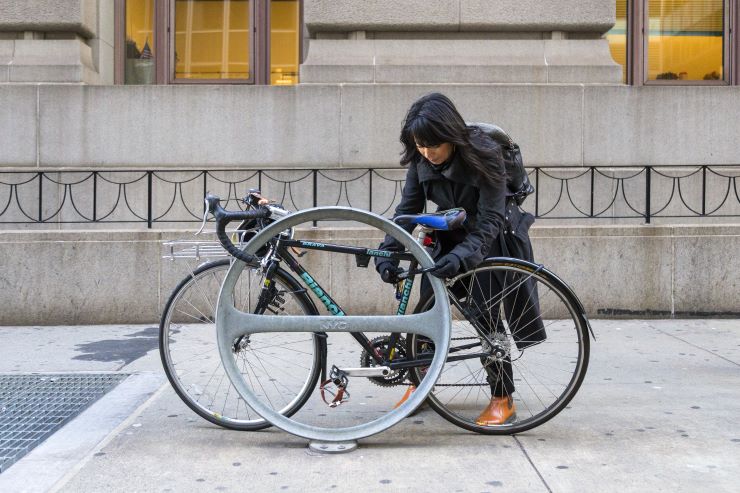
Always lock the frame to the rack first. The frame is the strongest part of your bike. Next, secure the wheels. Thieves often take wheels if they are not locked. Use a lock that fits around the frame and at least one wheel.
Using Multiple Locks
Use more than one lock to increase security. A U-lock works well for the frame. Add a cable lock to secure the wheels. Using two locks makes it harder for thieves to steal parts. It also gives you peace of mind.
Locking To The Rack Correctly
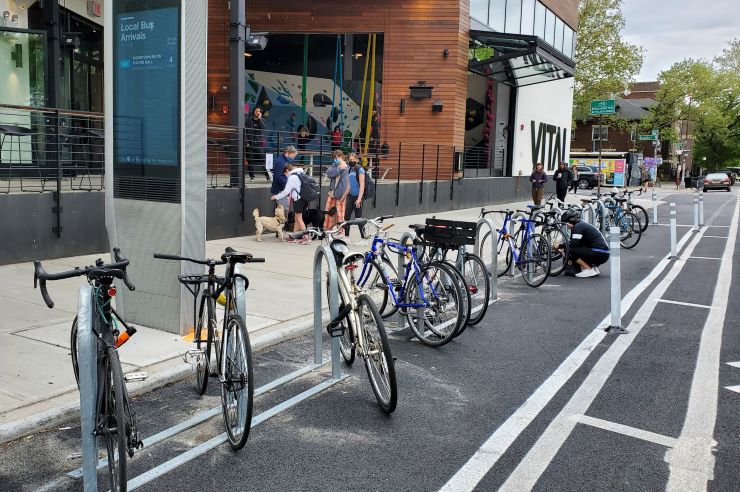
Choose a sturdy part of the rack to lock your bike. Avoid locking to small or weak parts that can break. Place the lock through the frame and the rack tightly. Keep the lock off the ground to prevent picking. Make sure the lock is hard to move or remove.

Credit: thebestbikelock.com
Additional Security Measures
Securing a bike on a short bike rack requires more than just a good lock. Extra steps help protect your bike from theft. These additional security measures add layers of safety and peace of mind. Simple actions can make a big difference in keeping your bike safe.
Bike Registration And Identification
Register your bike with local or national bike registries. This creates a record that links you to your bike. Mark your bike with an ID number or your contact details. Unique marks make it harder for thieves to sell stolen bikes. Registration helps police return lost or stolen bikes to owners.
Using Security Cameras
Install security cameras near your bike rack. Cameras deter thieves by watching the area constantly. Choose cameras with clear image quality and night vision. Signs showing cameras are in use also discourage theft. Video evidence can help catch thieves if theft occurs.
Installing Alarm Systems
Use alarm systems designed for bikes. These alarms sound loudly if someone tries to move or tamper with your bike. Some alarms connect to your phone for instant alerts. Alarms add a strong layer of protection beyond locking. They make thieves think twice before stealing.
Maintenance And Regular Checks
Keeping your bike rack and lock in good shape is key to protecting your bike. Regular maintenance stops problems before they start. Small checks save big repair costs and keep your bike safe. Follow these simple steps to maintain your short bike rack and lock.
Inspecting Locks And Racks
Look closely at your lock and rack. Check for cracks, rust, or damage. Make sure the lock fits tightly. Check if the rack holds your bike firmly. Replace parts if you see serious wear or breaks.
Lubricating Lock Mechanisms
Locks need oil to work smoothly. Use a small amount of bike lock lubricant. Avoid heavy oils that attract dirt. Apply lubricant to the keyhole and moving parts. This stops sticking and keeps the lock easy to open.
Replacing Worn Components
Old parts can fail without warning. Change worn keys, cables, or locking bolts. Use parts made for your specific rack model. Replacing parts early keeps your lock strong. It also makes your bike rack safer to use.
Credit: www.nyc.gov
Credit: www.nyc.gov
Frequently Asked Questions
How Do I Secure My Bike On A Short Bike Rack?
Use a strong U-lock or chain lock to secure the frame and wheel. Attach the lock to a fixed part of the rack. This prevents easy removal and theft. Always lock both frame and at least one wheel for maximum security.
What Type Of Lock Is Best For Short Bike Racks?
U-locks and heavy-duty chain locks work best on short bike racks. They are tough to cut and fit snugly around the bike and rack. Avoid cable locks as they are easier to break. Choose a lock with high security ratings.
Can I Lock Multiple Bikes On A Short Bike Rack?
Yes, but space is limited on short racks. Use multiple locks to secure each bike separately. Position bikes to minimize movement and avoid damage. Ensure each bike frame is locked to the rack for proper security.
Are Short Bike Racks Less Secure Than Longer Racks?
Short racks can be less secure if not designed well. They offer less space to lock both frame and wheels. Choose racks made from sturdy materials and with good locking points. Proper locking technique is key regardless of rack size.
Conclusion
Securing your bike on a short bike rack is simple and smart. Use a strong lock that fits well. Always lock both the frame and wheels. Choose a sturdy rack in a safe place. Check your lock and rack often.
These small steps keep your bike safe. Protect your ride every time you park. Safe biking starts with good locking habits. Stay alert and keep your bike secure.