You’ve invested time and money in your bike, so protecting it should be a top priority. But how do you make sure your bike stays safe when you’re not around?
Using a U-lock and cable together is one of the smartest ways to lock your bike securely. In this guide, you’ll learn simple, effective steps that anyone can follow to keep your bike safe from thieves. By the end, you’ll feel confident locking your bike quickly and correctly every time.
Ready to protect what’s yours? Let’s get started.
Choosing The Right U-lock
Choosing the right U-lock is key to keeping a bike safe. A good U-lock stops thieves and fits your bike well. It must be strong, the right size, and from a trusted brand. These factors help pick the best lock for daily use and tough conditions.
Materials And Strength
Strong materials make a U-lock hard to break. Most locks use hardened steel for toughness. Look for locks with double-bolted shackles. These resist cutting and twisting. Some have extra layers to block drills or picks. A solid lock gives peace of mind.
Size And Weight Considerations
Size matters for fitting your bike and locking spots. A lock too small limits where you can secure your bike. Too big, and it becomes heavy to carry. Choose a size that locks your frame and wheel to a fixed object. Weight should be light enough for daily use.
Popular Brands And Models
Trusted brands often offer better security and warranties. Brands like Kryptonite, Abus, and OnGuard have good reputations. Models like Kryptonite New York Fahgettaboudit or Abus Granit X-Plus are strong choices. Check reviews and choose one that fits your needs and budget.

Credit: thebestbikelock.com
Selecting A Durable Cable
Selecting a durable cable is key to securing your bike effectively. A strong cable works with your U-lock to protect your bike from theft. Choosing the right cable means focusing on its thickness, coating, and length. These factors affect how well the cable performs in different conditions.
Cable Thickness And Flexibility
Thicker cables offer better protection against cutting tools. A cable around 10mm or more is usually tough enough. Flexibility matters too. A very stiff cable is hard to wrap around bike parts. Find a cable thick yet flexible enough to secure your bike easily.
Coating And Weather Resistance
A good coating protects the cable from rust and damage. Plastic or vinyl coatings keep moisture out. This helps the cable last longer in rain or snow. Weather resistance stops the cable from freezing or cracking in cold weather. Choose a cable with solid coating for all seasons.
Length And Usability
Pick a cable length that fits your locking needs. Too short limits where you can lock your bike. Too long can be bulky and hard to carry. A length between 3 to 6 feet works for most bikes. Make sure the cable works well with your U-lock size.
Preparing Your Bike For Locking
Preparing your bike before locking it up is very important. It helps keep your bike safe and avoids damage. Taking a few simple steps makes locking easier and more secure.
Positioning Your Bike
Place your bike close to the lock point. Keep it upright and stable. Avoid leaning it on weak or moveable objects. Position the bike so the frame is easy to lock.
Removing Accessories
Take off any loose items like lights, bags, or pumps. These parts can be stolen quickly. Store them with you or in a safe place. This reduces the risk of losing small accessories.
Identifying Secure Lock Points
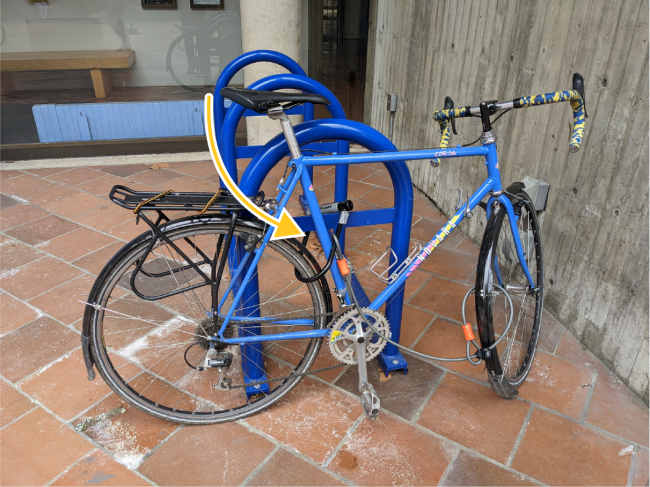
Find a solid, fixed object to lock your bike to. Look for metal poles, bike racks, or sturdy fences. The object should not move or break easily. Avoid trees or thin posts that can be cut or broken.
Credit: transportation.wwu.edu
Proper U-lock Placement
Proper U-lock placement is key to keeping your bike safe. Placing the lock correctly makes it harder for thieves to steal parts or the entire bike. This section explains how to position your U-lock for the best security.
Locking The Frame And Wheel
Always lock the bike frame and at least one wheel. The frame is the most important part to secure. Attach the U-lock through the frame and a wheel to stop thieves from stealing parts. This method protects both the bike’s body and a wheel at the same time.
Avoiding Ground Contact
Keep the U-lock off the ground. If the lock touches the ground, thieves can use tools more easily. Ground contact makes it easier to break the lock by hitting or levering it. Hold the lock tightly against the bike frame to reduce movement and risk.
Securing To Fixed Objects
Always lock your bike to a fixed, immovable object. Choose a solid metal post or bike rack that cannot be lifted or cut easily. Avoid locking to trees, thin poles, or objects that can be moved. The object must be strong enough to stop a thief from taking your bike away.
Using The Cable Effectively
Using the cable effectively adds an extra layer of protection for your bike. It helps secure parts that the U-lock cannot reach. Proper use of the cable reduces the risk of theft and keeps your bike safer.
Securing Remaining Wheels
Use the cable to lock the wheels that the U-lock misses. Thread the cable through the front or rear wheel. Make sure the cable goes through the spokes. This stops thieves from stealing the wheels easily. Pull the cable tight before locking it.
Looping Techniques
Loop the cable around fixed objects and bike parts. Create tight loops to reduce slack. Avoid loose loops that thieves can cut quickly. Double loop if possible for extra strength. Keep the cable close to the bike frame to limit movement.
Combining With U-lock For Maximum Security
Use the U-lock on the frame and a solid object. Use the cable to secure wheels and accessories. This combination covers all weak points on your bike. It makes stealing parts or the whole bike very hard. Always check the lock tightness before leaving your bike.
Additional Security Tips
Using a U-lock and cable is a strong start for bike security. Yet, small actions can improve safety. These extra tips help keep your bike safe from thieves.
Avoiding Common Locking Mistakes
Lock both the frame and one wheel to a solid object. Avoid locking only the wheel or frame. Keep the lock off the ground. Thieves use tools better when the lock rests on the floor. Make sure the lock is tight and hard to twist.
Choosing Well-lit And Busy Areas
Park in places with good light. Thieves avoid bright spots. Busy areas with many people lower theft risk. Look for spots near cameras or stores. These places make it harder for thieves to work unnoticed.
Regular Lock Maintenance
Check your lock often for rust or dirt. Clean it with a dry cloth. Use lubricant in the keyhole to keep it smooth. A well-maintained lock works better and lasts longer. This reduces chances of lock failure or easy break-ins.
Responding To Theft Attempts
Responding quickly to bike theft attempts can save your bike and your peace of mind. Knowing what to do helps protect your ride and may stop thieves in their tracks. Stay calm and act fast to handle the situation well.
Identifying Tampering Signs
Check your bike lock and frame for scratches or marks. Look for bent or cut parts on the U-lock or cable. Loose or missing pieces mean someone tried to break in. Early detection helps you react before damage gets worse.
Reporting To Authorities
Contact the police right away if you see signs of theft. Provide a clear description of your bike and the location. Share any photos of the damage or tampering. Quick reporting can increase the chance of recovery.
Insurance And Recovery Options
Review your bike insurance policy for theft coverage. Submit a claim with all the details and proof of ownership. Use local online groups or lost bike registries to spread the word. These steps improve your chances of getting your bike back.

Credit: transportation.wisc.edu
Frequently Asked Questions
How Do I Use A U-lock And Cable Together?
First, secure the U-lock around the bike frame and a fixed object. Then, wrap the cable through the wheels and frame. This combination protects both the frame and wheels from theft effectively.
Where Should I Lock My Bike With A U-lock?
Choose a sturdy, immovable object like a bike rack or metal pole. Ensure the object is securely anchored to the ground. Lock your bike in well-lit, visible areas to deter thieves.
Can A U-lock And Cable Prevent All Bike Theft?
While no lock guarantees 100% security, combining a U-lock and cable greatly reduces theft risk. This method protects multiple bike parts and discourages opportunistic thieves.
How Tight Should The Cable Be When Locking?
Keep the cable snug but not overly tight. This prevents movement and makes it harder for thieves to tamper. Avoid slack that allows easy manipulation or cutting.
Conclusion
Using a U-lock and cable together keeps your bike safer. Always lock the frame and wheels to a solid object. Choose a well-lit and busy spot for parking. Double-check the lock before leaving your bike. Taking these steps helps prevent theft and worry.
Your bike deserves strong protection every time you park. Simple habits make a big difference in bike security. Stay safe and enjoy your rides with peace of mind.