You’ve invested time and money in your bike, so keeping it safe is a must. But how do you make sure your bike stays where you left it?
Using a cable lock the right way can be your best defense against theft. You’ll learn simple, effective steps to lock your bike securely with a cable lock. By following these tips, you can protect your bike and enjoy peace of mind every time you park it.
Keep reading—you’re just minutes away from mastering a skill that could save you a lot of trouble.

Credit: www.youtube.com
Choosing The Right Cable Lock
Choosing the right cable lock is key to keeping your bike safe. Not all cable locks offer the same protection. Different types suit different needs. Understanding materials, thickness, length, and flexibility helps you pick the best option.
Types Of Cable Locks
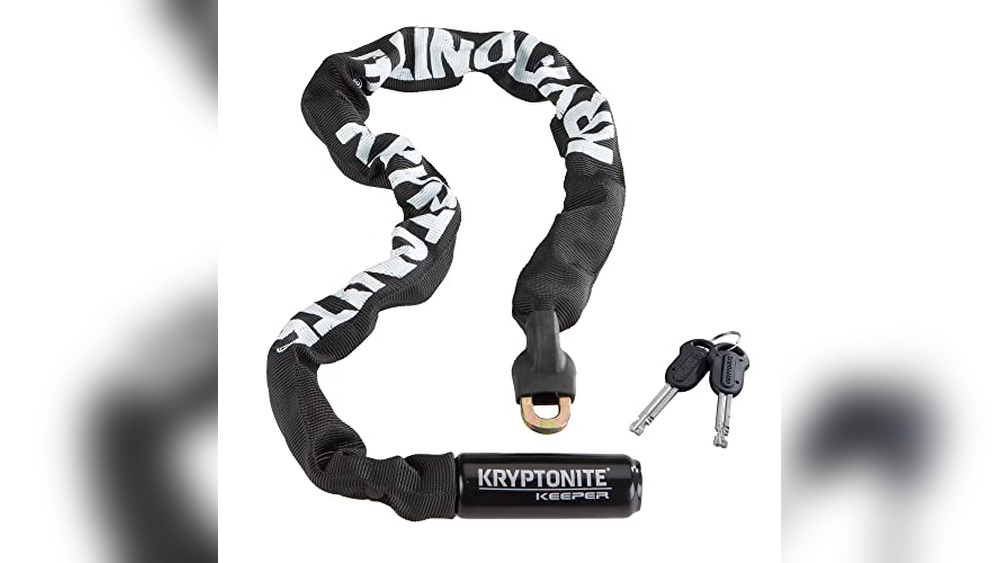
Cable locks come in various styles. Some have key locks, others use combination dials. Some are thin and lightweight, while others are thick and heavy. Choose a type based on where you park and how long you leave your bike.
Material And Thickness
Strong materials resist cutting and tampering. Steel cables are common and reliable. Thicker cables offer better protection against bolt cutters. Thin cables are easy to carry but less secure. Aim for the thickest cable you can manage.
Length And Flexibility
Length matters for securing your bike to fixed objects. Longer cables wrap around poles and bike racks easily. Flexible cables bend without breaking. Too short means fewer locking options. Too long can be bulky to carry.

Credit: transportation.wisc.edu
Preparing Your Bike For Locking
Preparing your bike for locking is an important step to keep it safe. Taking time to prepare helps prevent theft and damage. Follow simple steps to make sure your bike stays secure.
Selecting A Secure Location
Choose a spot that is busy and well-lit. Thieves avoid places where people can see them. Look for bike racks or poles that are strong and fixed to the ground. Avoid soft or loose surfaces where the lock can be easily cut or broken.
Positioning Your Bike
Place your bike close to the locking point. Keep the frame and wheels near the lock. Avoid leaving space for tools to fit in. Position the bike so the lock is off the ground and hard to reach. This reduces the chance of cutting or breaking the lock.
Removing Valuable Accessories
Take off items like lights, bags, and GPS devices. These parts are easy to remove and often stolen. Carry them with you or store them in a safe place. Removing valuables lowers the risk of losing them during short stops.
Locking Techniques For Maximum Security
Locking a bike securely protects it from theft. Using the right techniques with a cable lock makes a big difference. Simple steps help keep your bike safe in public places. Focus on how you lock the bike, not just the lock type. Follow these tips for maximum security.
Securing The Frame And Wheels
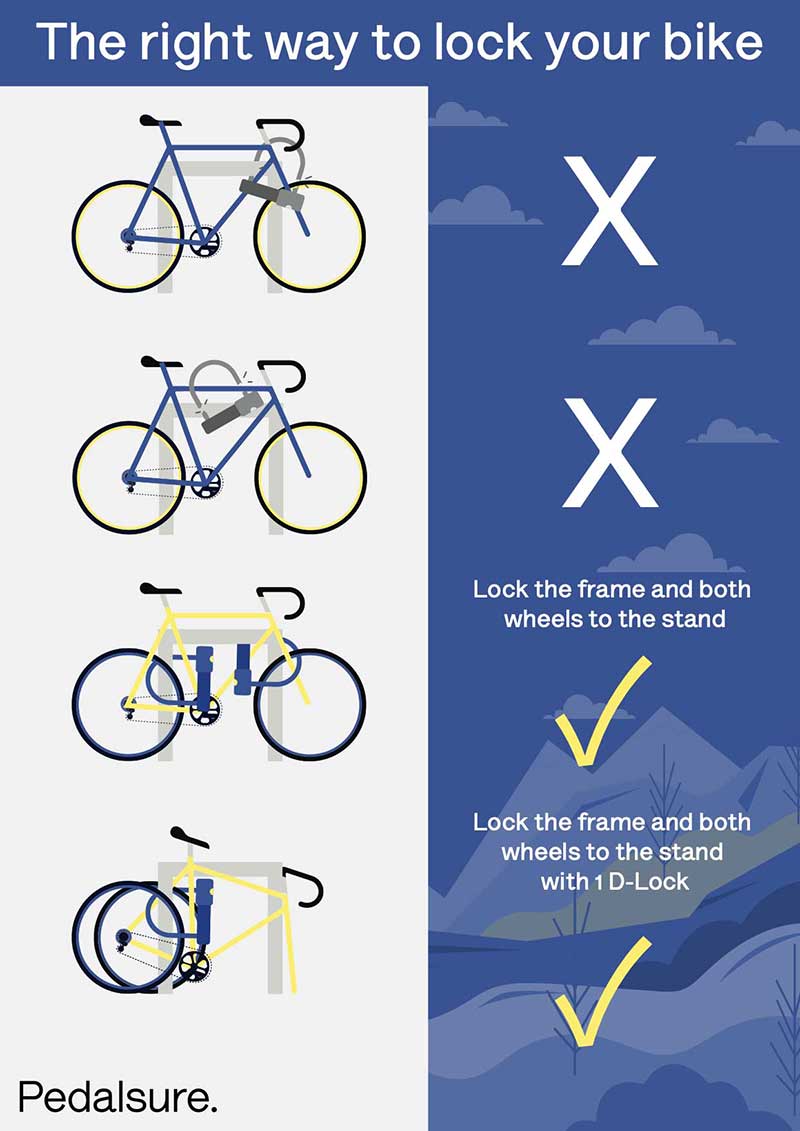
Always lock the bike frame first. The frame is the strongest part of the bike. Thread the cable through the frame and a solid object. Next, loop the cable through the wheels. Locking only the wheels leaves the frame open to theft. Secure both wheels when possible. This prevents thieves from taking parts easily.
Using Multiple Locks
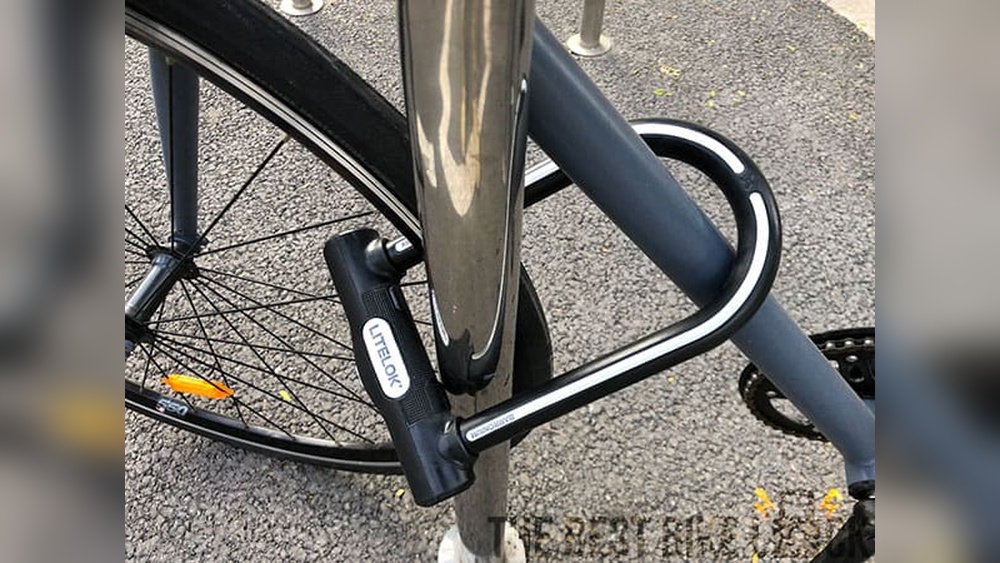
Use more than one lock if you can. Combining a cable lock with a U-lock is smart. One lock secures the frame, the other protects wheels or accessories. Multiple locks slow down thieves. They often move on to easier targets. Spread out the locks to cover different parts of the bike.
Avoiding Common Locking Mistakes
Do not lock your bike to weak objects. Thin poles or signs can be cut or removed. Avoid locking on the ground or grass. Thieves can lift the bike over low objects. Do not leave slack in the cable. Tight cables make it harder to cut or break. Always double-check your lock before leaving.
Maintaining Your Cable Lock
Maintaining your cable lock is key to keeping your bike safe. A well-kept lock lasts longer and works better. Simple care steps help avoid rust and damage. This saves money and stress later.
Regular Inspection
Check your cable lock often for signs of wear. Look for frayed or broken wires and rust spots. Test the lock mechanism to make sure it opens and closes smoothly. Early spotting of problems helps fix them fast. Replace the lock if it shows serious damage.
Cleaning And Lubrication
Clean your cable lock with a damp cloth to remove dirt. Avoid harsh chemicals that can damage the lock. Use a small amount of lubricant on the lock cylinder to keep it turning easily. Do not over-lubricate, as this can attract dust. Clean and lubricate every few months or after exposure to rain.
Storing The Lock Properly
Store your cable lock in a dry place when not in use. Avoid leaving it on the bike in wet weather. Hanging the lock or placing it in a bag can prevent bends and kinks. Proper storage helps maintain the lock’s shape and function.
Additional Security Tips
Locking your bike with a cable lock is a good start. Adding extra security can protect your bike even more. These tips help keep your bike safe in many situations. Small steps make a big difference.
Registering Your Bike
Register your bike with local or online databases. This helps police find your bike if it gets stolen. Many cities offer free registration services. Keep a record of your bike’s serial number and photos. It makes proving ownership easier.
Using Alarms And Gps Trackers
Install a small alarm on your bike. The loud noise scares off thieves quickly. GPS trackers show your bike’s location in real time. You can track and recover your bike faster. These devices add an extra layer of protection.
Insurance Options
Consider bike insurance for financial protection. It covers theft and damage costs. Some home insurance policies include bike coverage. Check what your policy offers before buying extra insurance. Insurance gives peace of mind when locking your bike.
Credit: www.pedalsure.com
Frequently Asked Questions
How Do I Secure My Bike With A Cable Lock?
To secure your bike, loop the cable lock through the frame and both wheels. Attach it to a sturdy, immovable object. Ensure the lock is tight and not resting on the ground to prevent tampering.
Can Cable Locks Prevent Bike Theft Effectively?
Cable locks provide moderate security but are less resistant to cutting tools. Use them in low-risk areas or combine with a U-lock for higher protection.
Where Should I Lock My Bike Using A Cable Lock?
Always lock your bike to a fixed, immovable object like a bike rack or pole. Avoid locking to objects that can be easily broken or moved.
How Long Should I Leave My Bike Locked With A Cable Lock?
Lock your bike whenever unattended, even for short periods. Longer locking times increase theft risk, so choose secure locations and good quality locks.
Conclusion
Securing your bike with a cable lock is simple and smart. Always choose a strong lock and wrap it tightly around the frame and a fixed object. Double-check the lock before leaving your bike. This small step helps protect your bike from theft.
Practice these tips every time you park. Stay safe and enjoy your ride without worry.