You’ve invested in a quality helmet to keep yourself safe while riding your bike. But what happens when you need to leave your bike unattended?
How do you make sure your helmet stays secure and doesn’t walk away? Knowing how to lock your helmet with your bike is just as important as locking the bike itself. In this guide, you’ll discover simple, effective ways to keep your helmet safe from theft, so you can ride with peace of mind.
Ready to learn the best tips and tricks? Let’s dive in and make sure your gear stays exactly where you left it.

Credit: www.youtube.com
Helmet Lock Types
Securing your helmet with your bike is essential for every rider. Different helmet lock types offer varying levels of protection and convenience. Choosing the right one depends on your needs and where you park your bike. Understanding these types helps you keep your gear safe and easy to carry.
D-locks And U-locks
D-locks, also called U-locks, provide strong security for helmets. They fasten the helmet to the bike frame firmly. Made of hardened steel, they resist cutting and tampering. Ideal for areas with high theft rates, these locks give peace of mind. They are compact but very tough, fitting well on most bike frames.
Cable Locks
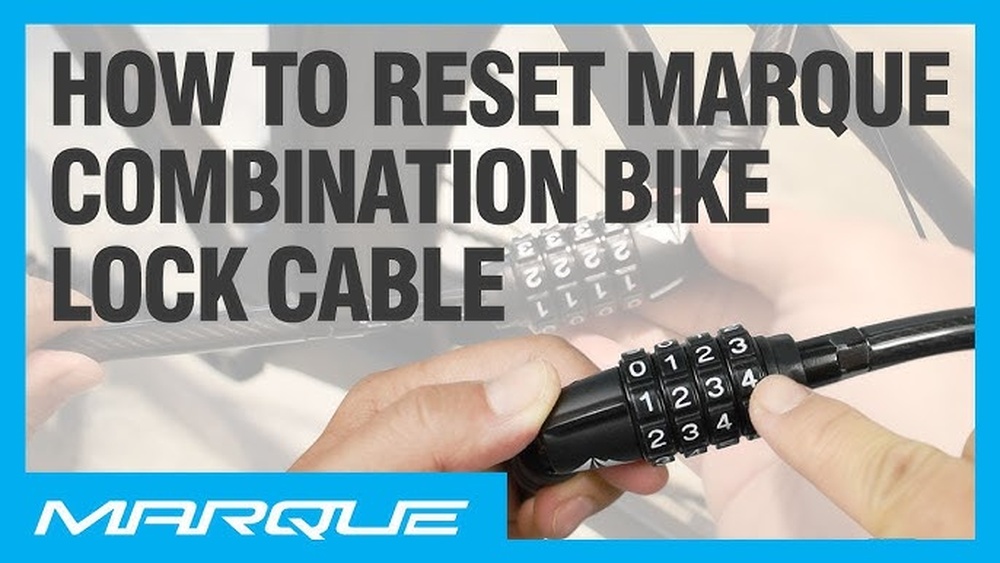
Cable locks offer flexibility and ease of use. They are lightweight and easy to carry along with your helmet. These locks use braided steel cables covered in plastic to prevent scratches. Though less secure than D-locks, they deter quick theft attempts. They wrap around the helmet and a fixed part of the bike quickly.
Helmet Mount Locks
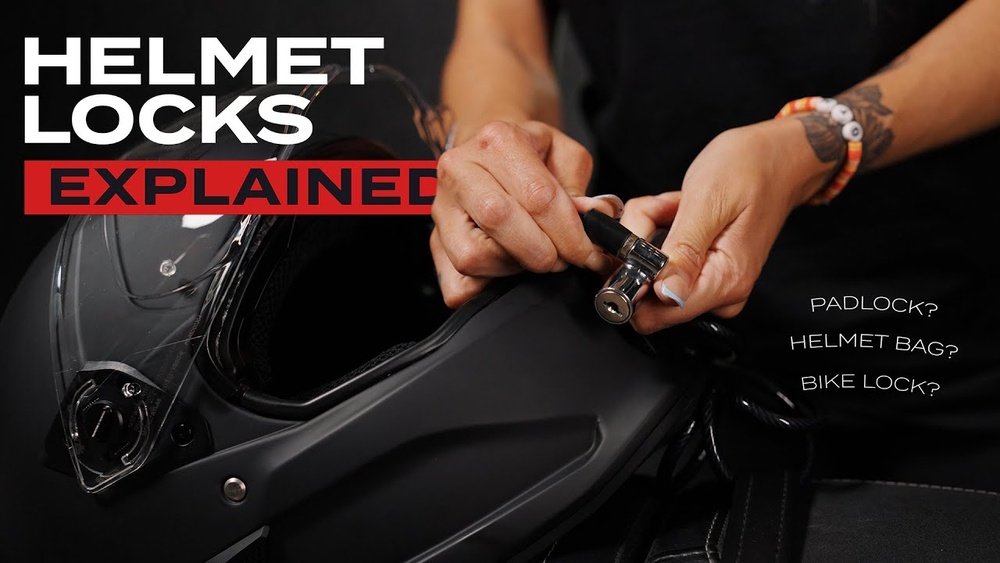
Helmet mount locks attach directly to your bike’s frame or handlebars. They keep the helmet safe without needing extra space or bulky locks. Some models lock the helmet’s chin strap, preventing removal. This option is handy for short stops and urban rides. They combine convenience and security for everyday use.
Choosing Lock Location
Choosing the right location to lock your helmet to your bike is crucial. A good lock spot keeps your helmet safe from theft and damage. It should be strong, stable, and easy to access. Consider parts of your bike that allow secure attachment without causing scratches or strain.
Think about how the lock fits and holds the helmet. The lock must pass through or around helmet parts and bike parts firmly. Avoid loose or flexible areas that can be cut or broken easily. The lock location affects how safe your helmet stays while you are away.
Securing To Frame
The bike frame is the best place to lock your helmet. It is strong and hard to move. Pass the lock through the helmet and a solid part of the frame. This method keeps the helmet steady and safe. Avoid thin tubes or parts that can bend or snap. The frame offers the best protection.
Using Helmet Mount Points
Some helmets have built-in mount points for locking. These are small holes or loops made for locks. Attach the lock through these points and around the bike frame or another secure place. Using mount points prevents damage to straps or padding. It also makes locking quick and easy.
Locking Through Helmet Straps
You can lock your helmet by threading the lock through the straps. Choose strong, non-removable straps. Make sure the lock fits snugly without cutting the straps. This method works well if no mount points exist. Pair it with locking to the frame for better security.
Locking Steps
Locking your helmet with your bike protects it from theft. Follow these simple steps to secure your helmet properly. Each step ensures your helmet stays safe and attached to your bike. The process is quick and easy.
Attach Lock To Helmet
Start by finding the helmet’s locking point. Most helmets have a D-ring or a strap loop. Thread the lock cable or chain through this point. Make sure the lock fits snugly and cannot be removed easily.
Secure Helmet To Bike Frame
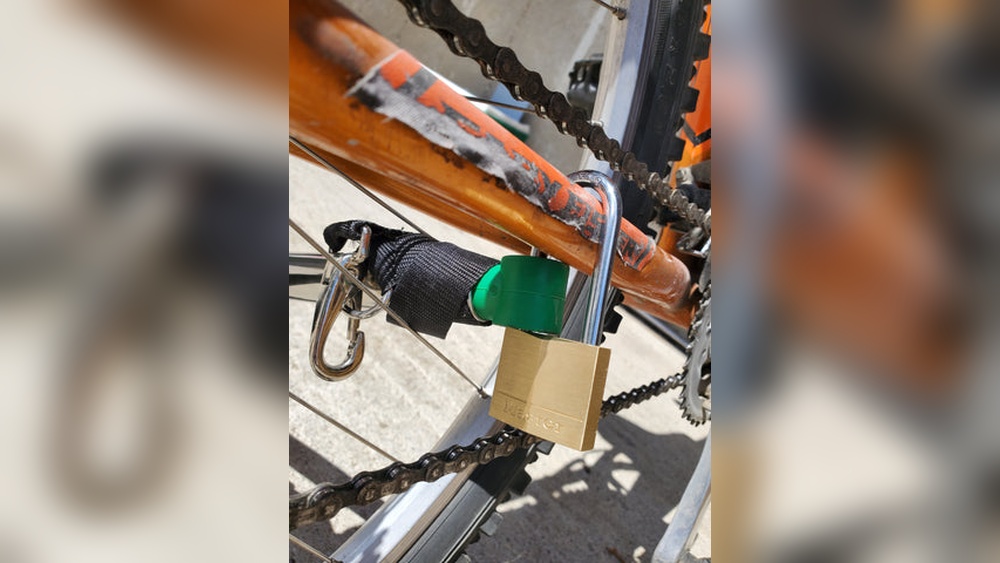
Wrap the lock around a solid part of the bike frame. Avoid thin or removable parts like quick-release wheels. The frame is the strongest point and harder for thieves to tamper with. Pull the lock tight to prevent slack.
Ensure Minimal Movement
Check that the helmet cannot move or swing freely. Tighten the lock to reduce any wiggle room. Less movement means less chance of damage or theft. Double-check the lock is fully closed and secure.
Lock Placement Tips
Proper lock placement protects your bike and helmet from theft. Choosing the right spots to secure your helmet and bike is key. Smart lock placement makes stealing more difficult. Follow these tips to keep your gear safe and secure.
Avoid Quick-release Parts
Quick-release parts are easy targets for thieves. Avoid locking your helmet to parts that can be quickly removed. Secure your lock around the bike frame or fixed parts. This prevents thieves from quickly detaching your helmet or wheels. Locks placed on quick-release parts offer little protection.
Locking Rear Wheel Vs Front Wheel
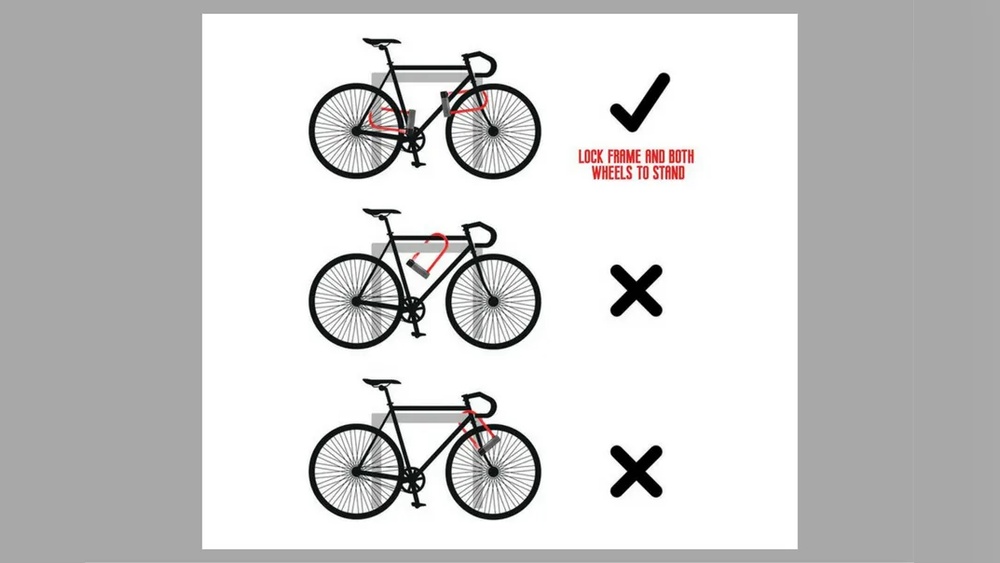
The rear wheel is usually more valuable and harder to remove. Lock the rear wheel first if you can only lock one. It adds more security to your bike and helmet. The front wheel is easier to steal because of quick-release systems. For better protection, lock both wheels if possible. Always include the frame in your lock placement.
Using Multiple Locks
Using more than one lock increases security significantly. One lock can secure the frame and rear wheel. The second lock can protect the front wheel or helmet. Multiple locks slow down thieves and make theft harder. Choose strong locks made of hardened steel for best results. Combining locks reduces the risk of theft dramatically.
Choosing Secure Bike Parking
Choosing a secure place to park your bike reduces the risk of theft. It also protects your helmet when locked with your bike. A safe spot makes locking easier and more effective. Think about the environment and surroundings before you decide where to park.
Well-lit Areas
Park your bike in places with bright lighting. Thieves avoid bright areas because they can be easily seen. Lights help you see your bike and helmet clearly. Choose spots near street lamps or building lights. This simple step keeps your bike and helmet safer at night.
High Foot Traffic Zones
Pick spots where many people pass by. Crowded areas discourage thieves from trying to steal. People nearby can notice suspicious actions quickly. Busy places offer natural security without extra cost. Your bike and helmet stay safer with more eyes around.
Near Surveillance Cameras
Parking near cameras adds an extra layer of protection. Cameras record any theft attempt or vandalism. This evidence can help find and catch thieves. Look for spots with visible security cameras. Cameras act as a strong warning to anyone thinking of stealing.
Additional Security Measures
Securing your helmet to your bike reduces the chance of theft, but extra steps improve protection. Additional security measures keep your helmet safer in busy or high-risk areas. These methods add layers of defense beyond basic locks. Simple tools and habits can make a big difference.
Helmet Covers And Bags
Using a helmet cover or bag hides your helmet from view. It reduces the chance that a thief will notice it. Covers protect against scratches and weather too. Some bags include lockable zippers for extra security. Carry your helmet in a bag when you leave your bike.
Removable Helmet Accessories
Take off accessories like visors or cameras when parking. These parts can be easy targets for theft. Removing them lowers the helmet’s value to thieves. Store accessories safely with you. This small step helps keep your helmet intact.
Marking And Registration
Mark your helmet with a unique ID or name. Use permanent markers or engraving tools. Register the helmet with local bike or security groups. Registration helps recover your helmet if stolen. It also deters thieves who avoid marked items.
Common Mistakes To Avoid
Securing your helmet to your bike is essential to prevent theft. Many riders make simple errors that reduce their helmet’s safety. Avoiding these mistakes improves your gear’s protection. Learn the common mistakes to avoid when locking your helmet with your bike.
Using Weak Locks
Using a weak lock makes it easy for thieves to steal your helmet. Cheap cables or flimsy chains can be cut quickly. Choose locks made of hardened steel for better security. A strong lock lasts longer and deters thieves effectively.
Locking Only The Helmet
Locking only the helmet leaves your bike vulnerable. Thieves can steal the bike or parts easily. Always lock the helmet along with the bike frame or wheel. This method keeps both your helmet and bike safe.
Leaving Helmet Unattended
Leaving your helmet unattended without a lock invites theft. Even short breaks can be risky. Always lock your helmet before leaving your bike. Carrying a portable lock helps protect your helmet anywhere you go.

Credit: www.reddit.com

Credit: www.amazon.com
Frequently Asked Questions
What Is The 222 Rule For Helmets?
The 222 rule for helmets means replacing a helmet every 2 years or after 2 impacts, whichever comes first.
How Secure Are Bike Helmet Locks?
Bike helmet locks offer moderate security by attaching helmets to bike frames. Hardened steel D-locks provide stronger theft resistance. Using quality locks and securing helmets properly reduces theft risk effectively.
Is It Better To Lock Front Or Back Wheel?
Lock the rear wheel and frame first, as the rear wheel is more valuable and harder to steal. Use a second lock for the front wheel if possible. This method deters theft by securing the bike’s most critical parts effectively.
What Is The 2 2 2 Rule When Fitting A Helmet On Your Head?
The 2-2-2 rule for helmet fitting means: 2 fingers above eyebrows, 2 finger-widths from the temple strap, 2 fingers under the chin strap for a secure and comfortable fit.
Conclusion
Locking your helmet with your bike keeps your gear safe and secure. Use a strong lock that fits well through helmet vents or straps. Attach it to the bike frame or a solid part to prevent theft. Always choose a visible, well-lit spot to park your bike.
Taking these simple steps helps protect your helmet wherever you go. Stay safe and enjoy your rides with peace of mind.