
You love your bike, and keeping it safe at home is a top priority. But are you really locking it in the best way?
A simple mistake can put your bike at risk of theft, even right outside your door. You’ll discover easy, effective tips to lock your bike securely. By the end, you’ll feel confident knowing your bike is protected—no more worrying when you leave it unattended.
Keep reading to learn how to make your bike theft-proof at home.

Credit: thebestbikelock.com
Choosing The Right Lock
Choosing the right lock for your bike is important to keep it safe at home. The right lock protects your bike from theft and gives you peace of mind. Knowing the types of locks and their strengths helps you make a good choice.
Cost matters too. Spending wisely ensures you get good protection without wasting money. This section explains how to pick a lock that fits your needs and budget.
Types Of Bike Locks
U-locks are strong and hard to cut. They work well for locking the frame and wheel. Cable locks are flexible and light. They fit around many objects but are easier to cut. Chain locks are heavy but strong. Thick chains resist bolt cutters better. Folding locks fold into a small size. They offer a good mix of security and convenience.
Lock Strength And Security Ratings
Look for locks with high security ratings. Ratings come from tests by independent groups. Higher ratings mean better resistance to cutting or picking. Steel thickness also shows strength. Thicker steel is harder to break. Check for locks with anti-pick and anti-cut features. These add extra protection.
Balancing Cost And Protection
Cheap locks may save money but offer less safety. Expensive locks give strong protection but cost more. Choose a lock that matches your bike’s value. For expensive bikes, invest in a high-quality lock. For less costly bikes, a mid-range lock may be enough. Think about how often you leave your bike outside. More risk means spending more on a good lock.
Credit: sfbike.org
Best Locking Techniques
Keeping your bike safe at home starts with using the right locking techniques. Good habits make your bike harder to steal. Use strong locks and smart methods to protect your bike. Here are some of the best ways to lock your bike securely.
Securing Frame And Wheels
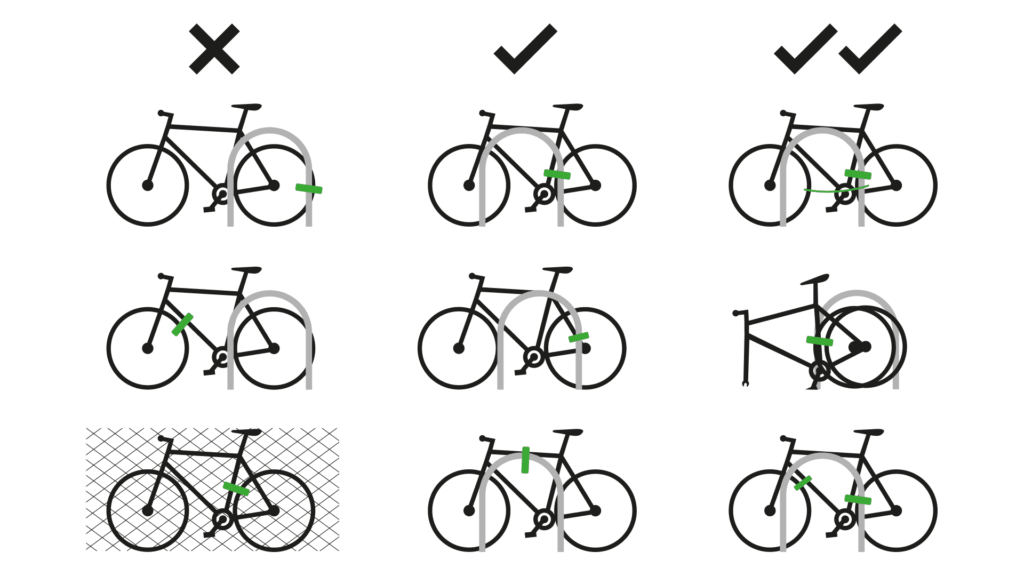
Always lock the frame of your bike. The frame is the main part and is most valuable. Use a strong lock to attach the frame to a fixed object. Also, lock the wheels if you can. Wheels can be stolen quickly if left unlocked. Use a second lock or a locking wheel quick-release.
Using Multiple Locks
Use more than one lock to increase security. Two different types of locks confuse thieves and take more time. A U-lock and a cable lock work well together. Lock the frame with the U-lock and the wheels with the cable lock. This method makes stealing your bike much harder.
Lock Placement Tips
Place locks in tight spaces. Thieves need room to use tools, so tight spaces slow them down. Lock your bike close to the ground or a wall. Avoid locking in places where locks can touch the ground. This reduces leverage for cutting tools and keeps your bike safer.
Safe Parking Spots At Home
Choosing a safe spot to park your bike at home is very important. A good parking place helps protect your bike from theft and weather damage. It keeps your bike ready to ride whenever you want. Finding the right spot is easy with a little planning.
Think about where you keep your bike. The right place is close, secure, and out of sight. This section explains how to pick the best parking spot at home.
Indoor Vs Outdoor Parking
Indoor parking is the safest choice. It protects your bike from rain, sun, and thieves. Garages, basements, and spare rooms work well. They keep your bike dry and clean.
Outdoor parking is less secure. Bikes outside face weather and risk of theft. Use covered areas like porches or sheds. Always lock your bike tightly when parked outdoors.
Using Bike Racks And Stands
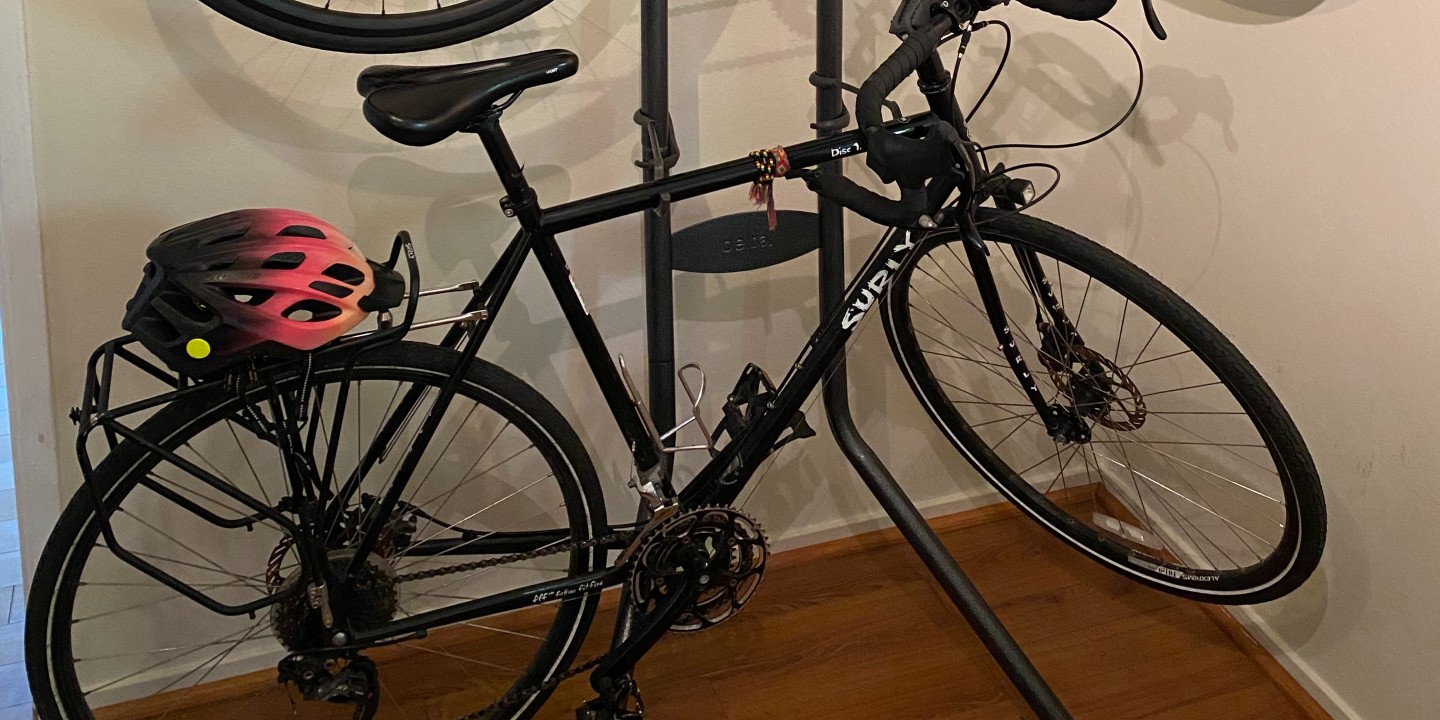
Bike racks and stands keep your bike steady. They stop it from falling and getting scratched. Use racks designed for your bike’s size. Place racks in visible, well-lit areas.
Indoor racks save space and organize your bike neatly. Outdoor racks add security when combined with good locks. Choose strong, fixed racks to lock your bike safely.
Avoiding High-risk Areas
Keep your bike away from dark, hidden places. These spots invite thieves and vandals. Avoid parking near windows or entrances that are easy to reach from outside.
Do not leave your bike in areas with poor lighting. Thieves prefer places with little visibility. Choose spots with good light and some foot traffic.
Additional Security Measures
Securing your bike at home means more than just using a lock. Extra security measures add strong protection. These steps make thieves think twice before trying to steal.
Using cameras, lights, and alarms helps keep your bike safe. These tools work together to guard your bike day and night.
Installing Security Cameras
Security cameras watch over your bike 24/7. They record any movement near your bike. This can scare off thieves. Cameras also help catch suspects after theft.
Place cameras where they clearly see your bike. Use cameras with night vision for better security in the dark.
Motion Sensor Lighting
Motion sensor lights turn on when they detect movement. Bright lights surprise anyone coming close. Thieves prefer dark, hidden spots. Lights make your bike less tempting to steal.
Install motion lights near your bike’s parking spot. Keep the area well lit to deter unwanted visitors.
Alarm Systems For Bikes
Bike alarms sound loud when triggered. They alert you and neighbors about suspicious activity. Loud noise can stop theft quickly.
Choose alarms that are easy to install and sensitive to touch or movement. Test the alarm regularly to ensure it works well.
Maintaining Your Locks
Maintaining your bike locks ensures they work well and last longer. Regular care prevents rust and jams. It also keeps your bike safe at home.
Regular Cleaning And Lubrication
Clean your lock with a soft cloth and mild soap. Remove dirt and dust from all parts. Dry the lock completely before using it again. Use a lubricant designed for locks to keep the mechanism smooth. Apply a little oil inside the keyhole and moving parts. This helps prevent rust and makes locking easier.
Checking For Wear And Tear
Look at your lock closely for damage or rust spots. Check the shackle and body for cracks or bends. Test the key or combination to see if it turns smoothly. A sticky or stiff lock may need extra care. Catching problems early stops bigger damage later. Keep an eye on any signs of wear often.
When To Replace Your Lock
Replace your lock if it does not work well anymore. If the key sticks or the lock jams frequently, it is time. Rust that weakens the metal is a sign to change it. Locks with broken parts or deep scratches should be swapped out. A strong, reliable lock is important to protect your bike at home.
Credit: hiplok.com
Frequently Asked Questions
How Can I Secure My Bike Indoors At Home?
Use a sturdy lock to secure your bike to a fixed object inside. Choose a well-lit, visible spot to deter thieves. Consider alarms or motion sensors for added security.
What Type Of Lock Is Best For Home Bike Security?
U-locks and chain locks are best for home use. They offer strong resistance to cutting and leverage attacks. Avoid cheap cable locks as they are easier to break.
Where Should I Lock My Bike At Home?
Lock your bike to a secure, immovable object like a heavy rack or metal frame. Avoid areas accessible to outsiders. Indoors is preferable to reduce theft risk.
Are Alarmed Bike Locks Effective For Home Use?
Yes, alarmed locks can deter thieves with loud sounds. They alert you and neighbors instantly. Combine alarms with strong locks for maximum protection.
Conclusion
Keeping your bike safe at home takes small, smart steps. Use a strong lock and fasten it to a fixed object. Store your bike in a secure, well-lit place. Check your locks often for wear or damage. These actions help stop theft and protect your ride.
Your bike deserves care and good protection. Stay safe and enjoy your rides worry-free.


