
Have you ever found yourself standing next to your bike, only to realize you’ve lost the key to your lock? It’s frustrating and can feel like a dead end.
But don’t worry—you’re not stuck. You’ll learn simple, effective ways to open a bike lock without the key. These tips can save you time, money, and stress when you need quick access. Keep reading, because what you’re about to discover could be the solution you need right now.

Credit: thebestbikelock.com
Common Types Of Bike Locks
Bike locks come in different shapes and sizes. Knowing the common types helps to understand how they work. It also explains why some locks are harder to open without the key.
Each lock type offers different security levels. Some are easier to carry, while others provide strong protection. Let’s explore the main types you will find in the market.
U-locks
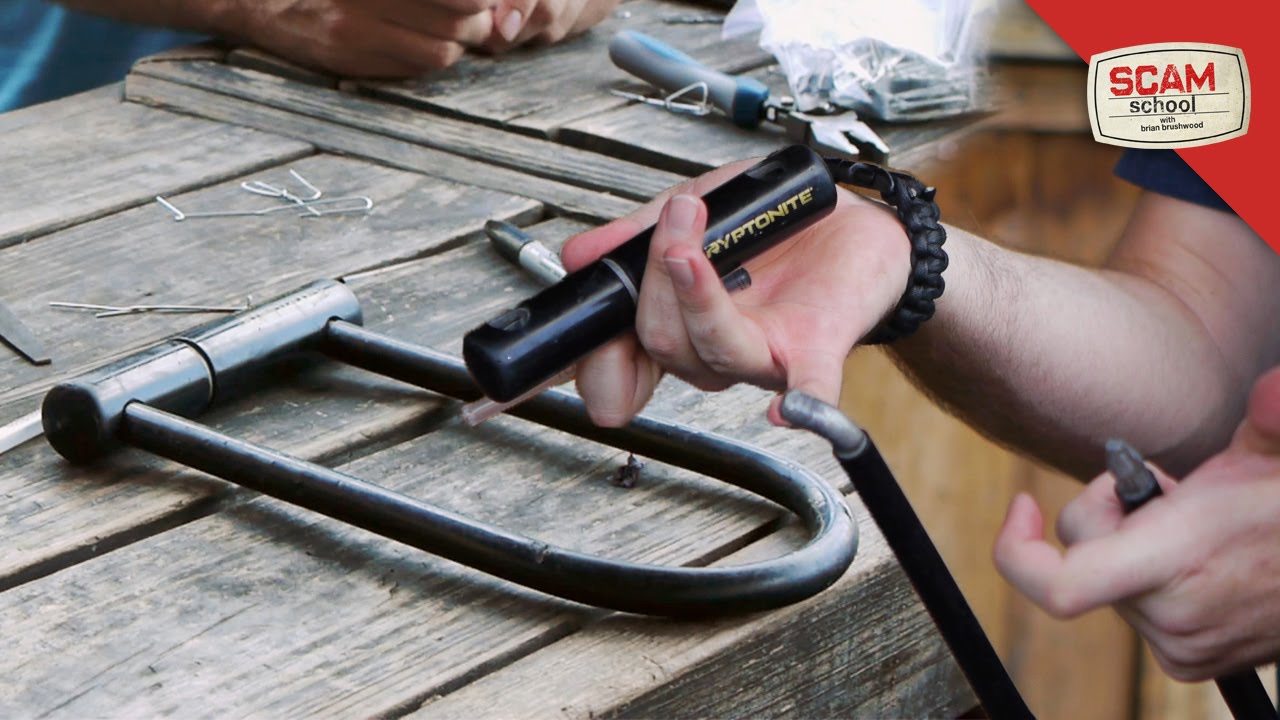
U-locks are shaped like a “U” or a horseshoe. They are made of thick metal and very hard to cut. These locks fit around the bike frame and a solid object. They offer strong security and are popular among cyclists.
Cable Locks
Cable locks use a long, flexible metal cable. The cable is covered with plastic to avoid scratches. These locks are light and easy to carry. They provide medium security and can be cut with strong tools.
Chain Locks
Chain locks have heavy metal chains covered with fabric. The chains are thick and hard to break. They offer good protection and can lock bikes to big objects. Chain locks are heavier but very strong.
Folding Locks
Folding locks are made of metal bars connected by rivets. They fold into a compact shape for easy carrying. These locks are flexible and strong. They offer good security and are easy to use.
Credit: www.youtube.com
Tools You Might Need
Opening a bike lock without a key requires some special tools. These tools help you handle different types of locks. Knowing what each tool does can save time and effort. Always use these tools responsibly and legally.
Lock Picks
Lock picks are thin tools that slide into the lock. They move the pins inside to open it. Using lock picks takes practice and patience. Small, precise movements work best for this tool.
Bolt Cutters
Bolt cutters are strong and have long handles. They cut through metal parts of the lock. These are useful for heavy-duty locks or chains. They need physical strength but work quickly.
Shim Tools
Shim tools are thin pieces of metal or plastic. They slip between the lock body and the shackle. This helps release the locking mechanism. Shims work well on padlocks with simple designs.
Tension Wrenches
Tension wrenches hold the lock cylinder in place. They apply slight pressure while picking the lock. This tool is essential for using lock picks correctly. It helps turn the lock once pins are set.
Picking A Bike Lock
Picking a bike lock can be a useful skill in emergencies. It requires patience and some basic tools. Understanding the lock’s mechanism helps to open it without a key. The process involves feeling the pins inside the lock and manipulating them carefully.
Basic Lock Picking Technique
Start by inserting a tension wrench into the lock’s keyway. Apply light pressure in the direction the key would turn. Use a pick to lift the pins inside the lock one by one. Feel for pins that are stuck and gently push them up. Repeat until all pins are set and the lock turns open.
Using Tension And Picks
Tension is key for setting pins. Too much pressure can freeze the pins in place. Too little pressure lets pins drop back down. Use the pick to lift pins while maintaining steady tension. Small, careful movements work best. Practice helps develop a feel for the right tension.
Tips For Different Lock Types
Pin tumbler locks are the easiest to pick. Disc detainer locks need special picks shaped for discs. Wafer locks require thin picks to lift wafers inside. Practice on old locks before trying expensive ones. Knowing the lock type guides the right tools and methods.
Using Bolt Cutters Safely
Using bolt cutters to open a bike lock can be effective but requires care. Safety is key to avoid injury and damage. Follow clear steps to use bolt cutters properly.
Choosing The Right Bolt Cutter
Select a bolt cutter that fits the lock size. Small cutters work on thin chains and padlocks. Large cutters handle thick locks but are heavier. Check the cutter’s jaw size and handle length for comfort. A sharp cutting edge makes the job easier.
Proper Cutting Points
Identify the weakest part of the lock to cut. Focus on the lock’s shackle or chain links. Avoid cutting near the lock body to prevent damage to the tool. Position the cutters as close to the lock surface as possible. This reduces effort and speeds up cutting.
Safety Precautions
Wear protective gloves to avoid hand injuries. Use safety glasses to protect your eyes from flying metal bits. Keep your fingers clear from the cutting blades. Cut slowly and steadily to maintain control. Stand in a stable position to avoid slips.
Shim Method For Cable Locks
The shim method is a simple way to open cable locks without a key. It works by slipping a thin piece of metal between the lock’s body and the shackle. This tricks the lock into thinking it is open. This method works best on cheap or low-quality cable locks. It is not guaranteed to work on all locks. Always use this method responsibly and only on your own lock.
Creating A Shim
Start by finding a thin, flexible piece of metal. An old soda can or a soda can tab works well. Cut the metal into a small, flat strip about 2 inches long. Make sure the edges are smooth to avoid injury. The shim should be thin enough to slide easily into the lock.
Inserting The Shim
Hold the lock steady with one hand. Slide the shim between the shackle and the lock body. Push the shim in slowly and gently. The goal is to reach the locking mechanism inside. Wiggle the shim a little to help it move into place. Be patient and avoid forcing it.
Releasing The Lock
Once the shim is in position, push or twist it slightly. This should release the locking catch inside. Pull the shackle up carefully to open the lock. If it does not open, try adjusting the shim’s position. Repeat the process until the lock opens. Practice makes this method easier to do.

Credit: kdfoundation.org
Alternative Methods To Try
Sometimes losing your bike lock key means you need other ways to open the lock. Some methods require tools or help from others. These alternative methods are useful if you want to avoid buying a new lock right away.
Using A Hammer
A hammer can break some bike locks. Hit the lock hard near the keyhole or the shackle. Use steady, strong blows. Wear safety glasses to protect your eyes. Not all locks break easily. This method works best on cheap or old locks.
Freezing And Breaking
Freezing the lock can make it brittle. Spray it with a freezing spray or use ice. Wait a few minutes for the metal to get cold. Then, hit the lock with a hammer or wrench. Cold metal may crack under force. This method needs patience and care.
Contacting Professionals
Locksmiths have the right tools and skills. They can open your bike lock without damage. Calling a professional saves time and effort. It costs more but avoids mistakes. Always choose trusted locksmiths to protect your property.
Legal And Ethical Considerations
Knowing how to open a bike lock without the key may seem useful. Yet, it is important to follow legal and ethical rules. Opening a lock without permission can cause trouble. This section explains what is allowed and how to stay safe from legal issues.
When It’s Legal To Open A Lock
You may open a bike lock only if you own the bike. Permission from the owner is also necessary. Emergency situations, like being locked out in danger, can justify opening a lock. Always prove your ownership or right to open the lock. Avoid breaking locks that belong to others.
Avoiding Theft Accusations
Opening a lock without proof can cause theft accusations. Always keep evidence, such as photos or receipts of your bike. Do not hide or act suspicious while opening a lock. Being honest about why you open a lock helps avoid misunderstandings. Respect others’ property to stay clear of legal trouble.
Reporting Lost Keys
Report lost keys to the bike shop or police. They can help verify your ownership and provide legal options. Reporting protects you from false accusations. It also helps recover your bike if stolen. Always keep records of your reports and communications for safety.
Preventing Future Lockouts
Getting locked out of your bike can be frustrating and waste your time. Preventing future lockouts saves stress and keeps your day smooth. Simple habits and smart tools help avoid losing your key or getting stuck.
Spare Key Storage
Keep a spare key in a safe, easy-to-find place. Choose a spot near your bike or at home. Avoid hiding it in obvious places like under the seat. Give a spare key to a trusted friend or family member. This helps if you lose the main key.
Smart Locks
Smart locks use codes or apps instead of keys. They reduce the risk of losing a key. Many models are weather-resistant and easy to use. Some smart locks notify you if someone tries to open them. Choose one that fits your budget and needs.
Lock Maintenance Tips
Clean your lock regularly to keep it working well. Use lubricant to prevent rust and stiffness. Check the lock for damage or wear often. Replace the lock if it becomes weak or hard to use. Proper care extends the life of your lock and avoids problems.
Frequently Asked Questions
How Can I Open A Bike Lock Without The Key?
You can try using lock-picking tools, bolt cutters, or a shim. Lock picking requires skill, while bolt cutters can cut through most locks quickly. Always ensure you have the legal right to open the lock before attempting these methods.
Is It Legal To Open A Bike Lock Without A Key?
Opening a bike lock without permission is illegal and considered theft. Only open locks you own or have explicit permission to access. Always follow local laws and avoid damaging property to prevent legal consequences.
What Tools Do I Need To Open A Bike Lock Without A Key?
Common tools include lock picks, tension wrenches, bolt cutters, and shims. Lock picks require practice, while bolt cutters are effective for cutting through chains or padlocks. Choose tools based on lock type and your skill level.
Can I Use A Shim To Unlock A Bike Lock?
Yes, a shim can bypass some padlocks by sliding between the shackle and lock body. This method works best on spring-loaded locks. However, it requires precision and might not work on high-security locks.
Conclusion
Opening a bike lock without the key takes patience and care. Try simple methods first to avoid damage. Always check local laws before attempting any technique. Keep your bike safe by using strong locks and keeping keys secure. Remember, practicing these steps can help in emergencies.
Stay calm and think clearly to solve the problem. Your bike’s safety depends on careful handling and quick thinking.


