Choosing the right boxing gloves size can make all the difference in your training and performance. If your gloves are too tight, they’ll squeeze your hands uncomfortably.
Too loose, and you risk injury or poor technique. You want gloves that fit just right—offering protection, comfort, and control. In this guide, you’ll discover simple tips to find the perfect size for your hands. Keep reading, and you’ll never struggle with the wrong gloves again.

Credit: wilsonhand.com
Why Size Matters
Choosing the right size for your boxing gloves is very important. It affects how well you perform and how safe you stay. Gloves that do not fit properly can cause problems during training or fights. The correct size helps you box comfortably and safely.
Impact On Performance
Gloves that fit well improve your punching power. They allow better control and faster movements. Gloves too big or too small slow your hands down. Proper size helps you hit with more accuracy and speed.
Injury Prevention
Good gloves protect your hands and wrists from damage. Ill-fitting gloves increase the risk of sprains and fractures. The right size absorbs shock and reduces strain. This keeps your hands safe during hard punches.
Comfort And Durability
Comfortable gloves make training more enjoyable. Gloves that are too tight cause pain and numbness. Loose gloves may cause blisters and slips. Well-fitted gloves last longer and keep their shape better.
Types Of Boxing Gloves
Choosing the right type of boxing gloves is important for your training and safety. Different gloves serve different purposes. Knowing each type helps you pick the best fit for your needs.
Training Gloves
Training gloves are designed for daily workouts. They offer good wrist support and padding. These gloves protect your hands during heavy bag work and pad drills. Most boxers use training gloves for regular practice sessions.
Sparring Gloves
Sparring gloves have extra padding to protect you and your partner. They are softer and heavier than training gloves. These gloves reduce the risk of injury during practice fights. Sparring gloves come in various weights, usually heavier than training gloves.
Competition Gloves
Competition gloves are lighter and less padded. They are made for official matches and tournaments. These gloves focus on speed and precision. Different boxing organizations require specific glove sizes and types for competition.
Measuring Your Hand
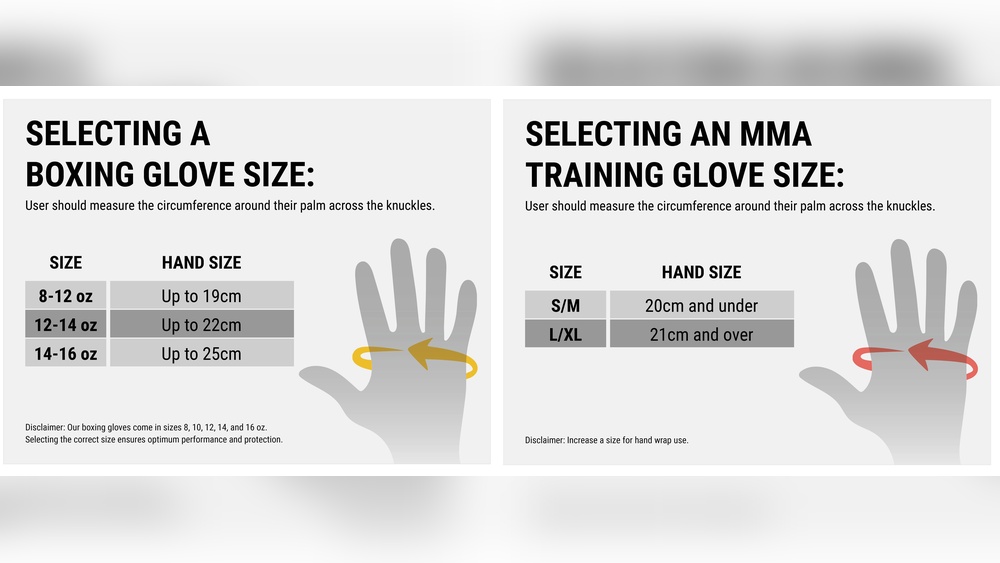
Choosing the right size boxing gloves starts with measuring your hand. Accurate measurements help find gloves that fit well. Proper fit protects your hands and improves performance. This section shows how to measure your hand correctly.
Hand Circumference
Hand circumference is the distance around your hand. Wrap a tape measure around your knuckles. Keep your fingers together but relaxed. Do not include your thumb in the measurement. Note the number where the tape meets.
Hand Length
Hand length is the distance from your wrist to the tip of your middle finger. Place the tape measure at the base of your wrist. Stretch it to the end of your middle finger. Write down this measurement in inches or centimeters.
Using A Tape Measure
Use a soft, flexible tape measure for best results. If you do not have one, a string and ruler work. Wrap the string around your hand for circumference. Mark the string, then measure its length with the ruler. Keep the tape snug but not tight.
Weight And Size Correlation
Understanding the connection between boxing glove weight and size is crucial for choosing the right pair. Gloves come in different weights, which affect their size and padding. Heavier gloves tend to be larger and offer more protection. Lighter gloves are smaller and allow faster hand movement. Picking the right glove weight based on your hand size and boxing style ensures comfort and safety.
Common Glove Weights
Boxing gloves usually range from 8 oz to 20 oz. Amateur fighters often use 10 oz or 12 oz gloves. Beginners and training gloves typically start at 14 oz or 16 oz. Heavier gloves, like 18 oz or 20 oz, are used for sparring. Each weight serves a specific purpose. Choosing the right weight depends on your needs and hand size.
Matching Weight To Hand Size
Hand size affects glove fit and comfort. Smaller hands suit lighter gloves, like 8 oz or 10 oz. Medium-sized hands fit well with 12 oz or 14 oz gloves. Larger hands need 16 oz or more. Gloves that are too big or too small can cause injury. Measure your hand width and length before choosing a glove weight.
Choosing Based On Boxing Style
Your boxing style impacts the glove weight you need. Faster punchers prefer lighter gloves for speed and agility. Heavy hitters use heavier gloves to protect their hands during powerful punches. Defensive boxers might choose gloves with more padding. Training gloves are usually heavier to build strength and endurance. Pick glove weight that matches your fighting approach.
Fit And Comfort Tips
Choosing the right boxing gloves means finding a perfect fit. Comfort plays a big role in your performance and safety. Gloves that feel tight or loose can cause pain or injury. Follow these tips to check fit and comfort carefully.
Trying Gloves On
Put the gloves on and move your hands. Make a fist several times. The gloves should feel snug but not tight. Your fingers should reach the end without pressure. Walk around wearing them to test comfort.
Checking Finger And Thumb Space
Check space inside the gloves for your fingers and thumb. You need a little room to move but not too much. Too much space means less control and risk of injury. Make sure your thumb fits comfortably without bending awkwardly.
Adjusting Wrist Straps
Fasten the wrist straps firmly for support. The straps keep your gloves secure during training or fights. Tighten them enough to stop slipping but not to cut off circulation. Proper wrist support protects against sprains and strains.

Credit: www.proboxingequipment.com
Material And Padding Influence
Choosing the right boxing gloves depends a lot on their material and padding. These two factors affect comfort, protection, and durability. Understanding them helps pick gloves that fit your needs and style.
Leather Vs Synthetic
Leather gloves are strong and last longer. They mold well to your hands over time. Synthetic gloves cost less and are lighter. They dry faster after sweat but may wear out sooner. Both types protect well but differ in feel and lifespan.
Padding Thickness
Thicker padding offers more protection for your hands and your opponent. It absorbs shocks better during hard punches. Thinner padding gives better hand speed and control. It suits fast, light training sessions. Choose padding based on your training type and safety needs.
Breathability Considerations
Gloves with good breathability keep your hands dry and cool. Ventilation holes or mesh panels help air flow inside. This reduces sweat and odor buildup. Breathable gloves improve comfort during long training. Non-breathable gloves can make hands hot and slippery.
Sizing For Different Age Groups
Choosing the right boxing gloves size varies by age group. Different ages need different glove sizes for safety and comfort. Proper fit protects hands and improves performance. This guide helps select the best glove size for kids, adults, and women.
Kids And Youth Gloves
Kids need smaller gloves for their smaller hands. Gloves usually range from 4 to 8 ounces for this group. Lightweight gloves offer better control and less strain. Look for gloves that fit snugly but allow finger movement. Protect young hands during training and sparring.
Adult Gloves
Adults require gloves that match their weight and training type. Common sizes range from 12 to 16 ounces. Heavier gloves provide more padding for sparring. Lighter gloves suit bag work and speed drills. Choose gloves based on your hand size and boxing style.
Women’s Gloves
Women’s gloves are designed for smaller hands and different wrist support. Sizes typically start from 10 ounces. These gloves offer a comfortable fit without extra bulk. Proper wrist support prevents injuries. Select gloves that feel secure and comfortable during workouts.
Credit: absolutemma.com
Common Mistakes To Avoid
Picking the right size boxing gloves is important for comfort and safety. Many beginners make simple mistakes that can cause problems later. Avoiding these errors helps you train better and protects your hands. Pay attention to common pitfalls and learn what to watch out for.
Choosing Too Small Or Too Large
Gloves that are too small can hurt your hands and wrists. They may feel tight and reduce blood flow. Gloves that are too big can slip and cause injury. They also make it hard to punch correctly. Always try gloves on before buying. Your hands should feel snug but not squeezed.
Ignoring Weight Classes
Boxing gloves come in different weights, like 8 oz, 10 oz, or 16 oz. Each weight serves a different purpose. Using the wrong weight can lead to poor training or injury. Lighter gloves are for competition, heavier ones for training. Check the recommended weight for your size and skill level. Don’t skip this step.
Overlooking Glove Purpose
Not all gloves are the same. Some are for bag work, others for sparring or competition. Using bag gloves for sparring can hurt your partner. Using sparring gloves on the bag can damage your hands. Know what you need the gloves for before buying. Choose gloves designed for your main activity.
Maintaining Your Gloves
Maintaining your boxing gloves is key to keeping them comfortable and lasting longer. Proper care stops bad smells and damage. Gloves that are clean and stored well feel better every time you train. This section shows how to clean, store, and know when to replace your gloves.
Proper Cleaning
Wipe gloves with a damp cloth after each use. Use mild soap if needed, but avoid soaking them. Let gloves air dry completely before storing. Avoid direct sunlight or heaters to dry gloves. Clean gloves regularly to prevent bacteria and odor build-up.
Storage Tips
Store gloves in a cool, dry place. Avoid leaving gloves in your gym bag for long hours. Use a breathable bag instead of plastic to let air circulate. Stuff gloves with newspaper to absorb moisture after use. Proper storage keeps gloves fresh and prevents damage.
When To Replace Gloves
Replace gloves if padding feels hard or uneven. Check for tears or loose stitching often. Gloves that smell bad despite cleaning need replacement. Worn gloves reduce hand protection and comfort. New gloves ensure better safety and training experience.
Frequently Asked Questions
What Size Boxing Gloves Should Beginners Choose?
Beginners should start with 12 to 14 oz gloves for proper hand protection. These sizes offer good padding and wrist support. They help prevent injuries during training and bag work. Choosing the right size boosts comfort and confidence in boxing sessions.
How Do I Measure My Hand For Boxing Gloves?
Measure your dominant hand’s circumference around the knuckles, excluding the thumb. Use a flexible tape measure for accuracy. This measurement helps find gloves that fit snugly without being too tight. Proper fit ensures better performance and safety.
Why Does Glove Weight Matter In Boxing?
Glove weight affects protection, speed, and endurance during training or fights. Heavier gloves offer more padding but may slow punches. Lighter gloves increase speed but provide less protection. Choosing the right weight balances safety and performance.
Can I Use The Same Glove Size For Bag And Sparring?
No, bag gloves and sparring gloves often differ in size. Sparring gloves usually have extra padding for safety. Bag gloves are lighter for better speed and impact. Selecting proper gloves for each activity prevents injuries.
Conclusion
Choosing the right boxing gloves size protects your hands and improves comfort. Gloves that fit well help you train longer without pain. Measure your hand and consider your weight before buying. Try different sizes to find what feels best. Remember, good gloves support your wrists and knuckles.
Taking time to pick the right size makes a big difference. Stay safe and enjoy your boxing practice with proper gloves.