When you step into the world of boxing, one question might pop into your mind: What is the size of boxing gloves you really need? Choosing the right glove size isn’t just about comfort—it can impact your performance, safety, and even your training results.
If you want to protect your hands and get the most out of every punch, understanding glove sizes is essential. Keep reading, and you’ll discover how to find the perfect fit for your gloves, no matter your experience level. Your hands will thank you.
Boxing Glove Sizes Explained
Choosing the right boxing gloves is important for comfort and safety. Gloves come in different sizes and weights. Knowing the correct size helps protect your hands and improves performance. This guide will explain the common glove sizes and how to measure your hand for the best fit.
Common Weight Categories
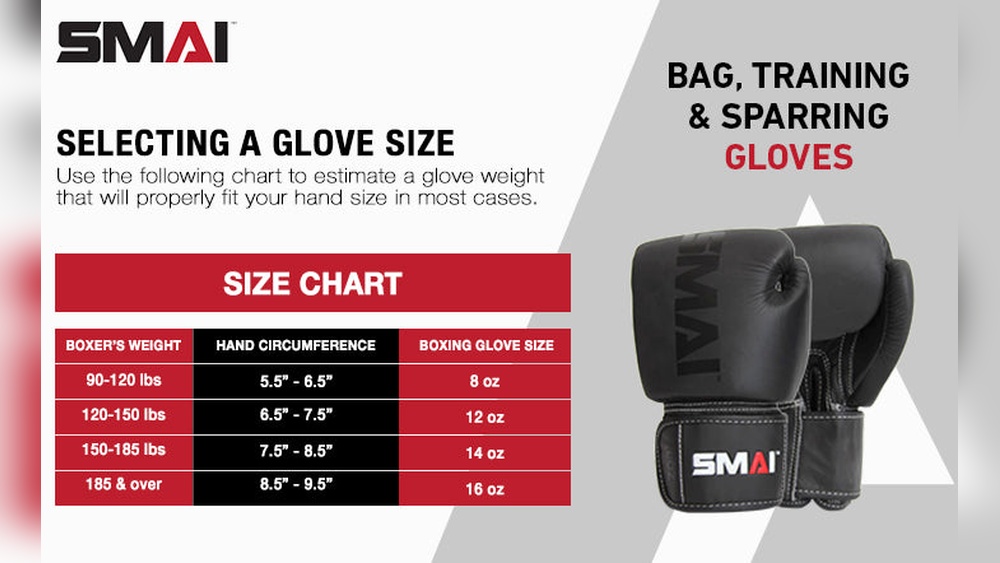
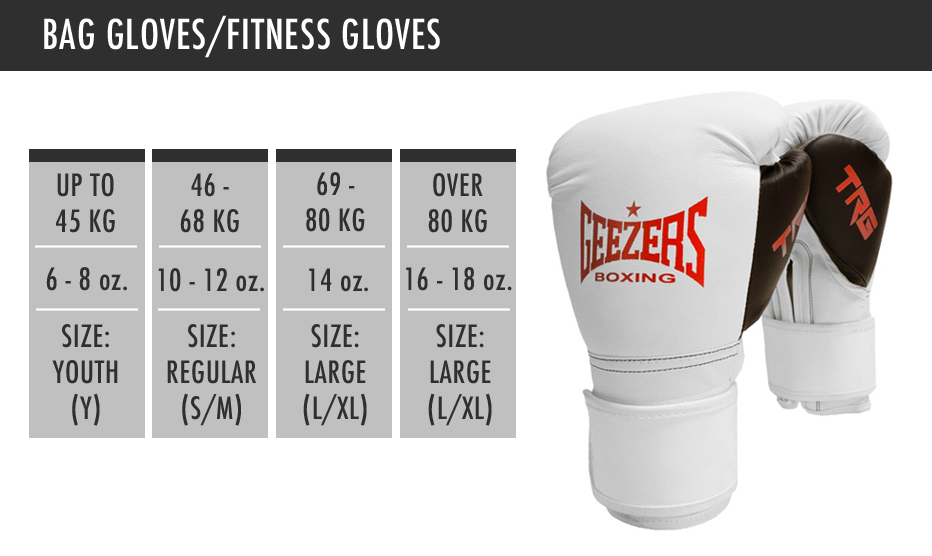
Boxing gloves are measured in ounces (oz). The weight shows the glove’s size and padding. Lighter gloves, like 8 oz or 10 oz, are for competition and speed. Heavier gloves, such as 14 oz or 16 oz, offer more protection and are used for training. Choose a weight based on your training type and hand size.
Measuring Your Hand Size
Measure around the widest part of your hand, just below the knuckles. Use a soft tape measure for accuracy. Do not include your thumb in the measurement. The size in inches helps pick the right glove size. Small hands usually fit 8 oz or 10 oz gloves. Larger hands need 12 oz or more for comfort and safety.
Credit: fintechontheseas.com
Choosing Gloves For Different Uses
Choosing the right boxing gloves depends on how you plan to use them. Different activities need different glove sizes and types. Picking the correct gloves helps protect your hands and your training partner. It also improves your performance and comfort during sessions.
Training And Sparring Gloves
Training gloves are larger and heavier. They usually weigh between 14 and 16 ounces. These gloves offer more padding to protect your hands and your partner. Sparring gloves also reduce the impact of punches. They help prevent injuries during practice fights. Always choose gloves with enough padding for safe sparring.
Competition Gloves
Competition gloves are lighter and smaller. They usually weigh 8 to 10 ounces. These gloves focus more on speed and power. Less padding means punches hit harder. Different boxing organizations have specific glove rules. Make sure your gloves meet these rules before fighting. Proper fit and size are crucial in competition gloves.
Bag Gloves
Bag gloves protect your hands during heavy bag work. They are smaller and lighter than training gloves. Usually, bag gloves weigh around 12 ounces. They provide enough padding to shield your knuckles. Bag gloves also offer good wrist support. Using the right gloves helps avoid injuries while hitting the bag.
Impact Of Glove Size On Performance
The size of boxing gloves plays a key role in how a boxer performs. Different glove sizes affect protection, speed, and power. Choosing the right size helps balance these factors for better results. Understanding these impacts guides better glove choices for training or matches.
Protection And Safety
Larger gloves offer more padding, reducing injury risks. They protect both the wearer and the opponent from hard hits. Smaller gloves have less padding, which increases the chance of cuts or bruises. Proper glove size helps keep hands safe during punches. Safety is crucial for long-term boxing success.
Speed And Agility
Smaller gloves are lighter and allow quicker hand movement. This helps boxers deliver fast punches and combinations. Large gloves add weight, which can slow down hand speed. Faster punches often create more chances to land hits. Choosing the right glove size helps keep agility high in the ring.
Power And Endurance
Bigger gloves absorb more impact, which can reduce punch power. Smaller gloves transfer more force to the opponent, increasing power. Heavier gloves build endurance by making training harder. Light gloves improve speed but may tire hands less. Balancing power and endurance depends on glove size choice.

Credit: wilsonhand.com
How To Find The Perfect Fit
Finding the perfect boxing glove size is key for comfort and safety. Gloves that fit well protect your hands and wrists. They help you train longer and perform better. Follow simple steps to choose gloves that feel right for you.
Trying Gloves On
Put the gloves on before buying them. Make sure your fingers reach the end without feeling squeezed. Move your hands inside the gloves to check flexibility. Gloves should feel snug but not tight. Test different sizes to find the best fit.
Considering Weight And Hand Wraps
Boxing gloves come in different weights, like 8 oz, 10 oz, or 12 oz. Heavier gloves offer more padding but may feel bulky. Lighter gloves give more speed but less protection. Think about the hand wraps you use. Wraps add thickness, so choose gloves that fit with wraps on.
Adjusting For Comfort
Comfort means the gloves do not hurt your hands after use. Check the wrist strap for a secure fit. It should hold the glove firmly but not cut off circulation. Move your wrists and fingers to ensure no pinching happens. Good gloves feel like a second skin during training.
Materials And Design Factors
Boxing gloves vary in size because of their materials and design. These factors affect comfort, protection, and performance. Knowing about padding, closures, and materials helps to choose the right gloves.
Padding Types
Padding cushions your hands and absorbs impact. Foam padding is common for shock absorption. Gel padding offers extra comfort and reduces hand strain. Some gloves combine foam and gel for better protection. Different padding thickness changes glove size and weight.
Closure Styles
Closures keep gloves secure on your hands. Velcro straps are easy to use and adjust. Lace-up closures provide a tighter and more custom fit. The closure style can affect wrist support and glove fit. Choose closure types based on convenience and comfort.
Durability And Breathability
Good materials increase glove lifespan. Leather gloves last longer and resist wear well. Synthetic gloves are lighter and often cheaper. Breathable fabrics allow air flow inside gloves. This reduces sweat and keeps hands cool during training.

Credit: www.tigear.com
Tips For Maintaining Your Gloves
Keeping your boxing gloves in good shape helps them last longer and stay safe. Proper care stops bad smells and damage. It also keeps the padding and leather strong. Follow simple steps to maintain your gloves well.
Cleaning Methods
After each use, wipe your gloves with a clean, dry cloth. This removes sweat and dirt. Use a mild soap with water on a cloth to clean the outside if needed. Avoid soaking gloves in water. Let them air dry completely before storing.
Storage Recommendations
Store gloves in a cool, dry place. Avoid leaving them in a gym bag or hot car. Use glove deodorizers or stuff gloves with newspaper to absorb moisture. Keep gloves open to let air flow inside. This stops bacteria and bad smells.
When To Replace Gloves
Replace gloves when padding feels hard or uneven. Check for tears or cracks in the leather. If gloves smell bad even after cleaning, it might be time for new ones. Good gloves protect your hands better and feel more comfortable.
Frequently Asked Questions
What Are The Common Boxing Glove Sizes?
Boxing gloves commonly come in 8oz, 10oz, 12oz, 14oz, and 16oz sizes. The size depends on weight class and purpose. Smaller gloves are used for competition, while larger gloves are for training and sparring.
How To Choose The Right Boxing Glove Size?
Choose glove size based on your weight and training type. Lighter gloves suit competitive fights, while heavier gloves offer better hand protection during training. Always try gloves on to ensure a comfortable and secure fit.
Why Do Boxing Gloves Have Different Sizes?
Glove sizes vary to protect both the wearer and opponent. Larger gloves reduce impact force in training. Smaller gloves offer speed and agility during fights. Size affects weight, padding, and hand coverage.
What Size Gloves Do Professionals Use?
Professional boxers typically use 8oz or 10oz gloves for matches. Training gloves are often heavier, around 14oz to 16oz, to build strength and protect hands. Size choice depends on boxing regulations and personal preference.
Conclusion
Choosing the right boxing glove size matters a lot. It helps protect your hands and your opponent. Smaller gloves give more speed but less padding. Bigger gloves add more protection but feel heavier. Always pick gloves that fit your hand well.
Comfort and safety go hand in hand. Knowing glove sizes makes your training better and safer. Keep this in mind next time you buy gloves. Your hands will thank you.