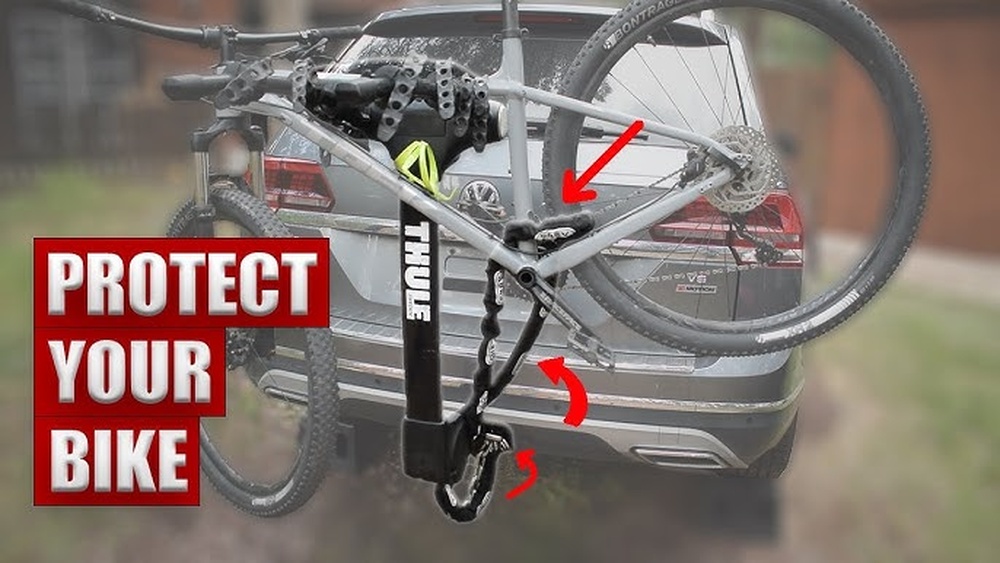
You want to keep your bike safe, and using a cable lock might seem like a simple solution. But do you know how to lock your bike properly with a cable lock to actually protect it?
Many people make common mistakes that leave their bikes easy targets for thieves. In this guide, you’ll learn step-by-step how to use a cable lock the right way, so you can feel confident leaving your bike parked. Keep reading to discover insider tips that will help you secure your bike better and avoid the frustration of a stolen ride.
Credit: www.pedalsure.com
Choosing The Right Cable Lock
Choosing the right cable lock is essential to protect your bike effectively. Not all cable locks offer the same level of security. Picking a suitable lock depends on your needs and the environment where you park your bike. Understanding the types, thickness, and limitations helps you make a smart choice.
Types Of Cable Locks
Cable locks come in different styles. Some have simple combination dials. Others use keys for locking. Coated cables prevent scratching your bike frame. Flexible cables allow easy locking around objects. Each type serves different purposes and convenience levels.
Cable Thickness And Security
Thicker cables provide better protection. Thin cables can be cut quickly with basic tools. A cable thicker than 10mm offers more resistance. Look for cables with multiple steel strands inside. The coating should be durable but not too soft.
Limitations Compared To Other Locks
Cable locks are lighter and easier to carry. They offer less security than U-locks or chain locks. Thieves can cut cables with bolt cutters in seconds. Avoid using cable locks as your only lock in high-risk areas. Use them as a secondary lock for added security.
Preparing To Lock Your Bike
Preparing to lock your bike is the first step toward keeping it safe. Taking a moment to plan where and how you lock your bike reduces the risk of theft. Simple precautions help secure your bike effectively. Follow these steps before you use your cable lock.
Selecting A Secure Location
Choose a well-lit area with high foot traffic. Thieves avoid places where people can easily see them. Avoid isolated or dark spots. Secure locations make it harder for thieves to work unnoticed. Public spaces or busy streets are the best choices.
Identifying Fixed Objects To Lock To
Look for strong, immovable objects like metal bike racks or sturdy poles. Avoid trees, thin posts, or objects that can be cut or lifted. The object should be firmly anchored to the ground. Make sure it is tall enough to lock your bike properly. A good object keeps your bike safe and stable.
Removing Or Securing Removable Parts
Take off easily removable items like lights, bags, and quick-release wheels. These parts can be stolen quickly if left unlocked. Carry small accessories with you or use extra locks. Securing or removing parts lowers the chance of losing valuable components. Always check your bike before you leave it locked.
Locking Techniques With A Cable Lock
Using a cable lock correctly increases your bike’s safety. Knowing proper locking techniques helps protect your bike from theft. Focus on securing the most valuable parts and avoiding easy mistakes. Below are key methods to use a cable lock effectively.
Securing The Frame And Rear Wheel
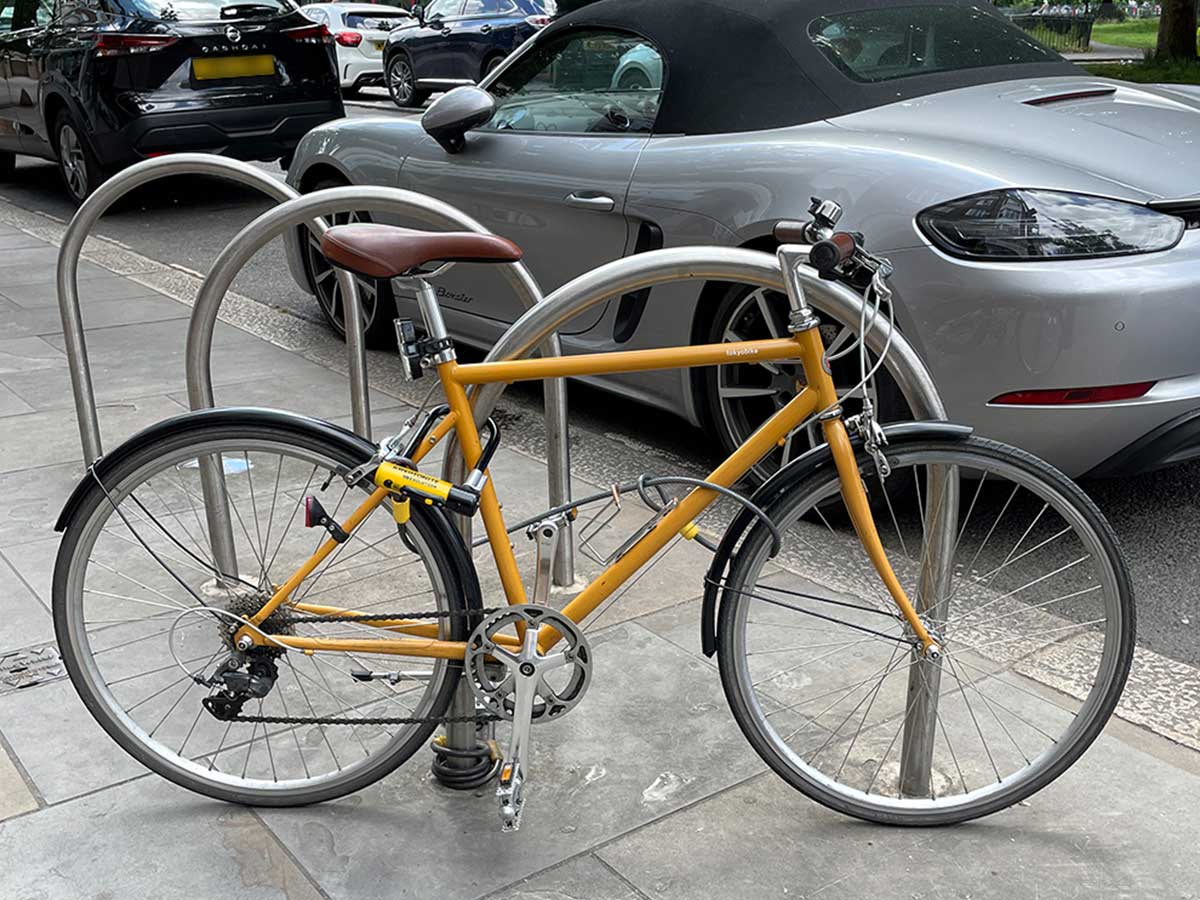
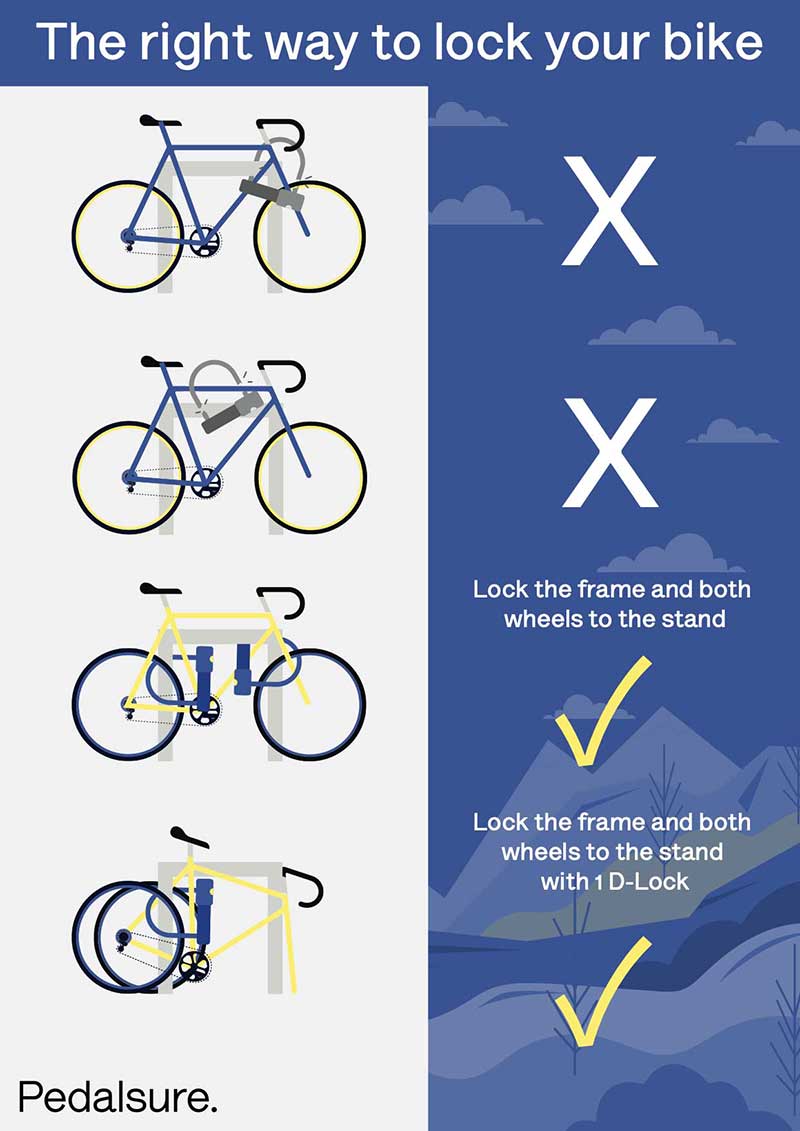
Always lock the frame and rear wheel together. These parts are the most expensive and most targeted. Thread the cable through the frame and rear wheel spokes. Attach the cable to a fixed, sturdy object. This prevents thieves from removing the bike or its parts.
Using The Cable Lock As A Secondary Lock
Use the cable lock alongside a stronger primary lock. For example, a U-lock can secure the frame and rear wheel. Then use the cable lock to secure the front wheel or seat. This adds extra protection and makes theft harder.
Avoiding Common Mistakes
Do not lock only the front wheel or only the frame. Avoid locking to objects that can be cut or moved easily. Do not leave slack in the cable; keep it tight to reduce leverage. Avoid cheap, thin cables that are easy to cut. Proper use reduces risk but remember cable locks offer limited security.
Credit: www.pedalsure.com
Enhancing Security Beyond The Cable Lock
Using a cable lock alone offers basic protection but leaves your bike vulnerable. Enhancing security beyond the cable lock helps reduce theft risks. Simple steps can improve your bike’s safety without much extra effort.
Combining Cable Locks With U-locks Or Chain Locks
Pair a cable lock with a U-lock or chain lock. The U-lock secures the frame tightly to a solid object. The cable lock can secure wheels or accessories. This combination makes theft harder and takes more time.
Using Multiple Locks For Added Protection
Use more than one lock to guard different parts of your bike. Lock the frame with a strong lock first. Use a cable lock for wheels or seat. Thieves avoid bikes with several locks because they need extra tools and time.
Parking In Visible And Well-lit Areas
Choose places with good lighting and clear visibility. Thieves prefer dark, hidden spots. A well-lit area exposes them and lowers theft chances. Park near busy streets or where many people pass by. This simple step increases your bike’s safety.
Maintaining Your Cable Lock
Maintaining your cable lock ensures it stays strong and reliable. Proper care prevents rust, wear, and malfunction. A well-maintained lock protects your bike better and lasts longer.
Regular Inspection For Wear And Damage
Check your cable lock often for signs of wear. Look for frayed cables or cracks in the plastic coating. Inspect the locking mechanism to see if it moves smoothly. Early detection of damage helps avoid lock failure. Replace the lock if you find any serious damage.
Lubricating Lock Mechanisms
Apply lubricant to the lock cylinder regularly. Use a light oil or graphite lubricant for best results. This keeps the lock turning smoothly and prevents rust buildup. Avoid heavy grease that can attract dirt and dust. Lubricate at least twice a year or more in wet climates.
Replacing Old Or Compromised Locks
Replace your cable lock if it shows serious wear or damage. Old locks become easier to break or pick. Upgrading to a new lock improves your bike’s security. Choose a lock with thick cables and a strong locking mechanism. Regular replacement ensures your bike stays protected.

Credit: www.youtube.com
Dealing With Theft Risks
Protecting your bike from theft is essential when using a cable lock. Understanding the risks helps you make smarter choices. Thieves look for weak spots and easy targets. Stay one step ahead by learning what to avoid and how to secure your bike better.
Recognizing Vulnerable Locking Spots
Always avoid flimsy or movable objects to lock your bike. Thin poles or signs can be removed or cut. Locking only the front wheel leaves the frame free to steal. Choose solid, fixed items like bike racks or sturdy poles. Check that the locked object cannot be lifted or broken.
Tips To Deter Thieves
Use a thick cable and lock both the frame and one wheel. Position the lock high off the ground to slow cutting attempts. Avoid leaving your bike in dark or isolated places. Park in busy, well-lit areas with foot traffic. Adding a secondary lock like a U-lock increases security. Register your bike with local authorities or online databases.
What To Do If Your Bike Is Stolen
Report the theft to the police immediately. Provide the bike’s make, model, and serial number. Check nearby pawn shops and online marketplaces for your bike. Share your loss on social media and community groups. Update your bike’s registration status to alert others. Stay alert and act fast for the best chance of recovery.
Frequently Asked Questions
How To Lock A Bicycle With Cable Lock?
Thread the cable lock through both the bike frame and rear wheel. Secure it to a sturdy, immovable object. Tighten the lock firmly. Ensure the lock is off the ground to prevent leverage attacks. Always park in a visible, well-lit area to deter theft.
How Safe Are Cable Bike Locks?
Cable bike locks offer minimal security and can be easily cut with common tools. Use U-locks or chain locks for better protection. Cable locks serve only as secondary locks, never as the main lock. Always lock your bike frame and wheels to a sturdy, immovable object in visible areas.
How Do I Lock My Bike Properly?
Lock your bike by securing the frame and both wheels to a solid, immovable object using a strong U-lock or chain lock. Choose a visible, well-lit area to deter theft. Avoid relying solely on cable locks, as they are easy to cut and offer minimal security.
What Color Bike Is Least Likely To Be Stolen?
Green and blue bikes are least likely to be stolen. They blend in more and attract less attention from thieves.
Conclusion
Properly locking your bike with a cable lock adds some protection. Focus on securing both the frame and the rear wheel. Always lock your bike to a solid, immovable object. Remember, cable locks offer limited security against thieves. For better safety, use a strong U-lock or chain lock first.
Use a cable lock only as a secondary measure. Stay alert and choose safe places to park your bike. These simple steps help reduce the risk of theft. Keep your bike secure and enjoy your rides worry-free.