
You want to keep your bike safe, right? Setting up your bike lock correctly is the first step to stop thieves in their tracks.
But if you’ve never done it before, it might feel confusing or tricky. Don’t worry—this guide will walk you through every step clearly and simply. By the end, you’ll know exactly how to set up your bike lock so it’s secure and easy to use.
Ready to protect your bike with confidence? Let’s get started!
Credit: www.youtube.com
Choosing The Right Lock
Choosing the right bike lock is key to protecting your bike. The perfect lock fits your bike type and parking location. Consider how often and where you park your bike. This helps pick a lock that meets your security needs. Below are important points to guide your choice.
Types Of Bike Locks
There are many bike lock types. U-locks are strong and hard to cut. Cable locks are flexible and light. Chain locks offer good security but can be heavy. Folding locks fold into a small size. Each type suits different needs and budgets.
Lock Strength And Security Ratings
Check a lock’s strength before buying. Look for security ratings from trusted sources. Higher ratings mean better protection. Strong locks resist cutting, picking, and smashing. A good lock can stop most thieves.
Matching Lock To Bike And Location
Match your lock to your bike and where you park. A heavy-duty lock fits busy city areas. For short stops in safe places, a lighter lock may work. Consider your bike’s value too. More expensive bikes need stronger locks.
Setting Your Combination Lock
Setting your combination lock is a key step to secure your bike. It allows you to control the code and keep your bike safe. Follow these simple steps to set and manage your combination lock with ease.
Aligning The Numbers
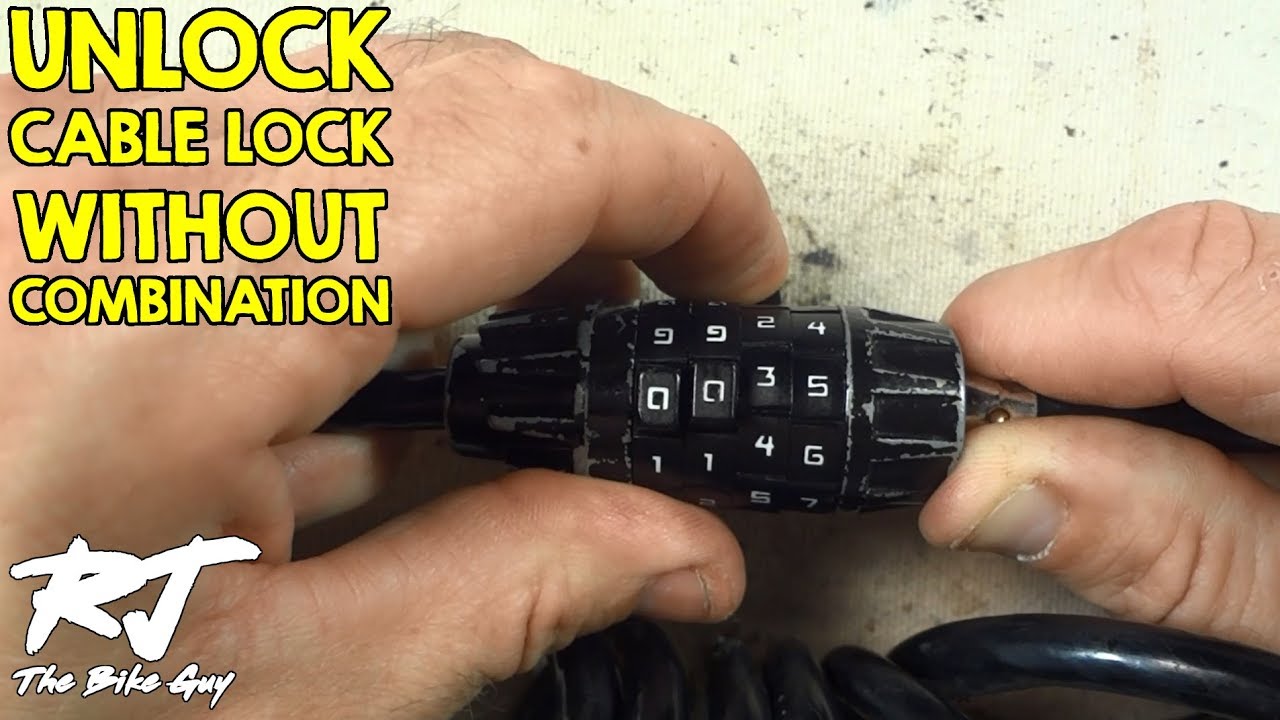
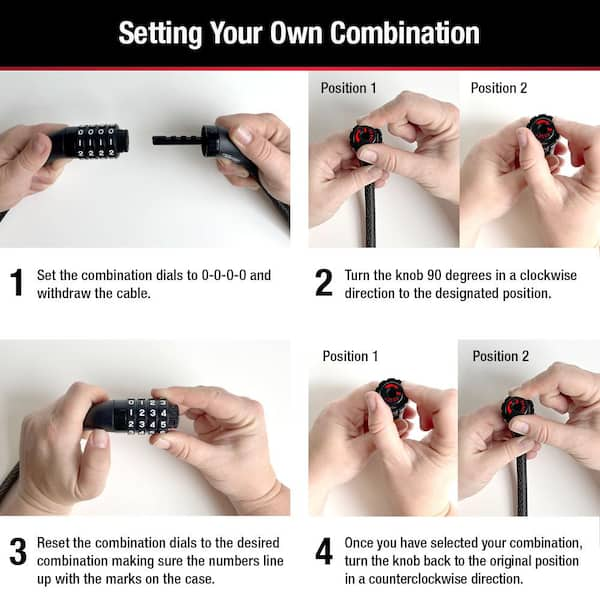
Start by turning the dials to the default code. Usually, it is 0-0-0 or 1-2-3. Make sure all numbers line up perfectly on the marker. This alignment is crucial for the lock to open and reset.
Choosing A Secure Combination
Select a combination that is easy for you to remember. Avoid common sequences like 1-2-3 or 0-0-0. Use a mix of numbers that only you know. This prevents others from guessing your code.
Resetting The Combination
Pull up or turn the reset lever on the lock. Set your new combination while the lever is in this position. Return the lever to its original place. Test your new code several times before locking your bike.
Proper Lock Placement
Proper lock placement increases your bike’s security. It reduces theft risk by making it hard to remove your bike. Understanding where to place the lock is key. Target the strongest parts of your bike and a solid anchor point.
Locking Through The Frame
Always lock through the bike frame, not just the wheels. The frame is the main part and harder to remove. Pass the lock through the frame and a fixed object. Avoid locking only the front wheel or seat. Thieves can quickly remove unlocked parts.
Securing Wheels And Accessories
Lock the wheels and accessories separately if possible. Wheels can be stolen if left unlocked, especially quick-release ones. Use a cable or secondary lock for wheels and seat. This adds an extra layer of protection to your bike. Secure loose accessories like lights or bags, too.
Using Solid Anchors
Choose a solid anchor that cannot be moved or cut easily. Look for strong poles, bike racks, or metal fences. Avoid thin trees or objects that can be lifted. The anchor should be fixed to the ground or wall. A good anchor makes it harder for thieves to steal your bike.
Locking Techniques For Maximum Security
Securing your bike properly starts with the right locking techniques. These methods lower the risk of theft and keep your bike safe. Focus on how you place the lock and avoid simple errors. Using strong strategies adds an extra layer of protection.
Positioning The Lock To Prevent Theft
Place the lock through the bike frame and a solid object. Avoid locking only the wheel or the seat. The frame is the strongest part of your bike. Choose a fixed object that cannot be moved or cut easily. Lock your bike in a well-lit and busy area. The right position makes stealing much harder.
Avoiding Common Locking Mistakes
Do not lock your bike to thin or weak objects. Avoid leaving space inside the lock where tools can fit. Always lock your bike tightly so the lock cannot be twisted. Never lock your bike in the same spot every day. Thieves watch for patterns and easy targets. Check the lock’s condition regularly and replace it if damaged.
Double Locking Strategies
Use two different types of locks for better security. A U-lock combined with a cable lock works well. Lock the frame with the U-lock and secure wheels with the cable lock. This method slows down thieves and forces them to use more tools. Double locking increases protection in high-risk areas. It is a simple way to keep your bike safer.
Maintaining Your Bike Lock
Maintaining your bike lock is key to keeping it strong and reliable. Regular care helps avoid rust, jams, or breakage. A well-kept lock protects your bike better and lasts longer.
Lubricating And Cleaning
Clean your bike lock with a soft cloth to remove dirt. Use mild soap and water for stubborn grime. Avoid harsh chemicals that can damage the lock’s surface.
Apply a small amount of lubricant to the keyhole and moving parts. Use a silicone-based or graphite lubricant for best results. This keeps the lock working smoothly and prevents rust.
Checking For Damage
Inspect your lock regularly for cracks or bends. Check the key and shackle for any signs of wear. Damaged locks are easier to break and less secure.
Test the lock by opening and closing it several times. If it sticks or feels loose, it may need repair or replacement. Staying alert to damage keeps your bike safe.
Storing The Lock Safely
Store your bike lock in a dry place when not in use. Avoid leaving it exposed to rain or moisture for long periods. Moisture causes rust and weakens the lock.
Keep the lock away from extreme temperatures that can affect its parts. Use a protective cover or bag to shield it from dust. Proper storage extends the lock’s life and reliability.

Credit: thebestbikelock.com
Additional Security Tips
Securing your bike goes beyond just setting up a lock. Extra steps help protect your bike from theft. Follow these tips to improve your bike’s safety and give yourself peace of mind.
Choosing Safe Parking Spots
Pick well-lit areas to park your bike. Busy places with lots of people deter thieves. Avoid dark or isolated spots. Use designated bike racks whenever possible. Secure your bike to a fixed, strong object. This makes it harder to steal or move your bike.
Registering Your Bike
Register your bike with local or national bike registries. This helps law enforcement find your bike if it gets stolen. Keep a record of your bike’s serial number and photos. Registration increases the chance of recovery. It also proves ownership if you need to claim insurance.
Using Gps Trackers And Alarms
Install a small GPS tracker on your bike. Trackers help locate your bike quickly if stolen. Some trackers send alerts to your phone. Bike alarms emit loud sounds when tampered with. They scare off thieves and draw attention. Combining locks, trackers, and alarms greatly improves security.
Credit: www.homedepot.com
Frequently Asked Questions
How To Set A Bike Lock For The First Time?
Align the numbers to the default code. Set your desired combination by turning the dials. Rotate the reset knob counterclockwise until it clicks. Test the new code by locking and unlocking the bike lock. Your bike lock is now securely set.
How To Set A 3 Digit Combination Lock?
Align the lock to the current combination. Pull the reset lever or knob. Set your new 3-digit code. Return the lever to its original position. Test the new combination to ensure it works.
How To Put A Bike Lock On Your Bike?
Thread the lock through your bike’s frame and front wheel. Secure the lock by closing it firmly around a fixed object. Ensure the lock clicks to confirm it’s locked. Scramble the dials or key to secure. Always lock in a visible, well-lit area for safety.
How To Set A Pin On A Bike Lock?
Align the numbers to the current combination. Turn the reset knob counterclockwise. Set your desired PIN. Rotate the knob back until it clicks. Your bike lock PIN is now set.
Conclusion
Setting up a bike lock is simple and important for bike safety. Choose a strong lock and follow steps carefully. Always double-check your combination before locking your bike. Secure your bike through the frame and a wheel for best protection.
Regularly inspect your lock for any damage or wear. A properly set lock helps prevent theft and gives peace of mind. Keep your combination written down in a safe place. Now, enjoy riding with confidence knowing your bike is secure.

