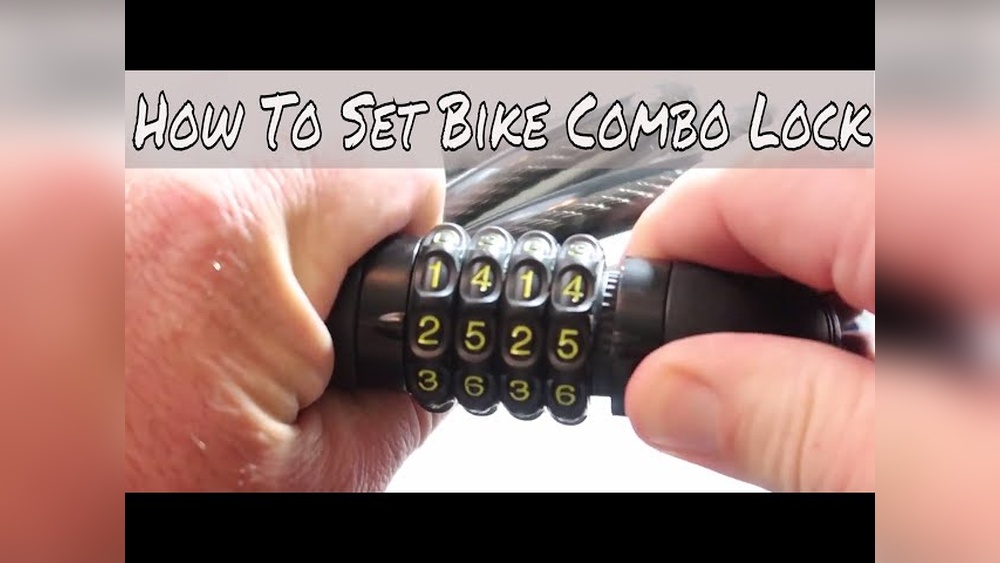
You’ve got your bike lock, but do you know how to set the perfect combination? If you want to keep your bike safe without the hassle of keys, a combination lock is a smart choice.
But setting it up the right way is key to avoiding frustration and ensuring your bike stays secure. In this guide, you’ll learn simple, step-by-step tips to set your bike lock combination quickly and easily. By the end, you’ll feel confident knowing your bike is locked tight—and you’ll never have to worry about forgetting your code again.
Keep reading to unlock the secrets to a hassle-free bike lock setup!
Credit: www.bikelockwiki.com
Choosing The Right Bike Lock
Choosing the right bike lock is crucial for protecting your bike. A good lock keeps your bike safe and gives you peace of mind. Picking a lock that fits your needs and budget helps prevent theft. Consider the type of lock and its security features before buying.
Types Of Combination Locks
Combination locks come in several styles. Cable locks are flexible and lightweight. They are easy to carry but offer less security. U-locks are strong and hard to break. They work well for high-risk areas. Chain locks use heavy metal links. They provide good security but can be heavy. Folding locks fold into a small size. They balance security and portability. Choose the type that suits your bike and daily use.
Security Features To Consider
Look for locks with hardened steel shackles. This material resists cutting and sawing. Check if the lock has anti-pick mechanisms. These prevent thieves from unlocking it quickly. Weather resistance is important too. A lock that resists rust lasts longer. Some locks include resettable combinations. This feature lets you change the code anytime. Pick a lock with clear instructions. It helps you set and reset your combination easily.
Credit: kyndadropzone.com.py
Locating The Reset Mechanism
Finding the reset mechanism is the key step in setting a bike lock combination. This part allows you to change the numbers to your own code. Knowing where it is helps you set a new combination quickly and easily.
Most bike locks have a reset knob or lever. These controls are designed to be simple and clear. Once you find the right spot, you can start changing your combination numbers.
Common Reset Knobs And Levers
Many bike locks use a small knob or lever for resetting. It is usually near the cable or shackle. This spot lets you twist or push the reset control.
Some locks have a push-button reset inside the shackle hole. Others use a rotating knob on the lock body. These parts are often colored or marked to stand out.
Check your lock’s manual or look carefully at the lock body. The reset knob or lever often has a clear marking or label.
Tips For Finding The Reset Point
Start by unlocking the lock using the current combination. This step is necessary before you can reset the code. Look closely at the lock body near the cable or shackle.
Feel for a small lever or knob that moves. Sometimes it is hidden in a small hole or recessed area. Use a flashlight or magnifier if the reset point is hard to see.
Try turning or pushing parts gently. The reset mechanism usually moves smoothly without force. If it does not move, try checking the other side or bottom of the lock.
Take your time to find the exact reset control. This careful search saves time and prevents damage to the lock.
Setting Your New Combination
Setting your new bike lock combination is a simple task that increases your bike’s security. It gives you control over who can access your bike. Follow clear steps to set a combination that you can easily remember. This process helps avoid lockouts and keeps your bike safe.
Step-by-step Dial Alignment
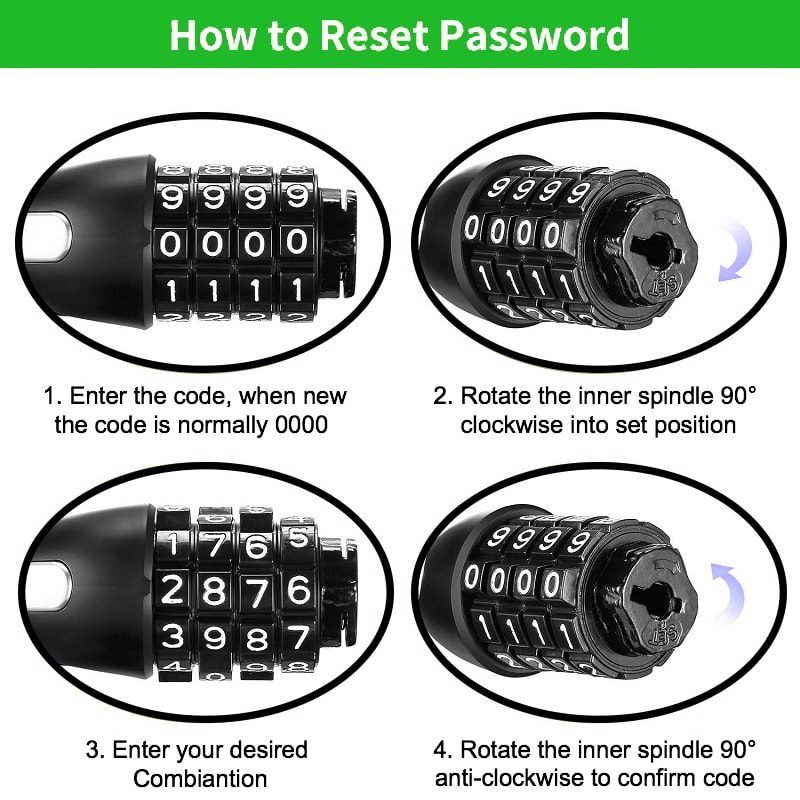
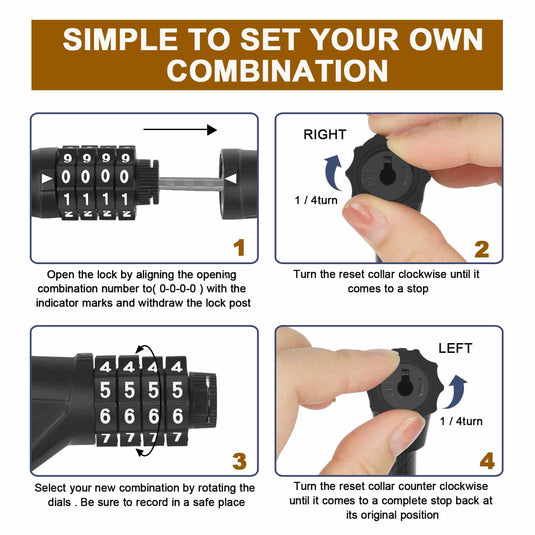
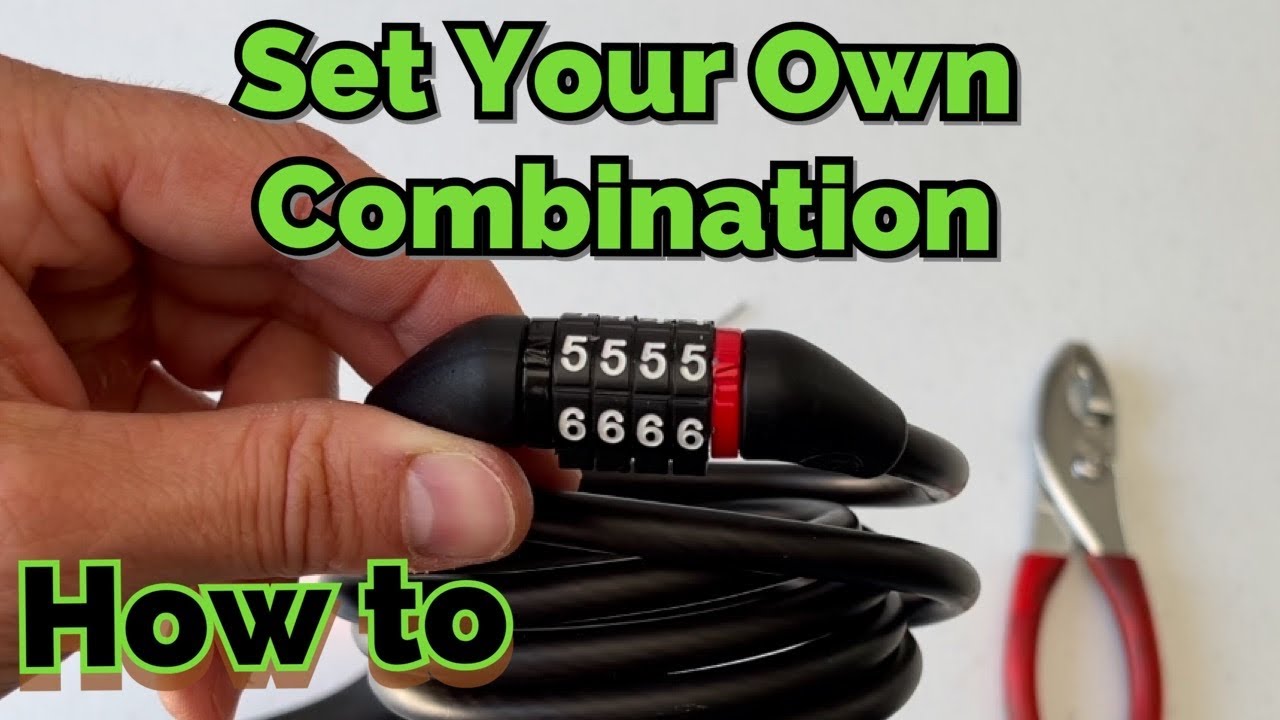
Start by opening your bike lock using the current combination. Locate the reset knob or lever, usually near where the shackle or cable connects. Turn or push this reset mechanism to enter the combination-setting mode. Slowly turn each dial to your chosen number, aligning it with the lock’s marker. Make sure the numbers line up perfectly. After setting all digits, return the reset knob or lever to its original position. Test the new combination by locking and unlocking the bike lock several times.
Creating A Memorable Code
Choose a combination that is easy to remember but hard to guess. Use a special date, like a birthday or anniversary, but avoid common sequences like 1-2-3-4. Mix numbers that have personal meaning to you. Write down the combination and keep it in a safe place. Avoid sharing your code with many people. Regularly practicing the combination will help you recall it quickly.
Finalizing The Lock Setup
Finalizing the lock setup is the last step in securing your bike. This step ensures your combination works perfectly. It also protects your lock from accidental resets. Taking time here saves frustration later.
Locking And Unlocking Test
Start by closing the lock with your new combination. Turn the dials to your chosen numbers. Pull the shackle or cable to lock it firmly.
Next, scramble the numbers to mix the combination. Try unlocking the lock by entering your code again. If it opens smoothly, your combination is set correctly.
Repeat this test a few times. Confirm the lock opens only with your chosen code. This step prevents getting stuck with a faulty combination.
Securing The Reset Mechanism
Find the reset knob or lever on the lock body. It is usually near where the shackle or cable fits. Return it to its original position carefully.
Make sure the reset mechanism is fully secured. This stops the combination from changing accidentally. Your lock is now ready for use with your new code.
Keep a note or photo of your combination in a safe place. This helps you avoid lockouts in the future.
Tips For Combination Security
Keeping your bike lock combination secure is crucial to protect your bike from theft. Simple mistakes can make your lock easy to guess. Careful habits help maintain security and avoid frustration. Follow these tips to keep your combination safe and reliable.
Avoiding Common Code Mistakes
Do not use obvious numbers like 0000, 1234, or your birth year. These codes are easy to guess. Avoid repeating digits or simple patterns. Choose a random combination that is hard to predict. Change your combination regularly to reduce risk. Never share your code with strangers or post it online. Make sure your combination is not easy to see while you set it.
Storing Your Combination Safely
Write your combination down and keep it in a safe place. Avoid storing it on your phone’s notes or emails. Use a small notebook or a secure location at home. Do not leave your combination on the lock or near your bike. If you forget your code, having it stored safely helps you recover access. Consider using a password manager to keep your combination secure and easy to find.
Troubleshooting Common Issues
Troubleshooting common issues with bike locks saves time and stress. Many users face problems during combination changes or lock operations. Knowing simple fixes helps you avoid frustration and keeps your bike secure. Below are solutions to frequent lock troubles.
What To Do If The Lock Won’t Reset
Start by confirming the lock is fully open. Most locks only reset when open. Check the reset lever or button for proper position. It must be fully engaged to allow resetting.
Try turning the dials back to the original combination. Sometimes the lock won’t reset unless the correct code is entered first. Avoid forcing the mechanism, which can cause damage.
Clean the reset area gently with a soft cloth. Dirt or debris may block the reset function. Lubricate lightly with graphite powder or silicone spray to ease movement. Avoid oil-based lubricants that attract dirt.
If problems continue, review the lock’s manual for model-specific steps. Some locks have unique reset methods or safety features. Contact the manufacturer if the lock still won’t reset.
Fixing Jammed Or Stuck Locks
Jammed locks often result from dirt, rust, or worn parts. First, apply a small amount of lubricant to the shackle and dials. Graphite powder works best for combination locks.
Work the lock gently by turning the dials slowly. Avoid forcing any part of the lock. Forcing can worsen the jam or break internal parts.
Use compressed air to blow out dust inside the lock. This helps clear debris that causes sticking. If accessible, clean the lock’s interior with a soft brush.
In extreme cases, soak the lock in warm soapy water to loosen grime. Dry thoroughly before applying lubricant. Repeat the process if the lock remains stuck.
Credit: www.youtube.com
Frequently Asked Questions
How To Set A 4 Digit Combination Lock?
Open the lock using the current combination. Locate and turn the reset lever or knob. Set your new 4-digit code. Return the reset mechanism to its original position. Test the new combination by locking and unlocking before use.
How To Set A 5 Digit Combination Lock?
To set a 5-digit combination lock, first open it using the default code. Locate and turn the reset lever or button. Align your new 5-digit code with the marker. Return the reset mechanism to its original position. Test the new code to confirm it works correctly.
How To Set A 3 Digit Combination Lock?
To set a 3-digit combination lock, open it using the current code. Locate the reset lever or button. Turn or press it, then set your new combination. Release the reset mechanism to lock in the code. Test the new combination before securing the lock.
How To Set A Combination Lock For The First Time?
To set a combination lock for the first time, open it using the default code. Locate the reset lever or knob. Turn it to reset mode. Set your desired combination numbers. Return the lever or knob to its original position.
Test the new code before locking.
Conclusion
Setting a bike lock combination is simple and quick. Always remember your new code or write it down safely. Test the lock several times before using it outside. This helps avoid lockouts and keeps your bike secure. A properly set combination protects your bike from theft.
Practice these easy steps to feel confident every time. Your bike stays safe with just a few simple moves.