Are you confused about which boxing glove size fits you best? Picking the right glove isn’t just about comfort—it can protect your hands, improve your performance, and keep you safe during training or sparring.
But how do you know what size is right for you? This guide will walk you through simple steps to measure your hand and match it with the perfect glove size. By the end, you’ll feel confident choosing gloves that suit your weight, training style, and goals.
Keep reading to find your ideal boxing glove size and step into the ring prepared and protected.

Credit: www.smai.com
Measuring Your Hand
Measuring your hand is the first step to find the right boxing glove size. It helps ensure comfort and protection during training or fights. Accurate measurement avoids buying gloves that are too tight or too loose. Use simple tools you have at home to get the correct size. Follow easy steps to measure your hand circumference.
Using A Tape Measure
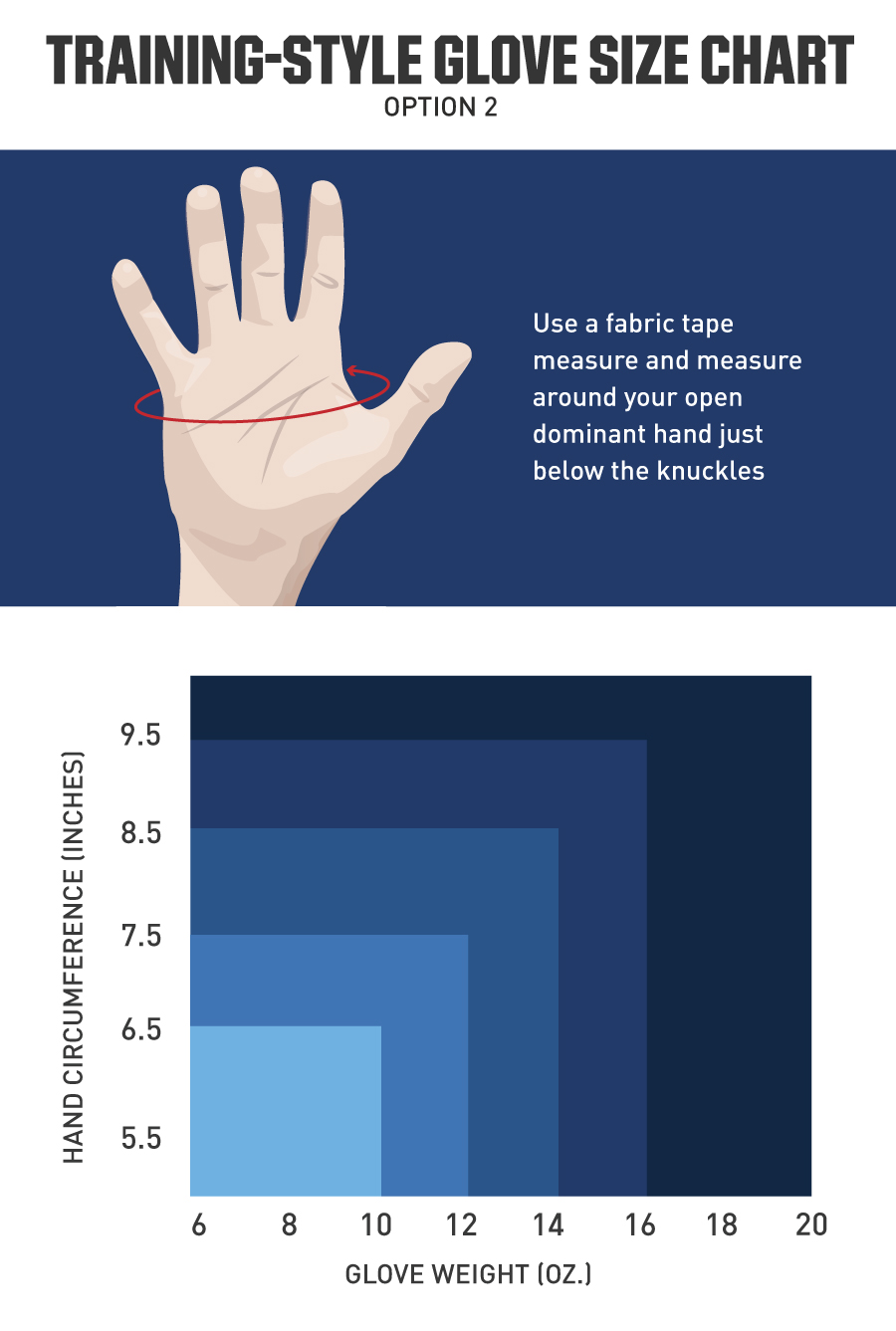
Take a soft tape measure made for sewing or crafts. Wrap it around the widest part of your hand. This is usually just below your knuckles, excluding the thumb. Keep the tape snug but not tight. Note the measurement in inches or centimeters. This number is your hand circumference. Use this number to find your glove size on a chart.
Alternative Method With String
If you do not have a tape measure, use a piece of string. Wrap the string around your hand at the same spot below your knuckles. Mark where the string overlaps. Lay the string flat and measure its length with a ruler. This length is your hand circumference. This method works well and is easy to do at home. Write down the measurement to check your glove size later.
Credit: www.dickssportinggoods.com
Weight And Glove Size
Choosing the right boxing glove size depends heavily on your weight. Gloves come in different weights, measured in ounces. These weights affect the glove’s size, padding, and protection level. Picking the correct weight ensures better comfort and safety during training or fights.
How Weight Influences Size
Heavier gloves have more padding and cover more space. They protect your hands and your opponent better. Lighter gloves allow faster punches but less padding. Your body weight helps decide which glove weight fits best. Heavier people usually need heavier gloves for adequate protection. Lighter people use lighter gloves to maintain speed and control.
General Size Recommendations
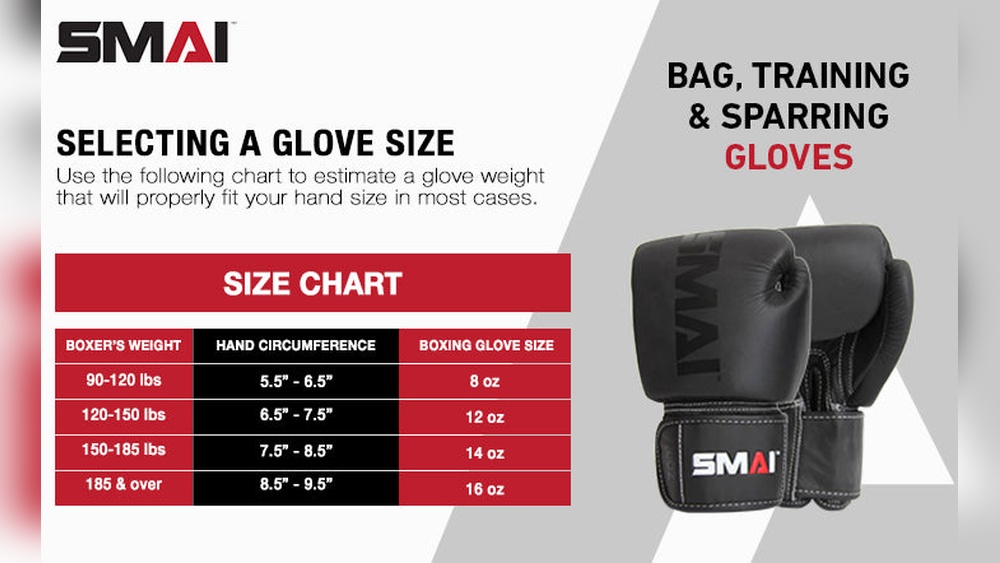
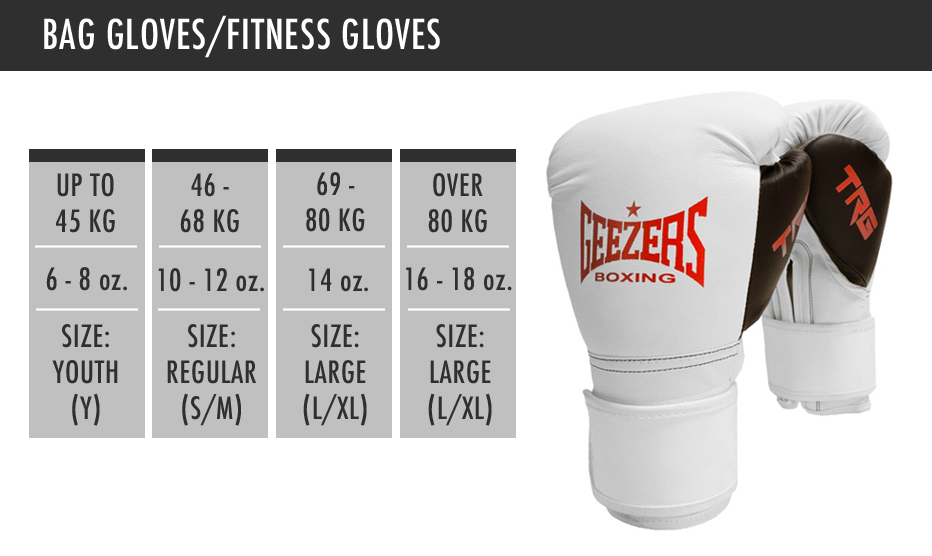
For people under 120 pounds, 8 to 10-ounce gloves work well. Those between 120 and 150 pounds should choose 12-ounce gloves. If you weigh 150 to 180 pounds, 14-ounce gloves offer good protection and comfort. Over 180 pounds, 16-ounce gloves are usually best. Always try gloves on to check fit and feel before buying.
Matching Gloves To Training
Matching gloves to your training type is key for comfort and performance. Different activities require specific glove features. Choosing the right size improves safety and effectiveness. Consider your training style before picking gloves.
Gloves For Bag Work
Bag work needs lighter gloves for speed and control. Gloves between 12 to 14 ounces suit most bag sessions. These gloves protect your hands without slowing punches. They help build endurance and quickness.
Gloves For Sparring
Sparring needs gloves with more padding to protect both fighters. Gloves weighing 14 to 16 ounces are common for sparring. Heavier gloves reduce injury risk and improve hand safety. They also condition your arms and shoulders well.
Gloves For Beginners
Beginners should choose gloves that offer good protection and comfort. Gloves around 14 ounces work well for most new boxers. They balance weight and padding for training and sparring. Proper fit helps develop good technique safely.
Interpreting Size Charts
Interpreting size charts is key to finding the right boxing glove size. These charts help match your hand size and weight to the best glove fit. Understanding how to read them ensures comfort and protection during training or fights.
Size charts vary by brand but usually list glove sizes in ounces. They often pair these sizes with hand circumference measurements and sometimes your body weight. Using these details correctly helps avoid buying gloves that are too tight or too loose.
Using Hand Circumference
Measure around your dominant hand’s knuckles with a tape measure. Keep your fingers together and measure just below the knuckles. Note this number in inches or centimeters, depending on the chart.
Compare your hand circumference to the size chart. This step shows which glove size matches your hand best. It helps ensure the glove fits snugly without squeezing or leaving too much space.
Choosing Between Sizes
If your measurement falls between two sizes, pick the larger one for comfort. Larger gloves offer more padding and protection. Smaller gloves allow faster hand movement but less cushion.
Consider your training style. Heavier gloves suit sparring, while lighter gloves work well for bag work. Use your weight along with hand size to make the final choice.
Additional Tips
Choosing the right boxing glove size is crucial for comfort and safety. Some extra tips help you refine your choice. These tips improve your experience and protect your hands during training or fights.
Using Multiple Pairs
Try using more than one pair of gloves. Different gloves serve different purposes. Lighter gloves are good for speed and bag work. Heavier gloves offer more padding for sparring. Switching between pairs helps your hands adjust. It also prevents wear and tear on a single pair. You get a better feel for what fits your style and needs.
Consulting A Coach
Ask a coach for advice on glove size. Coaches see many fighters and know what works best. They can check your hand size and training type. Coaches often spot issues you might miss. Their guidance helps you avoid injuries. Plus, they recommend gloves that match your skill level.
Credit: www.geezersboxing.co.uk
Frequently Asked Questions
Should I Get 12oz Or 14oz Boxing Gloves?
Choose 12oz gloves for speed, agility, and bag work. Pick 14oz gloves for sparring, extra protection, and strength building. Consider your weight and training purpose to decide.
What Is A Size 12 In Boxing Gloves?
A size 12 boxing glove weighs 12 ounces, ideal for sparring and general training. It offers balanced protection and comfort.
Do I Want 8oz Or 10oz Boxing Gloves?
Choose 8oz gloves for speed, agility, and bag work. Pick 10oz gloves for sparring and better hand protection. Consider your weight and training type.
Why Is Tyson Using 14 Oz Gloves?
Tyson uses 14 oz gloves to balance speed and protection during training. They enhance endurance and reduce injury risk.
Conclusion
Choosing the right boxing glove size protects your hands and improves training. Measure your hand circumference carefully for the best fit. Match the glove weight to your body weight and training style. Heavier gloves suit sparring, while lighter ones help with speed and bag work.
Proper gloves reduce injury and increase comfort during workouts. Remember, the right size helps you train smarter and stay safe. Take your time to find gloves that feel just right. Your hands will thank you every time you box.