Have you ever wondered what those numbers like 8oz, 12oz, or 16oz on boxing gloves really mean? Understanding what “oz” stands for can change the way you choose your gloves—and even improve your performance and safety in the ring.
If you want to pick the perfect gloves that fit your style and needs, knowing about “oz” is the first step. Keep reading, and you’ll discover everything you need to make the right choice for your boxing journey.
Boxing Glove Weights Explained
Boxing gloves come in different weights, and these weights matter a lot. Knowing the right glove weight helps in training, sparring, and fighting. This section explains what “oz” means in boxing gloves and how the weight affects performance.
What Oz Means In Gloves
“Oz” stands for ounces. It tells the weight of one glove. The higher the number, the heavier the glove. Gloves with more ounces have more padding. This protects your hands and your opponent more.
Common Oz Sizes
Gloves usually come in 8 oz, 10 oz, 12 oz, 14 oz, and 16 oz. Fighters use 8 oz or 10 oz in matches. Bigger gloves like 14 oz or 16 oz are for training and sparring. The size depends on your weight and purpose.
How Weight Affects Gloves
Heavier gloves slow down your punches. They build strength and endurance during training. Lighter gloves allow faster punches in fights. Heavier gloves give more protection but reduce speed. Choose the weight that fits your training or fighting needs.

Credit: www.proboxingequipment.com
Impact Of Glove Weight On Performance
The weight of boxing gloves, measured in ounces (Oz), affects how a boxer performs. Each glove weight changes the way a fighter moves, hits, and lasts during training or matches. Choosing the right glove weight helps balance speed, power, and comfort.
Speed And Agility
Lighter gloves increase hand speed. Boxers can throw punches faster and move with ease. This helps in quick combinations and defense. However, very light gloves offer less padding, which might reduce hand safety.
Power And Protection
Heavier gloves add more padding. They protect the hands and reduce impact on the opponent. This padding lowers the risk of injury but slows down punch speed. Fighters using heavier gloves can hit harder without hurting themselves.
Endurance And Fatigue
Wearing heavier gloves tires the arms faster. The extra weight requires more effort to lift and move. Over time, this can cause fatigue and reduce performance. Lighter gloves help maintain energy for longer training sessions or fights.
Choosing The Right Glove Weight
Choosing the right glove weight is key in boxing. The weight of gloves is measured in ounces (oz). This weight affects your speed, power, and protection. Picking the correct glove weight helps you train well and avoid injury. Different boxing activities need different glove weights. Understanding how to choose will improve your boxing experience.
Based On Training Type
Light gloves, like 8 oz or 10 oz, are good for competition. They allow fast punches and better movement. Heavier gloves, such as 14 oz or 16 oz, are better for training. They add resistance to build strength and endurance. For bag work, use gloves that protect your hands and wrists.
Considering Body Weight
Your body weight helps decide the right glove size. Lighter boxers often use lighter gloves. Heavier boxers need heavier gloves for better protection. A common rule is to use 10 oz gloves if you weigh under 150 lbs. Those over 180 lbs usually wear 16 oz gloves for training. This balance keeps your hands safe and improves performance.
Competition Vs Training Gloves
Competition gloves are lighter and less padded. This helps increase speed and impact during fights. Training gloves are heavier with more padding. They protect your hands during long sessions. Using the right glove type for each purpose prevents injuries. Always have separate gloves for training and matches.

Credit: fintechontheseas.com
Material And Design Influence
Boxing gloves come in different weights, measured in ounces (Oz). These weights affect the glove’s material and design. The choice of material and design impacts comfort, protection, and performance during training or fights. Understanding these factors helps pick the right glove weight for your needs.
Padding Density
Padding density controls the glove’s shock absorption. Heavier gloves usually have thicker, denser padding. This reduces hand and opponent injury. Softer padding suits lighter gloves, allowing faster punches. The right density balances protection and speed. It depends on your training style and purpose.
Wrist Support
Material and design shape wrist support in gloves. Strong wrist straps prevent injuries and provide stability. Some gloves use hook-and-loop closures for secure fit. Others have lace-up designs for tight support. Sturdy materials like leather or synthetic leather improve wrist strength. Proper wrist support helps maintain good punching form.
Ventilation Features
Ventilation keeps hands cool and dry inside gloves. Mesh panels or perforations allow air flow. Lightweight materials improve breathability. Good ventilation reduces sweat buildup and bad odor. It increases comfort during long training sessions. Proper airflow helps gloves last longer and feel fresher.
Common Myths About Glove Weights
Many people have wrong ideas about boxing glove weights. These myths can confuse beginners and even some experienced boxers. Knowing the truth helps you choose the right gloves for training or fighting. This section clears up common myths about glove weights, focusing on ounces (oz).
Heavier Gloves Always Better
Some think heavier gloves give better protection. Heavier gloves do have more padding. But they can slow your punches and tire your hands faster. The right glove weight depends on your purpose. For training, heavier gloves build strength. For fights, lighter gloves help you move faster.
Lighter Gloves Safer
Many believe lighter gloves are safer because they feel less bulky. Actually, lighter gloves have less padding. This means less protection for your hands and your opponent. Lighter gloves increase the chance of injuries. Use lighter gloves only during matches, not for daily training.
Standardizing Glove Weights
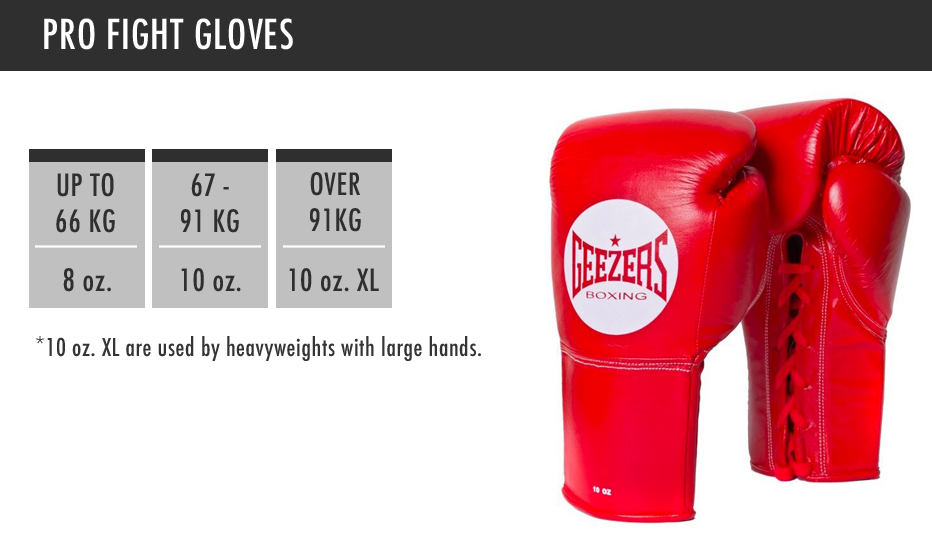
Boxing organizations set glove weight rules to keep matches fair. These rules vary by weight class and match type. Standard gloves weigh between 8 and 10 oz for fights. Training gloves usually weigh 12 to 16 oz. Using standard weights helps protect both fighters and keeps competition fair.
Credit: www.geezersboxing.co.uk
Tips For Maintaining Boxing Gloves
Taking care of your boxing gloves helps them last longer and stay fresh. Proper maintenance keeps gloves safe and comfortable for every fight or workout. Simple habits can protect your gloves from damage and bad smells.
Cleaning And Drying
After each use, wipe the gloves with a clean cloth. Use a small amount of mild soap and water for stubborn dirt. Avoid soaking the gloves to protect the padding inside. Open the gloves wide to let air flow inside. Place them in a dry, cool area to dry naturally. Never use a dryer or heater, as heat can ruin the gloves.
Storage Advice
Store gloves in a well-ventilated space to prevent moisture buildup. Avoid keeping them in your gym bag for too long. Use a glove deodorizer or stuff them with newspaper to absorb sweat and odor. Keep gloves away from direct sunlight to stop the material from cracking or fading.
When To Replace Gloves
Check gloves for thinning padding or tears regularly. If gloves lose shape or protection, it is time to replace them. Bad odors that don’t go away mean bacteria buildup inside. Using old gloves can cause hand injuries and affect performance. Always prioritize safety by replacing worn-out gloves promptly.
Frequently Asked Questions
What Does Oz Mean In Boxing Gloves?
Oz stands for ounces, measuring boxing gloves’ weight. It indicates glove size and padding thickness. Higher ounces mean more padding and protection.
How Do Oz Affect Boxing Glove Performance?
Higher Oz gloves offer better hand protection but reduce speed. Lower Oz gloves increase speed but provide less padding. Choose based on training or competition needs.
Why Are Boxing Gloves Sized By Oz?
Oz sizing standardizes glove weight globally. It helps boxers pick suitable gloves for their weight class and training type. It ensures consistency and safety.
What Oz Size Is Best For Beginners?
Beginners usually use 12-16 Oz gloves for ample protection. These sizes cushion impact, reducing injury risk during practice and sparring sessions.
Conclusion
Choosing the right Oz size helps protect your hands well. Smaller Oz gloves feel lighter and give more speed. Bigger Oz gloves offer more padding and safety. Knowing Oz helps you pick gloves that fit your needs. Proper gloves improve your training and boxing experience.
Always check the Oz before buying your gloves. This way, you stay safe and comfortable while boxing.