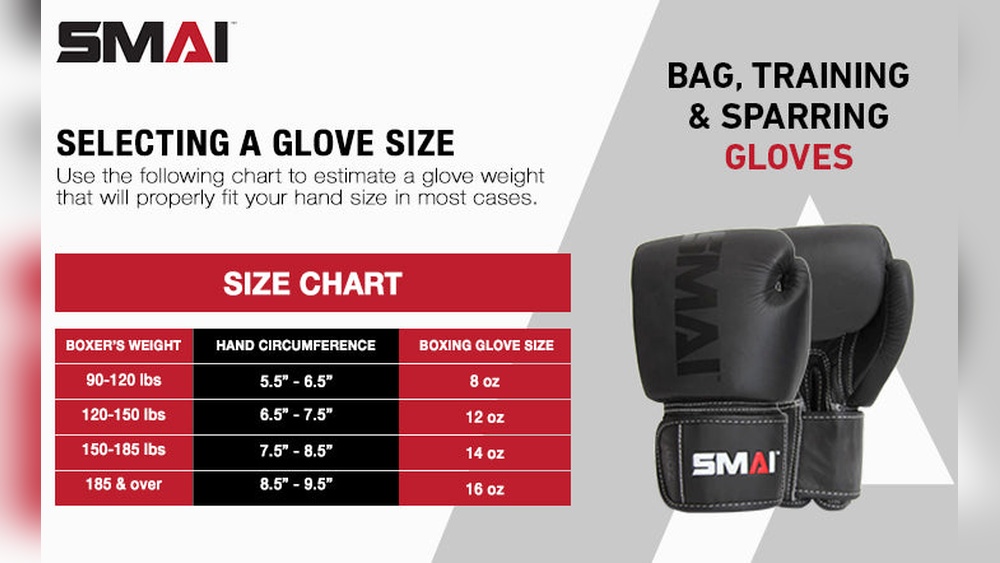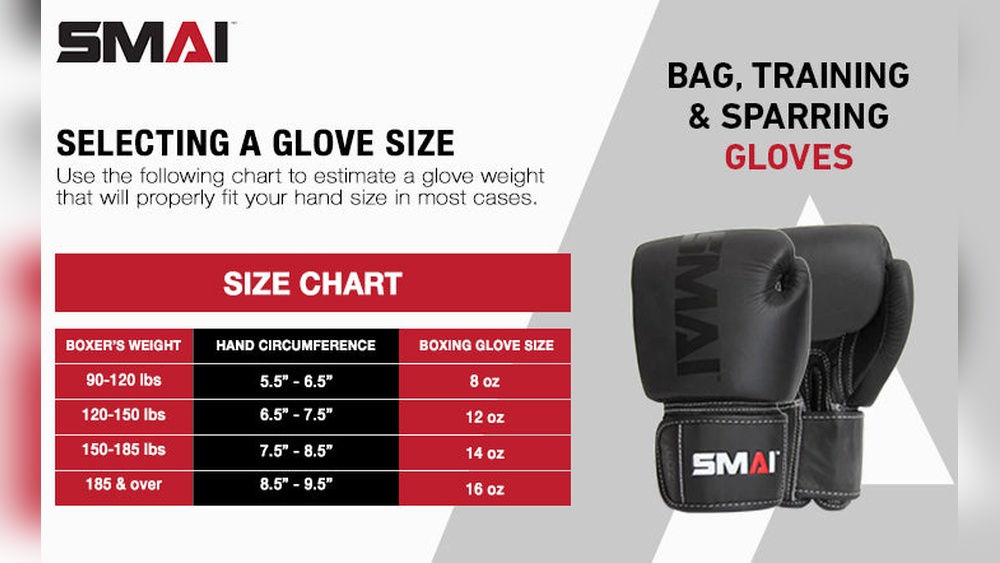
Have you ever wondered what those numbers on boxing gloves really mean? Choosing the right glove size is more important than you might think.
It affects your comfort, protection, and even your performance in the ring. If you want to avoid injury and get the most out of your training, understanding glove sizes is a must. Keep reading, and you’ll discover exactly how to pick the perfect gloves for your hands and your fighting style.
Boxing Glove Sizes Explained
Understanding boxing glove sizes helps you pick the right gloves. Gloves come in different weights and sizes. These affect comfort, protection, and performance.
Choosing the correct glove size is important for safety and technique. It also improves your training or competition experience.
Weight Vs Size
Boxing gloves are measured in ounces (oz). This number shows the glove’s weight, not the physical size. Heavier gloves offer more padding and protection.
Light gloves (8-10 oz) are smaller and faster. Heavy gloves (14-16 oz) provide more cushion. Size fits hand circumference, but weight affects feel and use.
Common Glove Sizes
Common glove sizes include 8 oz, 10 oz, 12 oz, 14 oz, and 16 oz. Beginners often use 12 to 16 oz gloves for better protection. Pro fighters may prefer 8 to 10 oz gloves for speed.
Kids usually wear smaller gloves around 6 to 8 oz. Sizes vary by brand, so check measurements before buying.
Choosing Size By Purpose
Training requires gloves with extra padding. Boxing bags need gloves that protect hands and the bag. Sparring needs well-padded gloves to reduce injury risk.
For competition, gloves must meet specific weight rules. Always pick gloves based on your activity for best results.
How Glove Weight Affects Performance
Glove weight changes how fast and strong your punches feel. Heavier gloves slow you down but offer more protection. Lighter gloves help speed but give less padding.
Speed And Power Balance
The weight of boxing gloves changes how fast and strong your punches are. Lighter gloves let your hands move faster. This helps improve your speed and reaction time. Heavier gloves slow your punches but add power. Fighters often train with heavier gloves to build strength. Finding the right weight helps balance speed and power for better performance.Protection Levels
Heavier gloves have more padding. This padding protects your hands and your opponent from injury. Lighter gloves have less padding, so they offer less protection. The glove weight affects how much shock your hand absorbs. Choosing the right weight helps keep your hands safe. It also reduces the risk of hurting your sparring partner.Training Vs Competition Gloves
Training gloves are usually heavier. They help build endurance and protect your hands during long sessions. Competition gloves are lighter. They allow faster punches and more precise movements. Each type serves a different purpose. Using the right gloves for training and fights improves your skills and safety.Measuring Hand Size For Gloves
Choosing the right boxing gloves starts with measuring your hand size. This step ensures comfort and protection during training or fights. Knowing how to measure your hand helps you pick gloves that fit well and feel good.
Hand Circumference Method
Wrap a tape measure around your dominant hand’s knuckles. Keep your fingers together but relaxed. Measure the widest part of your hand, excluding the thumb. Note the number in inches or centimeters. This measurement helps find the correct glove size.
Importance Of Proper Fit
Gloves that fit too tight cause discomfort and restrict movement. Loose gloves can slip and offer less protection. Proper fit reduces injury risk and improves performance. Your gloves should feel snug but allow finger movement.
Wraps And Their Impact
Hand wraps add extra padding and support inside gloves. Wraps increase your hand size slightly. Measure your hand with wraps on for the best glove fit. This step prevents gloves from feeling too tight during use.
:format(jpeg)/f/115220/1244x700/b5324542a6/boxing-glove-ounces-explained-youtube-video.jpg)
Credit: blog.joinfightcamp.com
Glove Materials And Their Influence
Boxing glove materials shape the glove’s feel, protection, and life span. Choosing the right material affects your training and fighting experience. Each material type offers unique benefits and drawbacks that impact glove size and use.
Leather Vs Synthetic
Leather gloves are soft and mold to your hands over time. They offer better breathability and last longer. Synthetic gloves cost less and are easier to clean. They do not stretch much and can feel stiff at first. Many beginners choose synthetic gloves for budget reasons.
Padding Types
Foam padding is common and absorbs impact well. Gel padding provides extra shock absorption and comfort. Some gloves mix foam and gel for balanced protection. Different padding types change glove weight and fit. Your choice affects hand safety during punches.
Durability And Comfort
Leather gloves usually wear well and stay comfortable longer. Synthetic gloves may crack or peel with heavy use. Comfort depends on glove lining and material breathability. Proper fit and padding also enhance comfort. Good gloves protect hands and reduce injury risk.
Selecting Gloves Based On Boxing Style
Selecting gloves based on boxing style is important for performance and safety. Different boxing activities need different glove types. Choosing the right glove size and style helps protect your hands and your opponent.
Each boxing style requires gloves with specific features. These features match the needs of the activity. Understanding these differences helps you pick the best gloves for your training or competition.
Sparring Gloves
Sparring gloves are heavier to protect both boxers. They usually weigh between 14 to 18 ounces. The extra padding reduces injury during practice fights. These gloves help you train longer without hurting your hands.
Bag Gloves
Bag gloves are lighter and designed for hitting heavy bags. They offer less padding than sparring gloves. These gloves protect your knuckles while allowing fast punches. They usually weigh between 10 to 12 ounces.
Competition Gloves
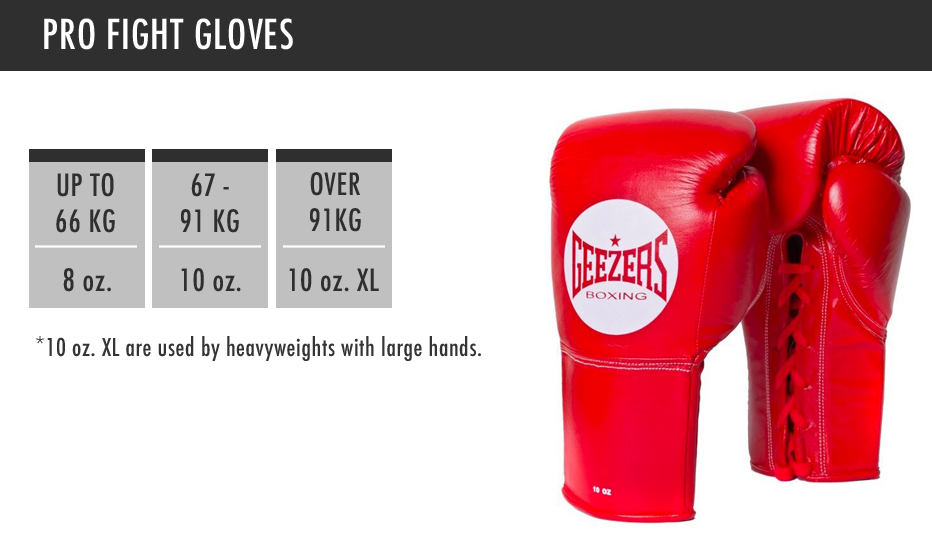
Competition gloves are lighter and more compact. They weigh between 8 to 10 ounces. These gloves help deliver faster, sharper punches. They have less padding to meet official rules in fights.
Credit: www.geezersboxing.co.uk
Tips For Trying On Boxing Gloves
Trying on boxing gloves is important before buying them. Proper fit affects your comfort and performance. Gloves that feel right help protect your hands and wrists. Spend time testing different sizes and styles. Pay attention to key factors for a good fit.
Checking Tightness
Gloves should fit snugly but not too tight. Your fingers should move slightly inside. Too tight gloves can cut off blood flow. Too loose gloves can shift during punches. Find a balance where the glove feels secure.
Wrist Support
Good wrist support prevents injuries. Wrap the glove’s wrist strap firmly around your wrist. It should hold your wrist steady without pain. Test by bending your wrist. The glove should keep your wrist stable.
Mobility And Flexibility
Your gloves must allow easy hand movement. Make a fist several times while wearing gloves. The gloves should not feel stiff or heavy. Flexible gloves help you punch faster and react better.
Common Mistakes When Choosing Gloves
Choosing the right boxing gloves is key for safety and comfort. Many make simple mistakes that affect their training and performance. Knowing these common errors helps you pick gloves that fit well and protect your hands.
Ignoring Hand Wraps
Hand wraps add padding and support under gloves. Some ignore them and pick gloves too tight for wraps. This causes discomfort and limits movement. Always try gloves with hand wraps on. This ensures a proper fit and better hand protection.
Choosing Based On Appearance
Gloves that look cool may not suit your needs. Many choose gloves by color or brand only. This leads to poor fit and less safety. Focus on size, padding, and material instead. Comfort and protection matter more than looks.
Neglecting Glove Weight
Glove weight affects speed and power during training. Some pick gloves too heavy or too light without thinking. Heavy gloves slow you down, light gloves offer less protection. Match glove weight to your training type and hand size for best results.

Credit: www.smai.com
Frequently Asked Questions
What Do Boxing Glove Sizes Represent?
Boxing glove sizes represent the glove’s weight in ounces. This weight affects padding thickness, protection level, and glove size. Heavier gloves offer more protection but can be bulkier. Choosing the right size ensures safety and comfort during training or competition.
How To Choose The Right Boxing Glove Size?
Choose boxing glove size based on your weight and training type. Lighter gloves (8-10 oz) suit competition, while heavier gloves (12-16 oz) are for training. Proper fit protects hands and wrists, improving performance and reducing injury risk.
Why Are Boxing Gloves Measured In Ounces?
Boxing gloves are measured in ounces to indicate weight and padding level. This standard helps boxers pick gloves suitable for their weight class and training needs. The ounce size ensures consistent protection and comfort across different glove brands.
Does Glove Size Affect Punching Power?
Yes, glove size affects punching power. Larger gloves have more padding, which can reduce impact force. Smaller gloves offer less padding, allowing stronger punches but less hand protection. Selecting the right size balances power and safety.
Conclusion
Choosing the right boxing glove size matters a lot for comfort and safety. Gloves protect your hands and your opponent during training or fights. Smaller gloves offer speed but less padding. Bigger gloves give more protection but can feel heavy.
Think about your weight and purpose when picking gloves. Understanding sizes helps you train better and avoid injuries. Now you know what boxing glove sizes mean. Use this knowledge to find gloves that fit you well. Stay safe and enjoy your boxing journey!