Choosing the right size boxing gloves for a teenager can be tricky. If your teen is just starting out or getting serious about boxing, the gloves they use matter a lot.
The wrong size can cause discomfort, reduce protection, and even affect performance. You want your teen to feel confident and safe every time they train or spar. You’ll discover exactly how to pick gloves that fit perfectly and keep your teen ready to punch with power and protection.
Keep reading to find out what size boxing gloves will work best for your teenager.
Choosing Gloves By Age And Weight
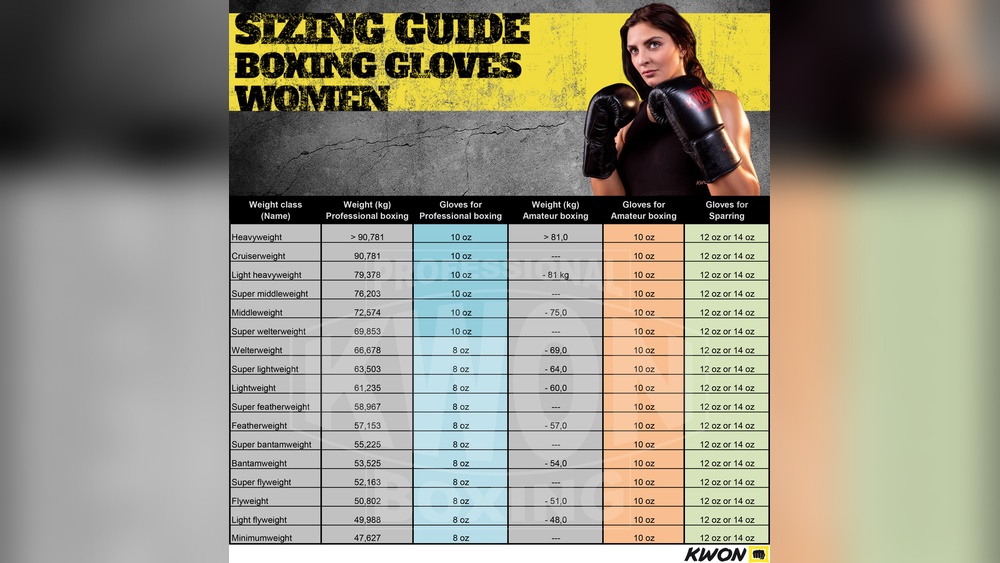
Choosing the right boxing gloves for teenagers depends on their age and weight. These two factors help find gloves that fit well and protect hands properly. Gloves that are too big or small can cause discomfort or injury. Understanding the right size by age and weight makes training safer and more fun.
Age Groups And Glove Sizes
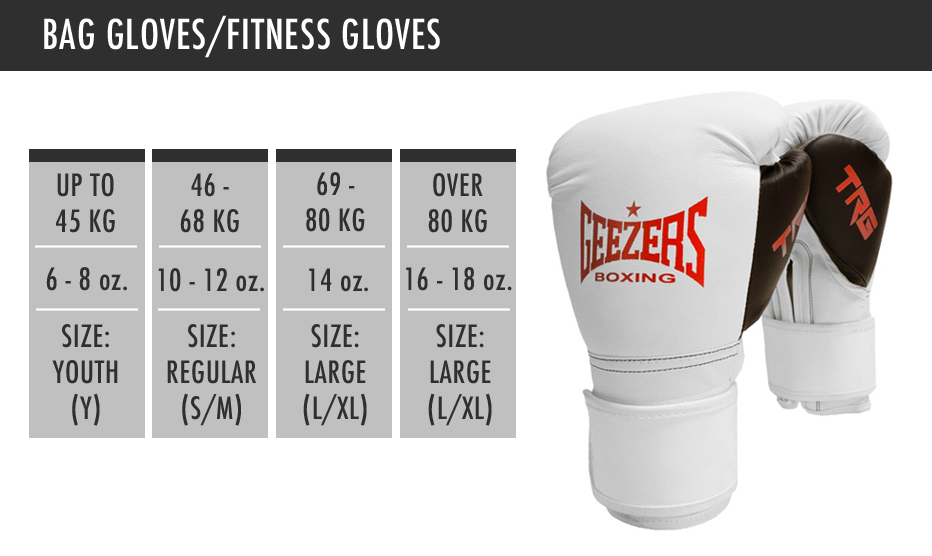
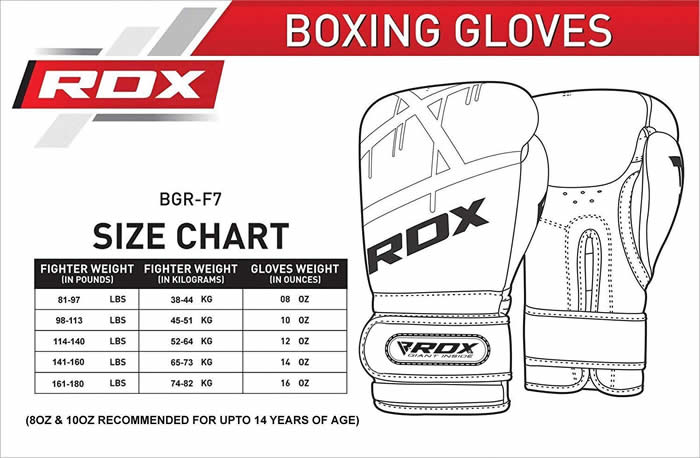
Teenagers usually fit into three main age groups for glove sizes. Ages 8 to 12 need gloves from 8 to 10 ounces. Ages 13 to 15 use gloves from 10 to 12 ounces. Ages 16 to 18 typically wear gloves from 12 to 14 ounces. These sizes offer good protection and comfort for their growing hands.
Smaller gloves suit younger teens. Older teens need bigger gloves to absorb stronger impacts. Age helps decide which glove weight works best. Gloves that fit the age group keep hands safe and support skill development.
Weight Considerations For Teens
Weight is important when choosing glove size. Heavier teens need bigger gloves to protect their hands. Lighter teens can use smaller gloves for better control. For teens under 100 pounds, 8 to 10 ounces gloves work well.
Teens between 100 and 150 pounds should pick gloves in 12 ounces. Those over 150 pounds usually need 14-ounce gloves. The right glove weight helps balance protection with ease of movement. It also reduces hand strain during training and fights.
Credit: www.geezersboxing.co.uk
Glove Sizes And Their Uses
Choosing the right boxing glove size is important for teenagers. Gloves come in different sizes for different uses. Each size serves a specific purpose in training or fighting. Understanding these sizes helps protect hands and improve performance.
Training Gloves
Training gloves are usually larger and heavier. They provide extra padding to protect hands during long sessions. Teenagers often use 12 to 16-ounce gloves for training. These gloves help build strength and endurance safely. They are good for hitting pads or mitts with a coach.
Sparring Gloves
Sparring gloves have more padding around the knuckles. This reduces injury risk for both fighters. Teens should choose gloves between 14 and 16 ounces for sparring. These gloves allow controlled contact and protect both users. Proper sparring gloves keep training safe and effective.
Bag Gloves
Bag gloves are lighter and less padded than training gloves. They allow better hand speed and control on the heavy bag. Teens often use 10 to 12-ounce gloves for bag work. These gloves protect hands from impact but keep punches fast. Bag gloves are great for improving technique and power.
Measuring Hand Size For Gloves
Choosing the right boxing gloves starts with measuring hand size. Gloves that fit well protect hands and improve performance. Teenagers need gloves that match their hand size closely. This ensures comfort and safety during training or matches.
How To Measure Hand Circumference
Use a soft tape measure for accuracy. Wrap the tape around the widest part of the hand. This is usually just below the knuckles, excluding the thumb. Keep the tape snug but not tight. Note the measurement in inches or centimeters. This number is the hand circumference.
Matching Hand Size To Glove Size
Boxing gloves come in different sizes, often marked in ounces. Match the hand circumference to the glove size chart. For teenagers, 8 to 12 ounces gloves usually fit well. Smaller hand sizes need lighter gloves. Larger hands require heavier gloves for proper fit. A good fit means the glove feels secure without squeezing the hand.
Credit: rdxsports.com
Material And Padding Differences
Choosing the right boxing gloves for a teenager means understanding the materials and padding used. These factors affect comfort, protection, and durability. Teenagers need gloves that protect their hands well during practice and matches.
Leather Vs Synthetic Gloves
Leather gloves are strong and last longer. They feel soft and fit better over time. Leather also breathes well, reducing sweat inside the gloves.
Synthetic gloves cost less and are easier to clean. They may not last as long as leather. Some synthetic gloves can feel stiff and less comfortable.
For teenagers, synthetic gloves might work for beginners. Leather gloves suit those who train often and want better quality.
Types Of Padding And Impact Protection
Boxing gloves use different padding to protect hands and reduce impact. Foam padding is common. It absorbs shock and feels soft.
Gel padding offers extra protection. It molds to the hand and spreads out force. Gel gloves often feel more comfortable.
Some gloves combine foam and gel for better safety. Good padding helps avoid injuries and makes training safer.
Adjusting Fit For Comfort And Safety
Choosing the right boxing gloves for a teenager means more than just size. Comfort and safety depend on how well the gloves fit. Proper fit reduces injuries and helps improve performance. Adjusting the fit involves paying attention to wrist support and closure types. These details keep the gloves secure and protect young hands during training or matches.
Wrist Support Options
Strong wrist support helps prevent sprains and strains. Some gloves have extra padding around the wrist area. This padding stabilizes the wrist during punches. Elastic wristbands offer flexibility but less support. Velcro straps provide adjustable tightness and better hold. Teens should pick gloves that keep their wrists firm and comfortable.
Glove Closure Types
Gloves come with different closure styles. Velcro closures are easy to put on and take off. They allow quick adjustments for a snug fit. Lace-up gloves offer the tightest fit and best support. They need help to tie properly, so an adult may be needed. Choosing the right closure type depends on comfort and convenience for the teen.
Common Mistakes To Avoid
Choosing the right boxing gloves for a teenager is important. Many make simple mistakes. These errors can cause discomfort and reduce performance. Avoid these common mistakes to get the best gloves.
Proper glove size helps protect hands and wrists. It also improves training and sparring sessions. Let’s look at two common mistakes.
Choosing Too Large Or Small Gloves
Picking gloves that are too big or small causes problems. Large gloves feel loose and do not protect well. Small gloves squeeze the hands and hurt circulation. Both sizes can cause injuries. Gloves must fit snugly but comfortably. Always try gloves on before buying.
Ignoring Weight And Purpose
Gloves come in different weights. Weight affects protection and training type. Heavy gloves are for training and build strength. Lighter gloves suit competition and speed. Using the wrong weight can tire teenagers quickly. Know the glove’s purpose before choosing. This helps avoid buying the wrong pair.
Recommended Brands And Models
Choosing the right boxing gloves is important for teenagers. The right gloves protect hands and improve training. Many brands offer gloves designed for young boxers. These gloves fit well and last long. Quality matters for safety and comfort. The following brands and models are popular choices for teens.
Top Gloves For Teenagers
Everlast is a trusted brand for young boxers. Their Pro Style Training Gloves are durable and comfortable. They come in 10 to 14 ounces, perfect for teens. Another good brand is Venum. The Contender model offers good wrist support and padding. Ringside also makes quality gloves. The Apex Flash model fits many hand sizes well. These gloves provide good protection and style.
Budget-friendly Options
Not all quality gloves cost a lot. Sanabul offers affordable gloves with good padding. The Essential Gel gloves are light and comfy. They suit beginners and young boxers. Title Boxing also has budget-friendly gloves. The Gel World Bag Gloves offer solid protection at a low price. These options balance cost and quality for teen boxers.

Credit: www.tigear.com
Frequently Asked Questions
What Size Boxing Gloves Suit Most Teenagers?
Teenagers typically use 10 to 12-ounce gloves. Size depends on their weight and hand size. Lighter teens may prefer 10 oz, while heavier teens should choose 12 oz for better protection.
How To Measure Hand Size For Boxing Gloves?
Measure around your knuckles with your hand closed. Use a tape measure to get the circumference. This helps determine the correct glove size and ensures a comfortable fit.
Are Heavier Gloves Better For Teenage Boxers?
Heavier gloves offer more padding and protection. For training and sparring, 14 to 16-ounce gloves are ideal. They reduce injury risk and improve technique for teenage boxers.
Can Teenagers Use Adult Boxing Gloves?
Yes, if the gloves fit properly. Adults’ gloves sized 10-12 ounces often fit teens. Proper fit is essential for safety and comfort during boxing.
Conclusion
Choosing the right boxing glove size helps teenagers train safely and comfortably. Gloves that fit well protect hands and reduce injuries. Teenagers should consider weight, hand size, and training type. Boxing gloves come in different weights like 8 oz, 10 oz, or 12 oz.
Always try gloves on before buying to check the fit. Proper gloves boost confidence and improve performance in the ring. Taking time to pick the best size makes a big difference. Stay safe and enjoy boxing with the right gloves.