Choosing the right size gloves for training boxing isn’t just about comfort—it can make a big difference in your performance and safety. If you’ve ever felt your gloves were too tight or too loose, you know how distracting that can be during a workout.
But how do you find the perfect fit that protects your hands and boosts your confidence in the ring? You’ll discover clear, simple tips to pick gloves that match your training style and hand size. Keep reading to make sure your next boxing session is safer, more effective, and way more enjoyable.
Credit: www.dickssportinggoods.com
Choosing Glove Size
Choosing the right glove size is key for effective boxing training. The correct size protects your hands and improves your performance. Gloves that fit well offer better comfort and support. Too small gloves can hurt your hands. Too large gloves can reduce control.
Factors Influencing Size
Several factors affect the size of boxing gloves you need. Your hand size plays a big role. The type of training matters too. Sparring gloves are usually bigger to protect both fighters. Training or bag gloves are smaller for speed and power. Padding thickness also changes the feel and protection.
Hand Measurements
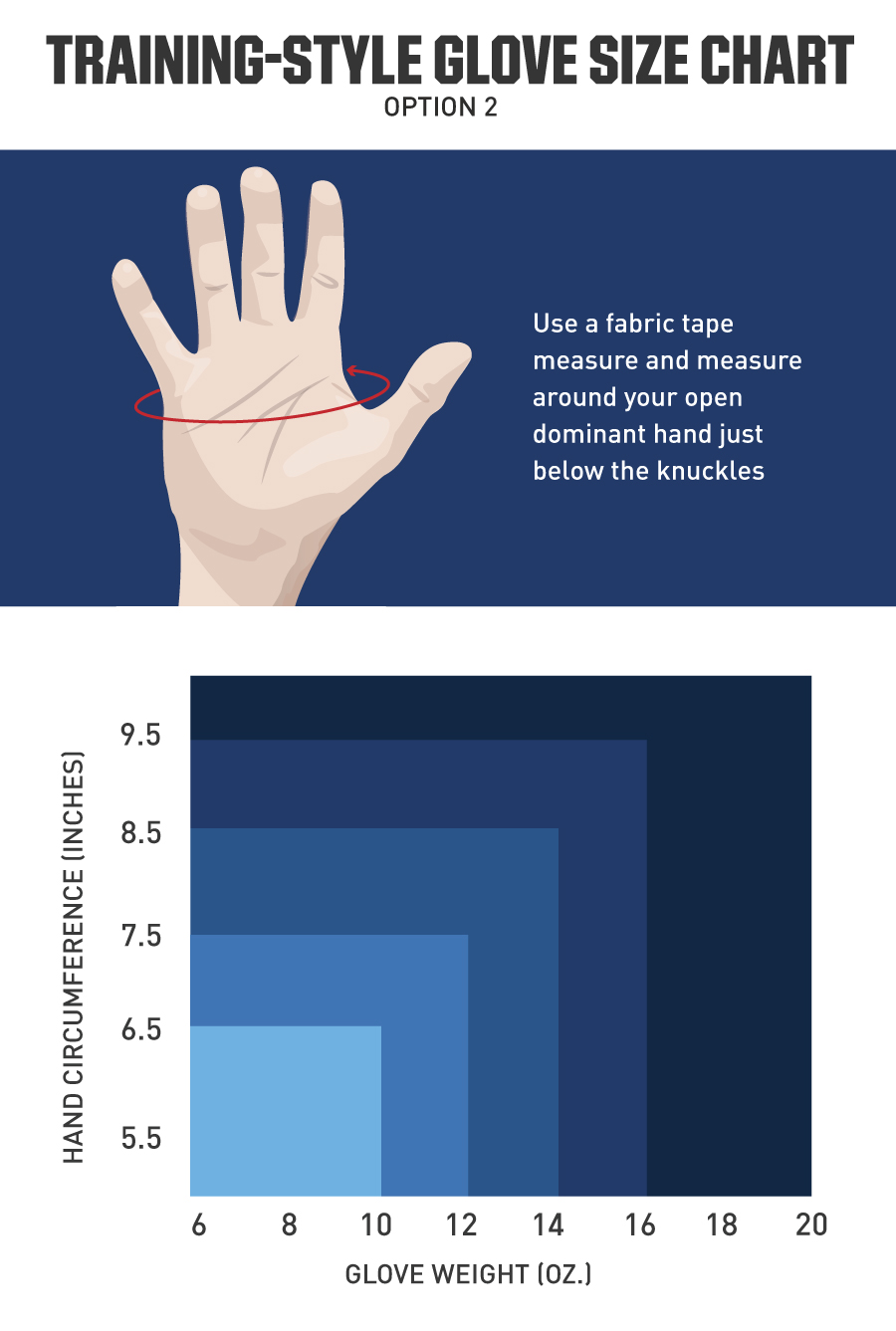
Measure your hand around the knuckles with a soft tape. Use the dominant hand for accuracy. Compare the measurement with glove size charts. Most gloves come in sizes like 8 oz, 10 oz, or 12 oz. Larger hands need bigger gloves to fit properly. Proper fit avoids slipping and injury.
Weight Classes And Size
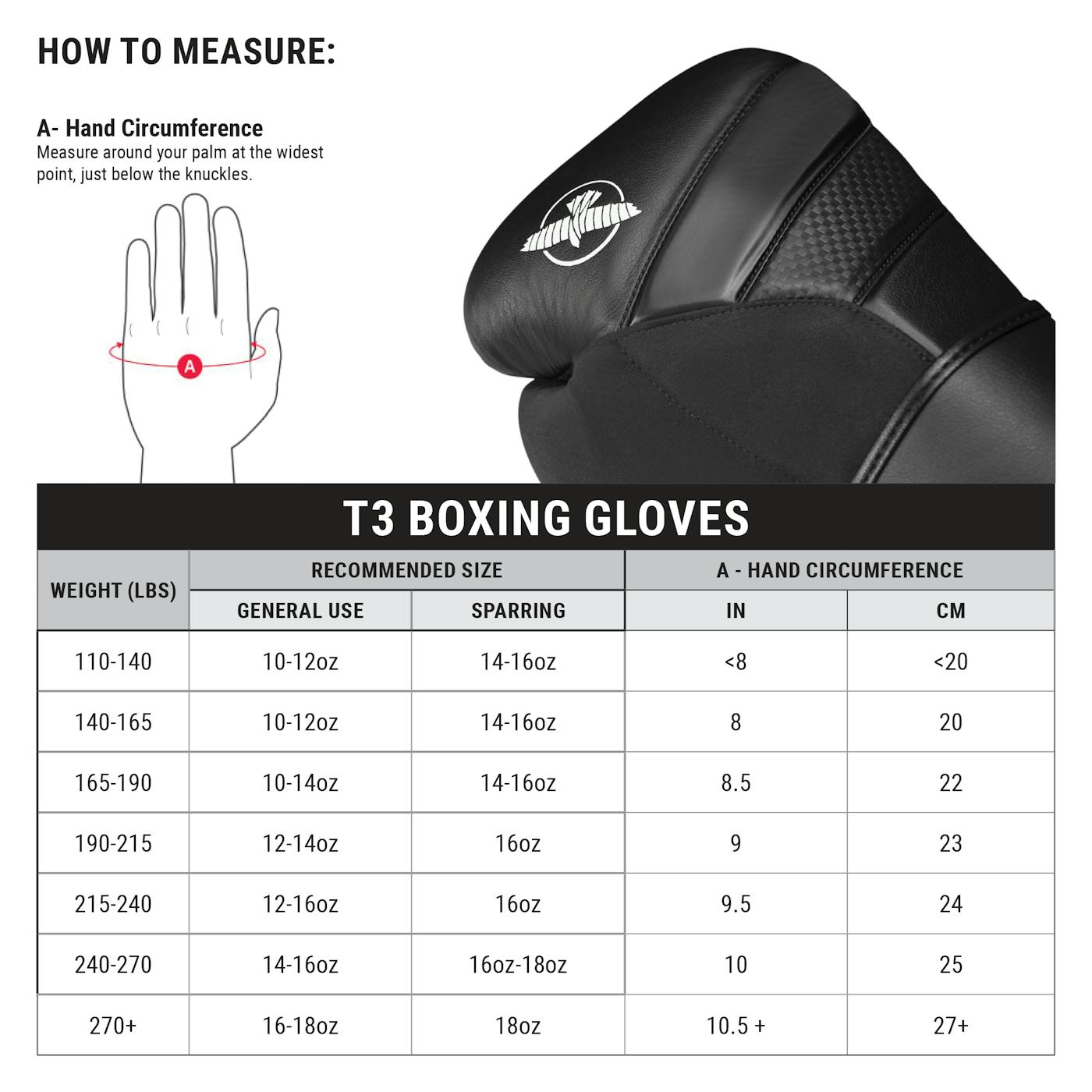
Your body weight often guides glove size choice. Lighter boxers usually use 8 oz or 10 oz gloves. Heavier boxers often choose 12 oz or more. Higher weight classes need more padding for safety. Trainers recommend sizes based on weight for better protection. Always match glove size with your weight class for best results.

Credit: www.smai.com.au
Types Of Boxing Gloves
Boxing gloves come in different types to serve specific training needs. Choosing the right type helps protect your hands and improves your training experience. Understanding these types makes picking the right gloves easier.
Training Gloves
Training gloves are versatile and used for many exercises. They offer good padding to protect your hands during heavy workouts. These gloves help prevent injuries while punching bags or pads.
They balance comfort and protection. Trainers often recommend these gloves for beginners and regular workouts.
Sparring Gloves
Sparring gloves focus on safety during practice fights. They have extra padding to protect both fighters. The padding reduces the chance of cuts and bruises.
These gloves are usually heavier than training gloves. Their design helps reduce impact without losing control.
Bag Gloves
Bag gloves are made for punching heavy bags and speed bags. They offer less padding than sparring gloves but more than competition gloves. This design helps you feel the bag better.
These gloves protect your hands from the hard surface of the bag. They are lighter and allow faster punches.
Sizing Chart For Boxing Gloves
Choosing the right size boxing gloves is key for safe and effective training. Gloves that fit well protect your hands and wrists during punches. They also help improve your technique and comfort in the ring. Understanding glove sizes can be tricky, so a sizing chart makes it easier to pick the right pair.
Common Size Standards
Boxing gloves are usually sized in ounces (oz). The number shows the glove’s weight and padding. Common sizes range from 8 oz to 20 oz. Smaller gloves, like 8 oz or 10 oz, suit competition and fast punches. Larger gloves, such as 14 oz or 16 oz, offer more padding for training and sparring.
Glove sizes also depend on your hand weight and training type. Lighter gloves feel faster but have less padding. Heavier gloves provide more protection but feel bulkier. Knowing these standards helps choose gloves for your needs.
Converting Sizes
Glove sizes can vary between brands and regions. Some brands use small, medium, and large labels instead of ounces. In these cases, check the glove’s weight in ounces too. Use a sizing chart to convert between these labels and ounces.
Measure your hand circumference at the knuckles for a better fit. Match this measurement with the chart for correct glove size. This method reduces guesswork and avoids buying gloves that are too tight or loose.
Glove Fit And Comfort
Choosing the right glove size is key for good fit and comfort in boxing training. Gloves that fit well protect your hands and allow smooth movement. A proper fit helps avoid injuries and keeps your focus on training. Comfort matters as much as protection. Gloves that feel good encourage longer and better workouts. Understanding glove fit helps you pick the best size for your training needs.
Padding And Protection
Padded gloves shield your knuckles and fingers during punches. The right padding absorbs impact and reduces hand pain. Too little padding can cause injuries. Too much padding can feel bulky and slow your punches. Find a balance that fits your hand size and training type. Good padding improves safety and comfort in every session.
Wrist Support
Strong wrist support keeps your wrist stable when punching. Gloves with secure straps or wraps help avoid sprains. Wrist support also adds to glove fit by holding the glove tight. Loose gloves can shift and cause discomfort. Proper wrist support protects your joints and keeps your glove in place.
Material And Breathability
Glove material affects comfort and durability. Leather gloves last longer and mold to your hand shape. Synthetic gloves are lighter and easier to clean. Breathable fabrics reduce sweat and odor inside the glove. Ventilation keeps your hands cool and dry. Choosing gloves with good breathability improves comfort during long training.
Testing Glove Fit
Testing the fit of boxing gloves is crucial before training. Proper fit protects your hands and improves your performance. Gloves that are too tight or loose cause discomfort and reduce control. This section explains how to test glove fit effectively.
Trying Gloves On
Put on the gloves and close your fist gently. Move your fingers inside to check space and comfort. Gloves should feel snug but not tight. Wear both gloves to compare the fit on each hand. Try punching motions to see if gloves move well with your hands.
Signs Of Proper Fit
Gloves fit well if your fingers reach the padding without strain. No pain or numbness should occur. The wrist strap must secure the glove firmly without cutting off blood flow. You should feel support around your knuckles and wrists. Gloves should stay in place during quick movements.
Adjusting For Hand Wraps
Wear hand wraps before testing glove size. Wraps add extra thickness to your hands. Gloves may feel tighter with wraps inside. Choose a slightly larger size if wraps make gloves too tight. Ensure the gloves still provide good support with wraps on.
Tips For Buying Boxing Gloves
Choosing the right boxing gloves is important for training. The right gloves protect your hands and improve your performance. Many factors influence your choice. Knowing what to consider helps you buy the best gloves for your needs.
Budget Considerations
Set a budget before shopping. Gloves vary in price from cheap to expensive. More expensive gloves often last longer and feel better. But affordable gloves can work well for beginners. Think about how often you train. If you train daily, spend more for quality. Less frequent training may need a lower price point.
Brand Recommendations
Pick gloves from well-known brands. Brands with a good reputation offer better quality and protection. Some popular brands include Everlast, Title, and Ringside. These brands make gloves for all skill levels. Check reviews to find gloves that fit your hand size and style. Reliable brands help you avoid injury and improve your training.
Maintenance And Care
Keep your gloves clean to last longer. Wipe them with a damp cloth after each use. Avoid leaving gloves in a closed bag or hot place. Let them air dry to prevent bad smells and bacteria. Use glove deodorizers or baking soda for freshness. Proper care saves money and keeps gloves safe for your hands.
Credit: www.tondicaffe.com
Frequently Asked Questions
What Glove Size Is Best For Boxing Training?
For training, 14-16 oz gloves are ideal. They offer protection and improve technique. Choose based on your weight and hand size.
How To Measure Hand Size For Boxing Gloves?
Measure around your knuckles with a tape. Use the largest circumference as your hand size. This helps in selecting the correct glove size.
Can Glove Size Affect Boxing Performance?
Yes, proper glove size ensures safety and comfort. It improves your punching power and reduces injury risks during training.
Are Heavier Gloves Better For Training Boxing?
Heavier gloves provide more padding and resistance. They build strength and endurance but may slow hand speed. Choose based on your training goals.
Conclusion
Choosing the right glove size matters for training boxing. Gloves protect your hands and improve your performance. Smaller gloves offer speed but less padding. Larger gloves give more protection but feel heavier. Think about your weight, training type, and comfort.
Try different sizes before buying. Proper gloves help avoid injuries and boost confidence. Remember, comfort and fit come first. Train smart and stay safe with the right gloves. Your hands will thank you.