Choosing the right size gloves for boxing isn’t just about comfort—it can make a huge difference in your performance and safety. If your gloves are too small, your hands might hurt or get injured.
Too big, and you could lose control and power. So, how do you find the perfect fit for your gloves? This guide will help you understand exactly what size gloves you need, based on your weight, training style, and goals.
Keep reading, and you’ll be ready to step into the ring with confidence and the best gear for your hands.
Choosing The Right Glove Size
Choosing the right glove size is key for boxing comfort and safety. Gloves that fit well protect your hands and improve performance. Picking the correct size depends on several factors, like your hand size and the type of boxing you do.
Understanding glove sizes and how to measure your hand helps you find the perfect fit.
Glove Sizes Explained
Boxing gloves come in sizes measured in ounces, such as 8 oz, 10 oz, and 12 oz. The ounce number shows the glove’s weight, not the hand size. Heavier gloves offer more padding and protection. Lighter gloves allow faster punches but less cushioning.
Amateur boxers usually use 10 oz or 12 oz gloves. Beginners and those training might choose 14 oz or 16 oz for better hand protection during practice.
Factors Influencing Size Choice
Your body weight affects the glove size you need. Heavier boxers need bigger, heavier gloves. The training type matters too. Sparring needs thicker gloves to protect you and your partner.
For bag work, smaller gloves can be used for speed. Hand size and personal comfort also influence your choice. Gloves that feel too tight or too loose reduce your control and comfort.
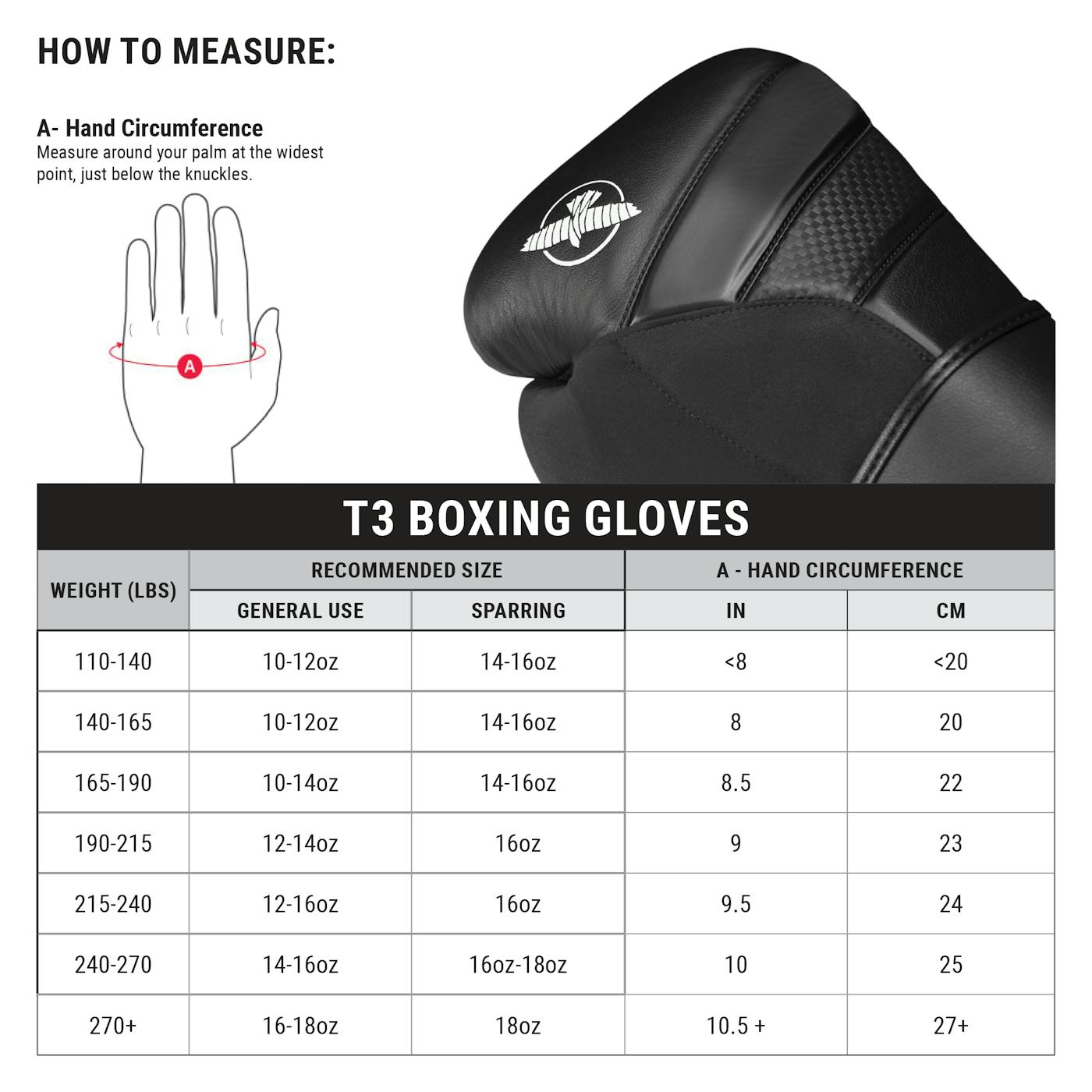
Measuring Your Hand For Gloves
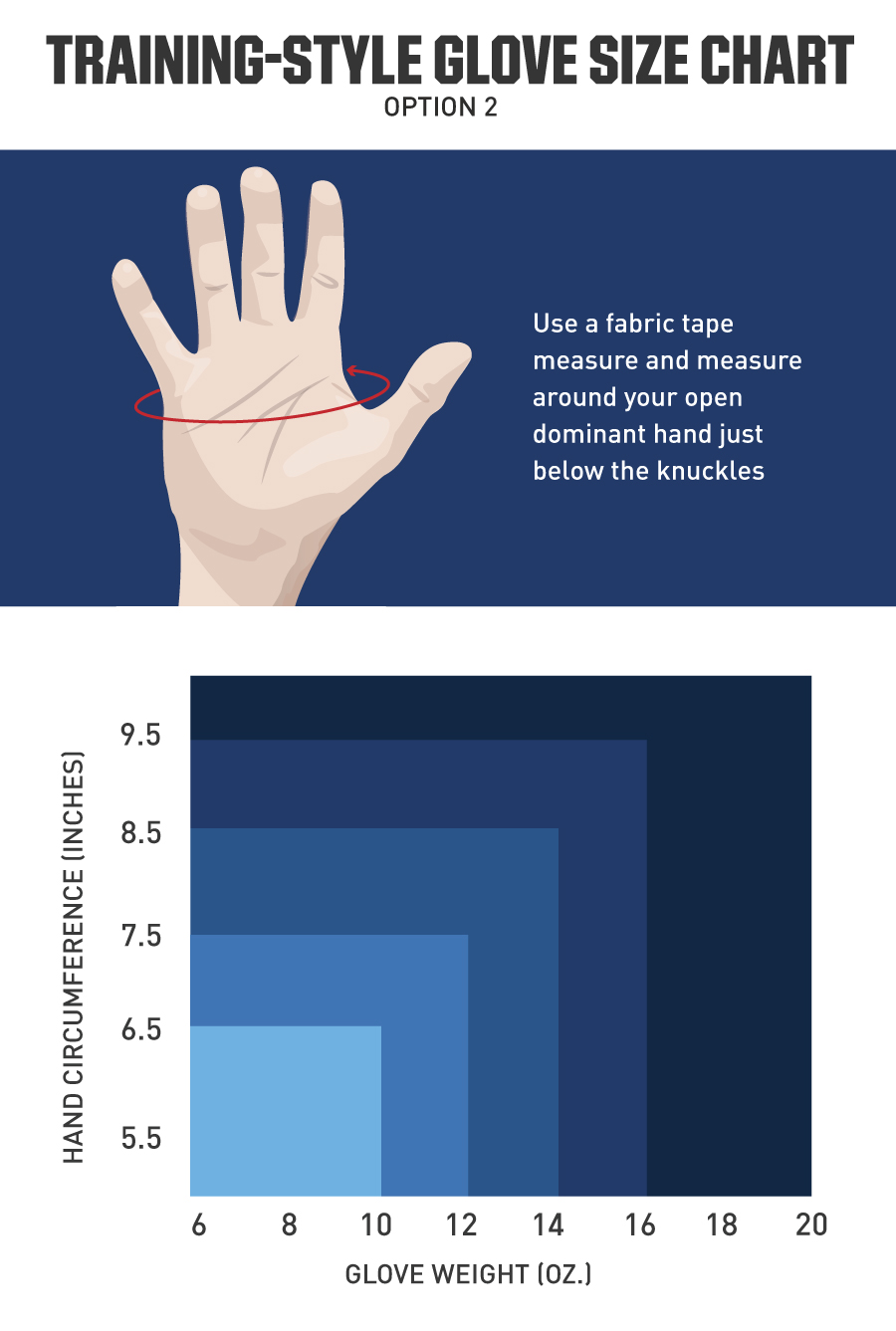
Use a tape measure around your hand’s widest part, just below the knuckles. Keep your hand open and fingers together while measuring. The measurement in inches helps guide your glove size choice.
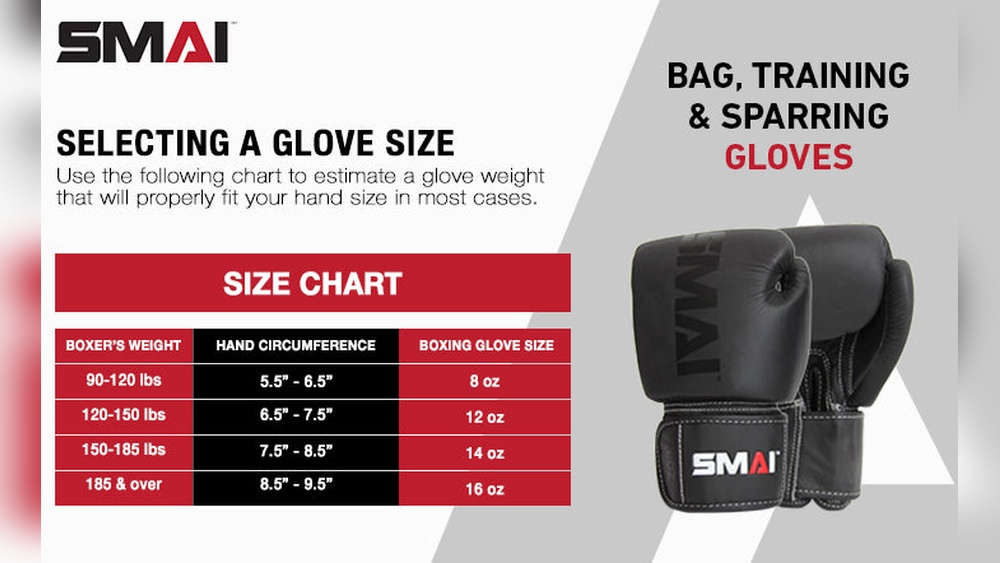
Check size charts from glove brands to find the right match. Each brand may have slightly different sizing, so always measure before buying.

Credit: www.smai.com
Glove Size Chart
A glove size chart helps you find the right boxing gloves. Choosing the correct size protects your hands and improves comfort. Gloves that fit well support better performance in training and fights.
Weight-based Sizing
Boxing gloves are often sized by weight in ounces. Common sizes range from 8 oz to 16 oz. Lighter gloves, like 8 oz, suit competition and smaller hands. Heavier gloves, such as 14 oz or 16 oz, are good for training and bigger hands. Your body weight guides the best glove size for you.
- Under 120 lbs: 8-10 oz gloves
- 120-150 lbs: 12 oz gloves
- 150-180 lbs: 14 oz gloves
- Over 180 lbs: 16 oz gloves
Hand Circumference Guidelines
Measuring your hand circumference gives another way to pick glove size. Wrap a tape measure around your knuckles, excluding the thumb. Match your measurement to glove sizes for a snug fit.
- 6-7 inches: Small gloves (8-10 oz)
- 7-8 inches: Medium gloves (12 oz)
- 8-9 inches: Large gloves (14 oz)
- 9+ inches: Extra large gloves (16 oz)
This method ensures gloves fit your hand shape, not only your weight. Use both weight and hand size for best results.
Types Of Boxing Gloves
Boxing gloves come in different types for different uses. Each type offers specific protection and comfort. Choosing the right type helps improve your training and safety.
Training Gloves
Training gloves are for daily workouts and bag work. They provide good wrist support and padding. These gloves protect your hands during heavy punching sessions. They usually come in 12 to 16 ounces, depending on your weight and needs.
Sparring Gloves
Sparring gloves are softer and more padded than training gloves. They protect both you and your partner during practice fights. These gloves reduce the impact of punches to avoid injuries. Sparring gloves often weigh 14 to 18 ounces for extra cushioning.
Competition Gloves
Competition gloves are lighter and designed for matches. They allow faster punches and better hand speed. These gloves have less padding to meet official rules. Common weights for competition gloves are 8 to 10 ounces, depending on the event.
Credit: www.tondicaffe.com
How Gloves Affect Performance
Choosing the right glove size affects how well you perform in boxing. Gloves are not just for looks. They protect your hands and shape your punches. The right size changes your comfort and power. It affects your speed too. This section explains how gloves affect your performance.
Protection And Comfort
Gloves protect your hands from injury. Bigger gloves have more padding. They absorb impact better. This lowers the risk of hurting your knuckles or wrists. Smaller gloves feel lighter and allow more movement. But less padding means less protection. Comfort also matters. Gloves that fit well feel better during training or fights. Too tight gloves can hurt your hands. Too loose gloves may slip. Good fit means better control and less distraction.
Speed And Power Impact
Glove size changes punch speed. Smaller gloves are lighter. They let you punch faster. Faster punches can confuse opponents. Bigger gloves slow down your punches. They add weight and resistance. This can make your punches stronger but slower. Heavy gloves also help build arm strength over time. Using the right glove size balances speed and power. It helps you punch effectively without losing control.
Tips For Trying On Gloves
Trying on boxing gloves is key to finding the right size. Gloves must fit well to protect your hands and give comfort. Testing gloves in person helps avoid problems during training or matches. This section shares simple tips for trying on gloves to get the best fit.
What To Look For
Check how the glove feels on your hand. It should be snug but not tight. Your fingers need room to move slightly. The glove should cover your wrist firmly for support. Feel the padding and make sure it cushions well. Try closing your fist inside the glove. It should feel natural and not squeeze your knuckles. Look for gloves with adjustable straps for a secure fit. Pay attention to any pressure points or tight spots.
Common Fit Issues
Gloves too small cause pain and restrict movement. Your fingers may feel cramped or numb. Too large gloves slide around and reduce control. Loose gloves can increase injury risk during punches. Some gloves might feel tight at the wrist but loose at the fingers. Watch out for gaps inside the glove where your hand shifts. Avoid gloves that feel stiff or uncomfortable after a few minutes. These issues show the glove is not right for your hand size.
Adjusting For Personal Needs
Choosing the right glove size in boxing depends on more than just hand measurements. Personal needs play a big role in comfort and performance. Adjusting glove size based on your own factors helps protect your hands and improve training.
Hand Wraps And Gloves
Hand wraps add extra padding and support to your hands. They change the fit of your gloves. Gloves should be slightly larger if you use thick wraps. This prevents tightness and discomfort during punches. Try on gloves with your wraps before buying. This ensures the right size and fit.
Preference And Experience Level
Beginners often prefer gloves with extra padding for safety. Larger gloves reduce the risk of injury. Experienced boxers may choose smaller gloves for speed and precision. Your training type also matters. Sparring needs bigger gloves than bag work. Adjust glove size to match your comfort and training goals.
Maintaining Your Boxing Gloves
Maintaining your boxing gloves keeps them fresh and lasts longer. Proper care stops bad smells and damage. It also keeps the gloves safe and ready for training or fights.
Cleaning Tips
Wipe your gloves after every use with a clean, dry cloth. Use a mild soap and water mix to clean the outside. Avoid soaking the gloves in water. Let them air dry naturally, away from direct heat or sun. Use glove deodorizers or stuff them with newspaper to absorb moisture inside. Clean your gloves regularly to stop bacteria and bad odors.
Storage Advice
Store gloves in a cool, dry place. Avoid leaving them in your gym bag for long times. Keep them away from damp or humid areas. Use a breathable bag, not a plastic one, for storage. Make sure gloves are fully dry before storing to prevent mold. Proper storage keeps gloves in good shape and ready to use.
Credit: www.dickssportinggoods.com
Frequently Asked Questions
What Glove Size Is Best For Beginners In Boxing?
Beginners should start with 12 to 14 oz gloves. These provide good protection and comfort. They help develop proper technique safely.
How Do I Measure My Hand For Boxing Gloves?
Measure around your knuckles with a tape measure. Choose glove size based on hand circumference. This ensures a snug, secure fit.
What Glove Size Is Ideal For Sparring Sessions?
For sparring, 14 to 16 oz gloves are recommended. They offer extra padding to protect you and your partner during practice.
Can Glove Size Affect My Punching Power?
Yes, smaller gloves allow faster punches but less padding. Larger gloves reduce impact force but increase hand protection.
Conclusion
Choosing the right boxing glove size protects your hands and improves performance. Gloves that fit well feel comfortable and offer better control. Consider your weight, training type, and hand size when selecting gloves. Remember, small gloves can cause injuries, while too big ones reduce your grip.
Try different sizes before buying to find the perfect fit. Good gloves help you train longer and box safer. Take your time and pick gloves that suit you best. Your hands will thank you every time you step into the ring.