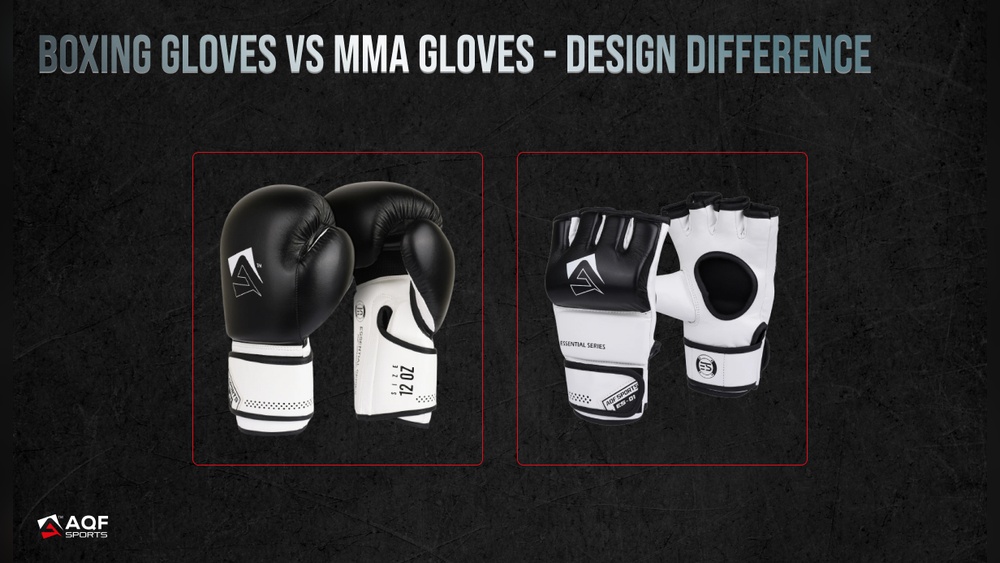
Have you ever wondered which Oz boxing gloves hurt the most when you throw a punch? If you want to protect your hands but still pack a powerful punch, choosing the right gloves is key.
The wrong gloves can either leave you feeling weak or cause unexpected pain during training. You’ll discover which Oz boxing gloves deliver the most impact—and why that matters for your performance and safety. Keep reading to find out how to make your punches count without risking injury.
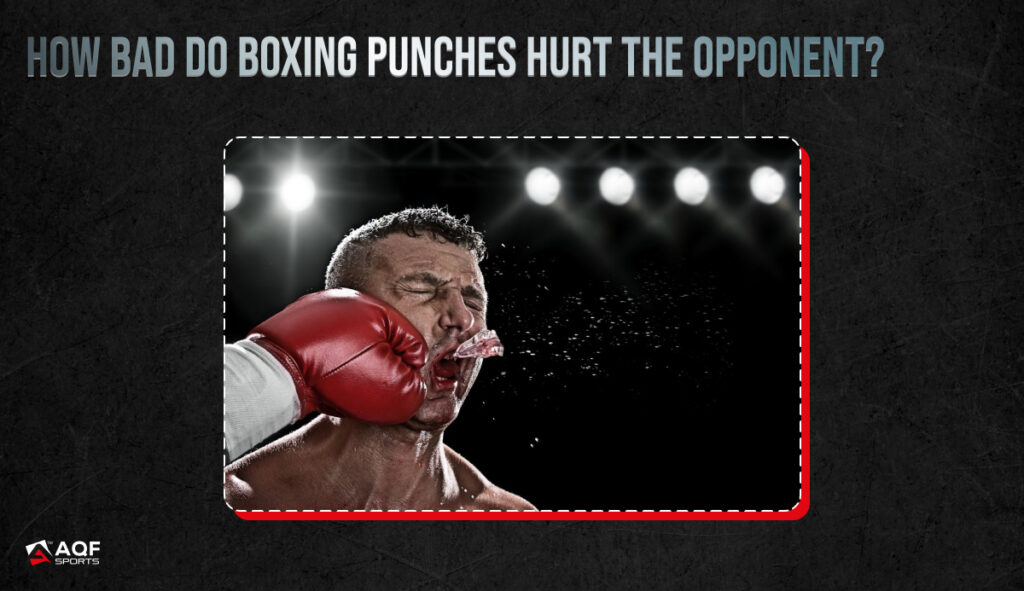
Credit: uk.aqfsports.com
Factors Influencing Pain From Boxing Gloves
Pain from boxing gloves depends on many factors. Gloves protect hands and reduce injury. But some gloves can still cause pain. Knowing what affects pain helps choose the right gloves. Factors like weight, padding, material, and fit play a big role. Each factor changes how gloves feel during use.
Glove Weight And Padding
Heavier gloves usually have more padding. More padding means better shock absorption. This lowers the impact on your hands. Lighter gloves have less padding and cause more pain. Padding type also matters. Softer padding cushions better and reduces pain. Hard padding feels stiff and can hurt more.
Material And Construction
Leather gloves are more durable and mold to your hands. Synthetic gloves can be cheaper but less comfortable. Stitching and design affect glove flexibility. Tight, stiff gloves can cause hand pain. Well-made gloves offer better comfort and less injury risk.
Fit And Wrist Support
Gloves that fit too tight or too loose cause pain. Tight gloves restrict blood flow and cause numbness. Loose gloves move around and increase injury chances. Good wrist support stabilizes your wrist during punches. This lowers the risk of wrist pain and injury.

Credit: www.tigear.com
Common Oz Sizes And Their Impact
Boxing gloves come in different sizes measured in ounces (oz). These sizes affect protection, weight, and how much they hurt on impact. Understanding common glove sizes helps choose the right pair for training or fighting. Smaller gloves tend to hurt more because they have less padding. Larger gloves offer more protection but feel heavier.
8 Oz Gloves
8 oz gloves are light and used mostly in competition. They have less padding, so punches feel harder. These gloves allow faster hand speed. They can cause more pain because of the smaller cushion. Best for fighters who want power with less bulk.
10 Oz Gloves
10 oz gloves are common in amateur fights and some pro matches. They offer moderate padding and weight. These gloves balance protection and speed. They hurt less than 8 oz gloves but still pack a punch. Good for boxers who want some defense and speed.
12 Oz Gloves
12 oz gloves are popular for training and sparring. More padding means less force on impact. These gloves protect both the wearer and their partner. They feel heavier but reduce pain from punches. Ideal for daily practice and safety.
14 Oz Gloves
14 oz gloves have extra padding for serious training. They absorb more shock and protect hands well. These gloves slow down punches slightly. They cause less pain to sparring partners. Suitable for boxers focusing on technique and endurance.
16 Oz Gloves
16 oz gloves are the heaviest common size for training. They provide maximum protection and padding. These gloves help prevent injuries during hard sparring. Punches feel softer and cause less damage. Perfect for long training sessions and safety.
Pain Levels By Glove Type
Pain levels from boxing gloves vary by type. Each glove serves a different purpose. This affects how much impact you feel. Understanding pain by glove type helps you choose better. It also prepares you for what to expect during use.
Competition Gloves
Competition gloves are lighter and thinner. They offer less padding than other gloves. This means punches feel harder and sharper. Fighters often feel more pain using these gloves. They focus on speed and precision over protection.
Training Gloves
Training gloves balance protection and comfort. They have more padding than competition gloves. This reduces pain during long practice sessions. Users feel less impact when punching. These gloves protect both the wearer and their partner.
Sparring Gloves
Sparring gloves have thick padding to lessen pain. They are softer and cushion blows well. This helps avoid injuries during practice fights. Sparring gloves reduce pain for both fighters. They prioritize safety over power.
Bag Gloves
Bag gloves focus on protecting the hands during heavy bag work. They have moderate padding to absorb impact. Pain levels are higher than sparring gloves but lower than competition gloves. These gloves protect your knuckles but still allow strong punches.
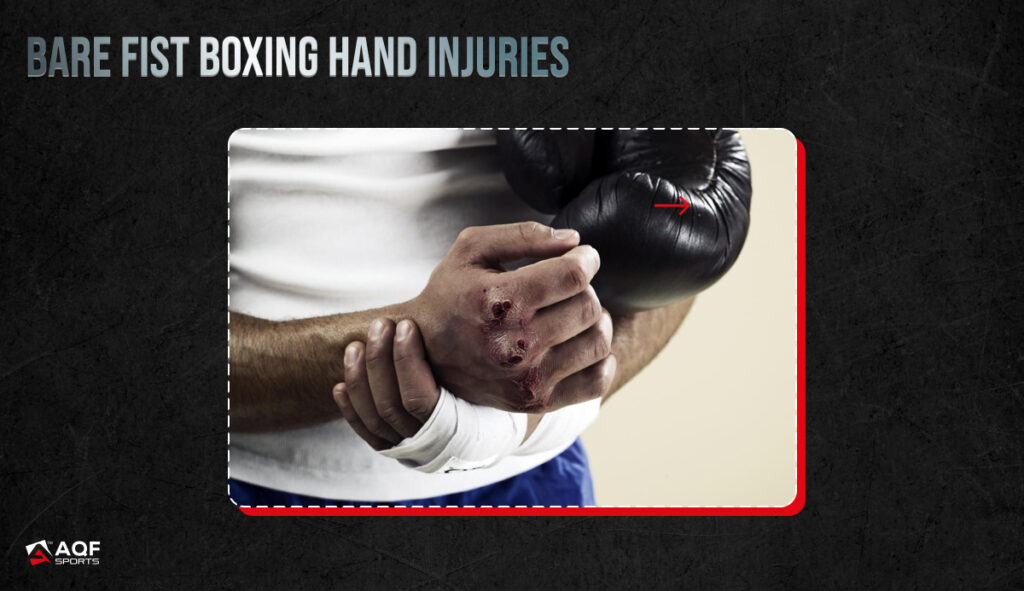
Credit: uk.aqfsports.com
How Glove Design Affects Impact
The design of boxing gloves plays a big role in how much they hurt on impact. Different parts of the glove absorb or transfer force in various ways. This affects both the puncher’s hand and the person being hit. Understanding glove design helps explain why some gloves feel harder or softer during a fight.
Padding Distribution
Padding spreads the force of a punch across a wider area. Gloves with thick padding reduce the sharpness of hits. Some gloves have uneven padding, focusing more on the knuckles or the back of the hand. This changes how the impact feels. Less padding means harder hits and more pain for the opponent.
Knuckle Protection
Knuckle protection guards the bones in your hand. Gloves with extra knuckle padding lower the risk of injury. They also soften the blow for the person hit. Gloves lacking knuckle padding deliver sharper, more painful punches. Better knuckle protection means safer punches but less pain on impact.
Wrist Stability
Strong wrist support keeps the hand steady during punches. Stable wrists help control the glove’s movement. This control can make punches more accurate and powerful. Gloves with poor wrist support may cause weak punches. Less stable gloves can also lead to more painful hits because of poor form.
User Experiences And Pain Reports
User experiences and pain reports reveal which Oz boxing gloves cause the most discomfort. Gloves differ in padding, weight, and fit. These factors affect how much impact reaches your hands and your opponent. Feedback from various users offers real insights. It helps find gloves that balance protection and power.
Professional Fighters’ Insights
Pro fighters often prefer gloves that feel heavy on impact. They say gloves with thinner padding hurt more. Some brands with firmer foam cause sharper pain on punches. Professionals note that well-worn gloves can feel harder. This increases the sting during fights. They also mention hand wraps affect pain levels inside gloves. Fighters choose gloves based on how much shock they absorb.
Amateur Boxers’ Feedback
Amateurs report more pain with gloves that lack proper padding. New boxers feel the impact more because their hands are less conditioned. Many say cheap gloves cause bruises and soreness. Amateur gloves with extra cushioning reduce pain significantly. Some beginners prefer heavier gloves to slow their punches. This helps protect their joints and knuckles. Comfort and fit are key to less pain for amateurs.
Sparring Partners’ Perspectives
Sparring partners notice pain depends on glove type and size. Smaller gloves with less padding hurt more on blocks and counters. Partners say soft gloves feel safer and reduce injury risk. They recommend gloves that spread impact over a larger area. Pain during sparring also depends on punch speed and force. Partners suggest using gloves designed for training to avoid pain. Good gloves help partners train harder with less pain.
Tips To Manage And Reduce Pain
Pain from boxing gloves can stop your training. Managing this pain helps you stay active and enjoy boxing. Simple steps can reduce hand pain and protect your joints. Use these tips to keep your hands safe.
Proper Hand Wrapping Techniques
Wrap your hands before wearing gloves. Use cloth wraps to support bones and muscles. Wrap tightly but not too tight to stop blood flow. Cover knuckles well to prevent bruises. Practice wrapping to get better each time. Good wraps reduce impact and lessen pain.
Choosing The Right Glove Size
Pick gloves that fit your hand shape and size. Gloves too small cause pressure and pain. Gloves too big reduce control and increase injury risk. Check glove weight for your training type. Proper size helps absorb shock and eases pain during punches.
Training Adjustments
Slow down your pace to avoid hurting hands. Use lighter gloves for long sessions. Rest between rounds to let hands recover. Change punching bags to softer ones if needed. Listen to your body to prevent serious injury. Smart training reduces stress on your hands.
Frequently Asked Questions
Which Oz Boxing Gloves Deliver The Hardest Impact?
Smaller oz gloves, like 8 oz or 10 oz, deliver harder impacts. They have less padding, increasing punch force and impact sensation during sparring or competition.
How Does Glove Weight Affect Punching Power?
Heavier gloves have more padding, reducing punching power and impact. Lighter gloves transfer more force to the opponent, causing more pain and damage.
Are 12 Oz Gloves Painful For Sparring?
12 oz gloves balance protection and impact. They cause moderate pain, suitable for sparring while minimizing hand injuries and opponent discomfort.
Which Gloves Are Best For Maximum Punch Impact?
8 oz gloves are best for maximum punch impact. They offer minimal padding, increasing the intensity of every punch.
Conclusion
Choosing the right Oz boxing gloves depends on your needs and style. Gloves with less padding usually cause more impact. Heavier gloves protect more but feel softer on hits. Consider how often and hard you train. Personal comfort matters a lot too.
Test different gloves if you can. Your goal is to balance protection and power. Remember, hurting your opponent is not the only aim. Stay safe and enjoy boxing with the right gloves.