Are you wondering if the dumbbell pullover really works your chest? You’re not alone.
Many people hit the gym and add this move to their routine without knowing if it actually targets the chest muscles or something else. Understanding how this exercise affects your body can help you get the results you want faster.
Keep reading to discover the truth about dumbbell pullovers and how they can fit into your chest workout for maximum impact.

Credit: steelsupplements.com
Dumbbell Pullover Basics
The dumbbell pullover is a classic exercise with many benefits. It can help build strength in your upper body. This move uses a single dumbbell and targets several muscles. It is simple but requires attention to form. Doing it right protects your shoulders and back.
Many wonder if the dumbbell pullover works the chest. The answer lies in understanding how to do it properly. Let’s explore the basic steps and muscles involved.
Proper Form And Technique
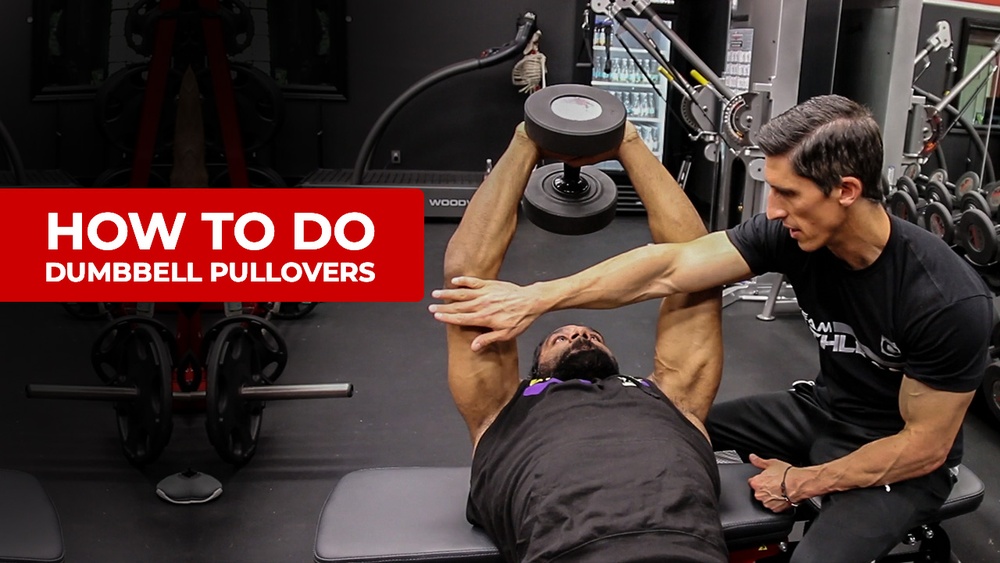
Lie flat on a bench with your feet on the floor. Hold a dumbbell with both hands above your chest. Keep your arms slightly bent, not locked. Slowly lower the dumbbell behind your head. Stop when you feel a stretch in your chest and lats. Bring the dumbbell back to the start position. Move smoothly and avoid jerking the weight. Keep your core tight to protect your spine.
Muscles Targeted
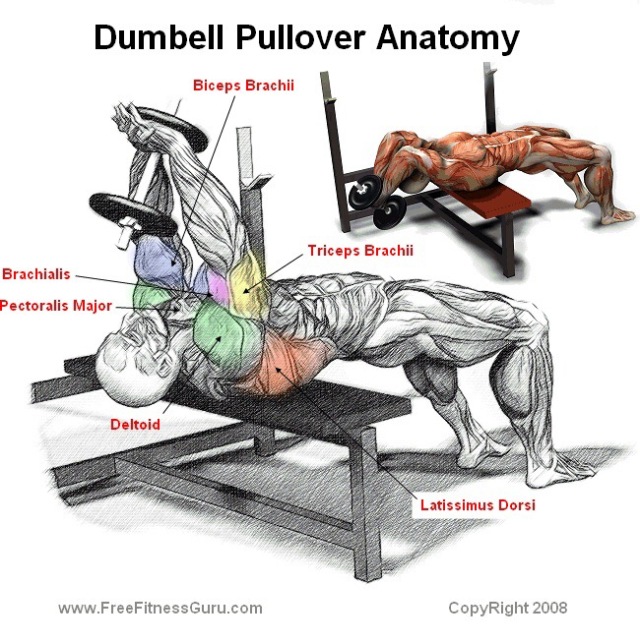
The dumbbell pullover mainly works the chest and back. It targets the pectoralis major, the large chest muscle. It also activates the latissimus dorsi, the big muscle on your back. The triceps and shoulders help stabilize the movement. This exercise improves muscle strength and flexibility. It can increase the size of your chest over time. The pullover works as a mix between chest and back workouts.

Credit: www.youtube.com
Chest Activation With Dumbbell Pullovers
Dumbbell pullovers target multiple muscles, including the chest. They create a stretch and contraction that can activate the pectoral muscles. This exercise blends chest and back work, making chest activation unique compared to classic moves.
Role Of Pectoral Muscles
The pectoral muscles help move the arms and shoulders. During dumbbell pullovers, these muscles stretch as you lower the weight behind your head. Then, they contract to bring the dumbbell back over your chest. This motion recruits the pectorals, especially the upper chest area.
The stretch also helps improve muscle flexibility and strength. Constant tension on the chest muscles boosts muscle activation. The pectorals work together with the lats and triceps to complete the movement.
Comparing Chest Engagement To Other Exercises
Dumbbell pullovers activate the chest differently from exercises like bench presses. Bench presses focus on pressing strength with high chest activation. Pullovers stretch the chest first, then contract it during the lift.
Compared to push-ups, pullovers involve more range of motion for the chest. The pull-back motion targets the upper chest more effectively. Pullovers engage the chest along with the back, unlike isolated chest moves.
This makes dumbbell pullovers a good supplement to standard chest workouts. They add variety and can enhance overall chest muscle development.
Benefits For Muscle Growth
The dumbbell pullover is a classic exercise that targets several muscle groups. It plays a key role in muscle growth, especially for the chest. Its unique movement pattern helps stretch and contract chest muscles deeply. This adds variety to your workout and promotes muscle development.
Using dumbbell pullovers can enhance your chest muscles’ size and strength. The exercise also engages supporting muscles, aiding overall upper body growth. It balances the workout routine by targeting muscles not always worked by standard chest exercises.
Stimulating Chest Hypertrophy
Dumbbell pullovers stretch the chest muscles through a wide range of motion. This stretch causes muscle fibers to work harder, encouraging growth. The exercise activates the pectoralis major, the main chest muscle, effectively.
When muscles stretch under tension, they respond by growing larger and stronger. Dumbbell pullovers provide this tension while also improving muscle flexibility. The controlled movement helps focus on muscle activation, boosting hypertrophy.
Supporting Muscle Balance
This exercise works not only the chest but also the shoulders and back. It helps prevent muscle imbalances by strengthening the muscles around the chest. Balanced muscles reduce the risk of injury and improve posture.
Using dumbbell pullovers can complement pressing exercises like bench presses. It targets muscles from different angles, promoting even muscle development. This balance supports better overall upper body performance.
Common Mistakes To Avoid
Making mistakes during dumbbell pullovers can reduce their effectiveness. They can also cause injuries. Avoiding common errors ensures better chest development and safer workouts.
Incorrect Range Of Motion
Using too large a range of motion strains the shoulders. It puts pressure on the joints and limits chest activation. Moving the dumbbell too far back can cause pain. Keep the movement controlled and within comfort limits. Focus on stretching the chest without overextending.
Overloading And Injury Risks
Using too heavy dumbbells risks muscle tears and joint damage. Excess weight reduces form quality and increases injury chances. Start with lighter weights and increase gradually. Proper weight helps target the chest without harming muscles or joints. Always prioritize safe lifting over heavy loads.
Integrating Pullovers Into Your Routine
Dumbbell pullovers can fit well in your workout plan. They help work the chest and also the back muscles. Using pullovers adds variety and targets muscles from different angles. This helps in building strength and muscle size evenly. Knowing how to use pullovers right improves your chest workout results.
Planning when and how to do pullovers is key. It avoids overworking muscles and supports steady progress. Let’s explore ways to mix pullovers with other chest exercises.
Combining With Chest Workouts
Pullovers work well with presses and fly movements. Start your workout with compound exercises like bench press. Then add pullovers to stretch and engage the chest further. Pullovers also help open up the ribcage and improve breathing.
Use pullovers as a finishing move or a warm-up. They prepare the muscles and joints for heavier lifts. Mixing pullovers with presses gives balanced muscle activation. This reduces chances of injury and improves muscle shape.
Frequency And Volume Recommendations
Perform pullovers two to three times a week. This frequency helps muscles recover and grow. Keep your sets between 3 to 4 with 8 to 12 reps. Choose a weight that challenges you but allows good form.
Rest about 48 hours between pullover sessions. Avoid doing pullovers every day to prevent strain. Track your progress by increasing weight or reps slowly. Consistent effort brings steady chest muscle gains.
Credit: www.liftingitalia.com
Alternatives And Variations
Exploring alternatives and variations of the dumbbell pullover helps target muscles differently. These options can add variety to your workout. They allow you to focus on chest muscles in new ways. Switching exercises also keeps workouts interesting and effective.
Cable Pullover Options
Cable pullovers use a machine with adjustable weights. They provide constant tension during the entire movement. This tension helps engage the chest and back muscles well. You can adjust the cable height to change the muscle focus. Cables allow smooth, controlled motion with less strain on joints. This option suits beginners and those with limited equipment.
Barbell Pullover Differences
Barbell pullovers involve holding a barbell with both hands. The heavier weight challenges the chest and rib cage muscles. This exercise often activates the shoulders and triceps more than dumbbells. Barbell pullovers require good control to avoid injury. They can increase overall upper body strength. A barbell offers less range of motion compared to dumbbells but allows heavier loads.
Frequently Asked Questions
Does Dumbbell Pullover Target The Chest Muscles?
Yes, dumbbell pullover primarily works the chest, especially the pectoralis major. It also engages the lats and serratus muscles. This makes it effective for chest expansion and upper body strength.
How Does Dumbbell Pullover Benefit Chest Development?
Dumbbell pullover stretches and contracts chest muscles, promoting growth. It improves muscle flexibility and enhances the chest’s overall shape and size. Regular practice can boost chest strength and endurance.
Can Dumbbell Pullover Replace Traditional Chest Exercises?
Dumbbell pullover complements but does not replace classic chest exercises like bench press. It offers a unique stretch and targets different muscle fibers, adding variety to chest workouts for balanced development.
Is Dumbbell Pullover Safe For Chest And Shoulders?
Yes, if performed with correct form, dumbbell pullover is safe. Use moderate weights and avoid overextending to protect shoulders and chest. Proper technique minimizes injury risk and maximizes benefits.
Conclusion
Dumbbell pullovers do target the chest muscles effectively. They also work the back and shoulders, giving you a full upper body workout. Adding them to your routine can help build strength and improve muscle shape. Use proper form to avoid injury and get the best results.
Combine pullovers with other chest exercises for balanced growth. Keep your workouts consistent and focus on gradual progress. This simple exercise fits well in most fitness plans. Try it and feel the difference in your chest muscles soon.