Are you wondering exactly what muscles you’re working when you do dumbbell curls? If you want stronger, more defined arms, understanding which muscles dumbbell curls target is key.
This simple yet powerful exercise doesn’t just build your biceps—it also engages other important muscles that help shape your arms and improve your strength. Keep reading to discover which muscles dumbbell curls work, how they contribute to your overall arm development, and why adding them to your routine can give you the results you’re after.
Your journey to impressive arms starts here!
Primary Muscles Worked
Dumbbell curls target key muscles in the upper arm. These muscles work together to bend the elbow and rotate the forearm. Knowing which muscles get the most work helps you train smarter. It also helps prevent injury and ensures balanced muscle growth.
Biceps Brachii
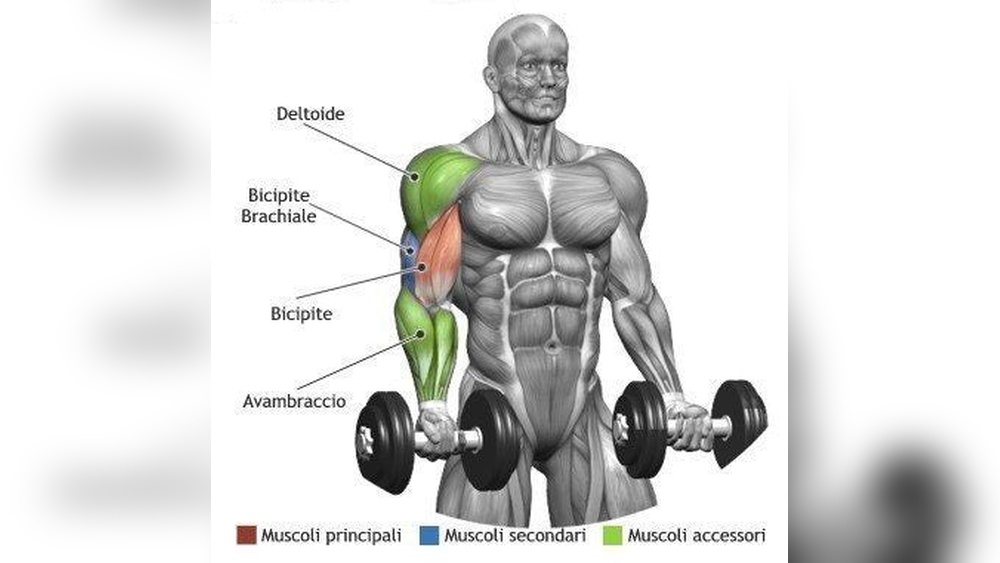
The biceps brachii is the main muscle worked during dumbbell curls. It has two heads: the long head and the short head. Both heads help bend the elbow and rotate the forearm upward. This muscle gives the arm its rounded shape. Strong biceps improve arm strength and appearance.
Brachialis And Brachioradialis
The brachialis lies underneath the biceps brachii. It helps lift the forearm during curls. This muscle adds thickness to the upper arm. The brachioradialis runs along the forearm. It assists in bending the elbow, especially when the palm faces the body. Working these muscles creates balanced arm strength and size.
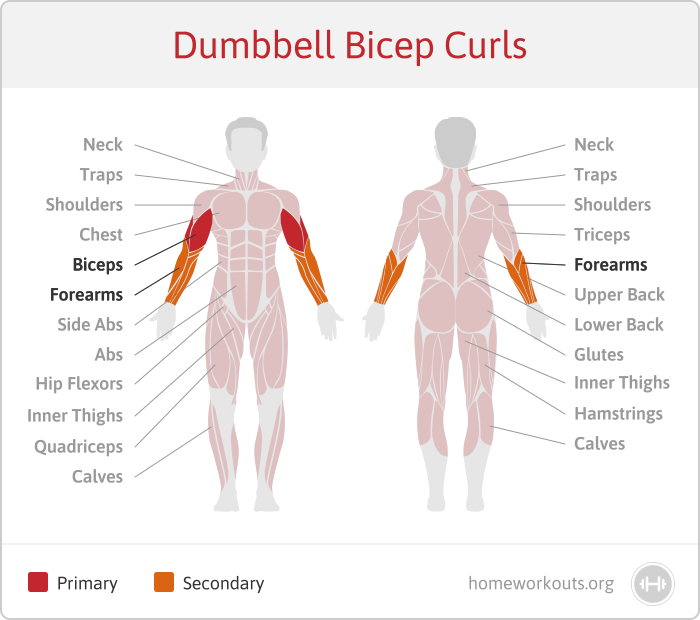
Credit: homeworkouts.org
Biceps Anatomy Basics
The biceps are a key muscle group in the upper arm. They help with many daily movements. Understanding their basic anatomy explains how dumbbell curls work.
The biceps have two main parts called heads. Each head has a unique role in arm movement. Knowing these can improve your workout focus and results.
Long Head
The long head of the biceps runs along the outer side of the arm. It starts at the shoulder blade and attaches to the upper arm bone. This head helps give the arm its shape and peak.
During dumbbell curls, the long head contracts to lift the weight. It also stabilizes the shoulder joint as you move the dumbbell up and down.
Short Head
The short head lies on the inner side of the biceps. It begins at a different point on the shoulder blade and connects to the same arm bone. This head adds thickness to the front of the arm.
This part activates strongly when you bring the dumbbell close to your body. It works with the long head to bend the elbow and rotate the forearm.
Muscle Functions
The biceps perform two main actions. They flex the elbow, bringing the forearm toward the shoulder. They also supinate the forearm, turning the palm upward.
Dumbbell curls target both functions. The curling motion focuses on elbow flexion. Twisting the wrist during curls engages supination. This combination builds stronger, well-shaped biceps.
Dumbbell Curl Variations
Dumbbell curls target the biceps, but using different variations can engage muscles differently. Each type changes the angle or grip, helping to work the muscles in new ways. This variety improves muscle growth and strength.
Alternating Dumbbell Curls
Alternating dumbbell curls involve lifting one dumbbell at a time. This allows focus on each arm separately. It helps correct muscle imbalances and improves coordination. The biceps brachii is the main muscle worked here, with the brachialis assisting.
Incline Dumbbell Curls
Incline dumbbell curls are done sitting on an inclined bench. This position stretches the long head of the biceps more. It increases muscle activation and helps build the peak of the biceps. The movement also works the brachialis muscle.
Hammer Curls
Hammer curls use a neutral grip with palms facing each other. This variation targets the brachialis and brachioradialis muscles along with the biceps. Hammer curls help increase arm thickness and improve grip strength. They add balance to arm training.

Credit: www.strengthlog.com
Muscles Targeted By Variations
Dumbbell curls are a popular exercise for building arm strength. Different variations of curls target specific muscles in the arm. These variations allow you to focus on particular parts of the biceps and surrounding muscles. Understanding which muscles each variation works helps improve workout results. It also prevents muscle imbalances and promotes balanced arm growth.
Long Head Focus With Incline Curls
Incline curls emphasize the long head of the biceps. This part of the muscle creates the peak shape of the biceps. Doing curls on an incline bench stretches the long head more. The stretch increases muscle activation during the movement. This helps in building a taller and more defined bicep peak. Incline curls also reduce shoulder involvement, isolating the biceps effectively.
Short Head Emphasis Through Preacher Curls
Preacher curls target the short head of the biceps. This muscle lies on the inner side of the upper arm. The preacher bench supports the arms, preventing cheating. This keeps tension on the short head throughout the curl. It helps develop the biceps’ width and thickness. Preacher curls also improve muscle control and reduce momentum.
Brachialis Activation Via Hammer Curls
Hammer curls engage the brachialis muscle beneath the biceps. The brachialis adds arm thickness and strength. Holding dumbbells with a neutral grip activates this muscle strongly. Hammer curls also work the brachioradialis, a forearm muscle. This variation builds forearm strength and improves overall arm size. Hammer curls provide balanced arm development beyond just the biceps.
Proper Form Tips
Maintaining proper form during dumbbell curls ensures you target the right muscles effectively. It reduces the risk of injury and improves muscle growth. Focus on key points such as grip, elbow position, and movement control. These tips help you perform curls safely and with maximum benefit.
Grip And Wrist Position
Hold the dumbbells firmly but not too tight. Your palms should face forward throughout the curl. Keep your wrists straight and avoid bending them backward or forward. A stable wrist position prevents strain and keeps the focus on your biceps.
Elbow Placement
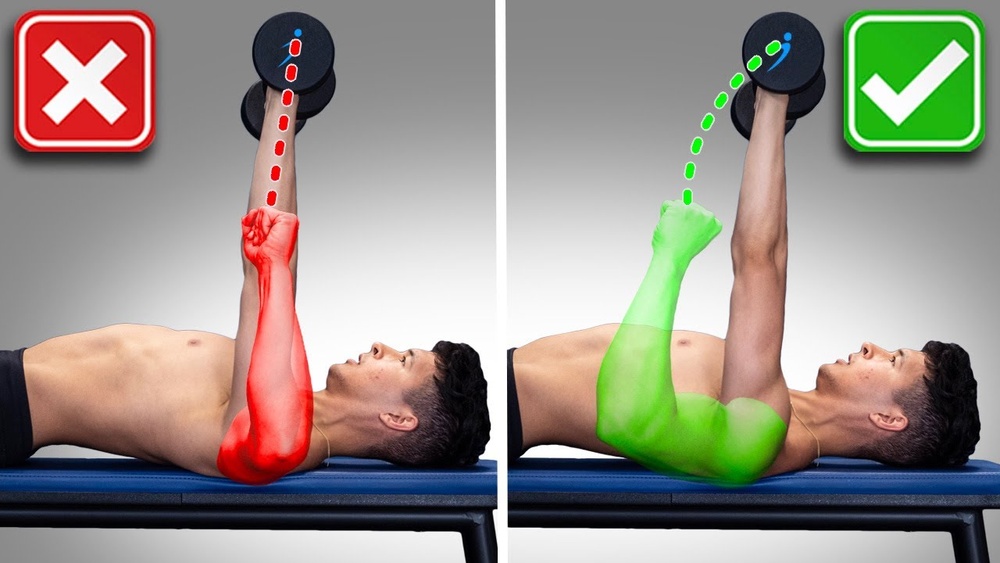
Keep your elbows close to your sides and fixed in place. Avoid letting them move forward or backward during the curl. Proper elbow placement isolates the biceps and stops other muscles from taking over the movement.
Controlled Movement
Lift the dumbbells slowly and lower them with control. Avoid using momentum or swinging your body. Controlled movement increases muscle tension and improves strength. Breathe out as you lift and inhale as you lower the weights.
Comparing Dumbbell And Barbell Curls
Dumbbell and barbell curls are popular exercises for building arm strength. Both target the biceps but differ in execution and effects. Understanding these differences helps choose the right curl for your goals. Below, we compare their range of motion, muscle activation, and unique benefits.
Range Of Motion Differences
Dumbbell curls allow each arm to move independently. This freedom helps maintain a natural wrist and elbow path. It can reduce strain and improve muscle stretch. Barbell curls keep both hands fixed on the bar. This limits wrist rotation but allows for heavier weight use. The fixed grip can restrict movement slightly compared to dumbbells.
Muscle Activation Variances
Dumbbell curls engage stabilizer muscles more. Each arm works alone, promoting balanced strength. They activate the brachialis and brachioradialis along with the biceps. Barbell curls focus more on the biceps brachii. The symmetrical movement allows lifting heavier loads. This can lead to greater overall bicep growth.
Benefits Of Each
Dumbbell curls improve muscle balance and coordination. They allow varied grips, such as hammer or supinated curls. This variety targets different arm muscles. Barbell curls are great for building mass and strength quickly. The fixed grip supports heavier weights safely. Both exercises complement each other well in a balanced workout plan.
Combining Exercises For Full Bicep Development
Building full bicep muscles requires more than just dumbbell curls. Combining different exercises targets all parts of the biceps. This approach creates balanced muscle growth and improves arm strength. Including varied movements prevents plateaus and keeps workouts interesting. Here are three exercises that complement dumbbell curls for complete bicep development.
Weighted Chin-ups
Weighted chin-ups work the biceps and back muscles simultaneously. They emphasize the long head of the biceps, helping to create peak muscle shape. Adding weight increases resistance and boosts muscle growth. This compound exercise also improves grip strength and upper body power.
Preacher Curls
Preacher curls isolate the biceps and reduce cheating during the movement. They focus mainly on the lower part of the biceps. The fixed arm position increases tension and encourages better muscle control. This exercise helps build definition and size in the biceps.
Drag Curls
Drag curls target the inner bicep head for thickness and width. The movement keeps the elbows back, emphasizing the brachialis muscle. This exercise adds fullness beneath the biceps peak. It also improves overall arm aesthetics and strength.
Common Mistakes To Avoid
Performing dumbbell curls correctly is essential for effective muscle growth and injury prevention. Many people make common mistakes that reduce the exercise’s benefits. These errors often involve poor form and improper weight choices. Avoiding these mistakes helps you target the right muscles and get better results.
Using Momentum
Swinging the dumbbells or using body movement reduces muscle work. Momentum takes the load off your biceps. It makes the exercise easier but less effective. Control the movement by lifting and lowering weights slowly. Focus on muscle contraction without jerking or swinging.
Incorrect Elbow Positioning
Moving your elbows forward or outward shifts work away from the biceps. Keep your elbows close to your sides and steady. Elbows should act as a hinge during the curl. Proper elbow position ensures maximum bicep engagement and reduces strain on other joints.
Overloading Weight
Choosing too heavy dumbbells causes poor form and risks injury. Heavy weights make you cheat by using other muscles. Pick a weight that challenges your biceps but allows smooth, controlled reps. Gradually increase weight as your strength improves to avoid setbacks.
Tips For Maximizing Growth
Maximizing muscle growth from dumbbell curls takes more than just lifting weights. Focus and strategy boost your bicep gains effectively. Small changes in your routine can lead to bigger muscles over time. Below are key tips to help your arms grow stronger and more defined.
Progressive Overload
Increase the weight or reps gradually. Challenge your muscles to work harder each session. This forces your biceps to adapt and grow. Avoid lifting the same weight for too long. Track your progress and push yourself safely.
Mind-muscle Connection
Focus on feeling your biceps contract during each curl. Control the movement slowly and avoid swinging. Concentrate on the muscle working, not just moving the dumbbells. This improves muscle activation and growth.
Rest And Recovery
Give your muscles time to repair after workouts. Rest days prevent injury and promote strength gains. Sleep well and eat protein-rich foods. Proper recovery is as important as training hard.

Credit: www.dmoose.com
Frequently Asked Questions
Is A 20 Pound Bicep Curl Good?
A 20-pound bicep curl is good for beginners or those building strength. Progress depends on individual fitness levels.
Do Dumbbell Curls Make Arms Bigger?
Dumbbell curls build bicep muscle by targeting and strengthening the arms. Consistent training increases size and definition.
What Exercise Hits All Three Bicep Heads?
Weighted chin-ups effectively hit all three bicep heads by combining elbow and shoulder flexion with a supinated grip.
Do Dumbbell Curls Work Long Head Or Short Head?
Dumbbell curls mainly target the short head of the biceps. Incline dumbbell curls emphasize the long head more.
Conclusion
Dumbbell curls mainly work your biceps, the muscles in front of your upper arm. They also engage the brachialis and brachioradialis, which help with arm strength. Using proper form ensures you target these muscles effectively. Adding dumbbell curls to your routine can improve arm size and strength over time.
Remember to start with a comfortable weight to avoid injury. Consistent practice leads to better muscle tone and endurance. Focus on slow, controlled movements for best results. This simple exercise remains a key choice for building stronger, well-defined arms.