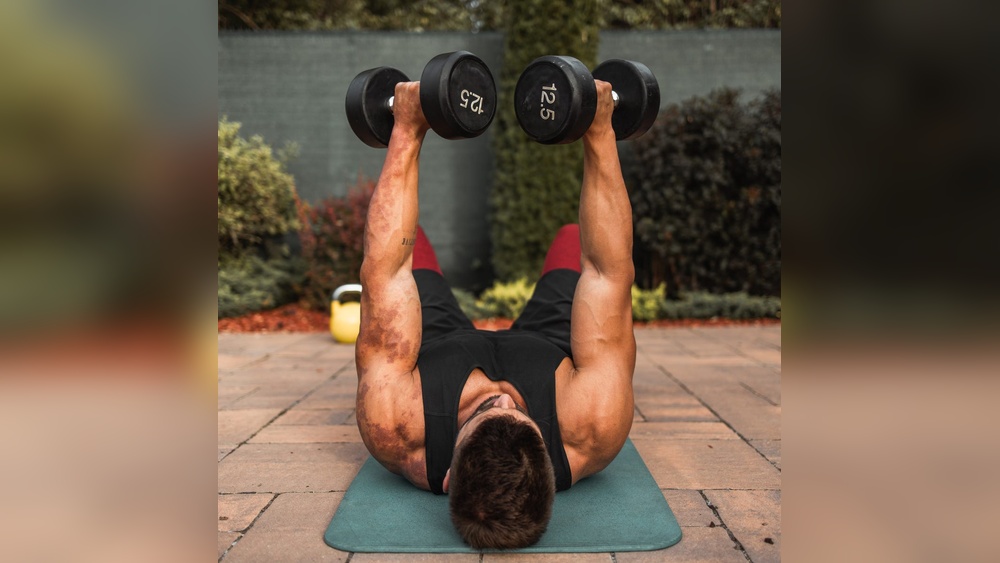
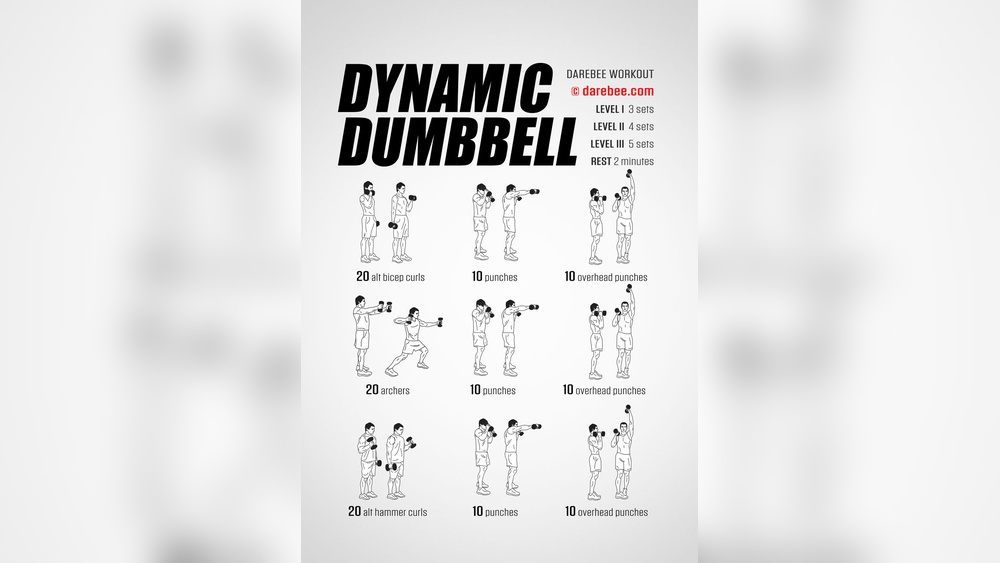
If you want stronger, more defined arms, dumbbells are one of the simplest and most effective tools you can use. Whether you’re working out at home or hitting the gym, dumbbells let you target your biceps and triceps with exercises that fit your level and goals.
But it’s not just about lifting weights—it’s about using the right techniques that maximize results and keep you safe. In this guide, you’ll discover how to use dumbbells correctly to build muscle, tone your arms, and boost your confidence. Ready to transform your arms?
Keep reading and find out exactly what moves you need to master.
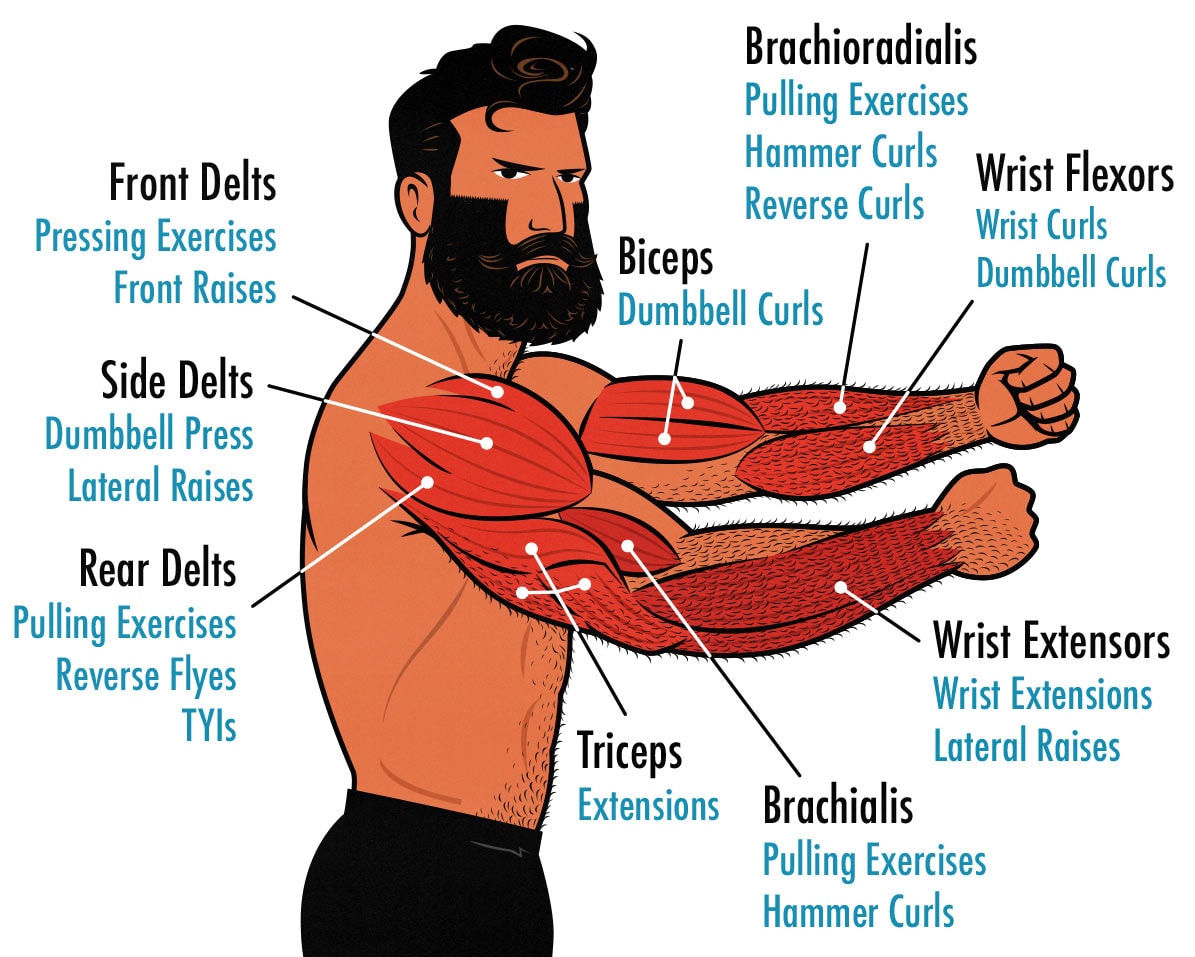
Credit: outlift.com
Choosing The Right Dumbbells
Choosing the right dumbbells plays a key role in effective arm workouts. The correct dumbbells help target muscles well and reduce injury risk. Picking dumbbells depends on your strength, goals, and workout style.
This section covers weight selection tips and types of dumbbells. Understanding these points makes your workouts safe and productive.
Weight Selection Tips
Start with lighter dumbbells to learn proper form. This prevents strain and injury. Choose a weight that feels challenging but allows 8-12 reps without pain. Increase weight gradually as arms get stronger.
Use different weights for different exercises. For example, bicep curls need lighter weights than tricep extensions. Listen to your body and avoid pushing too hard too soon.
Types Of Dumbbells
Fixed-weight dumbbells have one set weight. They are simple and durable. Ideal for beginners or home gyms with limited space.
Adjustable dumbbells let you change weight by adding or removing plates. They save space and money. Good for users who want different weights for varied exercises.
Material varies too. Rubber-coated dumbbells protect floors and reduce noise. Metal dumbbells last longer but can be noisy and damage floors.
Basic Dumbbell Arm Exercises
Basic dumbbell arm exercises build strength and shape your arms. These moves target the main muscles: biceps and triceps. You need only a pair of dumbbells and some space. Consistent practice helps tone muscles and improve arm definition. Start with light weights to learn proper form. Gradually increase weight to challenge your muscles. Here are three simple exercises to begin with.
Bicep Curls
Stand straight with a dumbbell in each hand. Keep your arms down and palms facing forward. Slowly lift the dumbbells toward your shoulders. Focus on using your biceps to pull the weight. Pause for a moment at the top. Lower the dumbbells back to the start position. Repeat for 10 to 15 reps. This exercise strengthens the front of your arms.
Hammer Curls
Hold dumbbells with palms facing your body. Keep elbows close to your sides. Curl the weights upward without rotating your wrists. Stop when dumbbells reach shoulder height. Pause briefly, then lower slowly. Perform 10 to 15 repetitions. Hammer curls work the biceps and forearms. They help improve grip strength and arm thickness.
Tricep Extensions
Hold one dumbbell with both hands above your head. Keep your elbows close to your ears. Slowly lower the dumbbell behind your head. Stop when your forearms are parallel to the floor. Raise the dumbbell back up by straightening your arms. Do 10 to 15 reps. This move targets the triceps muscles at the back of your arms. It helps build arm strength and tone.
Proper Form And Technique
Using dumbbells for arm workouts requires focus on proper form and technique. Good form helps target muscles effectively. It also reduces the risk of injury. Paying attention to grip, posture, and breathing will improve your workout results.
Grip And Hand Position
Hold the dumbbells firmly but not too tight. Keep your wrists straight to avoid strain. Your palms can face up, down, or towards each other depending on the exercise. For bicep curls, palms face up. For hammer curls, palms face each other. Correct grip ensures better muscle engagement.
Body Posture
Stand tall with feet shoulder-width apart. Keep your back straight and chest lifted. Avoid leaning forward or backward during lifts. Engage your core to maintain balance. Slightly bend your knees for stability. Proper posture protects your spine and helps lift weights safely.
Breathing Patterns
Inhale before starting the lift. Exhale slowly as you lift the dumbbells. Breathe out fully during the hardest part of the movement. Inhale as you lower the weights back down. Controlled breathing increases oxygen flow and improves endurance. Avoid holding your breath during exercises.
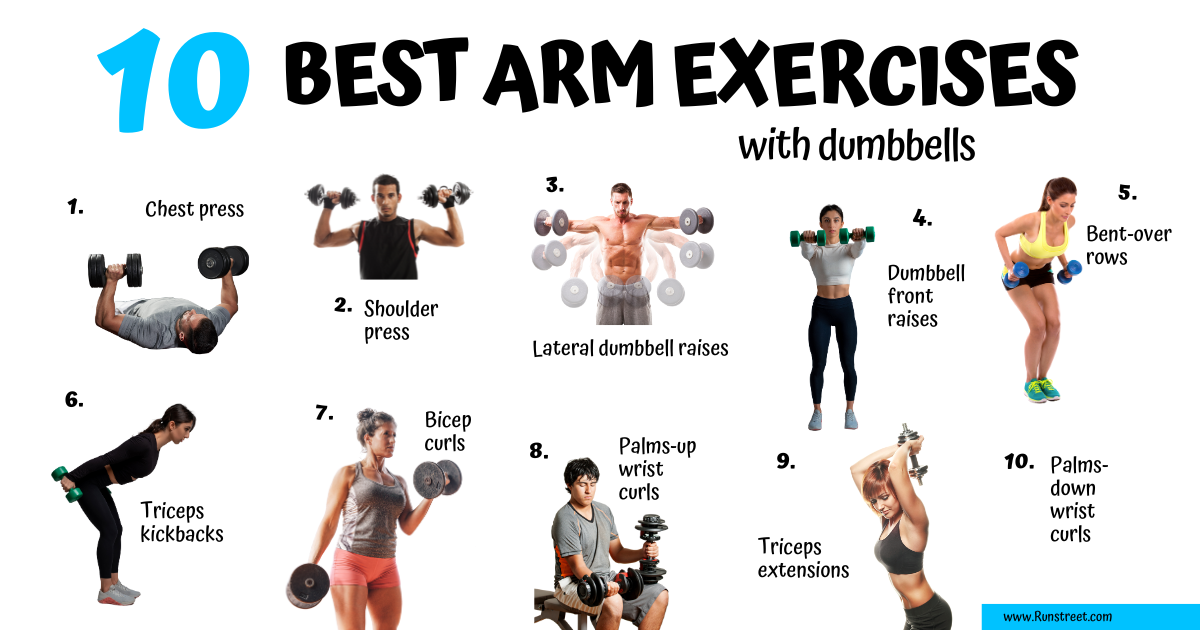
Credit: smart-inc.co.uk
Advanced Dumbbell Moves
Advanced dumbbell moves help sculpt your arms with focused effort. These exercises target specific muscles for better strength and definition. Incorporating these moves challenges your arms in new ways. This leads to faster progress and improved muscle tone.
Preacher Curls
Preacher curls isolate your biceps for a deep burn. Sit on a preacher bench or use a slanted surface. Hold dumbbells with palms facing up. Slowly curl the weights toward your shoulders. Keep your elbows steady on the pad. Lower the dumbbells with control to avoid injury. This move builds the peak of your biceps effectively.
Skull Crushers
Skull crushers focus on the triceps, the muscles behind your arms. Lie on a bench or floor holding dumbbells above your chest. Bend your elbows to lower the weights near your forehead. Keep your upper arms still during the motion. Extend your arms back up to start. This exercise strengthens and tones your triceps well.
Tricep Kickbacks
Tricep kickbacks are great for shaping the back of your arms. Hold a dumbbell in each hand, bend slightly forward. Keep your upper arms close to your body. Extend your arms straight back, squeezing the triceps. Slowly return to the starting position. Use light to moderate weights for best control. This move improves arm strength and definition.
Creating An Effective Arm Workout
Creating an effective arm workout with dumbbells is key to building strength and muscle. A well-planned routine targets both the biceps and triceps for balanced development. Using proper reps, sets, and rest ensures steady progress. Combining different exercises keeps your muscles challenged. This approach maximizes results and reduces injury risk.
Reps And Sets For Strength
Choose a weight that challenges your muscles by the last rep. Aim for 8 to 12 reps per set to build strength and size. Perform 3 to 4 sets of each exercise. Keep your movements slow and controlled. Focus on proper form to avoid injury and maximize gains.
Rest And Recovery
Rest between sets is important for muscle recovery. Take 30 to 60 seconds of rest after each set. Allow 48 hours before working the same muscle group again. Good sleep and nutrition help your muscles repair and grow stronger. Avoid overtraining to prevent fatigue and injury.
Combining Exercises
Mix exercises that target both biceps and triceps. Include curls, hammer curls, and tricep extensions. Change angles and grips to work muscles differently. Alternate between pushing and pulling movements. This variety improves muscle balance and overall arm strength.
Common Mistakes To Avoid
Avoiding common mistakes is key to effective arm training with dumbbells. Many beginners make errors that reduce results and increase injury risk. Correct technique and proper habits help build strength safely. Focus on these frequent mistakes to improve your workouts and see faster progress.
Using Too Much Weight
Lifting dumbbells that are too heavy causes poor form. Your muscles do not work properly. You may swing the weights or use momentum. This reduces the exercise’s benefits and can cause injury. Choose a weight you can lift with control. Increase weight gradually as you get stronger.
Poor Range Of Motion
Not moving your arms through the full range limits muscle growth. Partial movements do not fully engage the muscles. Stretch and contract your muscles completely during each repetition. For example, fully extend your arms before curling the dumbbells. This helps activate more muscle fibers and builds strength evenly.
Neglecting Warm-up
Skipping warm-up increases the risk of strains and injuries. Warm muscles perform better and recover faster. Spend five to ten minutes warming up your arms before dumbbell exercises. Use light weights or bodyweight movements to prepare your muscles and joints. This simple step improves your workout quality and safety.
Tracking Progress And Results
Tracking your progress and results is key to building stronger, toned arms with dumbbells. It helps you stay motivated and see how far you have come. Without tracking, it is easy to lose focus or repeat the same routine without improvement.
Regular tracking shows what works best for your body. It also helps you avoid plateaus by making smart changes. Below are simple ways to track your strength gains, visual changes, and how to adjust your workout routine effectively.
Measuring Strength Gains
Keep a workout journal to record the weight you lift each session. Note the number of reps and sets completed with ease or difficulty. Increasing the dumbbell weight or reps shows your muscles are getting stronger.
Test your strength every few weeks by trying heavier dumbbells. If you can lift more weight or do more reps, you are progressing. Strength gains improve arm muscle size and endurance.
Visual Changes
Take photos of your arms before starting your dumbbell exercises. Use consistent lighting and angles for comparison. Look for muscle definition, size, and tone improvements over time.
Measure your arm circumference with a tape measure at the same spot each week. An increase indicates muscle growth. Visual tracking boosts confidence and motivates you to keep training.
Adjusting Your Routine
Use your strength and visual progress to change your workout plan. Add more weight or increase reps to challenge your muscles. Swap exercises to target different arm muscles and prevent boredom.
Rest days are important too. If you feel pain or fatigue, allow your arms time to recover. Adjusting your routine keeps your arms growing and reduces injury risk.

Credit: www.womenshealthmag.com
Tips For Faster Muscle Growth
Faster muscle growth requires more than just lifting dumbbells. Smart habits and good care boost your results. Follow these key tips to help your arms grow strong and fast.
Nutrition Basics
Muscles need fuel to grow. Eat protein-rich foods like chicken, fish, and beans daily. Proteins repair and build muscle fibers after workouts.
Include healthy fats and carbs for energy. Drink plenty of water to stay hydrated. Avoid junk food that slows recovery and growth.
Consistency And Patience
Training your arms regularly is essential. Aim for at least two to three sessions each week. Keep your workouts focused and controlled.
Muscle growth takes time. Progress may feel slow at first. Stick with your routine, and results will come.
Incorporating Rest Days
Rest days let muscles recover and grow stronger. Avoid training the same muscle groups every day. Give your arms 48 hours to rest before the next workout.
Sleep well each night. Quality rest supports muscle repair and growth hormones. Overtraining can cause injury and slow progress.
Frequently Asked Questions
How To Use Dumbbells For Arms Correctly?
Hold dumbbells with palms facing forward. Curl weights up slowly using biceps. Pause, then lower to start. Keep back straight and control movements. Repeat for sets to build arm strength effectively.
Can I Build Arm Muscle With Just Dumbbells?
Yes, you can build arm muscle using only dumbbells. They enable effective resistance training and muscle activation for growth.
How Long Does It Take To Tone Arms With Dumbbells?
Toning arms with dumbbells typically takes 4 to 8 weeks with consistent workouts, proper form, and balanced nutrition.
How To Fix Flabby Arms With Dumbbells?
Hold dumbbells with arms at sides, palms forward. Curl weights slowly toward shoulders using biceps. Include tricep extensions. Repeat regularly.
Conclusion
Using dumbbells for arms builds strength and tones muscles effectively. Start with light weights to avoid injury and focus on form. Regular workouts improve muscle shape and increase endurance over time. Combine curls, extensions, and presses for balanced arm development.
Stay consistent and patient; results come with time and effort. Remember to rest and allow muscles to recover properly. Keep your routine simple and enjoyable for best progress. Dumbbells offer a convenient way to improve arm fitness anywhere.