If you want broader, stronger shoulders, you can’t skip working your rear delts. These small but powerful muscles play a huge role in improving posture, shoulder stability, and that well-rounded look everyone admires.
But here’s the catch—rear delts are often neglected or trained incorrectly, especially when using dumbbells. Are you ready to fix that? In this guide, you’ll discover simple, effective dumbbell exercises that zero in on your rear delts. By the end, you’ll know exactly how to activate and grow these muscles, preventing common mistakes that hold you back.
Let’s get your shoulders firing on all cylinders!

Credit: www.youtube.com
Rear Delt Anatomy
The rear deltoids, often called rear delts, are a key part of your shoulder muscles. They help shape your upper back and shoulders. Understanding their anatomy helps you train them better with dumbbells.
Muscle Location And Function
The rear delts are located at the back of your shoulder. They are one of three parts of the deltoid muscle. Their main job is to pull your arm backward and rotate it outward. This movement helps with pulling and lifting actions.
These muscles work during many daily activities and workouts. They provide balance to the shoulder by working opposite the front delts. Strong rear delts improve your posture and help prevent shoulder injuries.
Importance In Shoulder Stability
The rear delts play a big role in keeping your shoulder joint stable. They hold the shoulder in place during arm movements. This stability is important for lifting weights safely.
Weak rear delts can lead to shoulder pain and poor posture. Training them strengthens the muscles around the joint. This support lowers the risk of injury during exercise and daily tasks.
Challenges In Rear Delt Training
Training the rear delts with dumbbells poses unique challenges. These muscles are small and often overlooked in regular workouts. Many struggle to activate them properly, which slows progress. Understanding common hurdles can improve your training results.
Common Training Mistakes
Many lifters use too much weight and poor form. This reduces rear delt activation and increases injury risk. Swinging the dumbbells or using momentum takes tension off the muscles. Focus on slow, controlled movements with light to moderate weights. Avoid lifting with your arms fully extended or locking your elbows. These mistakes limit muscle engagement and growth.
Muscle Neglect And Underuse
The rear delts get little attention compared to other shoulder muscles. Daily activities rarely activate them, so they stay weak. Skipping rear delt exercises causes imbalance and poor posture. Adding specific dumbbell exercises like rear delt flys or reverse raises helps. Training them twice a week ensures better muscle development over time.
Trap Muscle Dominance
The traps often take over during rear delt exercises. This happens because traps are stronger and more active in pulling motions. When traps dominate, the rear delts get less work and lag behind. To fix this, focus on form and avoid shrugging your shoulders. Keep your neck relaxed and move only your arms. Isolation exercises target the rear delts more effectively and reduce trap involvement.
Dumbbell Exercises For Rear Delts
Dumbbell exercises are ideal for targeting the rear delts effectively. They allow controlled motion and isolate the muscles well. Using dumbbells helps improve muscle balance and coordination on both sides.
These exercises focus on the back part of the shoulder, which is often neglected. Strengthening the rear delts improves posture and shoulder stability. Here are some simple and effective dumbbell exercises for rear delts.
Rear Delt Fly Variations
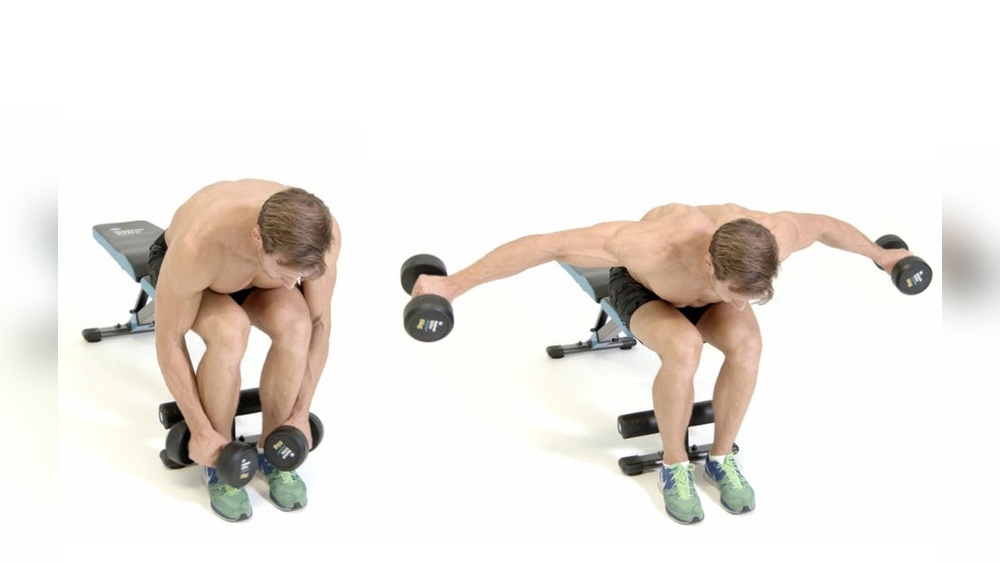
The rear delt fly targets the rear shoulder muscles by lifting the arms sideways. Bend slightly at the hips with a dumbbell in each hand. Keep your back flat and raise your arms out to the sides.
Try different angles to hit the muscle from various points. Perform the movement slowly for better muscle engagement. Keep the elbows slightly bent and squeeze the shoulder blades together.
Bent-over Rear Delt Raises
This exercise isolates the rear delts by lifting dumbbells while bent over. Bend your knees and lean forward at the hips, keeping your back straight. Hold dumbbells with palms facing each other.
Raise the dumbbells to the side until your arms are parallel to the floor. Pause briefly, then lower slowly. Control the movement to avoid using momentum. This strengthens the rear delts and improves shoulder endurance.
Single-arm Rear Delt Rows
Single-arm rear delt rows target the rear delts and upper back muscles. Place one hand and knee on a bench for support. Hold a dumbbell in the other hand with your arm extended.
Pull the dumbbell up and out to the side, focusing on squeezing the rear delt. Lower the dumbbell slowly to the start position. This exercise helps correct muscle imbalances and builds rear delt strength.
Proper Technique Tips
Proper technique is essential to effectively work your rear delts with dumbbells. Using correct form helps target the muscle better and reduces the risk of injury. Small adjustments in your body position and movement control make a big difference. Focus on precision over heavy weights for best results.
Maintaining Body Position
Keep your back flat and chest slightly lifted. Bend forward at the hips, not the waist. Your torso should stay steady throughout the exercise. Avoid rocking or swaying to keep tension on the rear delts. Plant your feet firmly for a stable base. This position isolates the rear delts and prevents other muscles from taking over.
Controlling Movement
Lift the dumbbells slowly and with control. Do not use momentum to swing the weights. Pause briefly at the top to squeeze the rear delts. Lower the dumbbells in a slow, controlled manner. This slow motion increases muscle activation and improves strength. Focus on smooth, deliberate movements instead of rushing through reps.
Elbow And Shoulder Alignment
Keep your elbows slightly bent during the lift. Avoid locking your arms straight. Your elbows should lead the movement, not your hands. Keep the shoulders down and away from your ears. This alignment protects your joints and maximizes rear delt engagement. Proper elbow and shoulder positioning ensures the right muscles work hard.
Training Strategies For Growth
Training rear delts with dumbbells requires smart strategies to promote muscle growth. Focused training boosts strength and size. Proper planning helps avoid common mistakes and plateaus.
Understanding frequency, volume, and weight selection improves workout results. It also reduces the risk of injury and ensures balanced shoulder development.
Frequency And Volume Recommendations
Train rear delts two to three times weekly for steady growth. Allow at least 48 hours between sessions for muscle recovery. Aim for three to four sets per exercise to create enough stimulus.
Keep total weekly reps between 15 and 30 for best results. This volume supports muscle repair and strength gains without overtraining.
Weight Selection And Rep Ranges
Choose a weight that challenges your muscles but allows good form. Use moderate weights to avoid swinging or cheating during lifts. Perform 10 to 15 reps per set to maximize muscle engagement.
Higher reps help improve endurance and muscle tone. Lower reps with heavier weight build strength but may increase trap involvement.
Avoiding Trap Overactivation
Focus on moving only the rear delts, not the traps. Keep shoulders down and relaxed throughout the exercise. Avoid shrugging or lifting with the traps to ensure proper activation.
Use slow, controlled movements to isolate rear delts. Slightly bend the elbows and keep arms parallel to the ground. This technique reduces trap dominance and targets rear delts effectively.
Common Mistakes To Avoid
Training your rear delts with dumbbells can boost your shoulder strength and posture. Avoiding common mistakes helps you get the best results. These errors often reduce the exercise’s effectiveness and may cause injury. Focus on proper technique to target the rear delts correctly.
Using Too Much Weight
Choosing dumbbells that are too heavy is a frequent mistake. Heavy weights force you to cheat with other muscles. This reduces rear delt activation and may cause strain. Use lighter weights to maintain control and form. Quality over quantity works best for muscle growth.
Poor Form And Momentum
Many use momentum to lift dumbbells instead of muscle effort. Swinging the weights wastes energy and reduces rear delt work. Keep your movements slow and steady. Focus on squeezing the rear delts at the top of the lift. Proper posture helps prevent injuries and improves results.
Neglecting Rear Delt Isolation
Some exercises recruit larger muscles like traps or lats, not rear delts. Avoid exercises that allow these muscles to take over. Isolation moves like rear delt flys focus solely on the rear delts. Prioritize these to build balanced shoulder strength. Isolation improves muscle connection and growth.
Sample Rear Delt Dumbbell Workout
Training rear delts with dumbbells improves shoulder balance and posture. A focused workout helps isolate these muscles effectively. This sample routine uses simple dumbbell moves to target rear delts. It suits beginners and those with limited equipment. Follow the steps to warm up, perform exercises, and progress safely.
Warm-up Exercises
Start with light arm circles to increase blood flow. Perform 10 circles forward and 10 backward. Next, do shoulder shrugs with no weight for 15 reps. Add a set of scapular retractions to activate rear delts. Use very light dumbbells for 12 slow reps of rear delt flys. This prepares muscles and joints for the workout.
Workout Structure
Begin with 3 sets of dumbbell rear delt flys. Use moderate weight and 12-15 reps per set. Rest for 45 seconds between sets. Follow with bent-over reverse flys, 3 sets of 10-12 reps. Next, perform single-arm dumbbell rows focusing on the rear delts. Complete 3 sets per arm with 10 reps each. End with face pulls using a resistance band or cable, 3 sets of 15 reps. Keep rest periods short to maintain intensity.
Progression Tips
Increase dumbbell weight gradually every 1-2 weeks. Add 1-2 more reps per set as strength improves. Maintain perfect form to avoid using other muscles. Include this workout twice per week for best results. Track weights and reps to monitor progress. Switch exercises occasionally to prevent plateaus and keep muscles challenged.

Credit: fitbod.me

Credit: globalafricajournal.org
Frequently Asked Questions
How To Hit The Rear Delts With Dumbbells?
Hold light dumbbells and bend forward at hips. Raise arms sideways, keeping elbows slightly bent. Squeeze rear delts at the top. Control the movement and avoid using momentum. Repeat for desired reps to effectively target rear delts.
What Is The Best Rear Delt Exercise?
The best rear delt exercise is the dumbbell rear delt fly. It isolates and activates rear delts effectively. Face pulls and rear delt rows also work well. Use moderate weight, controlled form, and higher reps for optimal growth. Train rear delts at least twice weekly.
How Do I Target My Rear Deltoid?
Target rear delts with isolation exercises like rear delt flys, face pulls, and rear delt rows. Use moderate weight, higher reps, and focus on pulling elbows back to maximize activation. Train them at least twice weekly with proper form to avoid trap dominance and ensure muscle growth.
Are Rear Delts Hard To Grow?
Yes, rear delts are hard to grow because they are smaller, less-used muscles often neglected in training. Focus on proper form, moderate weight, higher reps, and isolation exercises like face pulls and rear delt rows to stimulate growth effectively. Train them at least twice weekly.
Conclusion
Working your rear delts with dumbbells helps build balanced shoulder strength. Use light to moderate weights to keep good form. Focus on slow, controlled movements for better muscle activation. Train your rear delts regularly, at least twice a week. Avoid letting other muscles, like traps, do the work for you.
Consistency and proper technique bring steady progress. Keep your workouts simple and focused on the rear delts. This approach supports better posture and shoulder health. Stick with these tips to see real results over time.