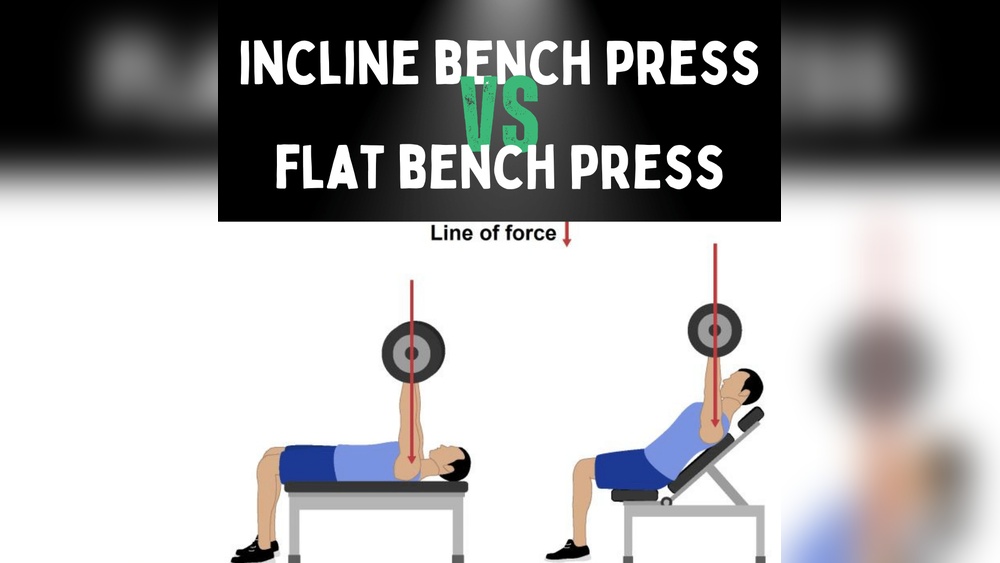
When it comes to building a stronger, more defined chest, you might be wondering: is the incline dumbbell press better than the flat dumbbell press? Both exercises are popular, but they hit your muscles differently.
What if choosing the right one could make your workouts more effective and help you reach your fitness goals faster? You’ll discover the key differences between incline and flat dumbbell presses. You’ll learn which one suits your body and goals best, so you can maximize your gains without wasting time.
Ready to find out which bench press will give your chest the boost it needs? Keep reading to unlock the answer!
Incline Dumbbell Press Benefits
The incline dumbbell press offers distinct benefits that target your upper chest muscles effectively. This exercise shifts the focus to muscles often less engaged during flat presses. It also provides a safer shoulder position and enhances comfort during lifting. Understanding these advantages helps you decide if the incline dumbbell press suits your workout goals.
Upper Chest Focus
The incline angle directs more effort to the upper chest area. This part of the chest is harder to develop with flat presses. Training the upper chest improves overall chest shape and strength. It creates a balanced, fuller look to your chest muscles.
Shoulder Stress Reduction
The incline position reduces strain on the shoulder joints. It allows your shoulders to move naturally during the press. This lowers the risk of injury and discomfort. People with shoulder pain often find incline presses easier to perform.
Stability And Comfort
Using dumbbells increases stability during the incline press. Each arm works independently, which improves muscle balance. Dumbbells allow a more natural wrist and arm position. This results in better comfort and control throughout the movement.
Incline Dumbbell Press Drawbacks
The incline dumbbell press is popular for targeting the upper chest. Yet, it has some drawbacks that affect its effectiveness and safety. Understanding these limits helps in choosing the right exercise for your goals.
Limited Lower Chest Activation
The incline angle reduces focus on the lower chest muscles. The flat bench press works the entire chest more evenly. This means the incline press alone may not build a balanced chest. You might need extra exercises to train the lower chest properly.
Requires Shoulder Mobility
The incline dumbbell press demands good shoulder flexibility. Poor mobility can cause discomfort or injury during the lift. Beginners or those with shoulder issues may struggle with the correct form. Warming up and improving shoulder mobility is important before using heavy weights.
Flat Dumbbell Press Benefits
The flat dumbbell press offers several benefits for chest development and overall strength. This exercise targets the chest muscles evenly and allows for natural movement. It helps build a strong foundation for any upper body workout routine. Many lifters find it effective for balanced muscle growth and strength gains.
Balanced Chest Activation
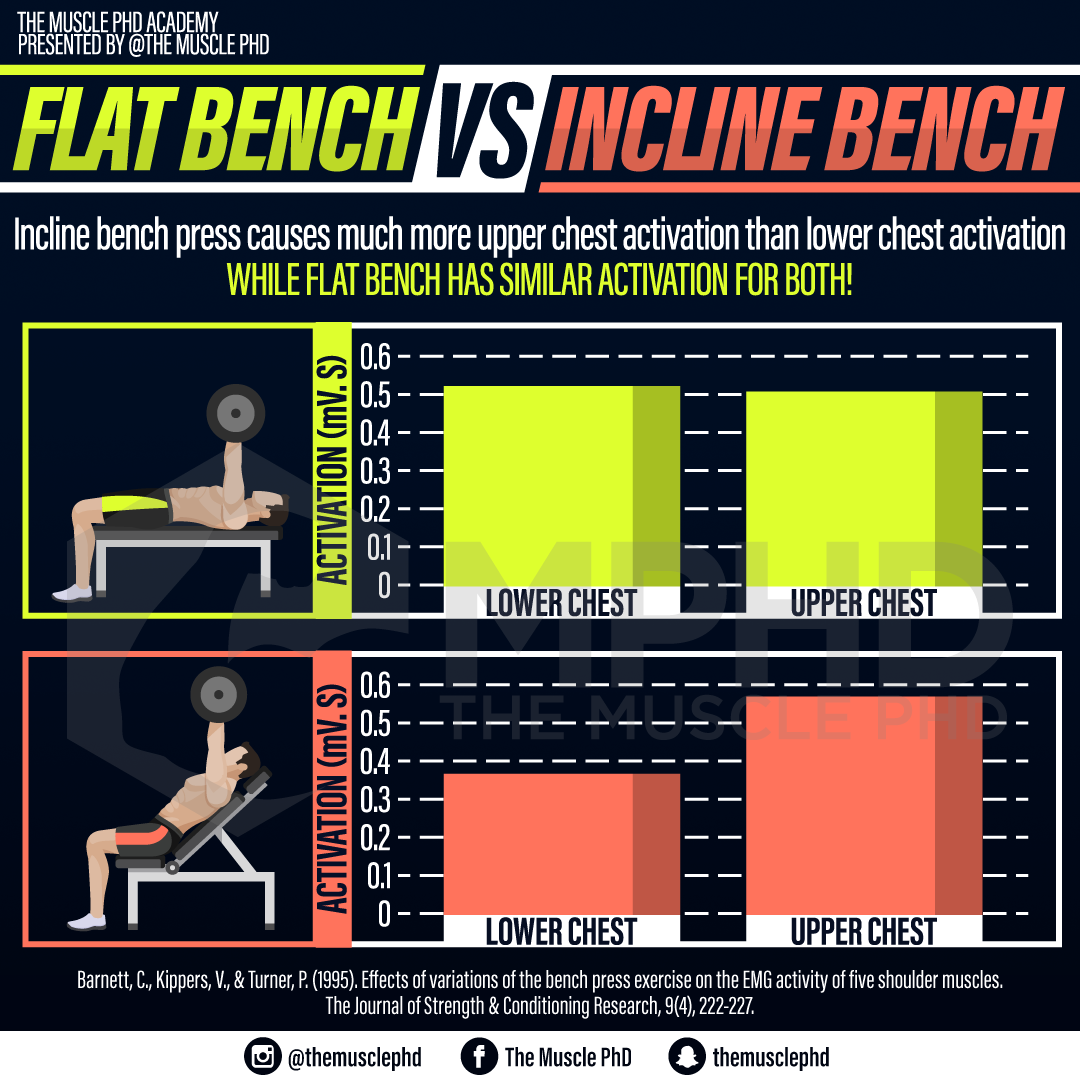
The flat dumbbell press activates both the upper and lower chest muscles evenly. This balanced activation helps develop a well-rounded chest. Using dumbbells allows each side to work independently, reducing muscle imbalances. It also engages stabilizer muscles more than a barbell press. This improves muscle coordination and control during the exercise.
Overall Strength And Size Gains
This exercise helps increase overall chest strength and muscle size. The flat dumbbell press allows for a full range of motion, enhancing muscle stretch and contraction. It challenges the muscles effectively, promoting hypertrophy. Using dumbbells also improves grip strength and joint stability. These benefits contribute to better performance in other lifts and daily activities.
Flat Dumbbell Press Drawbacks
The flat dumbbell press is a popular chest exercise. Many lifters include it in their routines. Despite its popularity, it has some drawbacks that can affect your workout results. Understanding these issues helps you choose better exercises for chest growth and shoulder health.
Increased Shoulder Stress
The flat dumbbell press puts more pressure on the shoulders. The arm angle during the press can strain the shoulder joint. This stress may cause discomfort or injury over time. People with existing shoulder problems often find this exercise painful. Proper form can reduce stress but not eliminate it.
Less Upper Chest Emphasis
The flat dumbbell press mainly targets the middle chest. It does not work the upper chest as well as other variations. The upper chest is important for a full, balanced look. Neglecting this area can limit chest development. Exercises like the incline dumbbell press focus more on the upper chest muscles.
Muscle Growth And Strength
Muscle growth and strength gain depend on how you train your chest muscles. Both incline and flat dumbbell presses target the chest but in slightly different ways. Understanding key training principles helps you choose the best option for your goals. Focus on muscle size and power to see real progress.
Hypertrophy Principles
Hypertrophy means muscle growth from exercise. It happens when muscles face enough stress to cause small damage. This damage repairs and makes muscles bigger and stronger. Choose weights that challenge you but allow good control. Both incline and flat presses can create hypertrophy if done correctly.
Progressive Overload
Progressive overload means increasing the weight or reps over time. This forces muscles to adapt and grow stronger. Use heavier dumbbells gradually or add more repetitions. Consistent overload works well with either incline or flat presses. Keep track of your progress to ensure steady gains.
Form And Range Of Motion
Proper form prevents injury and improves results. Maintain control through the full range of motion. Lower dumbbells slowly and press up fully. Incline press targets the upper chest and shoulders more. Flat press works the middle chest better. Choose the form that suits your body and goals best.

Credit: www.strengthlog.com
Choosing Based On Goals
Choosing between incline and flat dumbbell presses depends on your fitness goals. Each exercise targets the chest differently. Understanding these differences helps you pick the right move.
Focus on what you want to achieve. This will guide your choice and improve your results.
Upper Chest Development
The incline dumbbell press targets the upper chest more effectively. It emphasizes the clavicular head of the pectoralis major. This helps create a fuller, lifted chest appearance. Flat presses work the middle chest but less on the upper part. Choose incline presses if building the upper chest is your priority.
Overall Chest Size
Flat dumbbell presses engage the entire chest muscle more evenly. They allow you to lift heavier weights safely. This helps in increasing overall chest size and strength. Incline presses contribute to size too but focus more on a specific area. Use flat presses to grow the chest in a balanced way.
Shoulder Health
Incline presses put more stress on the shoulders due to the angle. This can increase risk if you have shoulder issues. Flat presses usually feel easier on the shoulder joints. They allow a more natural arm path. Pick flat presses if you want to protect your shoulders or have past injuries.
Optimal Incline Angle
The optimal incline angle plays a key role in the effectiveness of the incline dumbbell press. Adjusting the bench angle changes which muscles get the most work. Finding the right angle helps target the upper chest while reducing shoulder strain.
Too steep an incline shifts focus to the shoulders. Too flat an angle lessens the upper chest activation. Most experts suggest an angle between 30 and 45 degrees as ideal.
Why 30 To 45 Degrees Works Best
This range activates the upper chest effectively without putting too much stress on the shoulders. It creates a natural pressing path for the dumbbells. This angle also allows a full range of motion, which helps muscle growth.
Effects Of Higher Incline Angles
Angles above 45 degrees tend to involve the front shoulders more. This can limit chest muscle work and increase injury risk. It may feel like a shoulder press rather than a chest press.
Benefits Of A Lower Incline Angle
Angles below 30 degrees start to resemble the flat dumbbell press. This reduces upper chest emphasis. It can still build overall chest strength but may not target the area some lifters want.
How To Find Your Ideal Angle
Start at 30 degrees and adjust slightly up or down. Pay attention to which muscles feel the most work. Avoid angles that cause shoulder pain. Use a mirror or ask for feedback to check form.
Common Mistakes To Avoid
Choosing between the incline dumbbell press and the flat dumbbell press requires more than just picking a bench angle. Mistakes during these exercises can reduce gains and cause injury. Avoiding common errors helps you train safely and effectively.
Poor Form
Using poor form limits muscle growth and raises injury risk. Keep your back flat against the bench. Avoid arching excessively or lifting your hips. Control the weights through the full range of motion. Press dumbbells evenly to avoid muscle imbalances. Focus on smooth, steady movements instead of speed.
Overloading Too Soon
Lifting weights that are too heavy can harm your progress. Start with lighter dumbbells to learn the movement. Increase weight gradually as you build strength. Overloading too soon leads to poor form and strain. Patience helps build muscle safely and effectively.
Ignoring Body Signals
Listen carefully to your body during each set. Sharp pain or discomfort means stop immediately. Fatigue is normal, but pain is not. Rest if you feel unusual soreness or stiffness. Ignoring warning signs can cause serious injuries and long recovery times.
Incorporating Both Presses
Incorporating both incline and flat dumbbell presses into your workout adds variety and targets different parts of your chest. This approach prevents workout boredom and helps overcome strength plateaus. It allows you to stimulate your muscles in unique ways for better overall gains.
Workout Variation
Switching between incline and flat presses keeps your routine fresh. Your muscles respond better to new challenges. Incline presses focus more on the upper chest and shoulders. Flat presses target the middle chest and triceps. Using both exercises ensures you work all angles of the chest. This variety also reduces the risk of overuse injuries.
Balanced Chest Development
Training with both presses creates a balanced chest shape. Flat presses build size and strength in the center chest. Incline presses add height and fullness to the upper chest. Neglecting one can lead to uneven muscle growth. Balanced development improves your appearance and performance. It also supports better posture and shoulder health.

Credit: www.youtube.com
Weight Recommendations
Choosing the right weight for incline dumbbell press versus flat dumbbell press depends on your strength and goals. Weight recommendations guide safe progress and muscle growth. Proper weight challenges muscles without risking injury. Starting with manageable loads ensures good form and control. Gradual increases help build strength steadily over time.
Starting Loads
Begin with lighter weights to learn the movement. For incline dumbbell press, use about 50-60% of your flat press weight. The incline angle shifts muscle focus and reduces the amount you can lift initially. Choose weights that let you complete 8-12 reps with good form. Avoid weights that cause strain or loss of control. Starting lighter helps prevent injury and builds confidence.
Progression Tips
Increase weight by small increments as strength improves. Add 2.5 to 5 pounds per dumbbell every 1-2 weeks. Track your reps and sets to know when to raise weight. Focus on maintaining full range of motion and proper technique. Do not sacrifice form for heavier loads. Mix incline and flat presses to target muscles differently and avoid plateaus.
Credit: themusclephd.com
Frequently Asked Questions
Is A 70 Lb Incline Dumbbell Press Good?
A 70 lb incline dumbbell press is good if it challenges your muscles with proper form. It effectively targets the upper chest. Adjust weight to match your strength and avoid injury.
Why Do Bodybuilders Prefer Incline Bench Press?
Bodybuilders prefer incline bench press to target the upper chest effectively. It enhances shoulder stability and improves muscle definition. This angle reduces shoulder strain and allows better force generation, promoting balanced chest development and strength gains.
Can Incline Press Build A Bigger Chest?
Incline press targets the upper chest, promoting balanced muscle growth. Combine it with flat press for a bigger, well-rounded chest.
Is 45 Or 30 Degrees Better For Upper Chest?
A 45-degree incline targets the upper chest more effectively than 30 degrees. It balances muscle activation and shoulder comfort.
Conclusion
Choosing between incline and flat dumbbell presses depends on your goals. Incline presses target the upper chest more effectively. Flat presses work the middle chest and allow heavier weights. Both exercises build strength and muscle but in different areas. Mixing both can create a balanced chest workout.
Focus on proper form to avoid injury. Listen to your body and adjust weights accordingly. Consistency matters more than the angle you choose. Try both to see which feels better for you. Variety keeps workouts engaging and helps steady progress.


