Are you confused about how to count the weight on your dumbbells? Knowing the exact weight is key to tracking your progress and avoiding injury.
But if you’ve ever stared at those plates or adjustable weights wondering what the total is, you’re not alone. You’ll discover simple tips to quickly and accurately count the weight on any dumbbell. By the end, you’ll feel confident picking up the right weight every time and getting the most from your workouts.
Keep reading to unlock the secret to mastering your dumbbell weights!
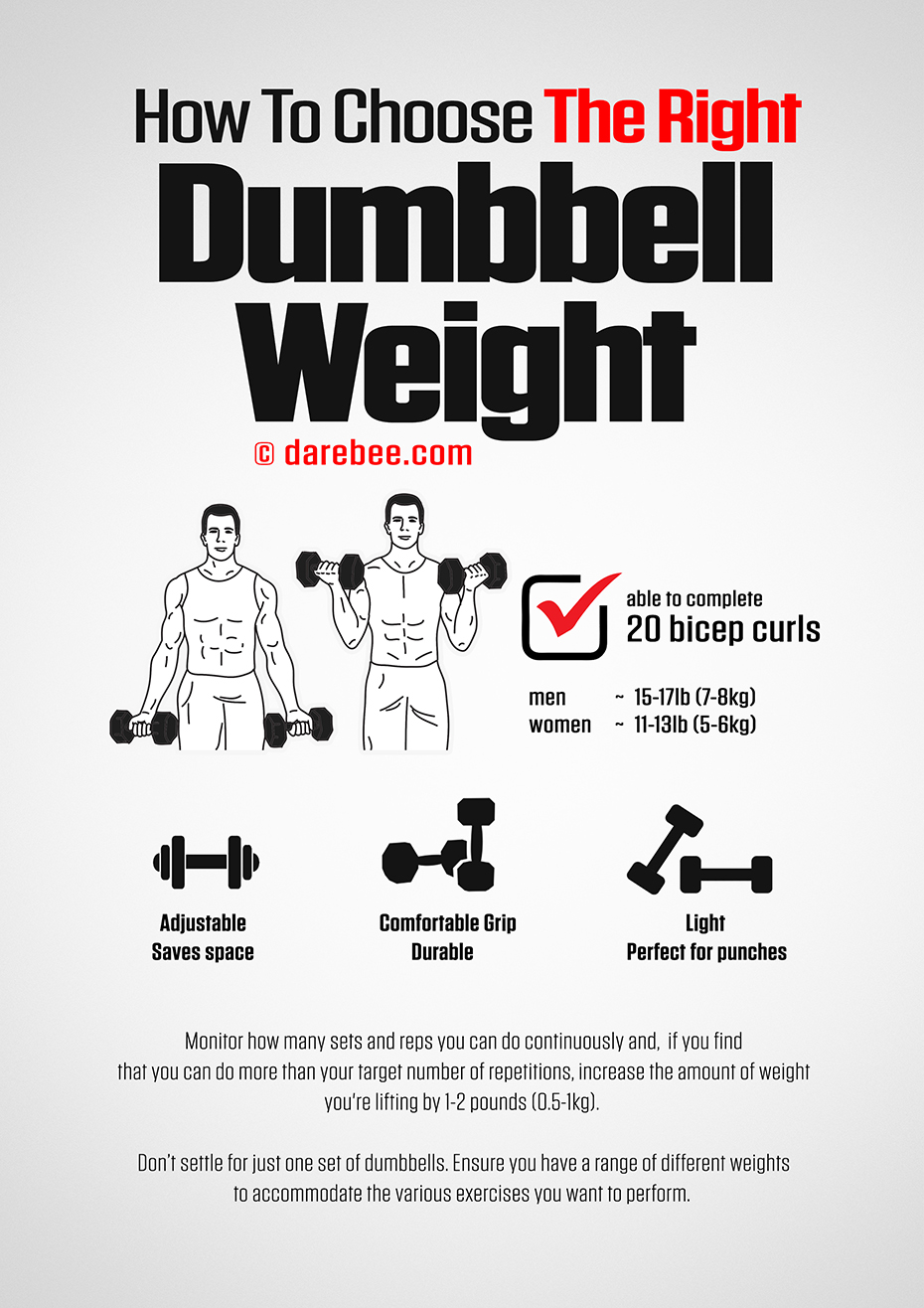
Credit: darebee.com
Types Of Dumbbells
Dumbbells come in different types. Each type has unique features. Knowing them helps you count weight correctly. It also helps you choose the right dumbbell for your workout.
Fixed Weight Dumbbells
Fixed weight dumbbells have a set weight. You cannot change the weight on these dumbbells. They are simple and easy to use. The weight is often marked on the dumbbell handle or plate. This makes counting weight fast and clear.
Adjustable Dumbbells
Adjustable dumbbells allow you to change the weight. You add or remove plates to adjust the weight. This type saves space and money. You can see the total weight by adding the plates. Some have numbers on the plates to help count.
Selectorized Dumbbells
Selectorized dumbbells have a dial or pin to select weight. You turn the dial or move the pin to pick the weight. These dumbbells show the chosen weight on a display. Counting weight is easy and quick with this type. They are perfect for quick workout changes.
Check Manufacturer Labels
Checking manufacturer labels is the easiest way to know the weight of your dumbbell. These labels provide exact numbers made by the company. They help you avoid guessing or wrong calculations. Always look for these labels before starting your workout.
Weight Markings On Plates
Many dumbbells have weight plates that show their weight. These numbers are often printed or engraved on the plates. They tell you how heavy each plate is. This helps you add up the total weight quickly. Plates with clear markings make counting easier and faster.
Stamped Weight On Handles
Some dumbbells have the weight stamped right on the handle. This stamp shows the full weight of the dumbbell. It is usually in pounds or kilograms. This mark stays visible even after long use. Stamped weights on handles help you check weight without removing plates.
Use A Scale For Precision
Counting the weight on a dumbbell with precision matters for safe and effective workouts. Using a scale helps ensure you know the exact weight you are lifting. This prevents injury and tracks your progress accurately.
Digital Vs Mechanical Scales
Digital scales show weight quickly and clearly on a screen. They are easy to use and often more precise. Mechanical scales use a dial and spring to measure weight. They do not need batteries but can be less accurate.
Choose a scale based on what fits your needs. Digital scales suit those who want fast, clear readings. Mechanical scales work well if you want a simple, no-battery option.
Weighing Individual Plates
Weigh each dumbbell plate separately for exact numbers. Place one plate on the scale at a time. Write down the weight for each plate. This helps when mixing plates to get a total weight.
It also helps check if plates are labeled correctly. Some plates may be off by a few pounds. Knowing each plate’s true weight ensures your dumbbell weight is right.
Weighing The Entire Dumbbell
Weigh the whole dumbbell after adding plates. Put the assembled dumbbell on the scale. This shows the total weight of the dumbbell and plates combined.
It confirms your calculations from the individual plates. This step is useful if you want a quick check. It also helps if you do not want to weigh plates separately.
Calculate Total Weight
Calculating the total weight of a dumbbell is key for tracking your workouts. It ensures you lift the right amount for strength gains. You need to add the weight of all parts carefully. This helps avoid mistakes and keeps your progress on track.
Understanding how to calculate the total weight also prevents injuries. Lifting too heavy without knowing can cause strain. Knowing the exact weight builds confidence in your training routine.
Adding Plate Weights
Start by checking the weight of each plate on the dumbbell. Plates usually have their weight printed on them in pounds or kilograms. Add all plate weights together. Make sure to include every plate on both sides. This step gives you the combined weight of the plates only.
Including Dumbbell Handle Weight
Next, find out the weight of the dumbbell handle. This is often forgotten but important. The handle weight adds to the total load you lift. You can find the handle weight on product details or measure it if possible. Add the handle weight to the total plate weight. The sum is the full weight of your dumbbell. This total weight is what you actually lift during your workout.
Common Weight Units
Understanding common weight units is key to tracking your dumbbell progress. Weights on dumbbells are usually shown in pounds or kilograms. Knowing these units helps you pick the right dumbbell and measure your strength accurately.
Different countries use different units. This can confuse you when reading weight labels or workout plans. Learning the basics of pounds and kilograms makes counting weight easier and more precise.
Pounds Vs Kilograms
Pounds (lbs) are mostly used in the United States. Kilograms (kg) are common in most other countries. One pound equals about 0.45 kilograms. Dumbbells often have weights marked in one or both units. Knowing which unit is used helps avoid mistakes in your workout.
Many dumbbells have labels like “10 lbs” or “5 kg.” This shows their weight clearly. Understanding the difference helps you choose the right weight for your fitness level.
Converting Between Units
Sometimes you need to convert pounds to kilograms or vice versa. Use simple math: multiply pounds by 0.45 to get kilograms. To convert kilograms to pounds, multiply by 2.2. This helps when your workout plan uses a different unit than your dumbbell.
For example, a 20-pound dumbbell is about 9 kilograms. A 10-kilogram dumbbell weighs about 22 pounds. These conversions help you track your progress accurately.
Credit: www.chegg.com
Tips For Accurate Counting
Counting weight on dumbbells needs care for accuracy. Mistakes can cause wrong workout loads and injuries. Follow these tips to count weights right and stay safe.
Regularly Check Equipment
Check dumbbells and plates often for damage or wear. Broken or worn parts can affect weight readings. Replace any damaged plates or handles immediately. Clean and tighten collars to keep plates secure.
Keep Plates Clean And Visible
Dirt and rust can hide weight numbers on plates. Wipe plates clean before use. Clear numbers help you identify weight quickly and avoid errors. Use a bright light to see plates better in dim rooms.
Avoid Mixing Different Weight Plates
Do not mix plates from different brands or types. Sizes and weights may differ slightly. Use plates that match exactly for each dumbbell. This keeps counting simple and accurate every time.
Safety Considerations
Counting weight on dumbbells is important for safe and effective workouts. Safety must be a top priority to avoid injuries. Understanding how to handle weights properly helps protect your joints and muscles.
Ensuring Secure Plate Attachment
Always check that weight plates fit tightly on the dumbbell bar. Loose plates can slip and cause accidents. Use collars or clips to lock plates in place. Give the plates a gentle shake to confirm they do not move. Secure plates prevent sudden shifts during exercises.
Avoiding Overloading
Pick a weight that matches your strength and fitness level. Too heavy dumbbells increase the risk of muscle strain or injury. Increase weight gradually as your muscles grow stronger. Avoid lifting more than you can control with good form. Smart weight choices help keep workouts safe and effective.

Credit: help.strongapp.io
Frequently Asked Questions
How Do You Find The Weight Of A Dumbbell?
To find a dumbbell’s weight, check the number printed on its side. It shows the total weight in pounds or kilograms. If no marking exists, use a scale to weigh it. Always verify the unit to ensure accurate workout tracking.
Why Is Counting Dumbbell Weight Important?
Counting dumbbell weight helps track workout progress and avoid injury. It ensures you lift the right load for your strength level. Proper weight selection improves muscle growth and workout efficiency. It also helps in planning gradual weight increases safely.
How Do Adjustable Dumbbells Display Weight?
Adjustable dumbbells show weight using a dial or selector pin. You set the desired weight by turning or clicking the dial. The weight plates lock securely for safe lifting. This design allows quick changes during workouts without swapping dumbbells.
Can I Combine Different Weight Plates On Dumbbells?
Yes, you can combine plates to reach your target weight. Ensure the combined weight matches your exercise requirements. Secure plates tightly to avoid slipping during use. Mixing plates offers flexibility and customizes resistance levels effectively.
Conclusion
Counting weight on a dumbbell is simple once you know the parts. Check the numbers on each weight plate carefully. Add them up to find the total weight you lift. Always double-check before starting your exercise. This helps keep your workout safe and effective.
Practice often, and it will become second nature. Knowing your dumbbell’s weight helps track your progress well. Keep lifting, stay consistent, and enjoy your fitness journey.